58th: The Daughter Still Searching for Justice



Glaiza de Castro plays Reynafe Castillo, the daughter of Reynaldo Momay, the 58th victim of the Maguindanao massacre
On November 23, 2009, the world was rocked by the massacre of several journalists and members of the Mangudadatu family in Maguindanao. Their bodies and vehicles were found buried in a ravine, some of them unidentifiable — a crime that remains the deadliest for journalists in recorded history.
Fifty-seven bodies were recovered. A 58th remains missing to this day, 17 years later. This is the story behind that missing body — and the film built around it, 58th, starring Glaiza de Castro as Reynafe Castillo, daughter of photojournalist Reynaldo Momay, the presumed 58th victim.
A memory that haunts Reynafe
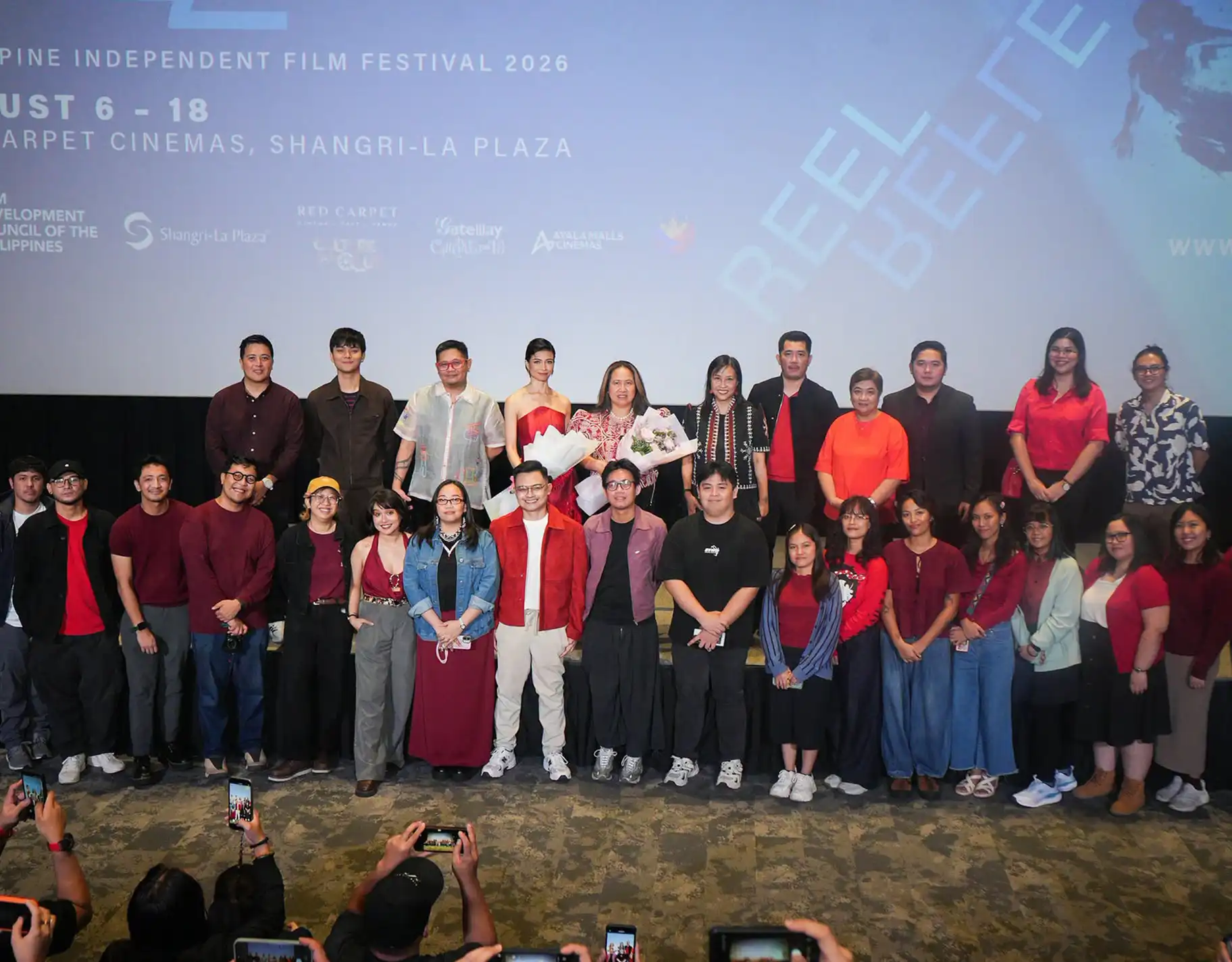
58th screened as part of the Cinemalaya 22 lineup, though whether the film — directed by Carl Joseph Papa — will get a theatrical release remains uncertain given an ongoing case tied to the massacre. Still, moviegoers packed the Shangri-La screening, among them Reynafe Castillo herself, who flew in from abroad just to be there.
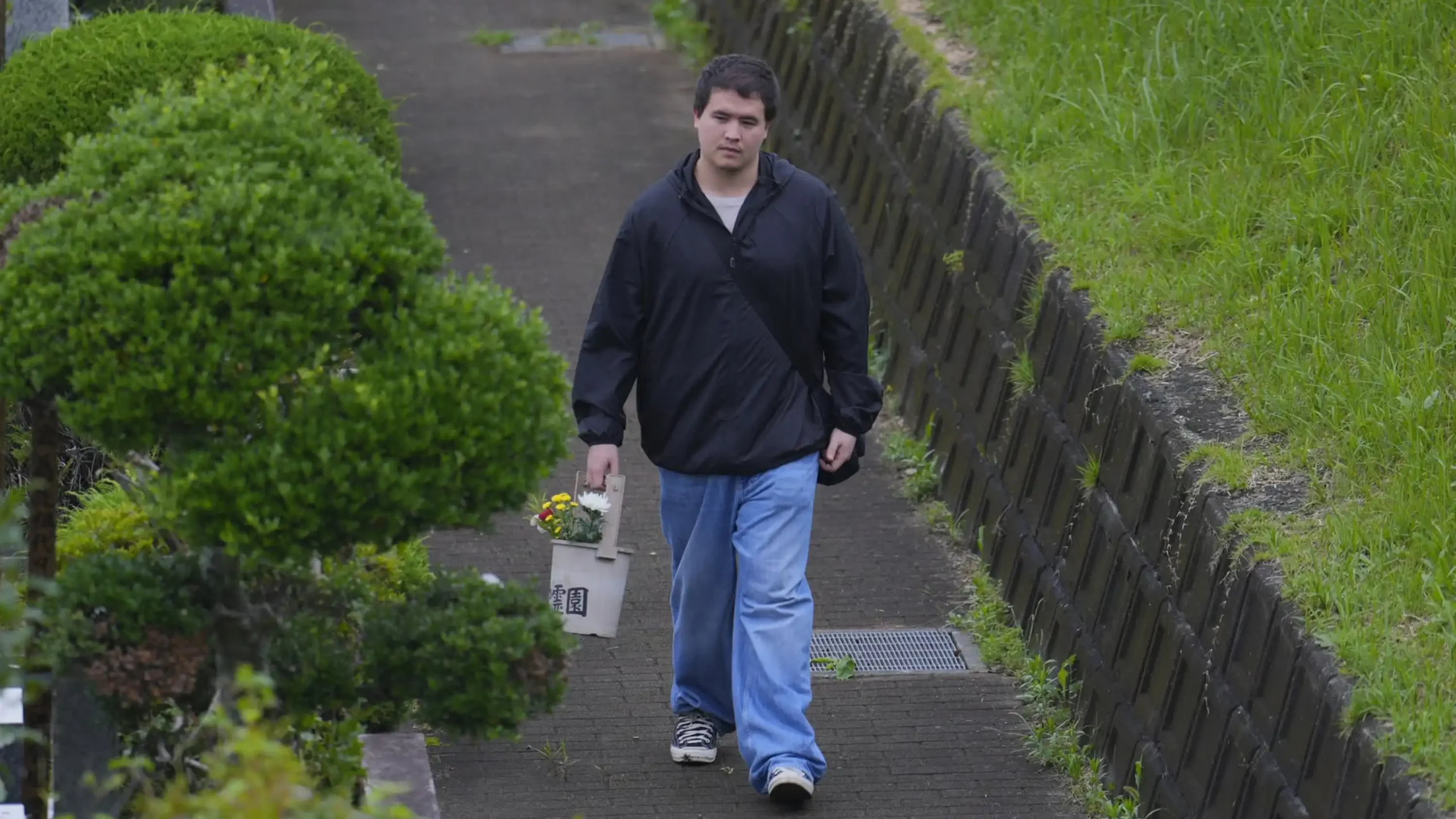
Using archive footage woven with rotoscoped animation, Glaiza brings Reynafe’s memory to life — the last moments she had with her father, played by the late Ricky Davao, and the agonizing search that followed. GriefGriefThe deep sadness that follows the loss of a loved one, which children experience differently from adults. Parents can help by using honest, simple words, allowing tears and questions, keeping, anger, fear — all of it plays out as Reynafe and her family return again and again to the crime scene, and to the morgue, looking for a body they never find.
Before the credits rolled, Glaiza addressed the audience directly. She couldn’t tell them to enjoy the film; she said. What she could do was remind them: this should never be allowed to happen again.
From Reynafe herself
After the screening, Reynafe took the floor for a few minutes. She’d seen different cuts of the film by then, she said, and still couldn’t stop crying — still couldn’t stop thinking about the victims and her father whose lives were cut short.
“Behind every number is a person — someone who laughed, worked hard for their families, and had hopes for tomorrow,” she said, naming what many of them were: mothers, fathers, journalists, lawyers, ordinary citizens.
For families like hers, she said, moving has not been easy. “There is only learning how to carry the loss while continuing to hope that their lives will never be forgotten.”
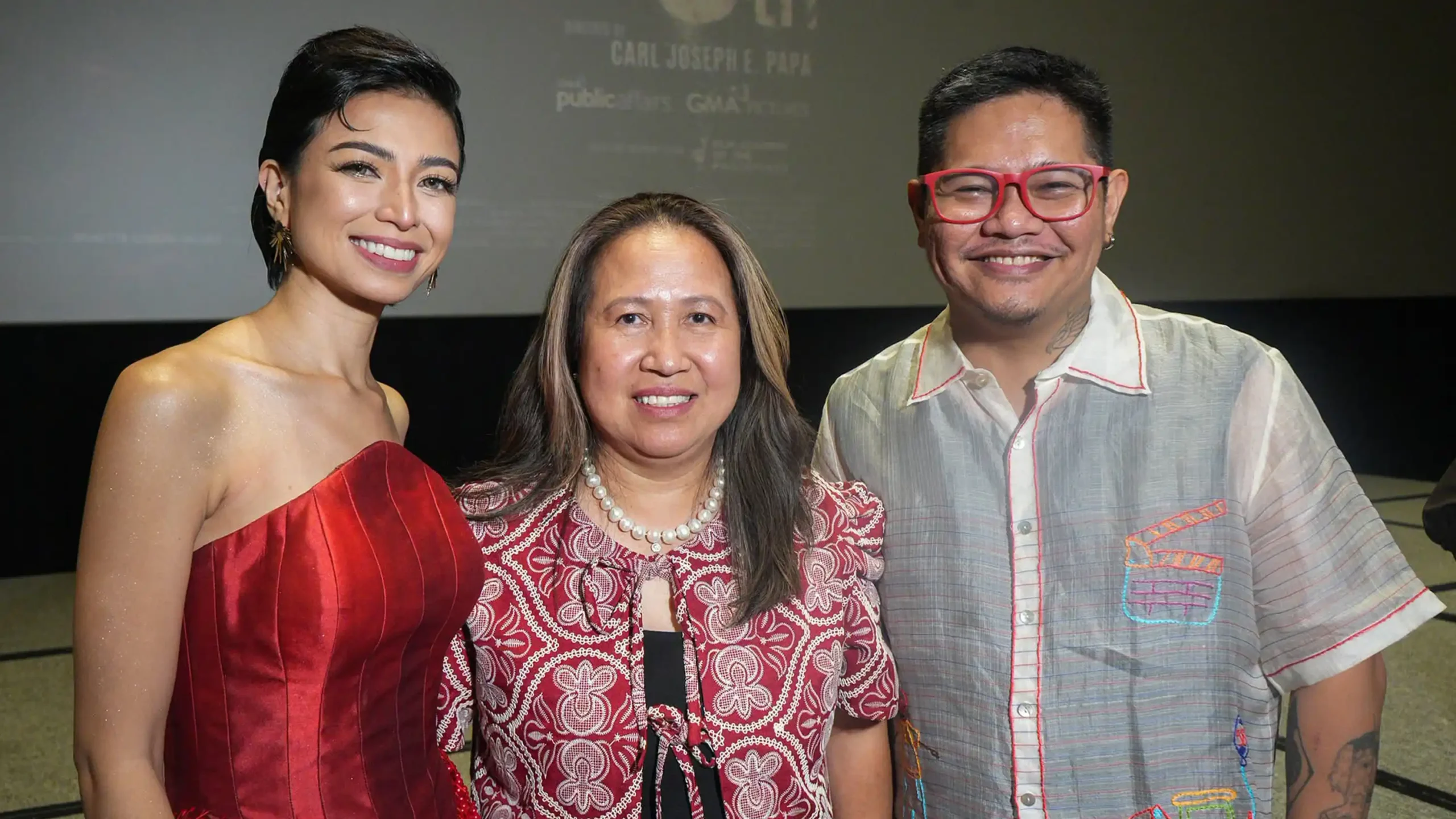
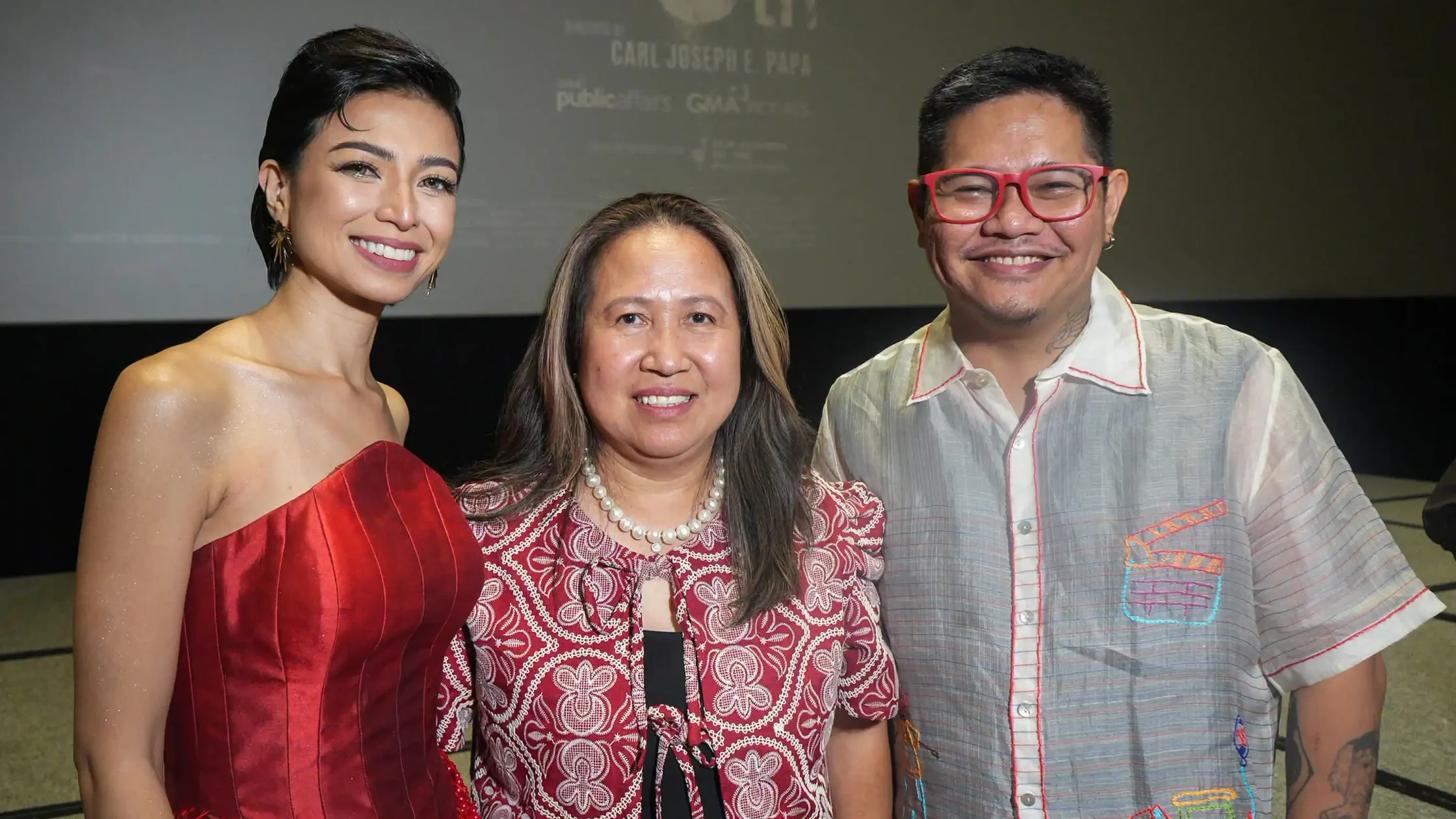
Glaiza de Castro, Reynafe Castillo, and director Carl Joseph Papa. Photo from GMA Pictures
The film, she added, isn’t only about one family’s griefGriefThe deep sadness that follows the loss of a loved one, which children experience differently from adults. Parents can help by using honest, simple words, allowing tears and questions, keeping. It’s a reminder that justice isn’t confined to a courtroom verdict — it lives in memory, too, and should never fade.
“It’s about ensuring future generations know what happened, and why it should never happen again.”
Seventeen years on, justice still hasn’t recognized her father as one of the massacre’s official victims. Yet Reynafe — a mother of two herself — keeps fighting.
Speaking to the press about the dangers journalists still face today, she had one message: keep doing the job.
“Maging mapagmatyag. As part of the media, sa tingin ko ang malaking maiaambag ay ang ma-educate sa mga tao na bumoto ng tama,” she said. “Yung pagboto nang tama — malaking bagay iyon.”
More than Reynaldo Momay’s story, 58th is a mirror held up to the country’s political system — and a reminder that a free press shouldn’t have to survive tragedy just to keep doing its job. Because in the end, journalists are the voice of the people.
Frequently Asked Questions
58th tells the story of Reynafe Castillo, daughter of photojournalist Reynaldo Momay, who is presumed to be the 58th victim of the 2009 Maguindanao massacre. The film explores grief, memory, justice, and a family’s search for answers.
Reynaldo Momay was a photojournalist who was among those caught up in the November 23, 2009 Maguindanao massacre. His body was never recovered, making him the presumed 58th victim.
Glaiza de Castro portrays Reynafe Castillo in 58th, bringing to the screen her memories of her father and her family’s search for his remains.
The Maguindanao massacre took place on November 23, 2009, when 58 people, including journalists and members of the Mangudadatu family, were killed. It is widely regarded as the deadliest single attack on journalists in recorded history.
Fifty-seven bodies were recovered after the massacre, while Reynaldo Momay’s remains were never found. His family and advocates have continued to identify him as the presumed 58th victim.
More on movies affecting families
Why 2 Valid IDs Is a Wake-Up Call for Filipino Families
Why The End of Oak Street Is More Than Just a Dinosaur Movie
Hand of God: A Story of War, Football, and a Child’s Hope