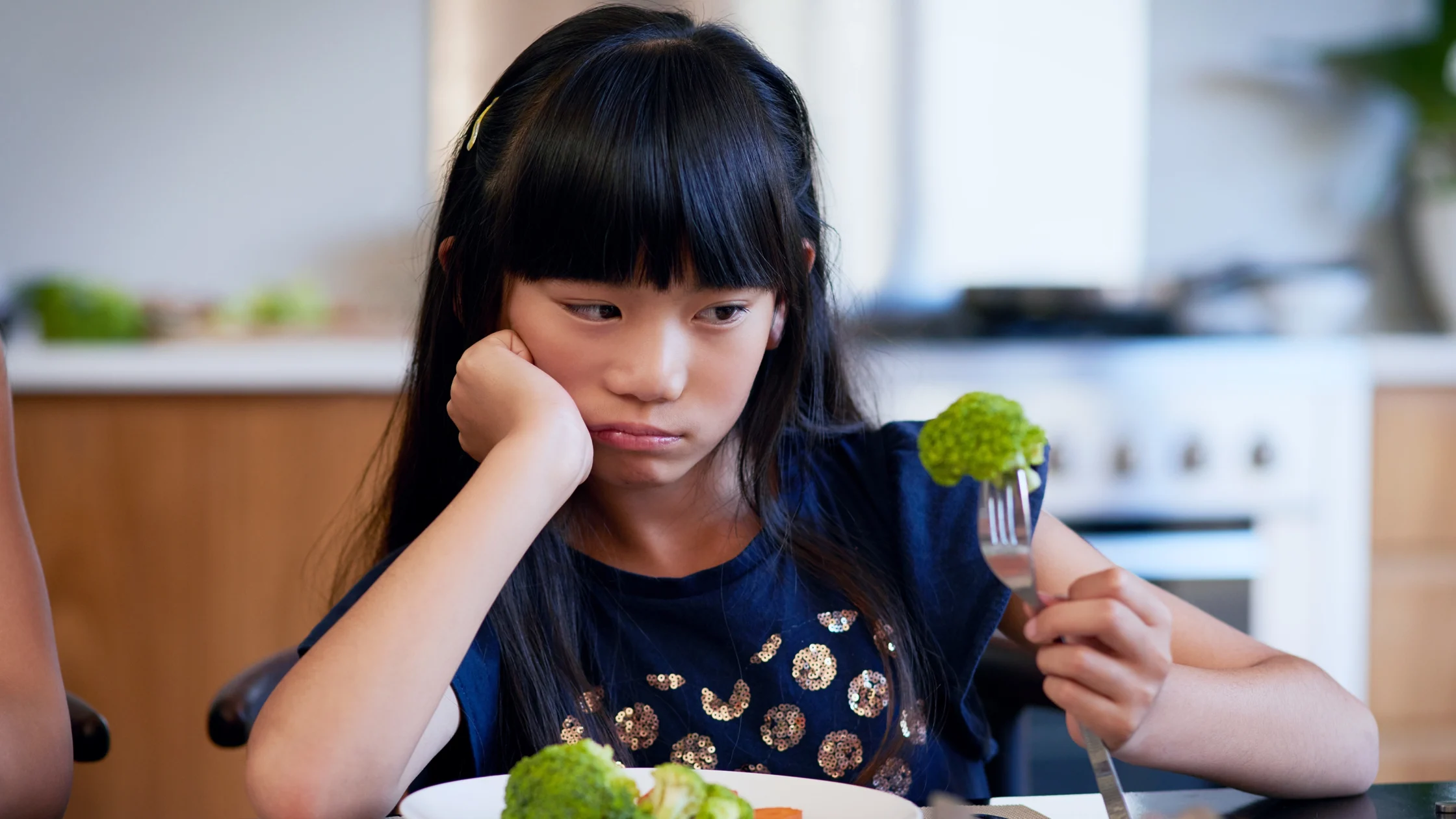
Picky Eaters, Meet Filipino Food: How to Introduce Kids to Local Dishes



Here’s how we can get kids to be more open to Filipino food.
Most kids nowadays have a preference for Japanese or American food. Why? Japanese food always has that artistic and colorful presentation—even integrating familiar cartoon characters into their food. Then, American food because it’s fast and somehow always loaded with cheese. Chinese and Italian food may be a close third, but Filipino food is rarely the winner for the kids’ choice award in the Best Food category.
And honestly, it’s not entirely their fault. Filipino food is known to have rich flavors, unfamiliar textures, and not always “kid-friendly” at first glance. It’s a lot worse when they’re picky eaters. Every parent of a picky eater knows this scene: we cook something with love, set it on the table… and our kid looks at it like it’s a culinary war crime.
But here’s the good news: kids can learn to love local dishes. It just takes a little strategy, a little patience… and a lot less pressure.
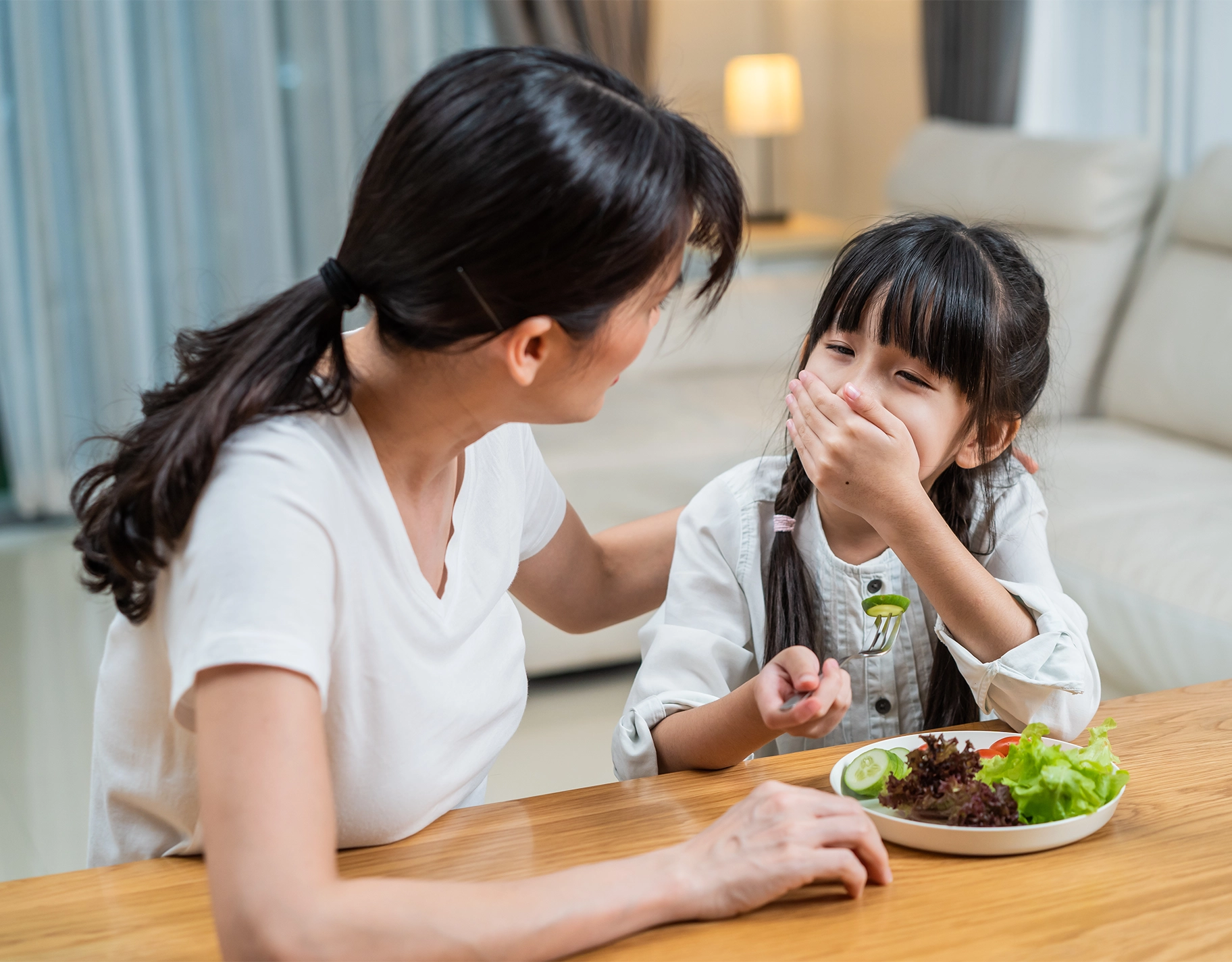
Why Filipino Food Offends Most Picky Eaters
Filipino cuisine is playful and explosive. Whether it’s with textures, aromas, or flavors, it doesn’t help that some dishes do look like a mess. So, for kids used to nuggets, fries, or anything beige, dishes like adobo, sinigang, or pinakbet can feel overwhelming. Remember Disgust from Inside Out? She and Fear are probably staring at the food, slack-jawed.
So when the kids scream “Ayoko,” it’s rejection based on uncertainty. Not actual hate.
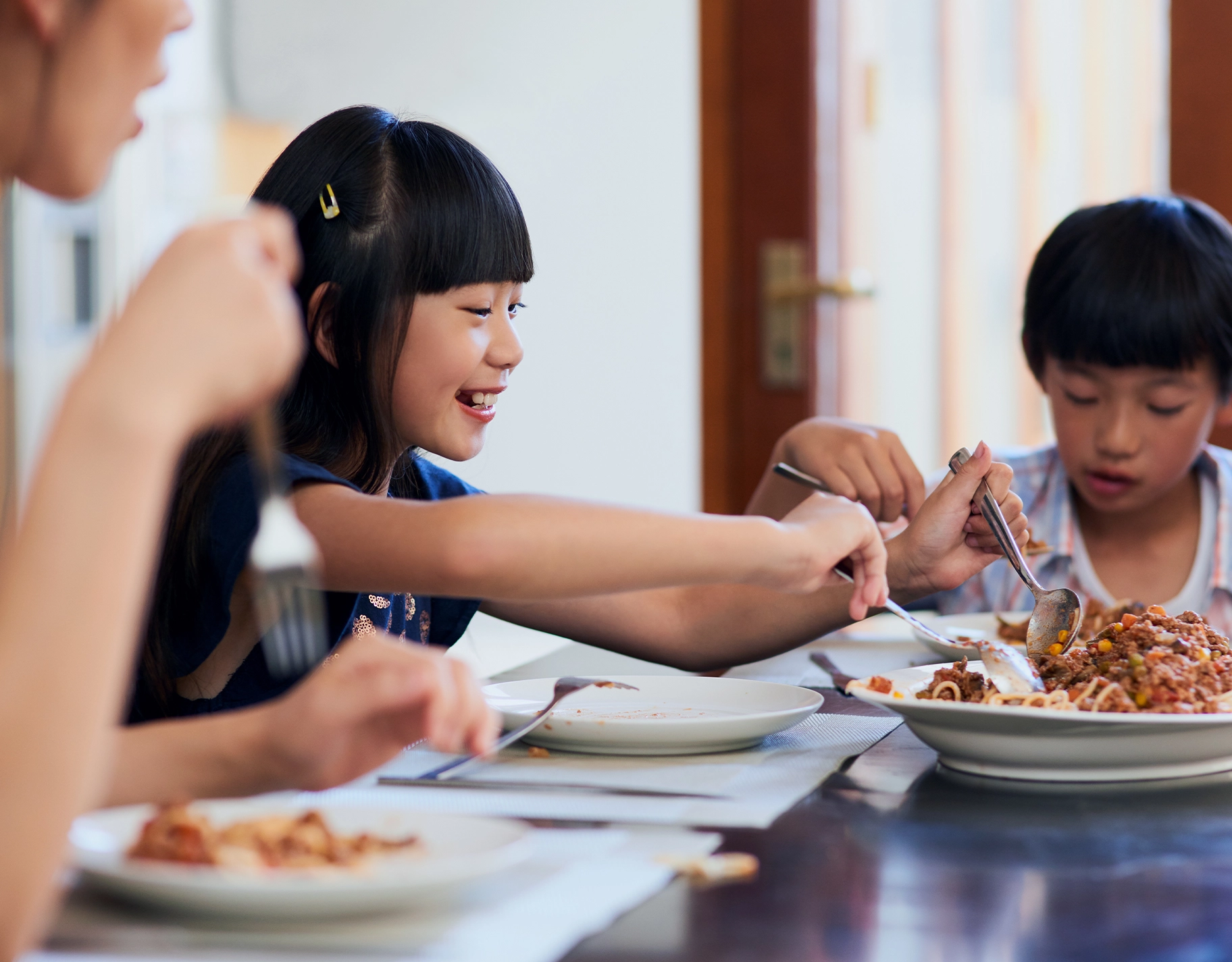
7 Smart Ways to Introduce Filipino Food to Picky Eaters
1. Eat It Yourself First (and Enjoy It)
“Monkey see, monkey do” — it’s a biologically built-in mechanism to help humans survive. It’s just that for kids, it works on overdrive because they haven’t met the flavors yet.
So, it’s our job to taste-test. If they see you enjoying your food, there’s a higher chance they’ll get curious. But if you’re forcing vegetables onto their plate while avoiding them yourself? They notice that too. Forget negotiating. Just eat the food and enjoy.
It kind of helps if they have a sibling. Just make sure to reward the sibling a little bit for being a “good sport.”
2. Start With the Most Colorful Dishes
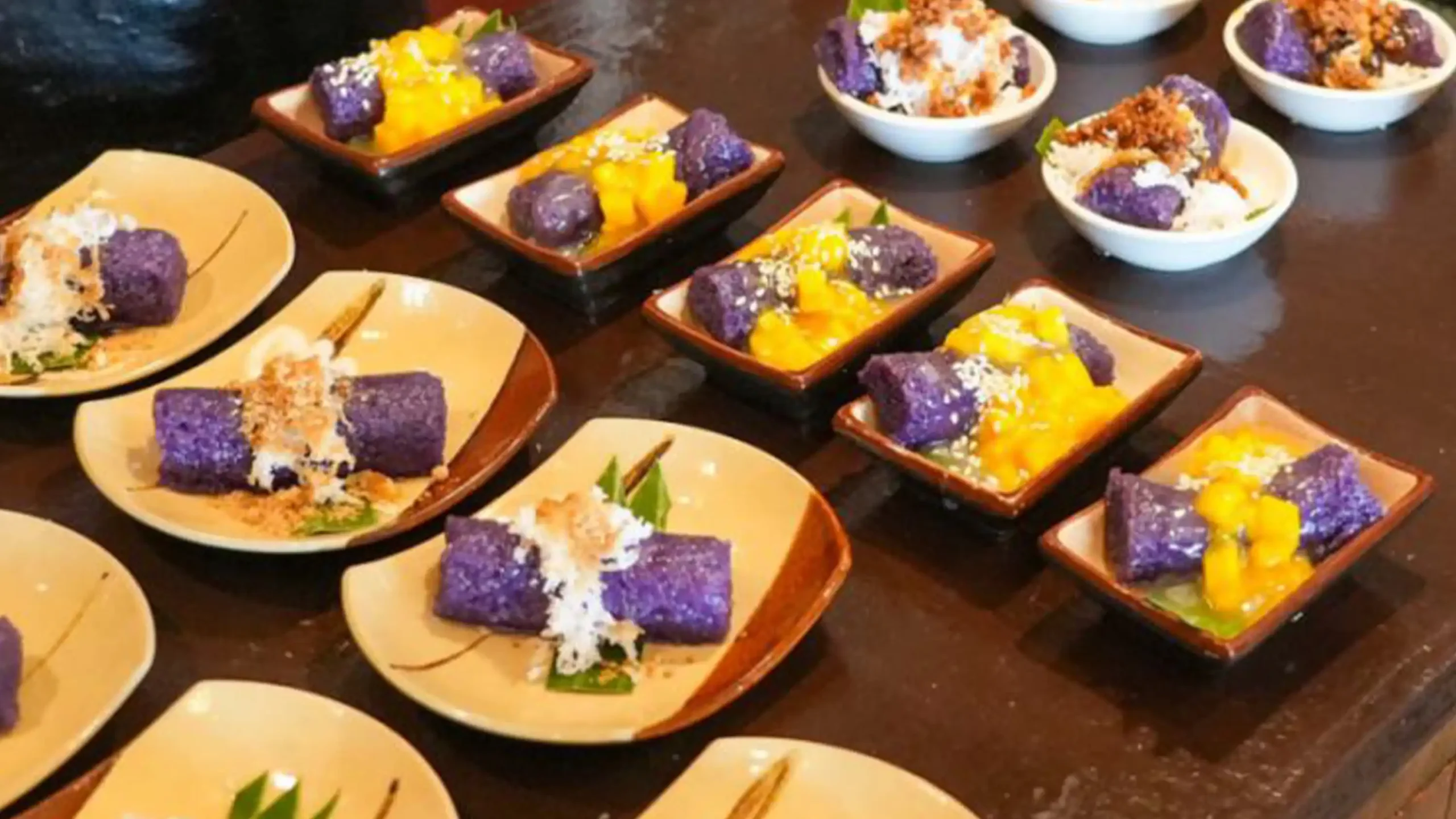
Kids eat with their eyes first.
Bright, vibrant dishes feel less intimidating and more “fun.” Think:
- orange squash in ginataan
- bright greens from kangkong
- golden fried dishes
Color signals excitement. Use it.
3. Pair It With a “Safe” Favorite
New food will always look scary. But pairing it with a safe food builds a bridge to make the food more fun to enjoy. Sure, it may offend people at first sight, but if it gets them to try it, then it works.
Some examples include grated Quickmelt cheese on Kaldereta, banana ketchup with Sinugbang Bangusilog, or chicharon with adobong kangkong.
4. Always Have a Fruit Shake on the Side
Every parent swears by the secret weapon for picky eaters: fruit shakes.
Ripe mango shakes will always be the MVP for parents with picky eaters. It’s cold, sweet, and fruity—so technically, it is kind of healthy. Plus, it kind of resets the kid’s palate so they don’t feel the oiliness or the aftertaste so much.
5. Keep Portions Small (Like, Really Small)
Some kids get overwhelmed by the sheer amount of food. Unfortunately, Filipinos love a full-on fiesta. Even if it’s just dinner at home.
So, when serving kids food, keep the portions small and in twos. The pares concept, wherein it’s ulam + rice, makes it easier for kids to process flavors since rice doesn’t really have a flavor.
6. Let Them Explore Without Forcing
They might poke it. Smell it. Mix it with rice. Ignore it.
Let them.
Exposure matters more than immediate acceptance. The goal isn’t to make them love it today—it’s to make it familiar.
7. Make It a Story, Not a Lecture
Every dish has a story—especially Filipino ones. Years of trial and error or serving them as the traditional toka for Christmas or family dinners are how these dishes earn their merits.
Instead of saying “Kain na,” try:
- “Your lola used to cook this.”
- “It’s like the one we ate in (insert familiar restaurant here).”
Once kids have an idea to anchor on, things are a lot easier for them to process.
The Love-Hate Relationship Between Filipino Food and Kids
Let’s be honest: Filipino food isn’t always love at first sight, especially for picky eaters. Some dishes look like something straight out of Fear Factor. They’ll look confusing, and it doesn’t help that the same dish can look—and taste—completely different depending on where it’s from. One family’s adobo isn’t another’s. One version is dry, another is saucy. For kids, that inconsistency can either be fun or incredibly annoying.
So no, not every attempt will work. Some days, they’ll try it. Some days, they won’t even touch it. That’s okay; they’ll get used to it eventually.
And for parents, there’s another layer to this: recreating Filipino food isn’t always easy either. Not every recipe turns out the way we remember it. It’ll definitely take a lot of trial and error; a lot of burned pans, rock-hard meat steaks, mushy and bony fish, and maybe wilted vegetables. So, cooking these will send us on a journey back to the source: asking Lola how it’s really done. No shame in that. In fact, that’s part of the tradition.
Because once the kids realize Filipino food isn’t an alien delicacy, they will start branching out. Which, let’s be honest, the more they do, the more food choices they have, and most of all—the less they’ll starve.
Frequently Asked Questions
Filipino dishes often have strong flavors, mixed textures, and unfamiliar presentation, which can overwhelm picky eaters used to simpler meals.
Start small, model eating behavior, use colorful dishes, and pair new food with familiar favorites to make it less intimidating.
Fruit shakes—especially mango shakes—help balance flavors and make the experience more enjoyable for picky eaters.
Some kid-friendly Filipino dishes can include Kaldereta with Cheese, Ginataang Kalabasa, Bulalo, and most silog dishes, really.
Expect trial and error. Don’t hesitate to ask older family members, like lola, for guidance—recipes are often passed down through experience.
More about Filipino food?
Fish Be With You: How to Make Delicious Filipino Fish Dishes for the Family
International Celebrities Raving About Filipino Food
The Holiday Foods That Taste Like Filipino Family Traditions