7 Easy Vegetables to Add to Everyday Dishes for More Fiber and Nutrition



Looking for easy ways to get more vegetables into your family’s meals? These budget-friendly, low-prep vegetables can boost fiber, vitamins, and minerals without adding extra work in the kitchen.
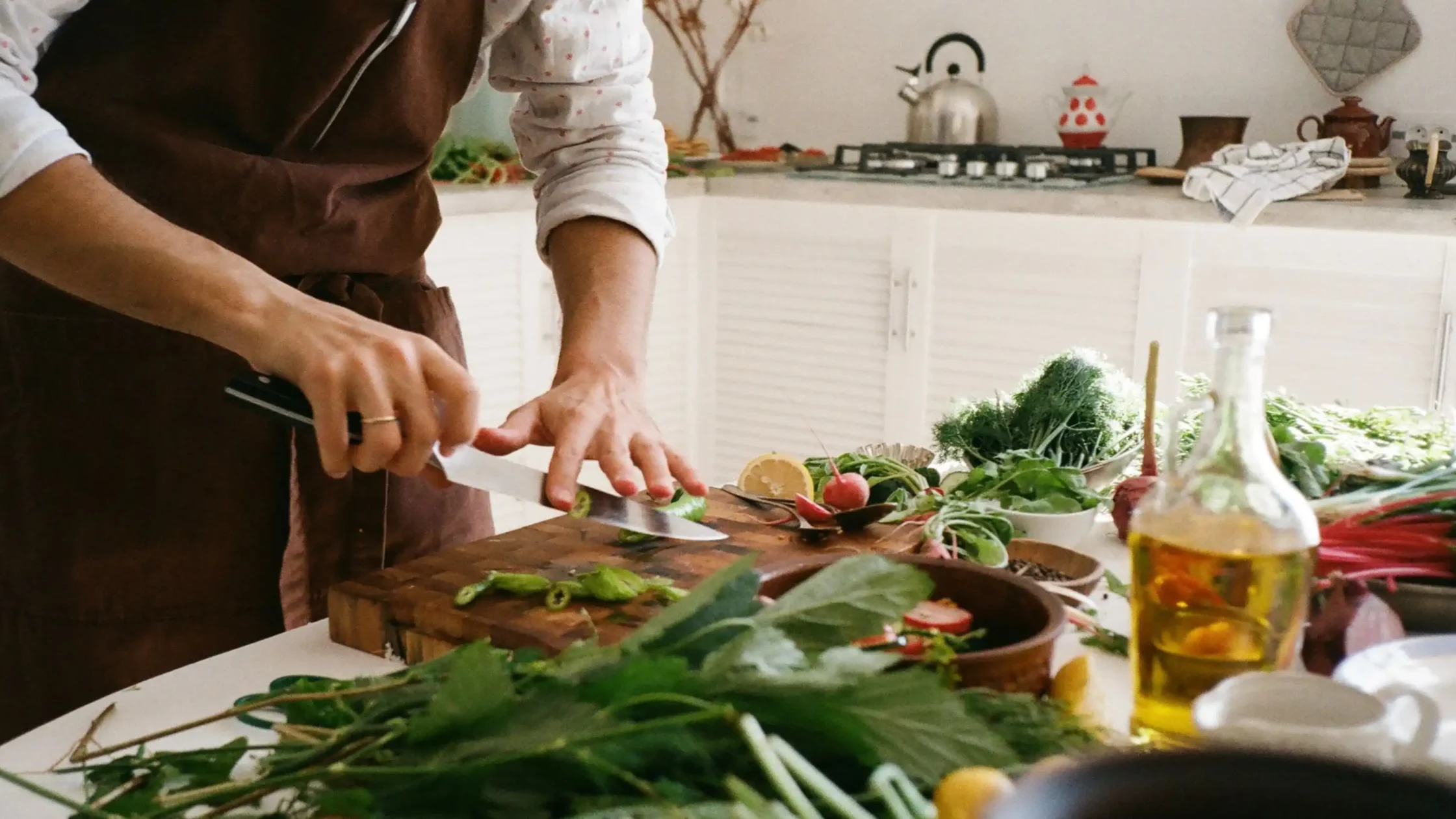
Getting kids to eat vegetables doesn’t always mean serving a separate side dish. Some of the easiest vegetables blend naturally into soups, stews, noodles, rice meals, and omelets with very little washing, chopping, or preparation.
If you’re trying to add more fiber and nutrients to your family’s diet without spending extra time in the kitchen, these vegetables deserve a spot on your grocery list.
7 Easy Vegetables to Add to Everyday Dishes

1. Moringa (Malunggay)
Fresh or frozen malunggay leaves cook in minutes and work well in soups, lugaw, tinola, and scrambled eggs. They’re rich in vitamin A, vitamin C, calcium, iron, and antioxidants that support healthy growth and immunity. A little trick to prep it fast? Thread a branch of malunggay through a cheese grater to remove the leaves so you don’t have to pick them off one by one.
2. Monggo
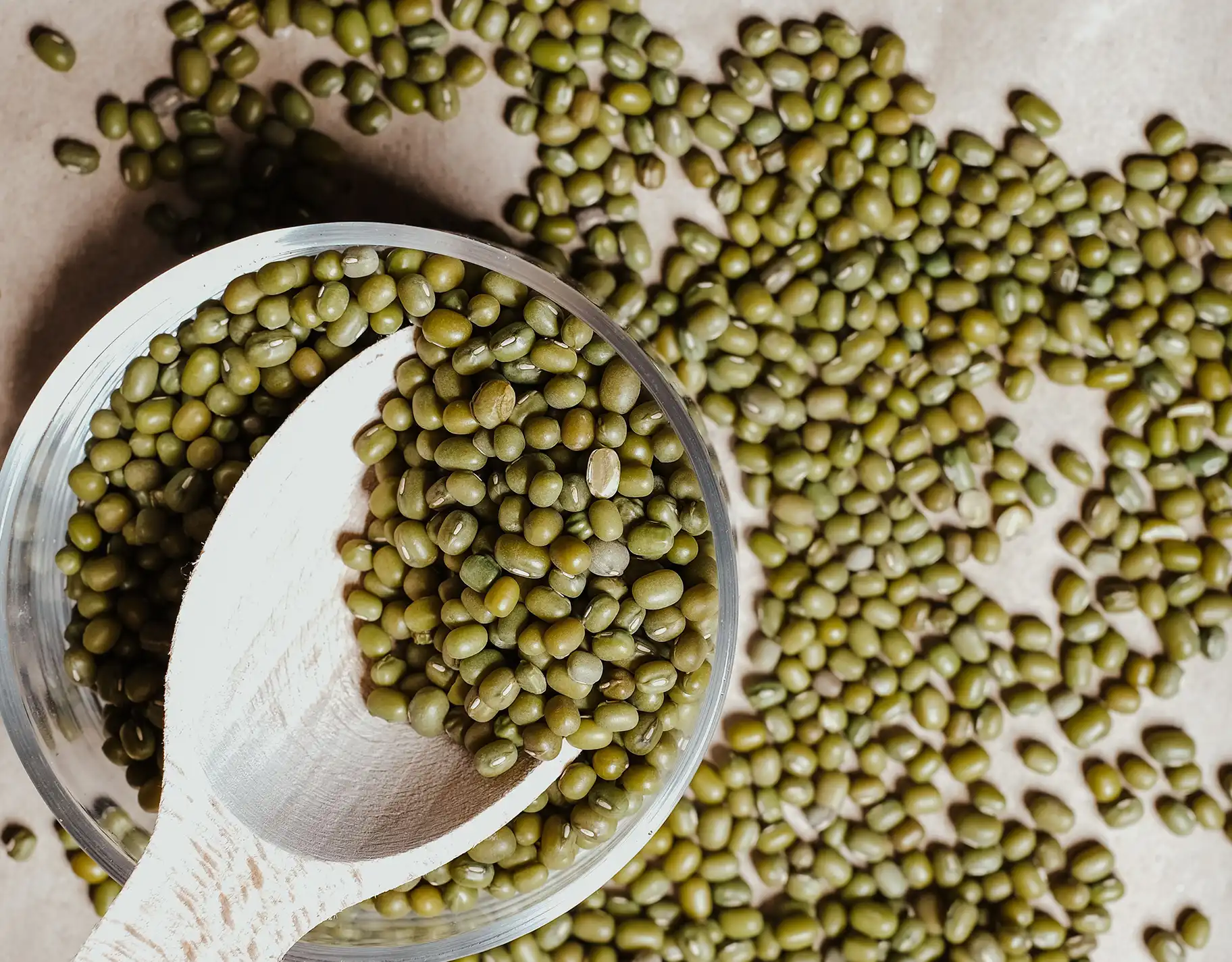
Although technically a legume, monggo is an easy pantry staple packed with fiber, plant protein, folate, magnesium, and iron. Add it to soups, stews, or even mix it into rice dishes for a filling meal. What you can do so they cook faster is to steam it with the rice in the rice cooker. Technically, it takes over 30 minutes to an hour to make them soft which is almost the same time it takes to steam rice.
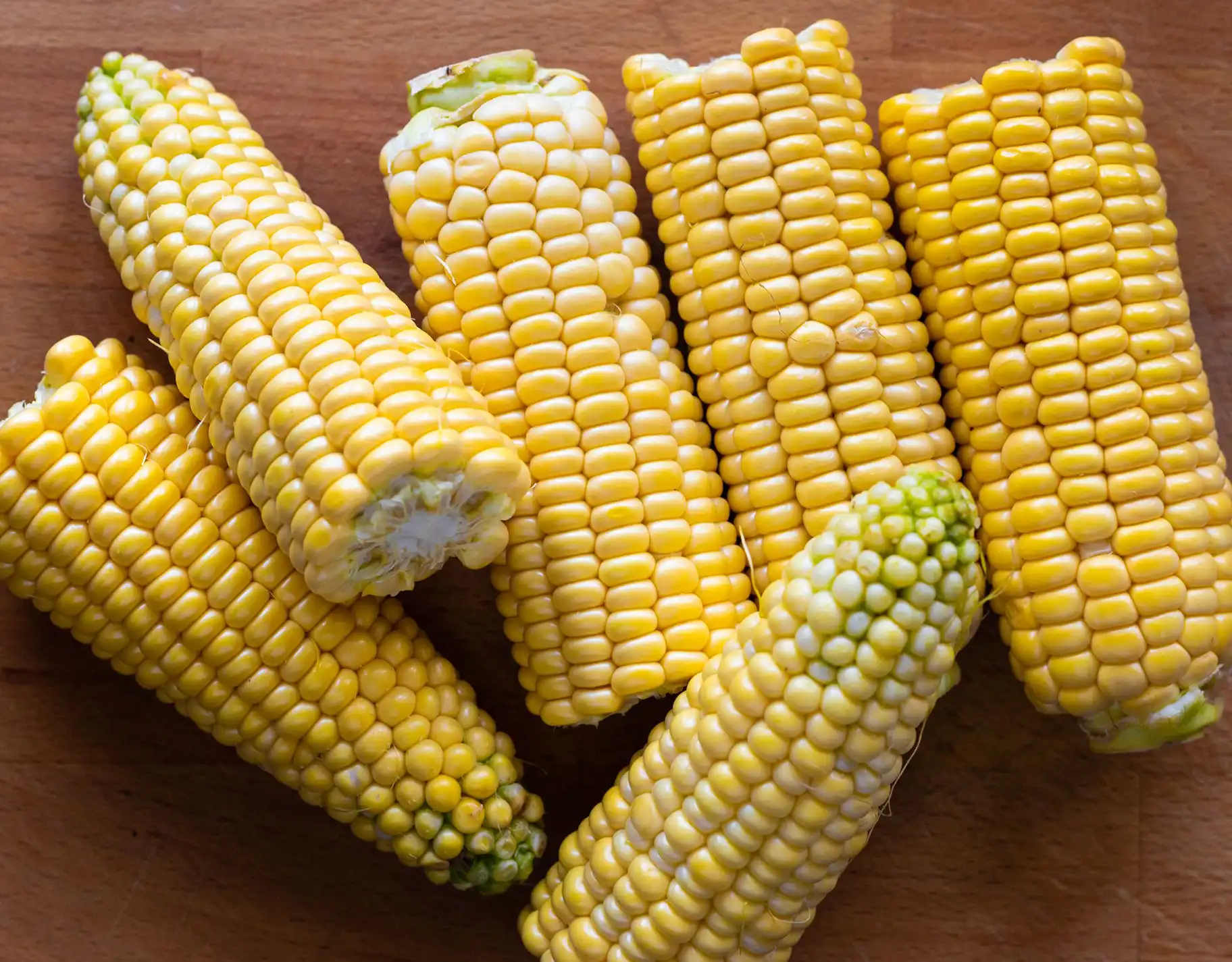
3. Corn
Frozen or canned corn requires almost no prep. Toss it into fried rice, pasta, soups, or chicken dishes for a touch of sweetness kids often enjoy. Corn provides fiber, vitamin B vitamins, lutein, and energy-boosting carbohydrates.
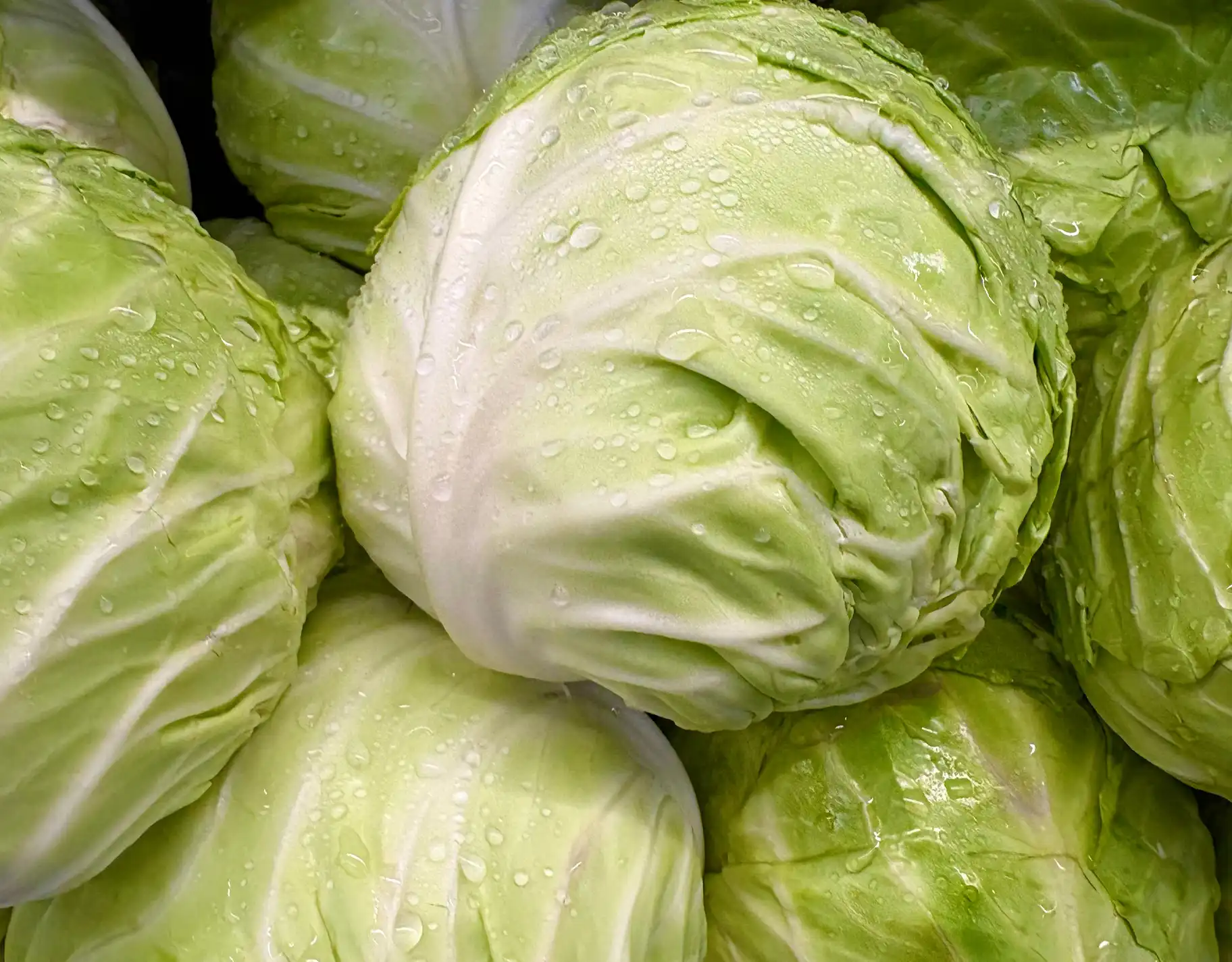
4. Cabbage
A quick rinse and rough chop are all cabbage needs. It cooks quickly in stir-fries, noodles, soups, and fried rice. Cabbage is rich in vitamin C, vitamin K, fiber, and antioxidants.
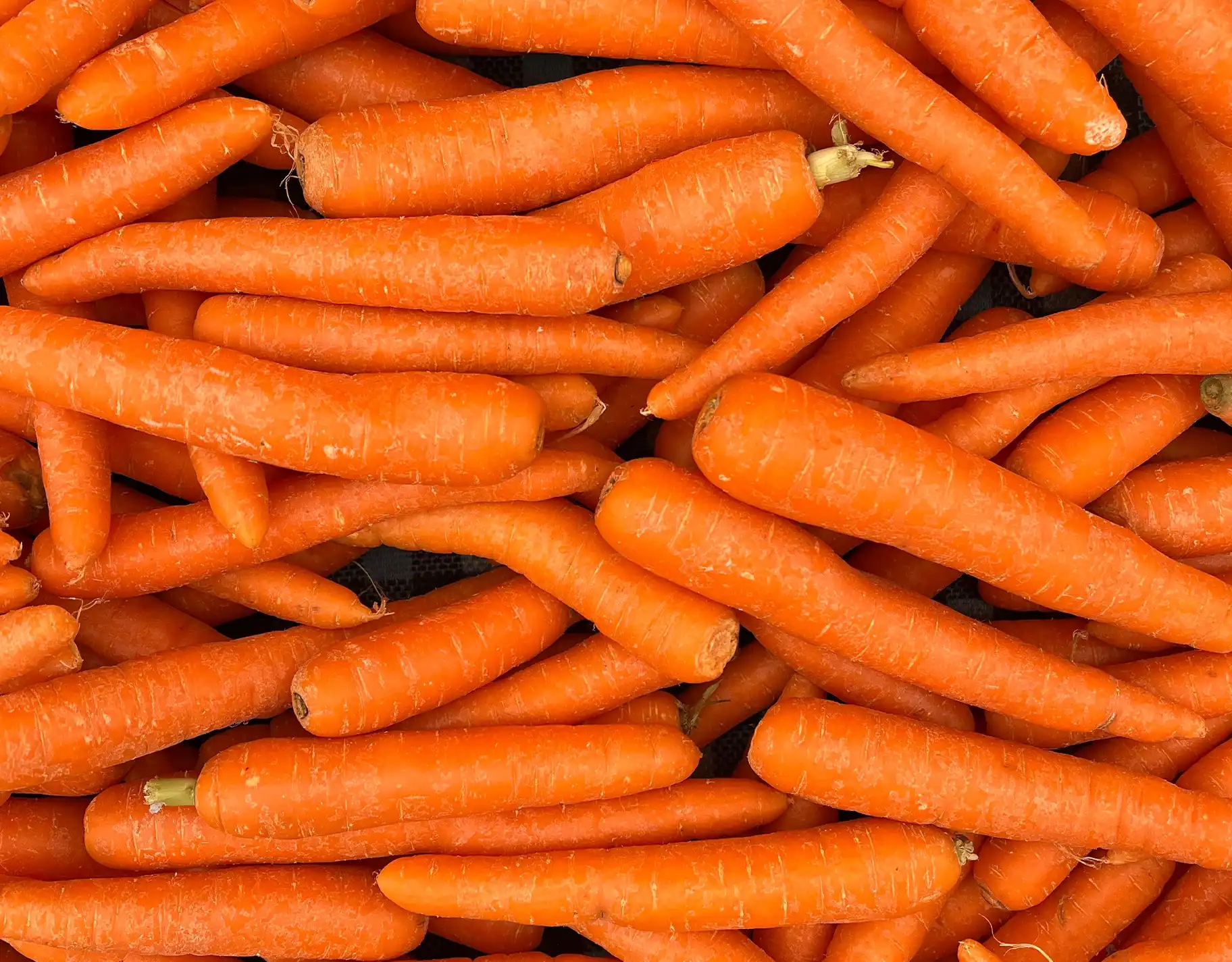
5. Carrots
Pre-cut or whole carrots are easy to grate, dice, or slice into almost any meal. Add them to spaghetti sauce, fried rice, meatballs, or soups. Carrots are an excellent source of beta-carotene (vitamin A), fiber, and potassium. Instead also of chopping carrots, grate them so they cook faster.
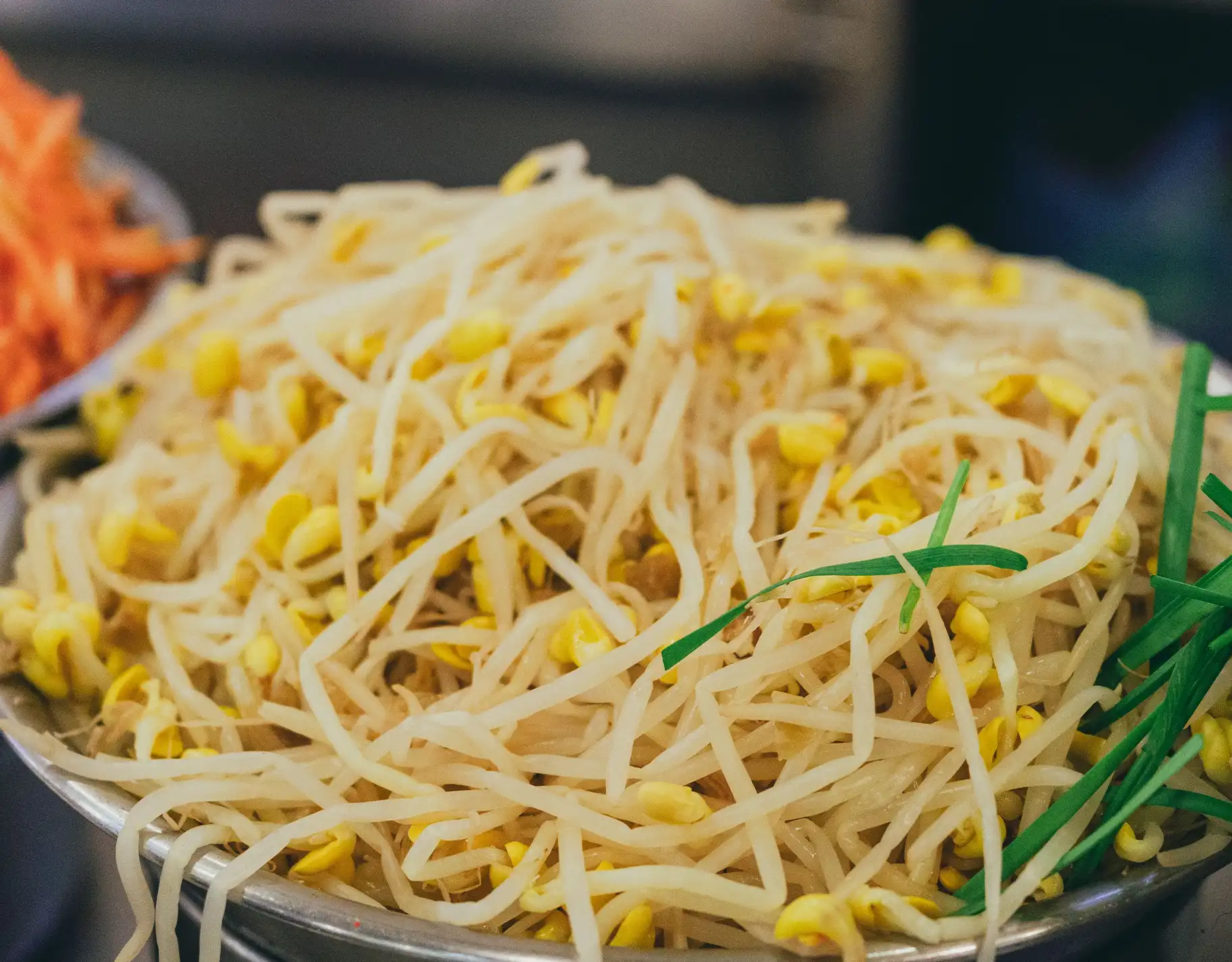
6. Bean Sprouts (Toge)
Bean sprouts only need a quick rinse before cooking. They add crunch to stir-fries, noodle dishes, and lumpia fillings while providing vitamin C, folate, fiber, and plant protein. It can even be the quick Korean-style bean sprouts: sesame oil, a tsp of sugar, a tsp of salt, and a dash of pepper.
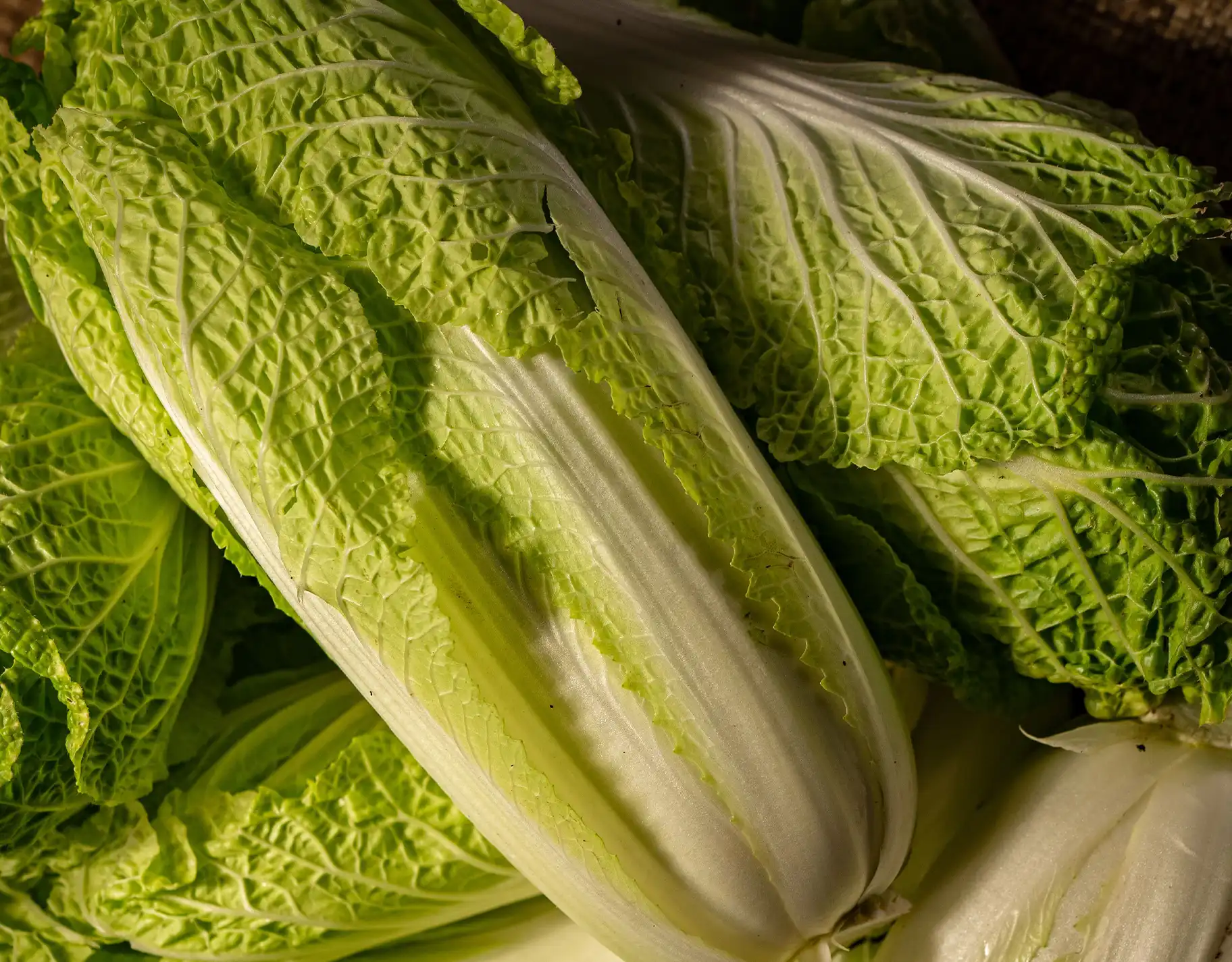
7. Pechay Wombok (Napa Cabbage)
Napa cabbage has tender leaves that cook in just a few minutes, making it perfect for soups, hot pots, stir-fries, and noodle dishes. It’s rich in vitamin C, vitamin K, folate, and fiber.
Small Additions Can Make a Big Difference
Adding vegetables doesn’t have to mean preparing elaborate meals. Keeping a few easy-to-cook vegetables in your refrigerator or pantry makes it simple to increase your family’s fiber intake, vitamins, and minerals—one dish at a time. Even small handfuls added consistently can help children build healthier eating habits while making family meals more nutritious.
Frequently Asked Questions
Malunggay, cabbage, carrots, corn, bean sprouts, napa cabbage, and monggo are among the easiest because they cook quickly and pair well with many dishes.
Monggo, cabbage, carrots, corn, and napa cabbage all provide dietary fiber that supports healthy digestion.
Mix finely chopped or grated vegetables into soups, pasta sauces, fried rice, meatballs, omelets, or stews where they’re less noticeable.
Yes. Malunggay is rich in vitamin A, vitamin C, calcium, and iron, making it a nutritious addition to family meals.
Keep leafy vegetables refrigerated and dry, store carrots in the crisper drawer, refrigerate bean sprouts and use them quickly, and keep frozen corn on hand for convenient cooking. Most importantly, make sure they stay dry so they don’t get moldy.
More about vegetables?
How Families Can Make Vegetables Last Longer at Home
10 Vegetables That Are Good Rice Substitutes | Modern Parenting
6 Easy Recipes To Get Kids To Eat Vegetables