How Childhood Photos Can Help Parents Reflect and Meditate



Sometimes, the answers to our parenting problems can be found in childhood photos
At first, the act of looking at our childhood photos seems simple. We look at old pictures and remember a few moments. But if we slow down, we start noticing more: how we behaved, how adults responded to us, and what situations seemed to bring out strong emotions.
Then, we have that eureka moment: “Doesn’t that look familiar?”
Once again, we see proof of nature versus nurture: some childhood patterns are in our kids because they inherited them from us genetically. So, nurture-wise, it makes sense to use some of the old ways we’ve observed growing up.
Where This Trend Comes From
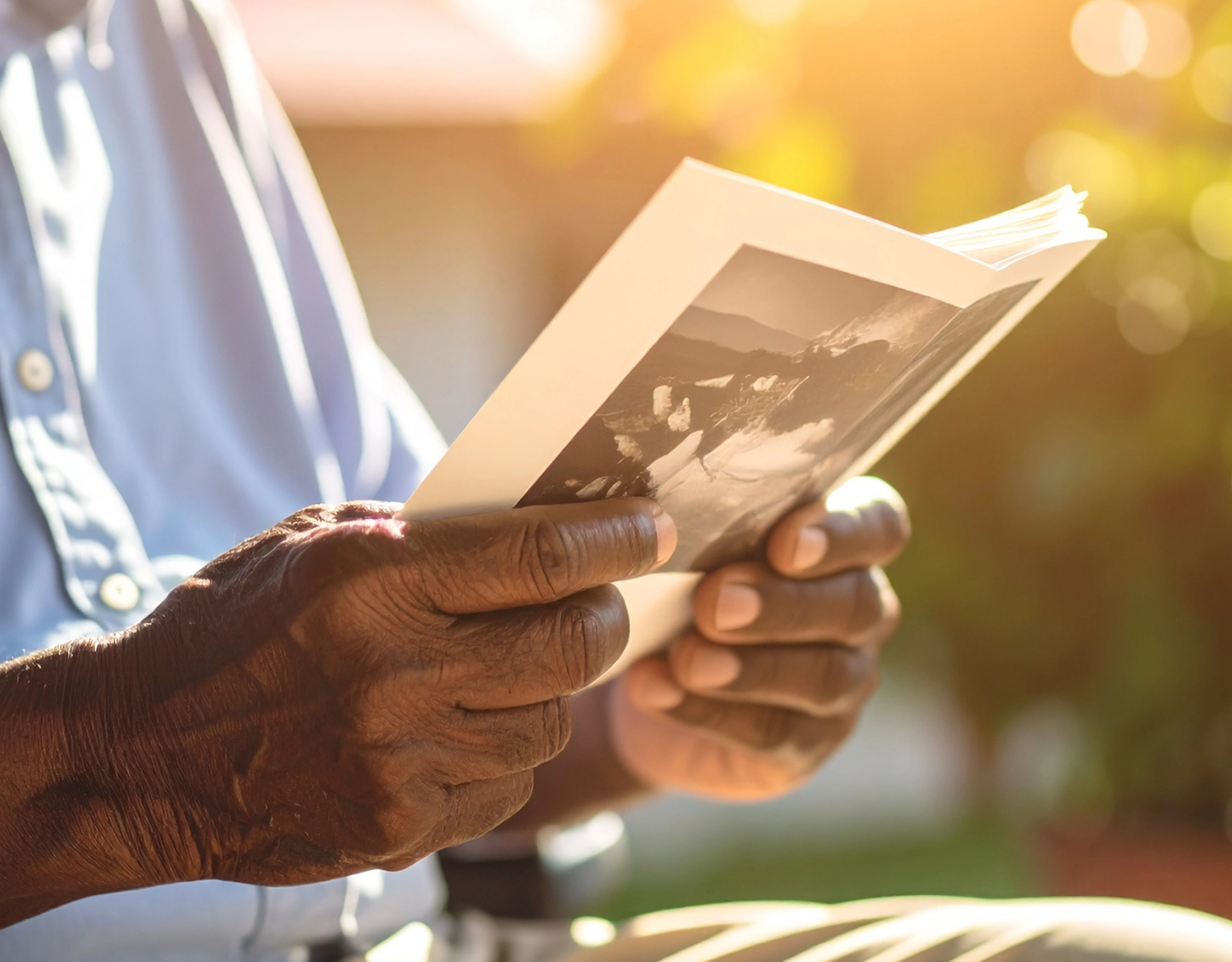
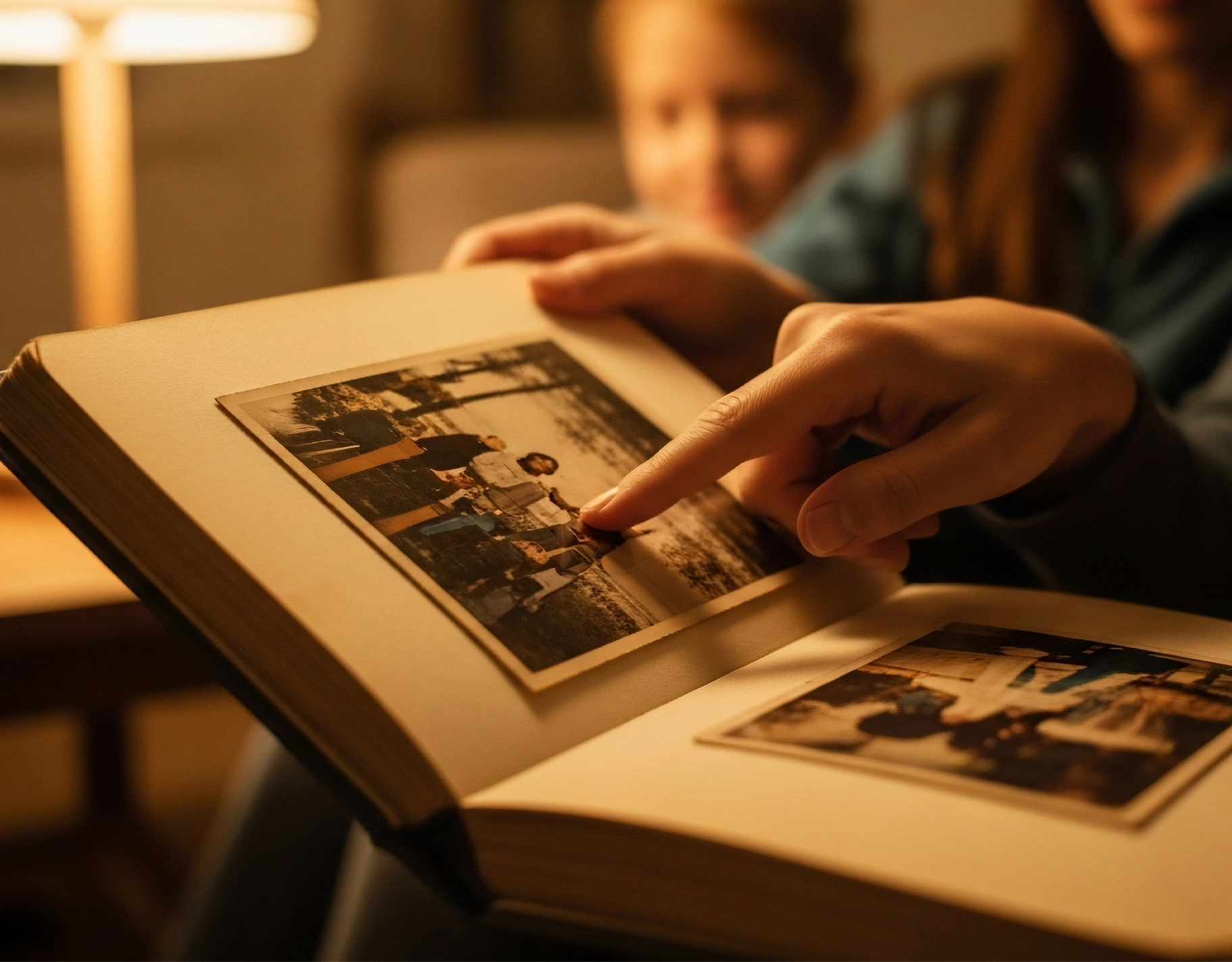
We’ve probably heard the term “inner child work” so many times, and there are so many ways to do it. Journaling is one of the few, along with meditation and sometimes, indulging the childhood hobbies we were shamed for, now that we have money. But the most basic form can come from just looking back at a childhood album and enjoying the nostalgia of the good times.
Photos are often used because they provide a more objective reference point. Memory alone isn’t always reliable—we tend to forget, exaggerate, or reinterpret past experiences. A photo, on the other hand, captures a specific moment in time that we can revisit more clearly.
It’s not about overanalyzing every image. It’s about using them as prompts for reflection.
What Psychological Theories Support It
There are a few established concepts behind this approach:
Inner Child Theory
Originating from psychologist Carl Jung, the theory often dubbed the inner child as the “divine child.” It explains how early emotional experiences continue to influence adult behavior. Unmet needs from childhood can resurface later, especially in stressful situations—like parenting.
Attachment Theory
Developed by John Bowlby, this theory explains how early relationships with caregivers shape how we form connections. Looking at childhood interactions can offer clues about how we respond to closeness, conflict, or emotional needs.
Memory Reconstruction
Memory reconstruction, according to Frederic Bartlett, is an active process, not a passive one. As we consciously try to retrieve information, it helps to have a physical anchor (the photo) to encourage accuracy of the information we recall.
How Parents Can Use This for Reflection
When you look at your childhood photos, try asking a few basic questions:
- What was happening in this moment?
- How did I seem to feel?
- How were the adults around me responding?
The goal isn’t to judge your parents—or yourself.
It’s to identify patterns.
For example:
- Did you respond well to encouragement or structure?
- Were your emotions acknowledged or dismissed?
- What environments made you feel comfortable?
These observations can help you understand your own instincts as a parent—especially the ones that feel automatic.
Sorting the Past So You Can Parent With Clarity
Looking back at our childhood can answer a lot of questions. Besides the good vibes from nostalgia, it can also answer why our kids throw tantrumsTantrumsSudden outbursts of crying, screaming, or flailing, common in toddlers who cannot yet express big feelings. Staying calm, keeping the child safe, and talking afterward help, and clear routines and the way they do or behave in ways we’re sure didn’t come from the kids or us as adults. A lot of times, our kids’ behaviors stem from how we behaved as children. So, it often helps to ask:
- What worked?
- What made you feel safe, seen, or understood?
- What didn’t?
- What are some of your more instinctive patterns?
Unfortunately, what makes this hard is when parenting runs on autopilot. We default to what we experienced—until we pause long enough to examine it.
Reflection gives you that pause.
It lets you keep the parts of your past that are worth passing on, while consciously letting go of the ones that no longer serve you or your child. Besides, not everything from the past needs fixing. Some of it just needs reappropriation and a bit of tweaking.
Frequently Asked Questions
It’s a practice where adults revisit old photos to better understand their emotions, behavior, and upbringing.
It helps parents identify patterns from their own childhood that may influence how they respond to their children.
Yes. It relates to inner child theory, attachment theory, and research on how memory works.
It helps having a therapist, but it’s something we can do on our own too.
That can happen. The goal is to reflect without judgment and try to identify both helpful and unhelpful patterns.
More about inner child work?
Rishma Dhutti: Healing and Empowering Her Inner Child
How Rajo Laurel Finds Inspiration Through Curiosity
Childhood Hobbies: How These Heal Our Inner Child