Sandy’s Bill: What Every Parent Needs to Know About the Child Tourist Safety Act



After a tragedy in Palawan inspired new legislation, the Senate just passed Senate Bill 1926 to ensure our family trips are safer than ever
When we pack our bags for a quick weekend beach getaway or a long family holiday, our main goals are simple: let the kids unwind, snap cute photos, and build core memories. But behind every itinerary, a parent’s top priority remains unchanged—keeping our children safe.
We can pack all the sunscreen, water shoes, and portable first-aid kits we want, but what happens when a real emergency strikes and local venues aren’t equipped to help?
That painful reality inspired Senate Bill 1926, officially known as the Child Tourist Safety Act (or Sandy’s Bill). Passed by the Senate on its third and final reading on September 14, 2026, this landmark legislation aims to ensure that no family ever experiences a tragic, preventable loss while on vacation
The Heartbreaking Story Behind “Sandy’s Bill”
Legislative bills often sound clinical, but Sandy’s Bill carries a deeply personal story every parent can empathize with.
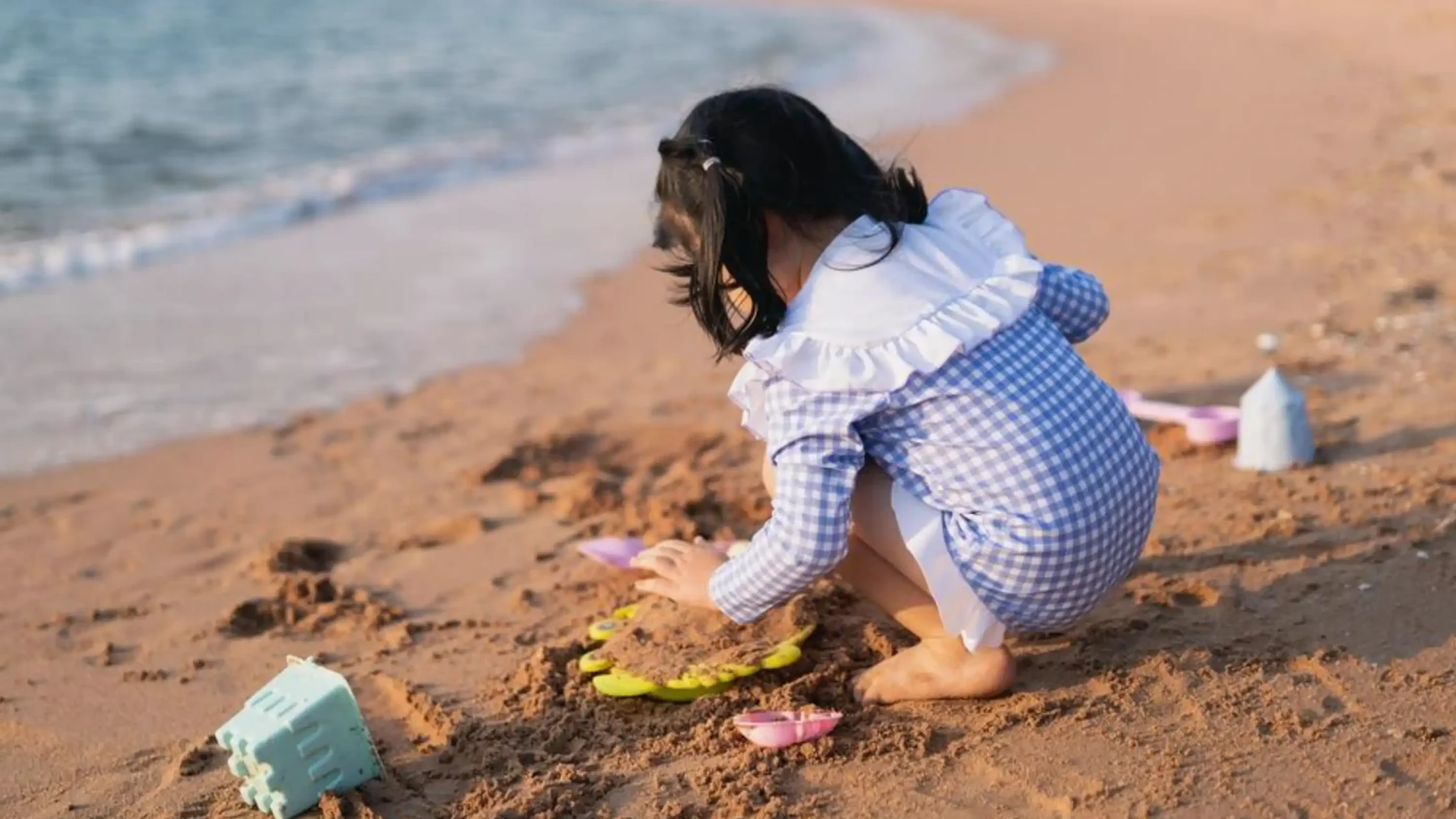
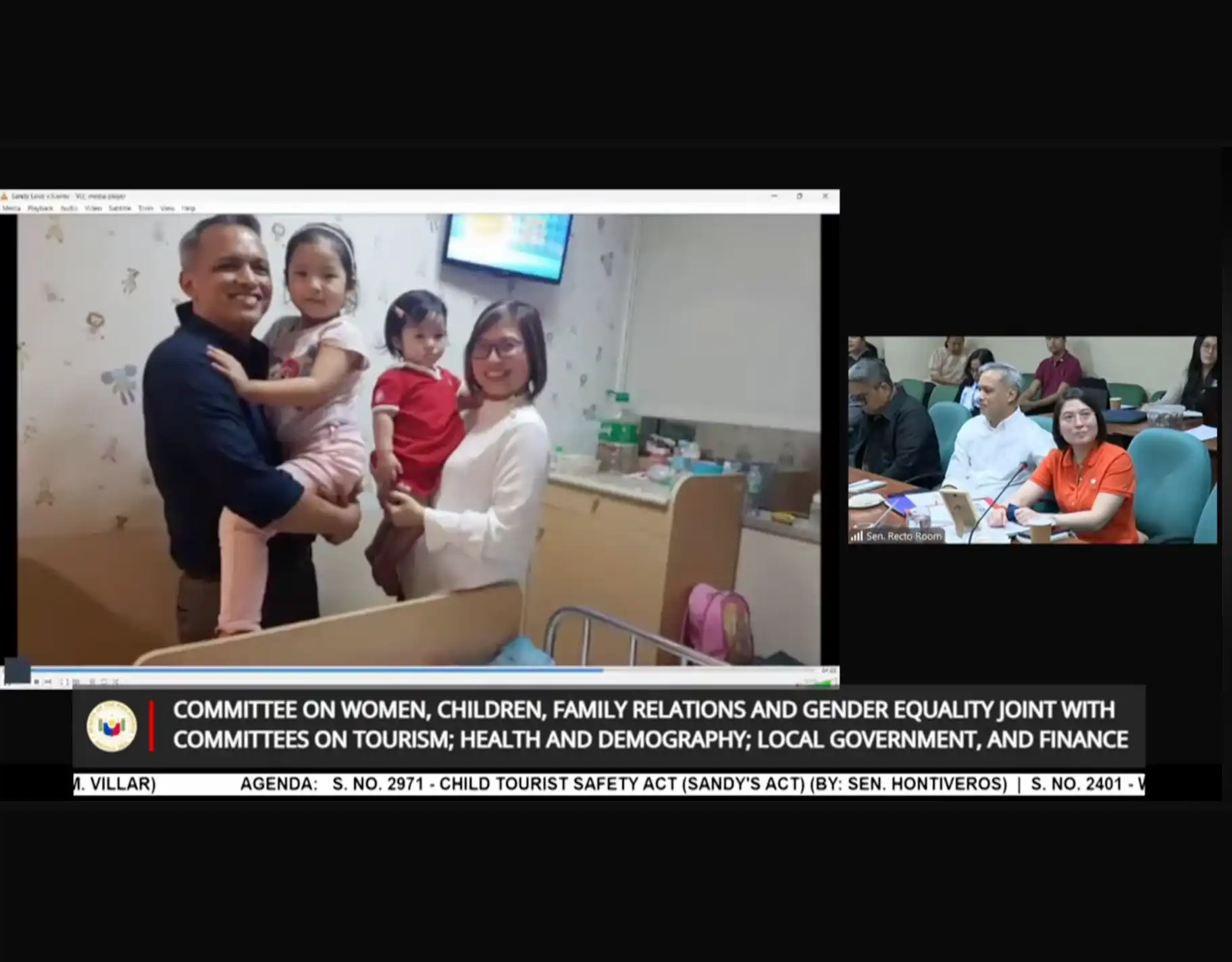
In October 2023, six-year-old Sandy Garrovillas was on vacation with her family in San Vicente, Palawan, when she was stung by a jellyfish. The severe allergic reaction required immediate, specialized emergency intervention—assistance that was unavailable at the location. Sadly, Sandy lost her life.
Sandy’s story revealed a crucial gap in our tourism sector: while the country shines in warm hospitality and beautiful destinations, many spots lack basic emergency medical infrastructure. SB 1926 was crafted so that Sandy’s memory becomes a protective shield for every child traveling across the Philippines.
What Is in the Child Tourist Safety Act?
Under Senate Bill 1926, safety measures become mandatory protocols rather than optional perks. Here are the key requirements that tourist establishments and destinations must implement:
- Emergency Plans: All tourist-related businesses that accepts minors must have a Tourism Emergency and Risk Mitigation Plan, ensuring “minors and other visitors, guests, or patrons are 17 provided with adequate and age-appropriate access to 18 medical, emergency response, and other healthcare 19 services, as well as protection from other risks such as marine, terrestrial, and structural hazards, abuse, 2 exploitation, and trafficking.”
- Medical Support: Sites must have medical access that are aged-appropriate, first-aid, trained medical staff, and certified lifeguards near swimming pools or water.
- Local Government Duty: All beaches, parks, waterfalls, and natural resources fall under the jurisdiction of the local government unit for safety enforcement.
- Safety Mapping: To prevent unforeseen accidents, tourist destinations must establish comprehensive safety maps. These maps identify high-risk zones—such as areas prone to jellyfish seasonal blooms, sudden drop-offs, or strong undercurrents—giving parents clear warnings before stepping into the water. This initiative involves multi-agency oversight, including: Department of Tourism (DOT),Department of Health (DOH), Department of the Interior and Local Government (DILG), Department of Environment and Natural Resources (DENR), Council for the Welfare of Children (CWC), and thePhilippine Statistics Authority (PSA).
Lawmakers on Why Safety Must Come First
Lawmakers highlighted that quick medical intervention can mean the difference between life and death during a trip.
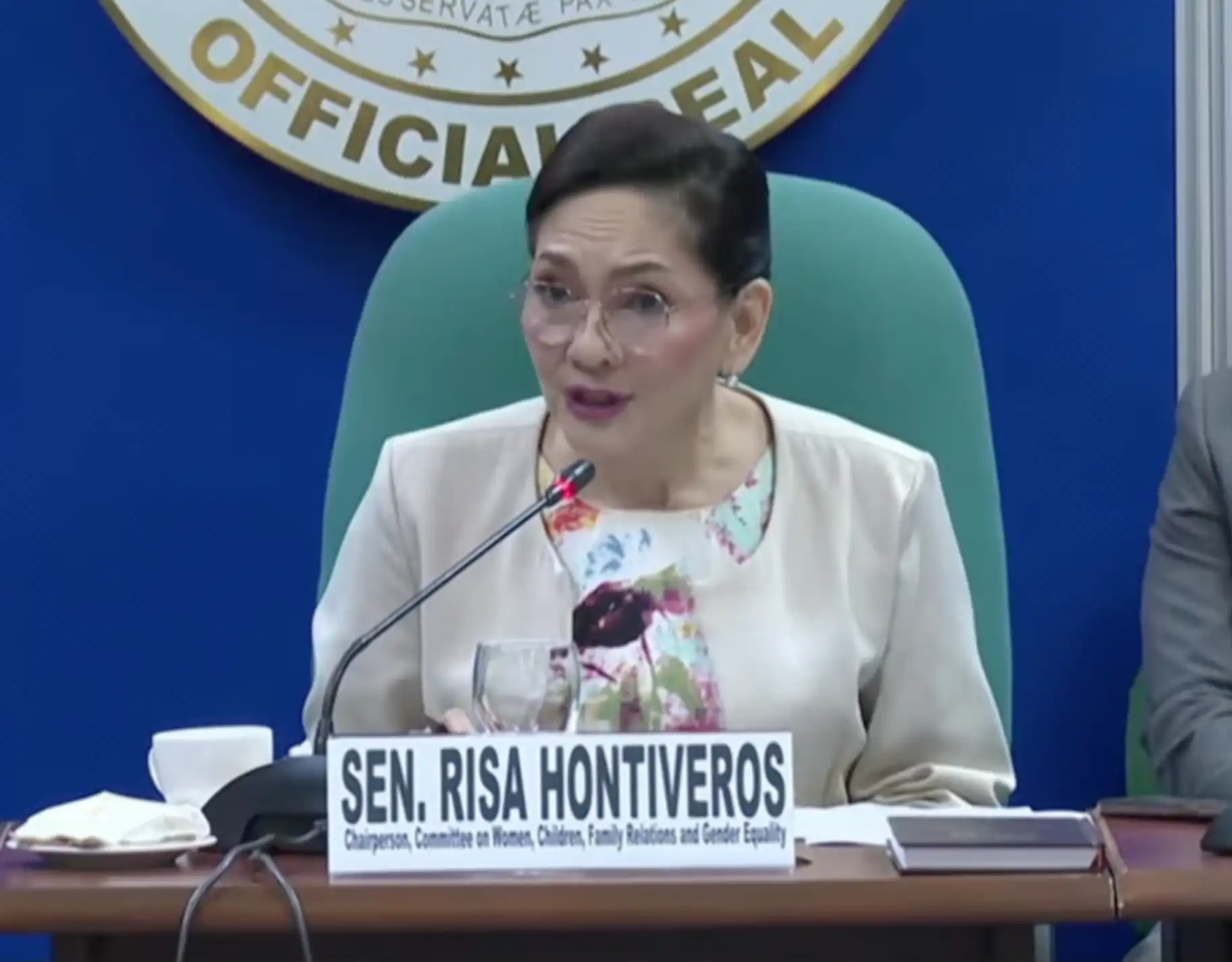
Senator Risa Hontiveros, the principal sponsor of the bill, emphasized the necessity of readiness: “”Sandy’s Act ensures that a response to any emergency is both immediate and adequate by requiring a certified staff presence at all times. Being prepared can no longer be merely optional… Sandy’s legacy will ensure that no other family will have to return from a vacation with a tragedy instead of a cherished memory.”
In an online update, Hontiveros added: “Pasado na ang panukala sa Senado! Umaasa tayo na ganap na maging batas na ito sa lalong madaling panahon.” (The proposal has passed the Senate! We hope it becomes a full law as soon as possible.)
Co-author Senator Mark Villar echoed this sentiment, stressing how proper safety infrastructure protects families while building trust in local travel: “Through Sandy’s Act, we will institutionalize immediate medical response and resources in identified tourism zones, so that we can avoid a repetition of what happened to Sandy and others.”
Peace of Mind for Filipino Families
Family vacations should be spaces for joy, bonding, and rest. The passage of the Child Tourist Safety Act offers parents added peace of mind, knowing that local destinations are held to higher accountability standards.
As this proposal moves toward becoming law, it reinforces a fundamental truth: no scenic view is worth compromising our children’s safety.
Frequently Asked Questions
Senate Bill 1926, known as the Child Tourist Safety Act, is a legislative measure in the Philippines that mandates tourism destinations and businesses to implement emergency plans, station trained first-aiders and lifeguards, and provide immediate medical access to protect visiting children.
The bill was named after six-year-old Sandy Garrovillas, who died in 2023 following a severe allergic reaction to a jellyfish sting at a resort where immediate medical support was unavailable.
More on children’s safety
Bullying Prevention: Why This Local Comic Strip is a Game-Changer for Families
How Parents Can Help Kids Cope With Active Shooter Drills
DepEd Rolls Out Active Shooter Drill To Improve School Safety