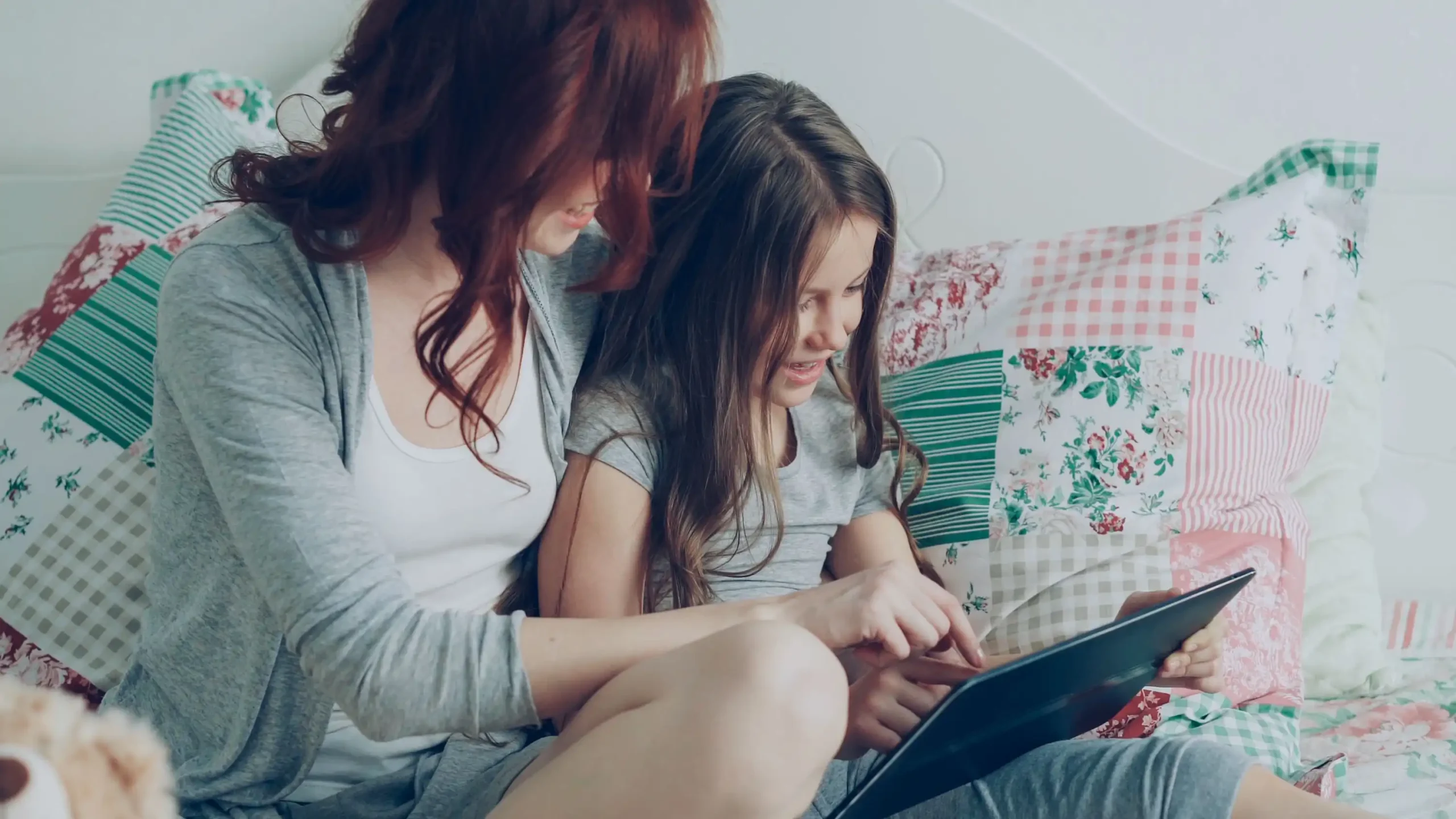
When Screen Turns Into Scream: Is Your Child’s Screen Addiction a Sign of Anxiety?



Behind every scroll — day or night — may be a child using screens to soothe an anxious mind.
When the anxiety started, it was through a stomachache
My daughter Suen was 12 when it started. She came home from a short trip with severe stomach pain. We ended up in the hospital.
The doctors called it IBS — irritable bowel syndrome — but even after treatment, the pain stayed.
Later, I realized it wasn’t just her stomach that was hurting. It was her body’s way of saying, “I’m not okay.”
When everything changed
The real test came when she entered secondary school.
The main language was Bahasa Melayu, not Chinese like before. Her grades fell, she struggled to fit in, and soon, she was bullied.
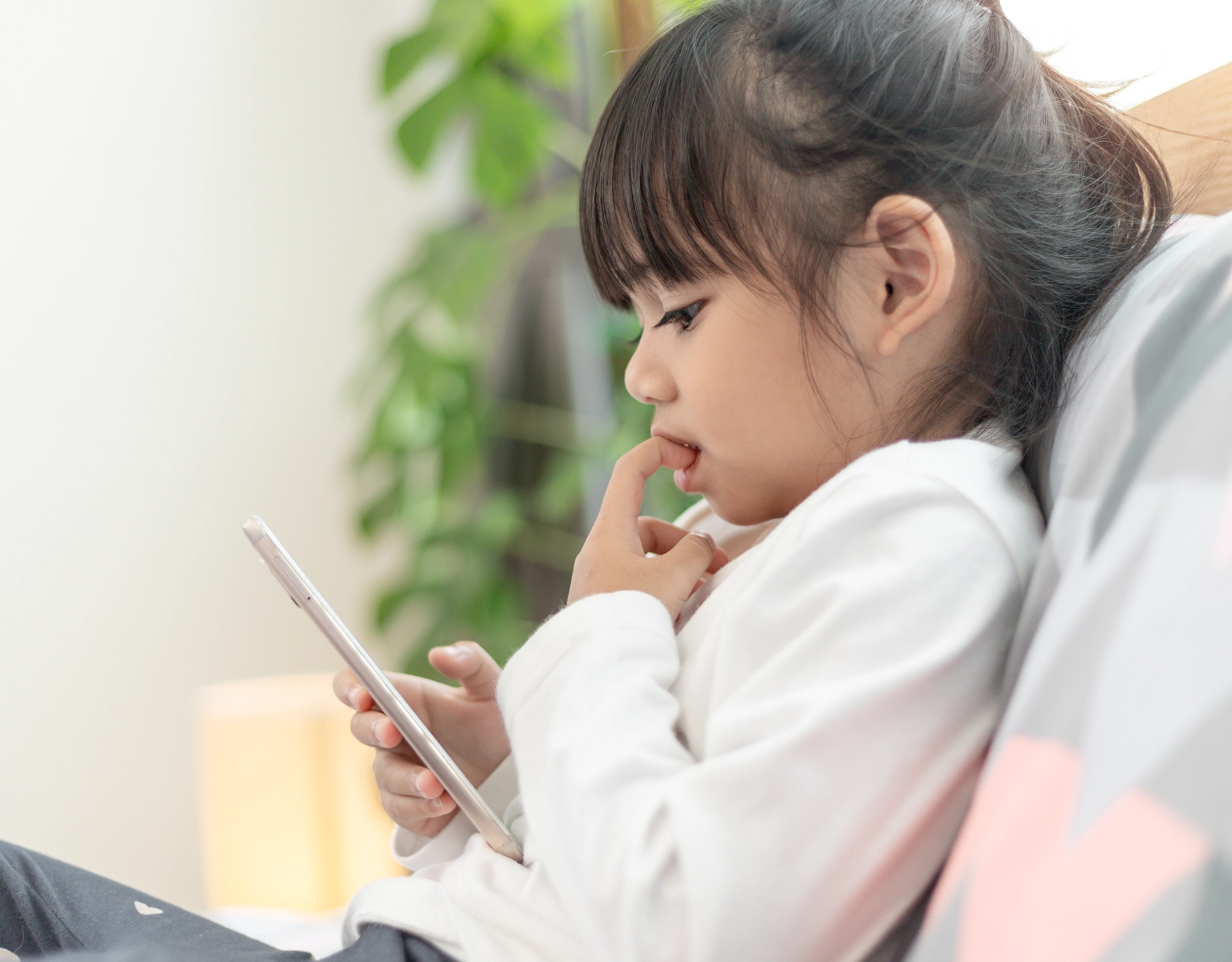
Her confidence crumbled. The stomach pain returned. And that’s when the screens took over.
From tool to lifeline
For years, I had taught her mindful screen use — balance, respect, no endless scrolling. And for a while, it worked.
But when she was in pain or overwhelmed, her phone became her lifeline. It wasn’t entertainment anymore — it was survival.
Every time we tried to limit it, she cried, slammed doors, screamed. It was as if we were taking away her oxygen.
That’s when I realized: this wasn’t rebellion.
This was anxiety — magnified by screens.
The night that changed everything
One night, after another argument, Suen crawled under the dining table — hugging her knees, mumbling words we couldn’t understand.
She looked so small. So unsafe.
That was our wake-up call. My husband said softly, “She’s behaving like Chen.”
Chen is his cousin, who developed schizophrenia after years of silent anxiety left untreated.
And in that moment, we realized: if we kept waiting, if we kept calling it “teenage rebellion,” we could lose her too.
Why screen battles fail
Parents often ask me, “Why does limiting screen timeScreen TimeThe hours a child spends on phones, tablets, TV, and games. Pediatric groups advise little to no screen use for toddlers and limited, high-quality content for older kids, with family make things worse?”
Because when screens become a coping mechanism, taking them away without addressing what’s underneath is like removing the painkiller but leaving the wound.
Screens aren’t the real problem — they’re the symptom.
So instead of control, we shifted to connection.
A calmer way forward
We started small:
- No phone in the bedroom at night.
- Laptop use only in the shared living hall.
- Calming routines — breathing, rest, gentle check-ins.
And we began addressing her anxiety directly.
That’s when I found hypnotherapy again — something that had helped me heal from my own childhood wounds and anxiety. I explained it to my husband and to Suen, assuring them it wasn’t “woo-woo,” just a way to calm the nervous system.
To my surprise, they agreed to try.
The turning point
It wasn’t magic. It wasn’t overnight.
But over time, Suen changed.
She became more aware of her body. She noticed what foods triggered her IBS.
She even started layering her meals — soup first, then spicy food — to protect her stomach.
And one night, she said quietly to herself,
“I can’t continue like this. I need to change.”
That was the moment she began healing — not just her body, but her confidence.
She reconnected with friends, returned to school, and slowly, her light came back.
Resilience isn’t built in comfort
We still faced challenges. IBS didn’t vanish overnight, but it did not control her anymore. There were still missed days.
But she learned to rise after every setback.
When I look at her now — calm, focused, laughing again — I realize: resilienceResilienceThe ability to bounce back from setbacks, disappointment, and stress. Children build it through supportive relationships, chances to solve problems, and adults who show that mistakes are part of learning isn’t built in comfort. It’s built when our children fall, pause, and choose to rise again.

A message to parents
If your child is glued to screens, please don’t assume they’re addicted and blame the device.
Sometimes, what looks like addiction or rebellion is really distress.
And what they need most isn’t more pressure — it’s your calm, your connection, and your belief in them.
That’s what helped my daughter.
And it might help yours too.
If you’re not sure where to start, you can download my free Calm Kit — a gentle guide to bring peace and connection back into your home.
Because sometimes, healing begins not with control — but with helping your child feel safe again. 💛
If this story resonated with you, you can read more about my daughter Suen’s journey from shutdown to resilienceResilienceThe ability to bounce back from setbacks, disappointment, and stress. Children build it through supportive relationships, chances to solve problems, and adults who show that mistakes are part of learning here: www.unmotivatedtoawesome.com/suen
It’s a story that reminds every parent — when we meet our child’s anxiety with calm instead of control, healing begins.
About the Author
Jessie Liew is a clinical hypnotherapist and digital parentingDigital ParentingGuiding children's use of phones, tablets, games, and social media with rules, tools, and conversation. Parent controls, shared screen spaces, and honest talks about online risks teach kids to be expert passionate about helping families heal the hidden anxiety behind screen struggles. A mother of four, she empowers parents to move beyond control and conflict — and create calm, emotionally safe homes where children feel seen, heard, and understood.
Frequently Asked Questions (FAQs)
Sometimes, heavy screen use isn’t just about addiction or entertainment — it’s a coping mechanism for anxiety.
When kids feel unsafe, overwhelmed, or emotionally disconnected, scrolling can offer quick comfort or distraction.
Instead of control, what they often need is connection — calm presence, reassurance, and emotional support.
Watch for physical symptoms (like stomachaches, headaches, or fatigue), emotional outbursts, and avoidance behaviors (staying in their room, withdrawing from friends, skipping school).
These signs often mean your child’s nervous system is overloaded — and screens have become their escape.
If the screen battles always end in tears, shouting, or withdrawal, it may be time to look beyond rules and explore what’s driving their distress.
Yes. The gut and brain are deeply connected — anxiety can trigger real physical symptoms like IBS (Irritable Bowel Syndrome), nausea, or abdominal pain.
In the story of 12-year-old Suen, what started as IBS was later understood as her body’s way of saying, “I’m not okay.”
Addressing the emotional roots of anxiety often brings physical relief, too.
When a child’s device is their emotional lifeline, suddenly taking it away can feel like taking away oxygen.
It’s not rebellion — it’s panic.
Instead of focusing on control, parents can focus on reconnection: calm conversations, shared spaces, and supportive routines that slowly make screens less necessary for comfort.
When your child hides, cries, or withdraws — stay calm.
Instead of reacting, try grounding techniques:
Speak softly and slowly
Sit nearby without forcing touch or conversation
Remind them gently: “You’re safe. I’m here.”
Once they’ve calmed down, talk later about what triggered the anxiety.
Your calm becomes their anchor.
More about anxiety or screen time?
Dealing with Screen Addiction: How To Wean Kids Off The Screen
How To Prevent Video Game Addiction in Kids
Anxiety Attack: What It Looks and Feels Like