This Mom Verifies: Weaning Blues Are Very Real



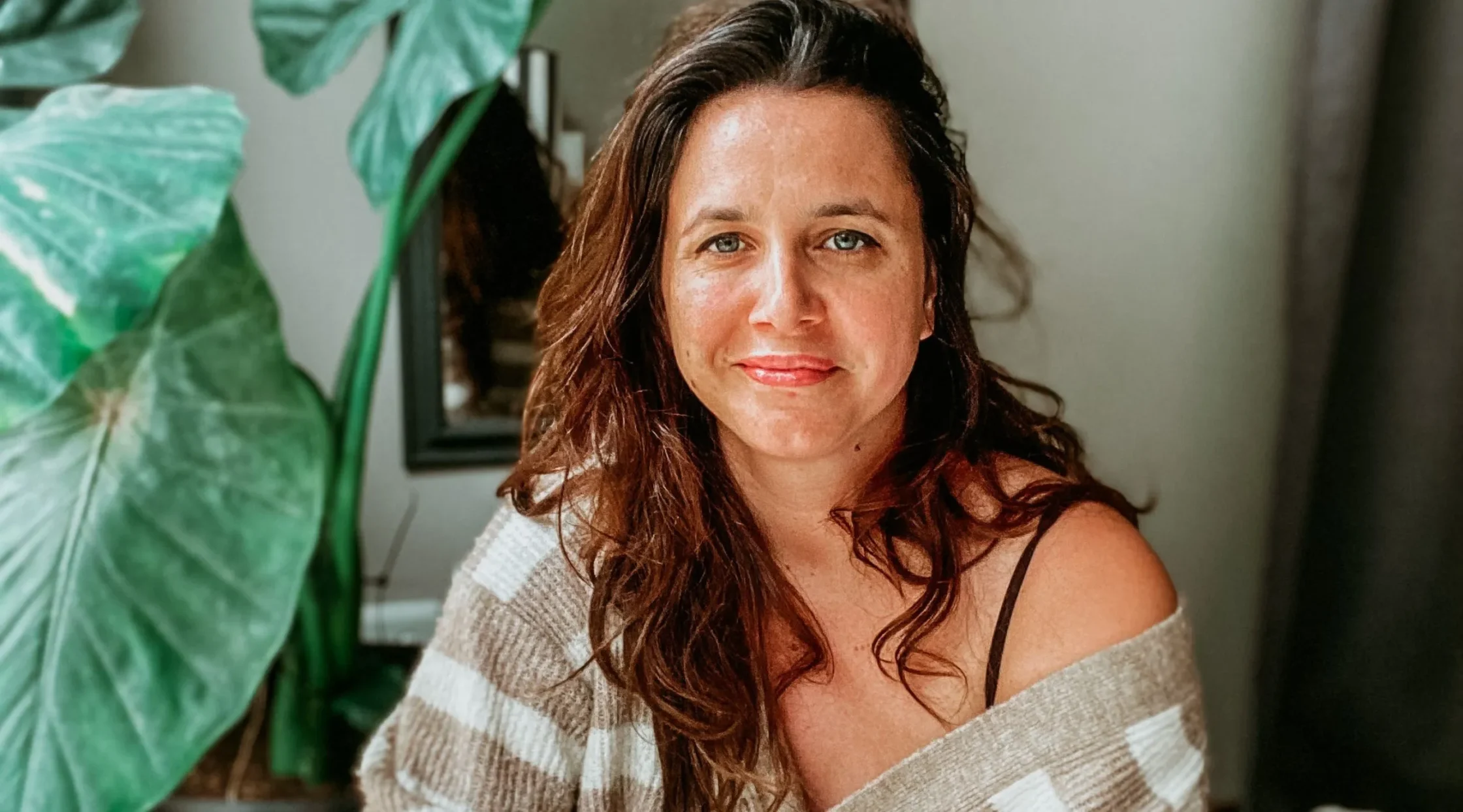
Jemima Middleton, in an old Instagram post, talks about Weaning Blues—something that moms need to talk about today
When there’s breastfeeding guilt, there’s also weaningWeaningThe gradual shift from breast milk or formula to other foods and drinks. Taking it slowly, replacing one feeding at a time, and offering comfort in other ways help babies blues. After spending hours pumping and living the first chapter of motherhood as an on-call buffet, weaningWeaningThe gradual shift from breast milk or formula to other foods and drinks. Taking it slowly, replacing one feeding at a time, and offering comfort in other ways help babies can feel a little bittersweet. While we get some semblance of our life back, knowing that our baby “lets go” of us hurts. That’s when the WeaningWeaningThe gradual shift from breast milk or formula to other foods and drinks. Taking it slowly, replacing one feeding at a time, and offering comfort in other ways help babies Blues, as mom content creator, CBI-trained pp doula and LactationLactationThe process by which a mother's body makes and releases breast milk. Frequent feeding or pumping, good hydration, rest, and support from a lactation consultant help maintain supply, and mothers Consultant Jemima Middleon (also known as the Midnight Milkbar on Instagram) describes it, hits.
So for the moms who are slowly weaningWeaningThe gradual shift from breast milk or formula to other foods and drinks. Taking it slowly, replacing one feeding at a time, and offering comfort in other ways help babies off and feeling a little “off,” not to worry—you’re not alone.
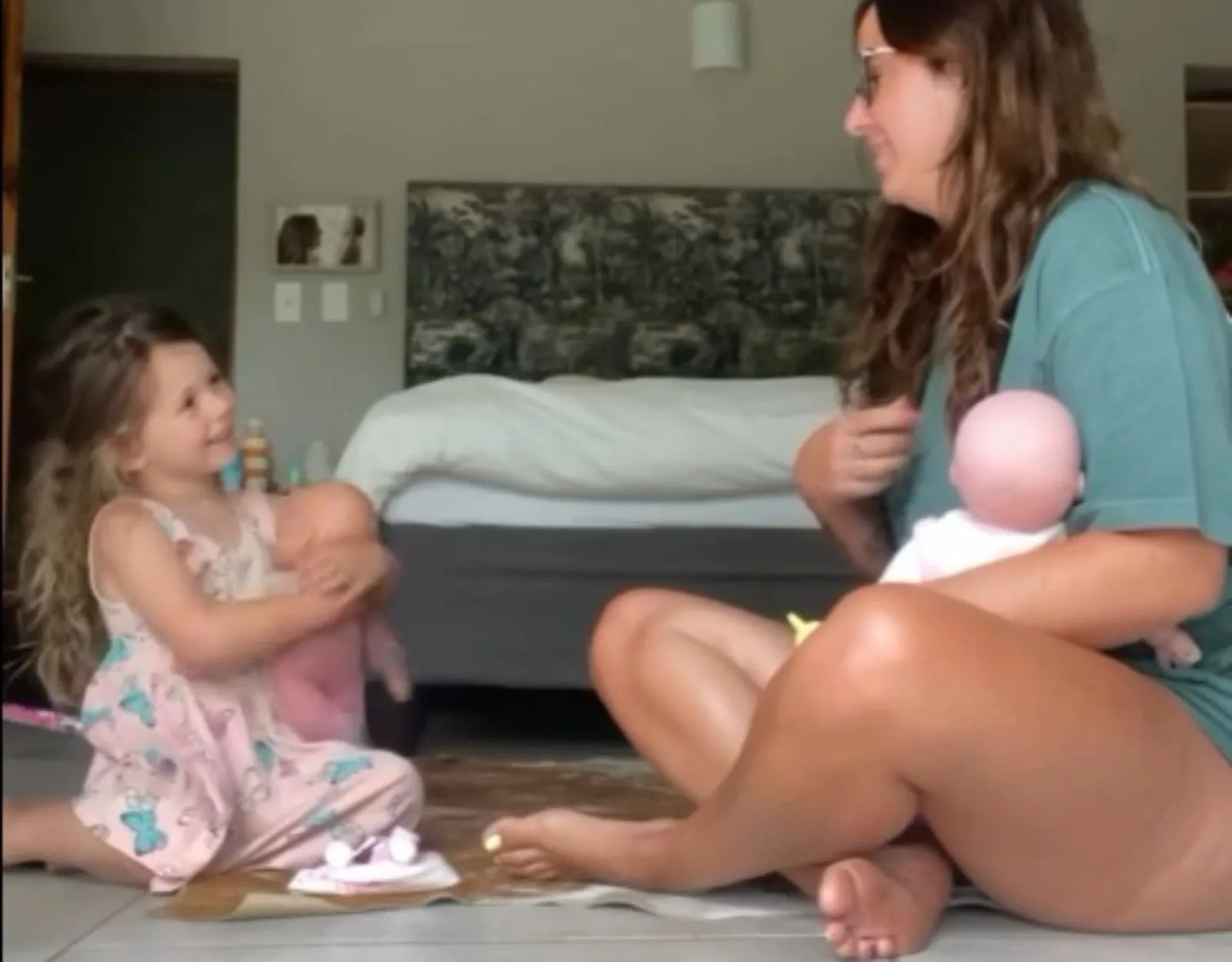
“It’s not just dropping feeds.”
On the outside, breastfeedingBreastfeedingFeeding a baby with milk from the mother's breast, recommended by health authorities as the sole food for about the first six months. It supports immunity and bonding, and Philippine is simply dropping feeds. But what happens on the inside is far more complex and intricate than that.
With all our hormones and feelings that come with them, it can feel heartbreaking. According to Jemima, some of those feelings can take “weeks” to resolve themselves.
“I didn’t realise how much it would affect my emotions,” admits Jemima in the post. “WeaningWeaningThe gradual shift from breast milk or formula to other foods and drinks. Taking it slowly, replacing one feeding at a time, and offering comfort in other ways help babies can trigger a hormonal shift. As the milk production slows, estrogen and progesterone fluctuate, which can cause mood swings, sadness, and even anxiety!”
So when the emotions hit, it’s okay to grieve the end of breastfeedingBreastfeedingFeeding a baby with milk from the mother's breast, recommended by health authorities as the sole food for about the first six months. It supports immunity and bonding, and Philippine. “Even if you’re ready to wean, saying goodbye to those moments of closeness can feel emotional,” she assures. “You and your baby are adjusting. Give yourself some grace.”
She points out that breastfeedingBreastfeedingFeeding a baby with milk from the mother's breast, recommended by health authorities as the sole food for about the first six months. It supports immunity and bonding, and Philippine isn’t the only activity where moms can feel close to their baby. Nor does breastfeedingBreastfeedingFeeding a baby with milk from the mother's breast, recommended by health authorities as the sole food for about the first six months. It supports immunity and bonding, and Philippine have to stop completely and instantly. It’s perfectly normal to be gradual with the transition, she assures.
“It doesn’t have to be all or nothing. A gradual approach can help our bodies and emotions adjust more smoothly. Maybe keeping some feeds like bedtime cuddles for a while longer will make things easier,” she adds.
“You’re still your baby’s safe space.”
It can feel like the end of an era — one that we’re not ready to leave either.
But, according to Jemima, breastfeedingBreastfeedingFeeding a baby with milk from the mother's breast, recommended by health authorities as the sole food for about the first six months. It supports immunity and bonding, and Philippine is just one of the many bondingBondingThe emotional connection that forms between parent and child through touch, eye contact, voice, and responsive care. Skin-to-skin time, feeding, and simply talking to a baby all strengthen it, and rituals moms can have with their babies. It serves as the foundation for building new ones. Each moment moms breastfeed gives them an idea of how their baby is, up close. Besides, nobody can take away that emotional bond a mother has with her baby.
Ultimately, Jemima offers comfort to the many moms who find themselves weaningWeaningThe gradual shift from breast milk or formula to other foods and drinks. Taking it slowly, replacing one feeding at a time, and offering comfort in other ways help babies and ending their breastfeedingBreastfeedingFeeding a baby with milk from the mother's breast, recommended by health authorities as the sole food for about the first six months. It supports immunity and bonding, and Philippine journey. “You are everything to your little one, no matter how they’re fed.”
More about breastfeeding?
Celebrating the Strength of These 6 Breastfeeding Moms
3 Common Breastfeeding Problems That Moms Struggle With
How to Make Co-Sleeping Safe if You’re a Breastfeeding Mom