Why Bibingka and Puto Bumbong Taste Like Home
- by Nicole Limlengco
- September 18, 2026



Bibingka and puto bumbong bring Filipino families back to the same table every Christmas season
When September arrives in the Philippines, marking the start of the “Ber” months, the smell of toasted banana leaves and steaming rice fills neighborhood streets and home kitchens. It’s a sure sign that Christmas season has started. For generations, that smell has meant one thing: bibingka and puto bumbong back on the merienda table for the rest of the holidays.
In Filipino households, afternoon merienda during the holidays is a daily habit, squeezed into a busy season. Two staples anchor it: golden bibingka and purple puto bumbong.
Crafting the Classics: Rice, Coconut, and Fire
Both come from simple ingredients and traditional cooking methods.
Bibingka is baked in clay pots lined with banana leaves over hot charcoal. The rice batter, or galapong, is mixed with coconut milk and topped with salted egg, butter, sugar, and grated cheese.
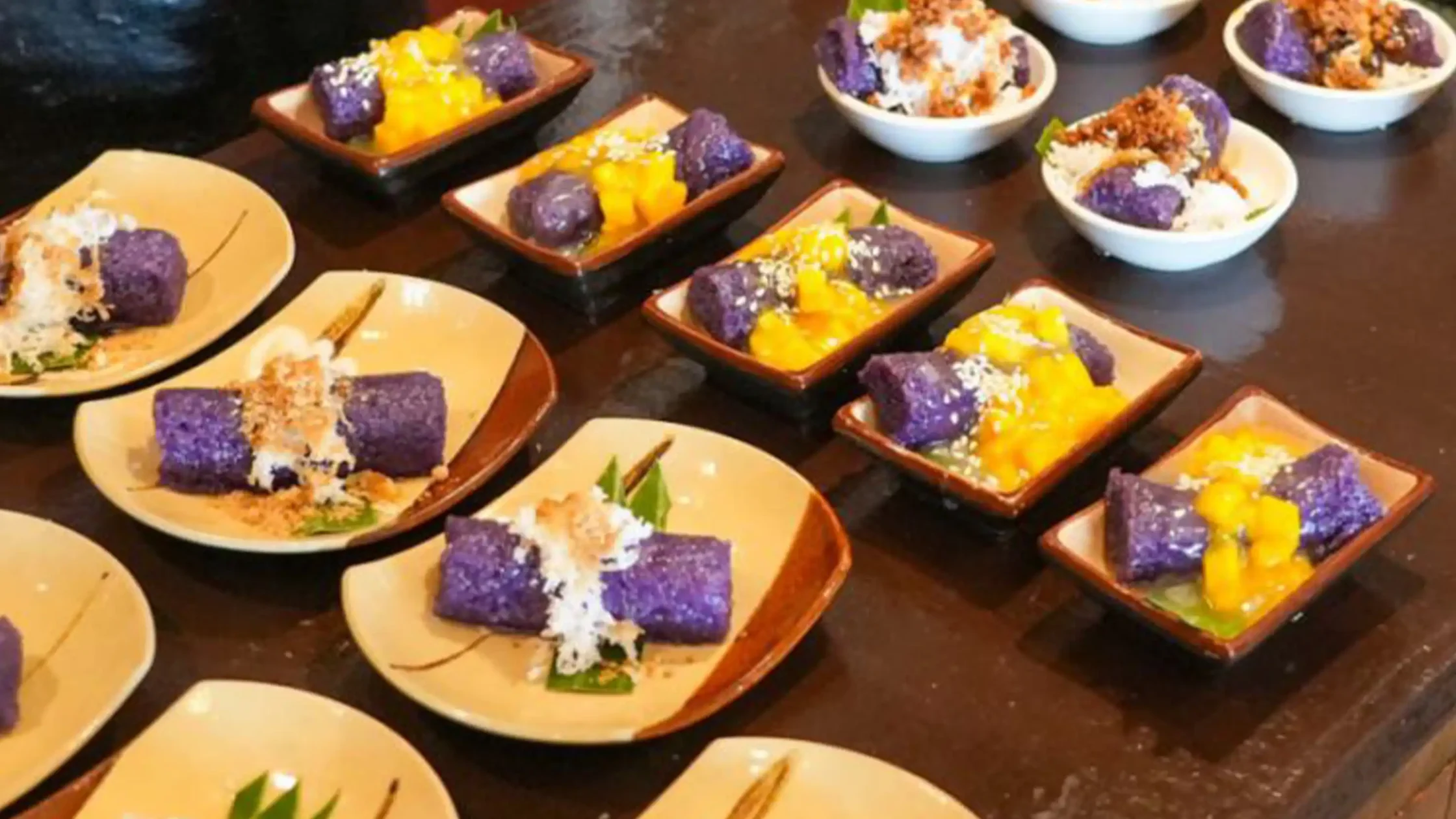
Puto bumbong starts as pirurutong, a naturally purple glutinous rice. Cooks steam it inside bamboo tubes called bumbong, then serve it hot with butter, muscovado sugar, and grated coconut.
A Taste of Home Across Generations
These snacks carry family history along with flavor, and they mean different things to different generations. For lolos and lolas, eating bibingka and puto bumbong brings back early mornings at Simbang Gabi. Passing the habit to grandchildren keeps it going in modern households.
For OFWs and balikbayans arriving home for the holidays, the first bite of fresh bibingka or puto bumbong is one of the fastest ways to feel back in the Philippines. The same treats also work as an easy introduction to Filipino food for visitors spending their first Christmas here.
Bringing the Tradition to Life in the City
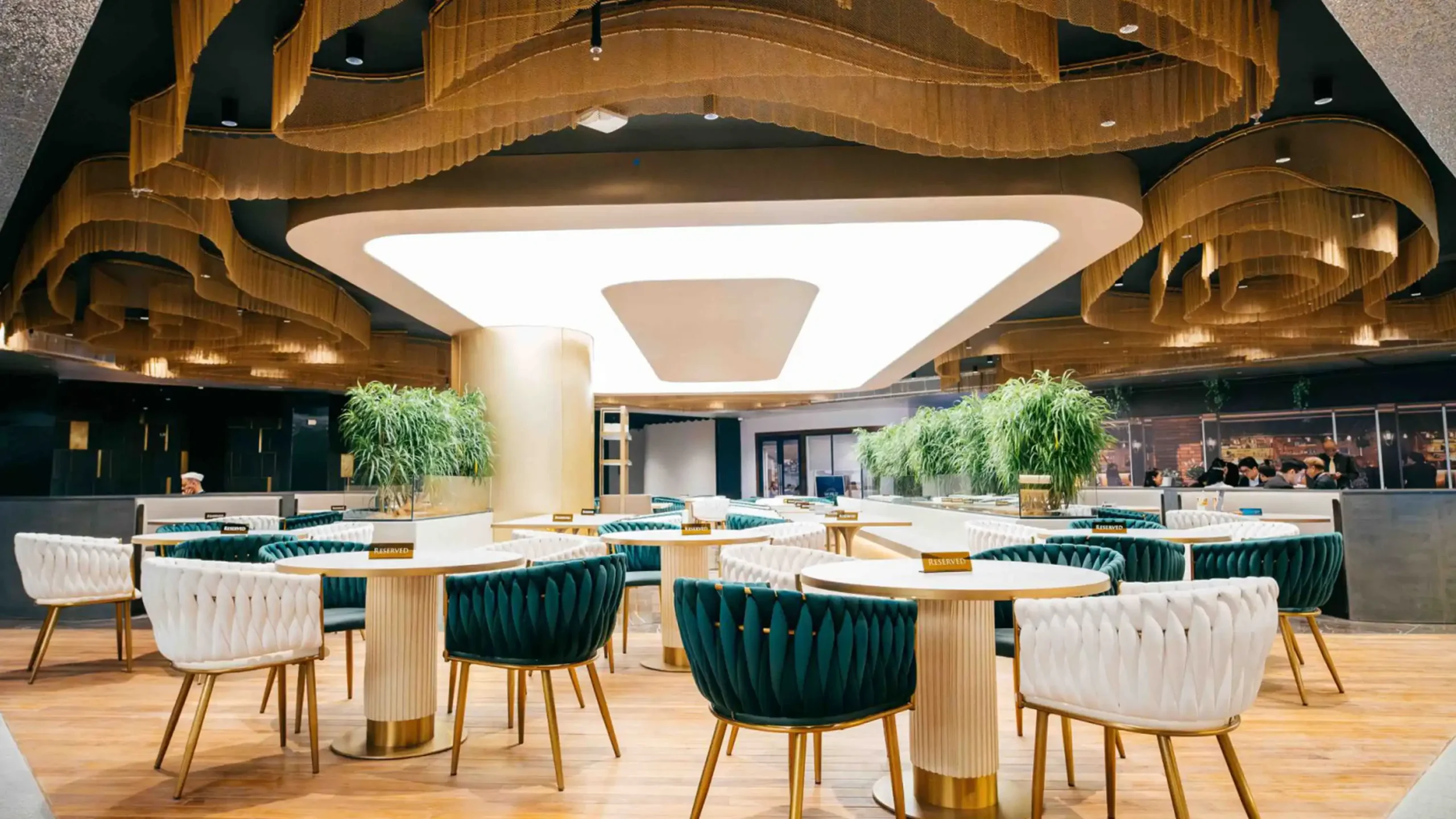
This spirit of festive gathering extends beyond home dining tables into local dining destinations. Places across the city, such as Savoy Hotel Manila, highlight this seasonal tradition through dedicated afternoon merienda gatherings.
At Savoy Hotel Manila’s seasonal “Puto Bumbong, Bibingka, Merienda at Pika-Pika” event, general manager Den Navarro invites guests and families to gather over warm cups of tsokolate, freshly baked rice cakes, and lighthearted tasting activities.
The hotel adds a few twists: puto bumbong topped with mango, coconut cream, and sesame seeds, and bibingka layered with macapuno and leche flan. The details change, but the setup stays the same — a reason for people to sit down, talk, and eat
Simple Ways to Enjoy Holiday Merienda
Paired with tsokolate (made from tablea), or salabat (ginger tea), these rice cakes turn an ordinary afternoon break into something worth stopping for. Even 20 minutes gives parents, kids, and extended familyExtended FamilyRelatives beyond the parents and children, such as grandparents, aunts, uncles, and cousins, who often help raise a child. In Filipino households this network shares childcare, wisdom, and support, though time together without the rush of holiday errands.
You do not need an elaborate holiday feast to feel the warmth of a Filipino Christmas. Pull up a chair, pass a plate of warm puto bumbong, slice into a fresh bibingka, and enjoy the simple pleasure of sharing good food with the people who matter most.
Frequently Asked Questions
Bibingka is a baked rice cake made with coconut milk, cooked in a clay pot over charcoal. Puto bumbong is glutinous purple rice steamed inside bamboo tubes. Cooks usually top both with butter, sugar, and grated coconut.
Vendors have long sold these rice cakes outside churches to Mass-goers finishing the nine-day dawn novena, making the snacks an expected reward at the end of each service.
More on food
Where to Eat in Metro Manila: 7 Family-Friendly Restaurants for September
5 Chicken Dishes to Make (or Order) for the Family
Easy One-Pot Filipino Dishes For Small Living