Why The Magic Faraway Tree Is a Story About Presence, Not Just Fantasy



The Magic Faraway Tree, based on the beloved 1943 series by Enid Blyton, is given a fresh take in the 21st century
There’s something powerful about stories that bring us back to what truly matters. Long before Harry Potter cast its spell on readers around the world, Enid Blyton had already opened the door to magical worlds—ones filled with fairies, pixies, and lessons that linger long after childhood.
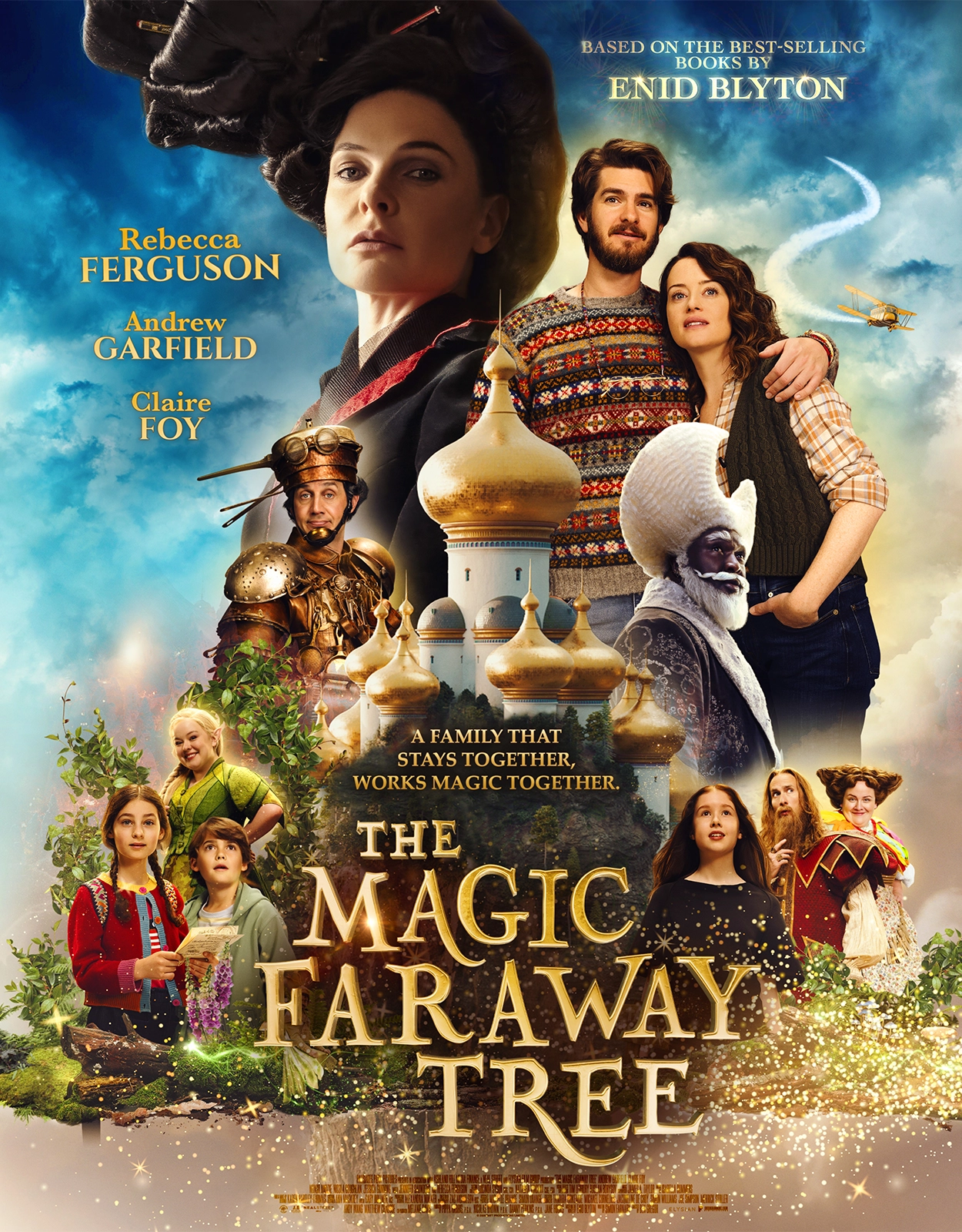
In The Magic Faraway Tree, first published in 1943, that sense of wonder takes center stage once again—this time, reimagined for a new generation. Director Ben Gregor brings the beloved tale into the 21st century, with Andrew Garfield and Claire Foy portraying Tim and Polly Thompson, parents navigating change, uncertainty, and the ever-complicated task of raising a family.
When the Thompsons move to the countryside following a major life shift, their children—Fran, Beth, and Joe—are thrust into a world without Wi-Fi, electricity, or the comforts they’ve always known. It’s an adjustment that feels all too familiar for many modern families: how do you reconnect when everything—and everyone—feels disconnected?
What unfolds is more than a magical adventure. It’s a gentle reminder of what it means to be present—not just physically, but emotionally—as a family.
Following your dreams, even as parents
Parenthood often comes with a quiet trade-off: somewhere between raising children and managing responsibilities, personal dreams can take a backseat. But The Magic Faraway Tree offers a different perspective.
Tim and Polly’s move isn’t just about starting over—it’s about building something they’ve long imagined. From restoring a barn to creating an irrigation system and planting the seeds of a small tomato business, their journey reflects the courage it takes to pursue dreams while raising a family.
It isn’t seamless. Their daughter Beth resists the change, and tensions rise. Even Polly’s mother questions their choices. But in the middle of uncertainty, something meaningful happens: conversations begin.
In one of the film’s more grounding moments, Polly shares a planner with her children—a powerful symbol of intention. She reminds them that the life they’re building didn’t happen overnight. It took time, setbacks, and a willingness to keep going.
And maybe that’s the point. Parenting doesn’t mean letting go of who you are—it means allowing your children to witness the process of becoming.
Rediscovering wonder through our children
If there’s one thing children do effortlessly, it’s believe.
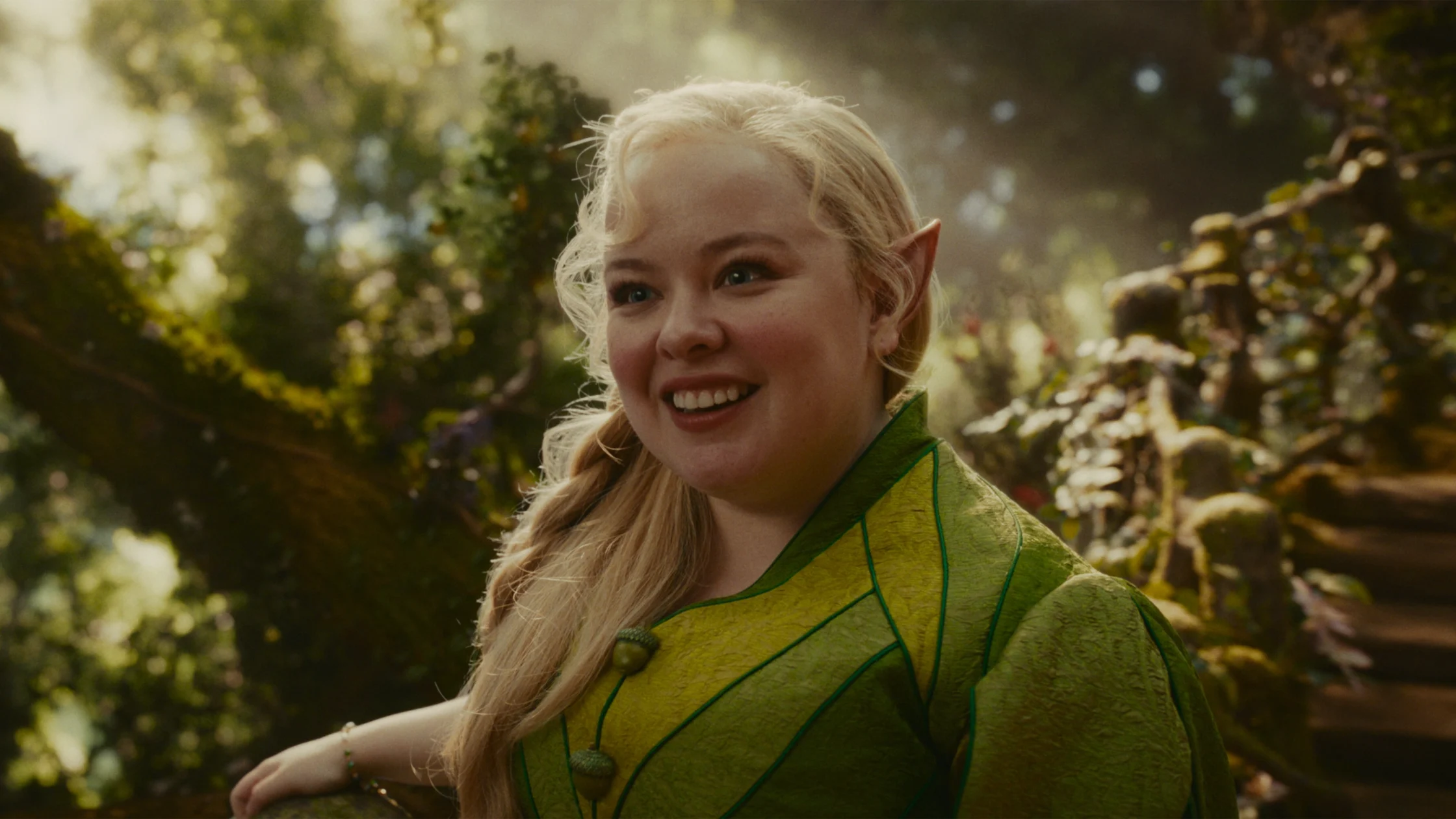
When Fran encounters Silkie and the magical tree, she doesn’t question it—she steps into it. Through lands filled with sweets, celebrations, and unexpected lessons, she learns about contentment, kindness, and curiosity.
Beth and Joe, on the other hand, begin as skeptics. Their reluctance mirrors what many of us feel as we grow older: a tendency to dismiss what we don’t immediately understand. But slowly, even they begin to soften.
What the film captures so well is a shift often forgotten—the way children can lead us back to wonder, if we’re willing to follow.
Because somewhere along the way, many of us forget how to imagine. And sometimes, it takes a child to remind us.
Being present means choosing connection
The Magic Faraway Tree speaks to a reality many families face today: the constant pull of distraction.
Without devices to rely on, the Thompson children are forced—perhaps for the first time—to truly engage with their surroundings. Nature becomes their playground. Conversations replace screen timeScreen TimeThe hours a child spends on phones, tablets, TV, and games. Pediatric groups advise little to no screen use for toddlers and limited, high-quality content for older kids, with family. And slowly, the connection begins to take root.
It’s not immediate, and it’s not perfect. Tim and Polly struggle to reach their children at first, just as many parents do. But they try. They listen. They show up.
And that’s what being present really looks like—not grand gestures, but consistent, intentional moments of connection.
A gentle reminder for modern families
In a world that often prioritizes productivity over presence, The Magic Faraway Tree invites us to pause.
At the end of the day, magic doesn’t just live in faraway lands or enchanted trees. Sometimes, it’s found in the decision to be fully there for the people who matter most.
Frequently Asked Questions (FAQs)
The Magic Faraway Tree follows a family adjusting to life in the countryside, where the children discover a magical tree filled with enchanting lands and characters. Beyond its fantasy elements, it explores themes of family, change, and connection.
Being present helps build trust, strengthens emotional bonds, and allows parents to better understand their children’s needs and experiences.
Yes, the story is family-friendly and offers valuable life lessons wrapped in an imaginative and engaging narrative suitable for young audiences.
More on movies
Inside Michael: The Childhood, Challenges, and Choices That Shaped a Legend
Why Watching Super Mario Galaxy Together Just Feels Right
5 Meaningful Lessons Families Can Learn From Hoppers