5 Sine Kabataan Films That Give Voice to the Next Generation



In its 8th year, Sine Kabataan showcased 10 short films as part of the Film Development Council of the Philippines’ month-long film celebration
September marks Philippine Cinema Month, and this year, the Film Development Council of the Philippines (FDCP) highlights the theme “Pelikula at Pilipina.” As part of the celebration, the 8th annual Sine Kabataan continues to showcase short films created by rising student filmmakers.
Though brief, these short films present compelling stories that reflect the realities many families face today. Here are five standout entries that shed light on parenting, childhood, adolescence, and the social systems that shape them.
Blooming by Ronnie Ramos

Blooming stars Annika Co as Nena, a curious young girl who becomes fascinated with the structure of flowers after a school lesson. But as she learns more, she begins noticing changes in her own body—like hair growth in sensitive areas. These discoveries spark confusion and curiosity as she navigates the transition from childhood to adolescence.
Why is it worth watching?
Blooming serves as an accessible and gentle introduction to sex education, particularly for young girls who may feel embarrassed or afraid to ask questions.
This short film offers parents a meaningful opportunity to start conversations with their daughters about body awareness and growing up—without shame or fear.
Coding si Papa by Michael Pogoy
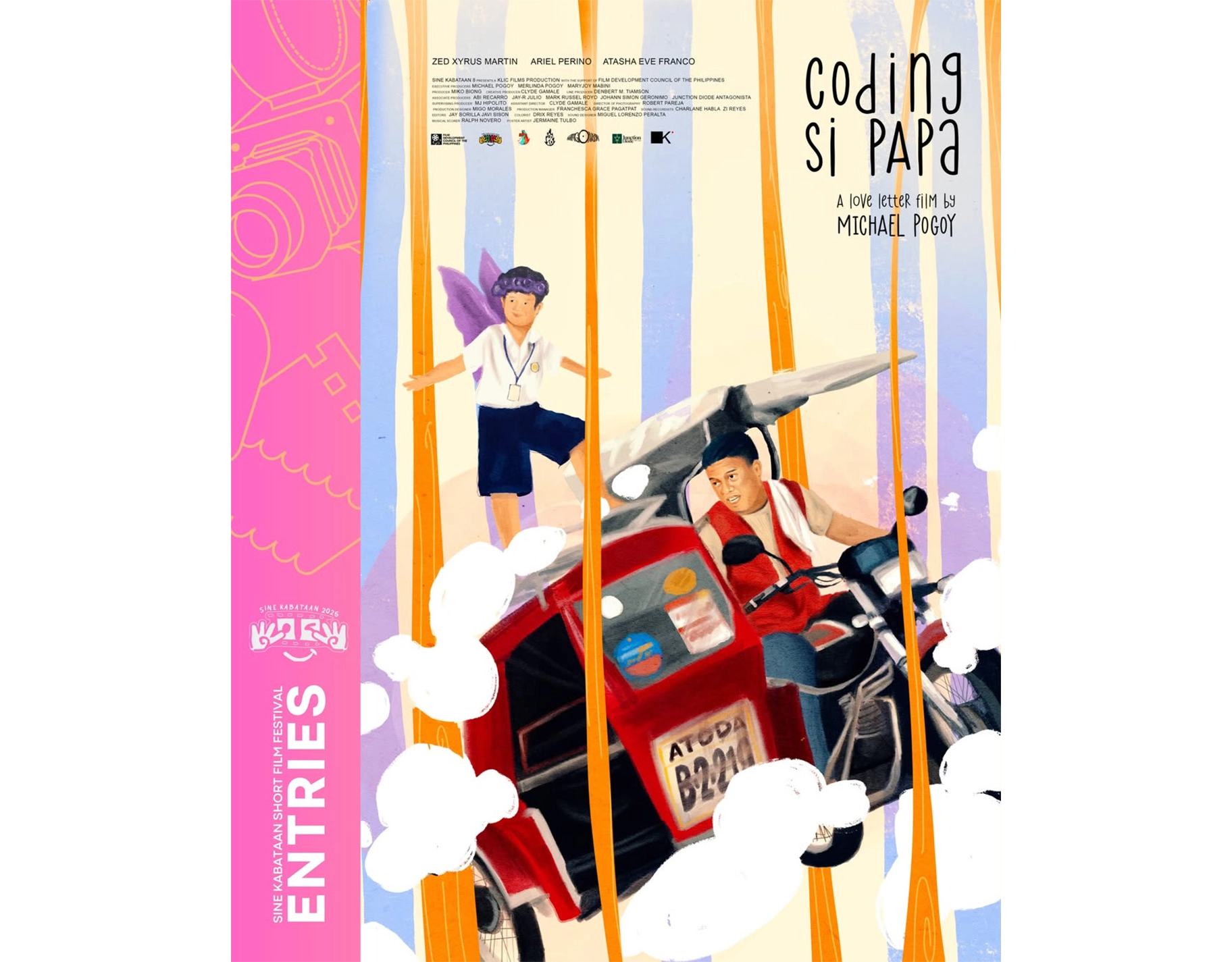
In Coding si Papa, young Gelo wants nothing more than for his father, Manny, to attend his school program. But Manny is preoccupied with earning enough money for rent, leaving little time for family. Gelo comes up with a creative plan to earn cash, hoping it will free his father—just for one day.
A heartwarming story for dads and children
This short film gently reminds parents that sometimes, what children truly need is presence, not presents. Gelo’s quiet longing reflects a truth many kids live with: the emotional gap created when financial burdens take priority over family time.
When It Rained Malunggay Leaves by Cedrick Valenzuela

This poignant film tells the story of Ariel, who returns to her childhood home after years of estrangement. Her mother, Anita, is tending to ruined plants and lamenting that Ariel’s old room is now a storage space. Over dinner, while cooking tinola, the two begin to reconnect—sharing memories and even a vision of Anita’s late husband.
Reconnecting through food and conversation
When It Rained Malunggay Leaves explores the complex, and sometimes strained, relationships between mothers and daughters. Through the simple act of cooking together, the film beautifully shows how estranged family members can find common ground again.
Due Date ni Judith by Kieth Earl Rebaño

A surreal dark comedy, Due Date ni Judith follows a pregnant woman during a routine clinic visit. But instead of a fetus, her ultrasound reveals a flurry of numbers and cash register beeps—a visual metaphor for the overwhelming costs of healthcare and childbearing.
A satirical take on real issues
While stylized and humorous, the film shines a light on real concerns: the lack of accessible sex education, unplanned pregnancies, and the financial toll of reproductive healthcare. For many women, pregnancy is not just an emotional journey—it’s an economic challenge.
City Laundry and Taxes by Diana Galang
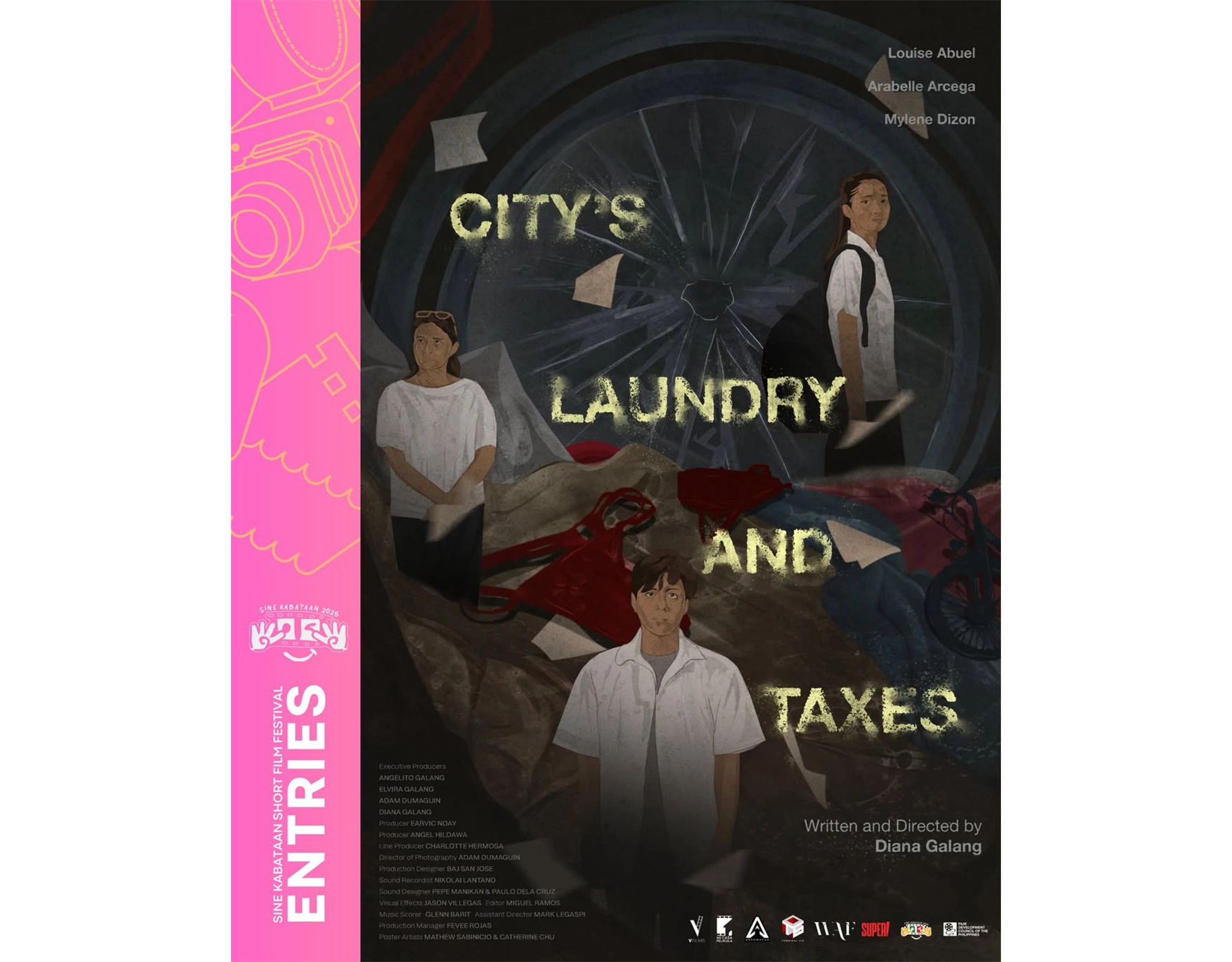
Seventeen-year-old Miko works in a laundry shop to support his mother. One day, he discovers the ID of his classmate in a police uniform—and begins to fear the worst: that his friend may have become another victim of the war on drugs. With help from a student journalist, Miko decides to speak out.
The power of accountability
City Laundry and Taxes bravely addresses the impact of police brutality and state violence on ordinary families and teenagers. It emphasizes the importance of truth-telling and holding those in power accountable—even when it’s difficult.
Sine Kabataan’s Powerful Platform
Through these youth-directed short films, families are invited to witness stories that are often unspoken—but deeply familiar. Whether it’s the ache of an absent parent, the fear of growing up, or the courage to face injustice, each film reflects truths many Filipino households live with.
By giving voice to the next generation, Sine Kabataan reminds us that modern parenting isn’t just about teaching—it’s about listening, especially to the stories that today’s youth are bold enough to tell.
More on movies
The New Bluey Movie Finally Confirms A Release Date!
Gabby’s Dollhouse Hits Cinemas with a Magical Adventure for the Whole Family
Why the Film Quezon Could Change How Our Kids See Philippine History