A Body Image Talk: How Important Are Nutrients For A Growing Teen?



When our children grow into teens, somehow, worry over one’s body image can sometimes be so overwhelming
As kids, they don’t really think much about what they look like. And if they do, it’s not always a priority. However, when they become adolescents or teens, body image seems to matter more than ever. Even with the “body positivity movement,” we have to ask ourselves, “Where do we draw the line at being body positive? How do we know we’re encouraging good diet habits?”
After all, adolescenceAdolescenceThe stage between childhood and adulthood, roughly ages 10 to 19, marked by rapid physical, emotional, and social change. Parents who keep conversations open and stay patient during mood swings is when our teens start to try figuring things out on their own.

Why Is Body Image Such A Big Thing Among Teens?
When teens think of body image, it’s not just the shape but also the clothes they where and their complexion. However, their concept of beauty is highly dependent on the media they consume or us, their parents. The way we see ourselves will serve as the foundation.
In school, it’s a question of what will or won’t rock that foundation. Everyone has a concept of what is beautiful, but not everyone can agree on one. However, there will always be a dominating personality that will insist on their concept of what is beautiful or what the perfect body is. It doesn’t help that their sex hormones are now getting to work. It’s why many often use the expression “getting hit with the pubertyPubertyThe phase when a child's body matures, usually between ages 8 and 14, bringing growth spurts, body changes, and strong emotions. Calm, accurate conversations before changes start help children feel bat.” Some people gracefully dance through pubertyPubertyThe phase when a child's body matures, usually between ages 8 and 14, bringing growth spurts, body changes, and strong emotions. Calm, accurate conversations before changes start help children feel, but most of the time, it’s a really awkward phase.
With bodies responding differently, teens, in their anxiety, will try to seek answers. They’ll try all these crazy diets and foods to find belonging in a group of fellow teens. It’s why they’re also more prone to eating disorders; they look at their peers and if they have the image they want, they’ll try it for themselves.

Why Parents’ Saying That They’re Beautiful May Not Always Work
Unlike kids who are still learning what unconditional loveUnconditional LoveLoving a child fully regardless of grades, behavior, or achievements. Showing it through hugs, praise, and a willingness to forgive helps children feel secure and gives them the courage to is, teens already have an idea of how it works. They’re also aware of the word bias; they know that their parents will always say something good about them and therefore, will feel that their opinions are not entirely truthful. While this isn’t always the case, it does happen a lot which is why teens often yell in frustration, “You just don’t get it!”
Sadly, in a way, we kind of don’t sometimes. After all, our journey through pubertyPubertyThe phase when a child's body matures, usually between ages 8 and 14, bringing growth spurts, body changes, and strong emotions. Calm, accurate conversations before changes start help children feel may be different from theirs. Sure, we’ll undergo the same biological or physiological changes. However, the responses are different. Hormones, unfortunately, don’t have predictable impacts; a lot of times, we’ll spend most of our time reacting to our teens and their homes. And if we’re also in the stage where our hormones decide to just stop, we’re also not in the right headspace either.
Plus, it doesn’t help that some places have weird sizing for clothes. In some Asian countries, a regular Large size can suddenly turn into 5XL, which can be severely demotivating.
But that doesn’t mean we shouldn’t stop saying they’re beautiful or that we love them for who they are. Teens do deeply care what their parents think; it’s just that we have to figure out what exactly it is they need. Is it advice? A willing ear? Or someone to help them figure out a diet with them?

The Interplay of Nutrients and Adolescent Growth
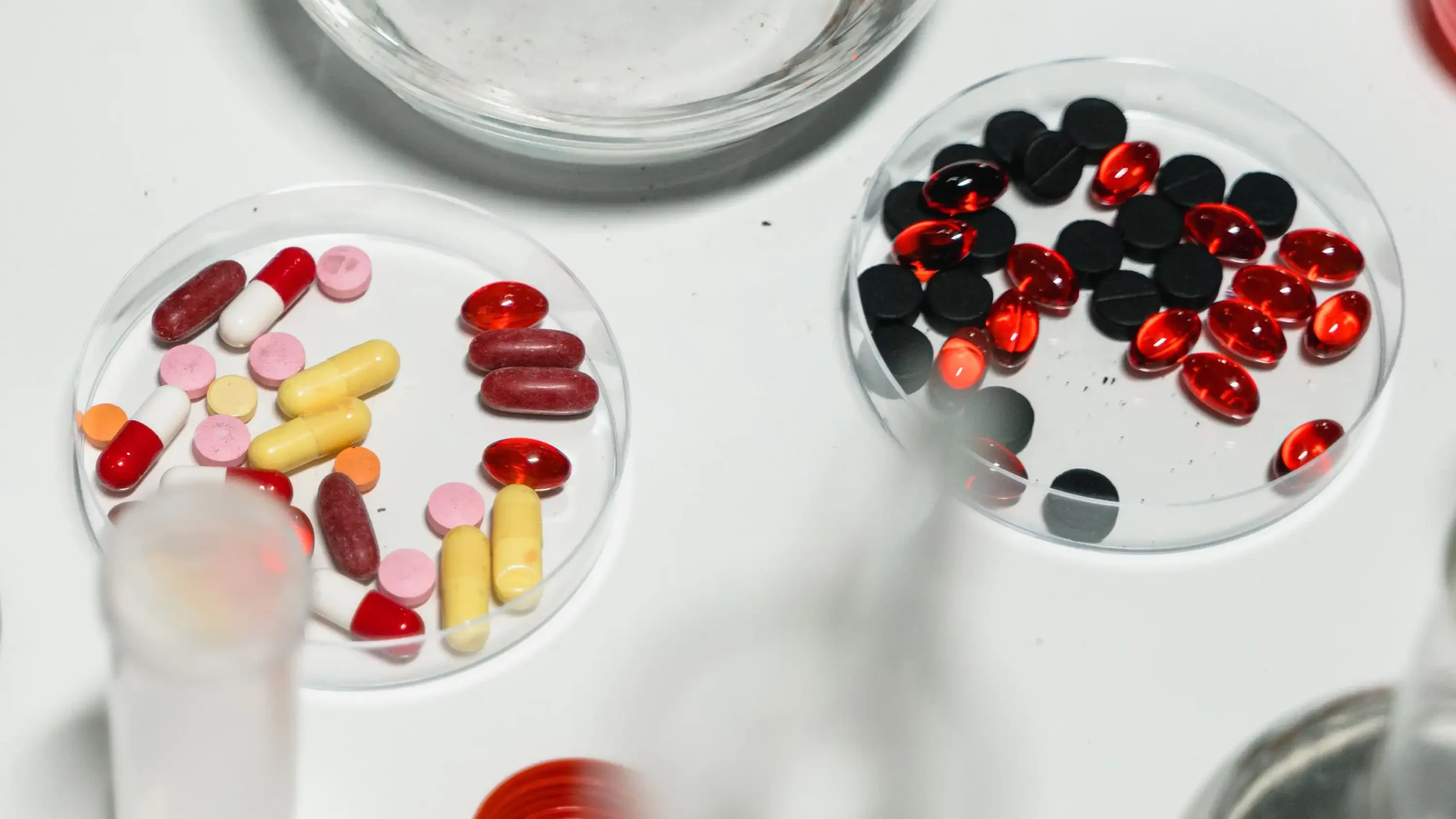
We all know nutrients are important. It’s why baby milk is just loaded with it! But for adolescents, that can change. Especially if the family has a history of allergiesAllergiesAn overreaction of the immune system to a harmless substance such as food, dust, pollen, or pet dander. Common childhood triggers include eggs, milk, peanuts, and seafood, so parents should, some tend to rear their ugly heads around that time. It can be sudden or so mild during their childhood that we didn’t notice. Either way, it’s no one’s fault. Sometimes, it’s just something we’ve got to deal with.
It’s why some parents take their teens to an allergist. With hormones running around, their systems undergo a massive overhaul. Not only are their reproductive systems developing, but so are their minds. That takes a lot of energy and some specific nutrients. That’s why some doctors really encourage at least knowing the family’s food history. Some allergiesAllergiesAn overreaction of the immune system to a harmless substance such as food, dust, pollen, or pet dander. Common childhood triggers include eggs, milk, peanuts, and seafood, so parents should are inherited and there are some due to an underlying condition that a relative had been “self-medicating” for years.
So, getting the proper nutrients is a must. As to what, there’s no one diet that’ll make teens more emotionally stable or less socially anxious. A lot of it is still hit-and-miss.
Always keep communications open with teens about body image
The thing about the body is that it’s also easily affected by hormonal disorders, which usually show up when they’re teens. Sometimes, it’s just inherited. Other times, it was already running in the family.
Some hormone diseases that really mess up body images include Polycystic Ovarian Syndrome (PCOS). The hormonal imbalance makes girls grow facial hair at an abnormal rate and sometimes makes them more prone to becoming diabetic. It doesn’t help that they get extra moody because their body are trying to find a specific nutrient that isn’t readily available.
For boys, they’ll want to build muscles, so they’ll try overloading with protein or working out to the point they may actually break something. It’s why some boys, when they become teens, become a little more aggressive or moody. Who wouldn’t be when they hear their voice change, find out they have to shave every day, and can’t physically and emotionally fit into their clothes?
So what can we do? Just keep lines open. Be more open to asking questions. Fight the urge to give advice unless they explicitly ask for it. Sometimes, all our teens want to know is that their issues about their body are not falling on deaf ears.
More about teens and health?
7 Things Moms Should Know About Polycystic Ovarian Syndrome (PCOS)
Teens and Social Anxiety: What It Is And How To Deal With It
Parent and Teen Communication: Keeping the Lines Open With Your Teen