A Parent’s Guide To Pinggang Pinoy



As we all look for healthier diets for our kids and ourselves, here’s something many call Pinggang Pinoy
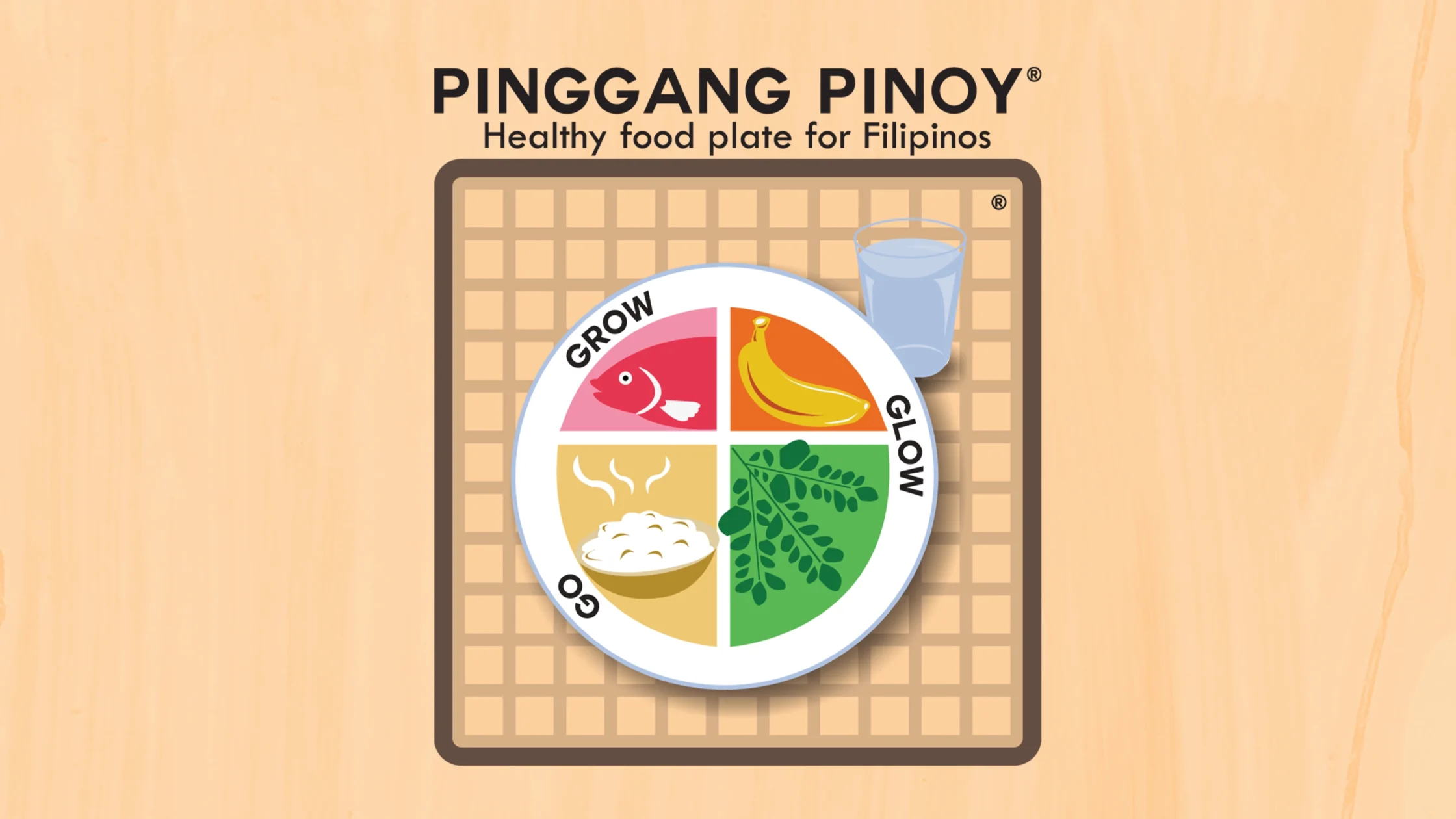
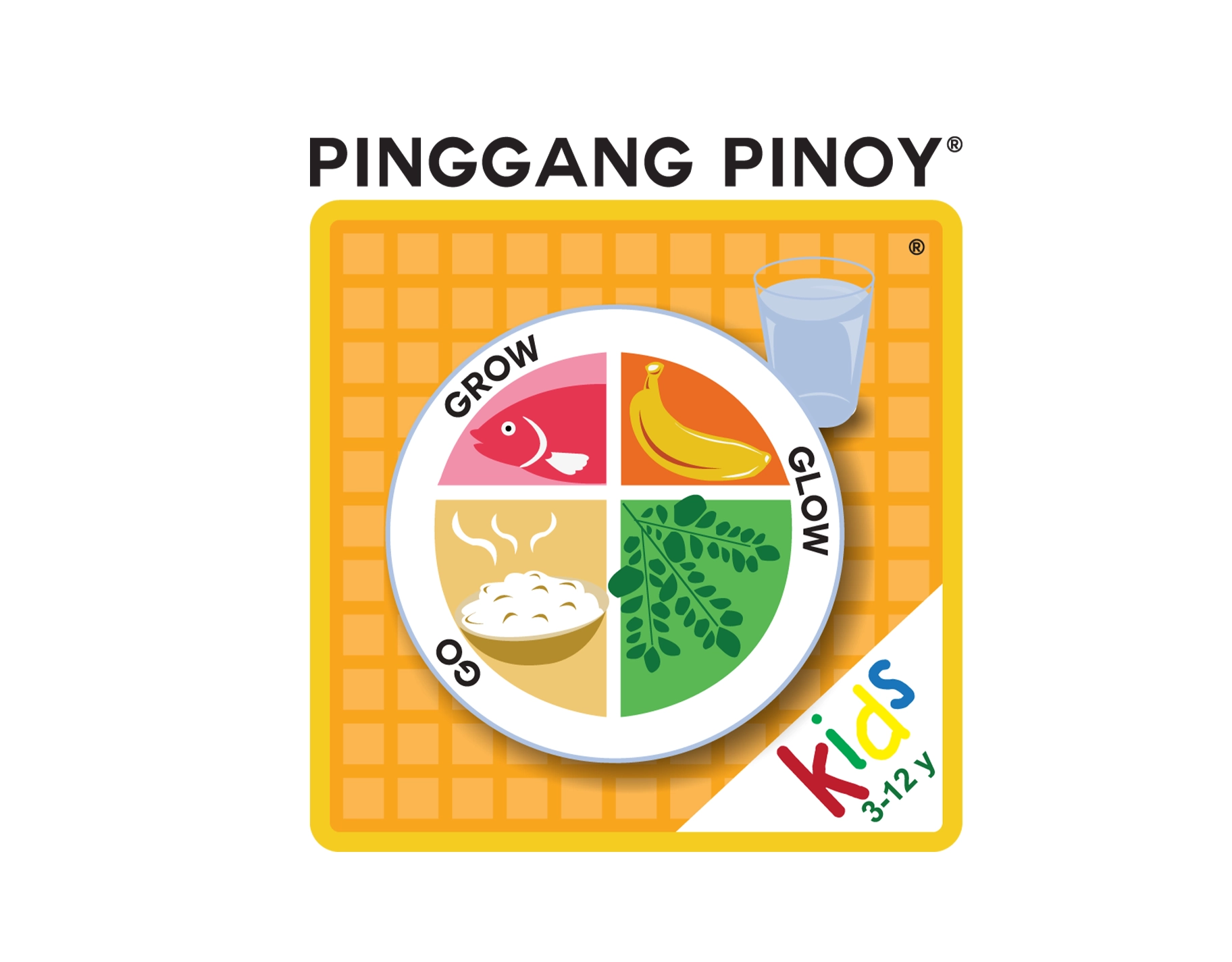
Usually, when we hear the word “Pinoy” in the context of food, the first things we recall are dishes that are either salty, sweet, fatty, oily, or deep-fried. But the truth is, those are just the dishes, and they can be balanced by many other Filipino recipes out there. Pinggang Pinoy, a visual tool developed by the Food and NutritionNutritionThe process of obtaining and using nutrients from food to support growth, energy, overall health, and proper body function. Research Institute (FNRI) under the Department of Science and Technology (DOST), has become the widely accepted guide to making sure every Filipino family has a healthy diet!
Here’s what else we know so far about it:
When was Pinggang Pinoy created?
According to the DOST, the Pinggang Pinoy concept was launched on February 24, 2016, during the 61st Annual Convention of the Nutritionist-Dietitians’ Association of the Philippines (NDAP). The very first Pinggang Pinoy guide developed was for adults. Eventually, the DOST would come up with similar visuals for children, adolescents, the elderly, pregnant mothers, and lactating women. That way, they could account for age, sex, and daily activities.
How can parents use the visual tool?
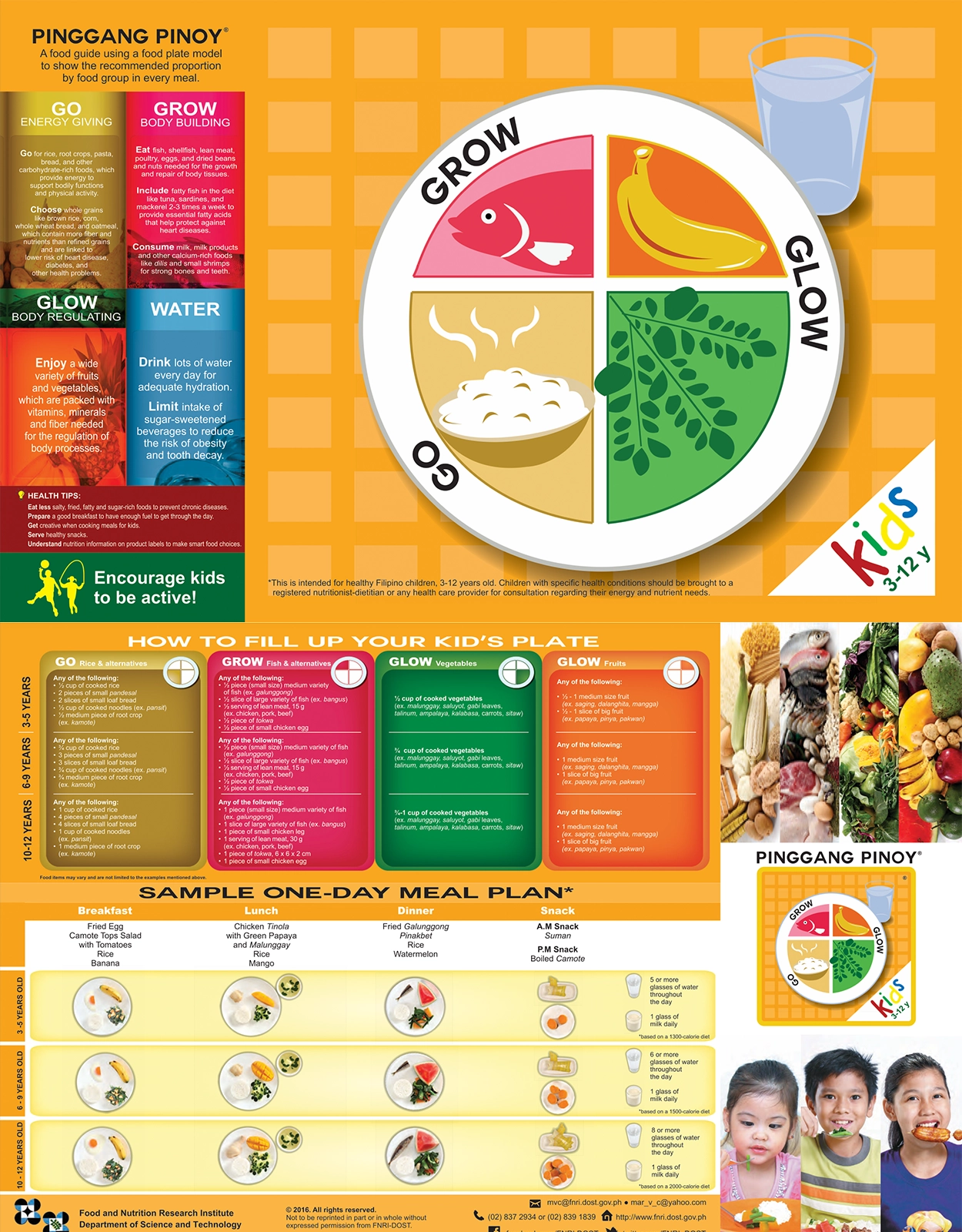
Instead of using the highly convoluted food pyramid, the DOST uses a plate to show the partitions. In the graphics, they also stick to the traditional “go, grow, and glow” food groups to make it easier to understand. Parents can download the guides on the DOST’s page here.
However, the Pinggang Pinoy is still a guideline. Not an iron-clad rule. These guides were made assuming that our kids or we have no allergiesAllergiesAn overreaction of the immune system to a harmless substance such as food, dust, pollen, or pet dander. Common childhood triggers include eggs, milk, peanuts, and seafood, so parents should or any hereditary disease that prevents us from breaking down some foods. It’s still a must to consult the family doctor or a nutritionist, especially when the family has a long history of diabetes, high blood pressure, and other hormone-related metabolic issues related to the thyroid.
What we love about the Pinggang Pinoy guide
When we’re already thinking about two million other things, the Pinggang Pinoy at least settles two things: the grocery list and possibly what to cook. The guide would list down what are some ingredients that are healthy for kids, and if there are none, there are always alternatives. Like, if galunggong (also known as GG in the supermarkets and markets) is not available, there’s always a substitute like Tilapia, Bangus, and other kinds of fish.
It also has serving guides, which are usually for daily meals. However, these serving sizes are also flexible. If our kids are athletes or just have a healthy metabolism, then serving sizes are bound to grow or shrink depending on their activities.
Always consult a nutritionist or the family doctor for diet changes!
In the advent of social media, we’re always on the lookout for ways to ensure our kids are healthy without burning ourselves out. However, the scary part about just jumping into a diet is that some ingredients may be more costly than others. Worse, we don’t exactly know how available that ingredient will always be. Some ingredients, despite the health benefits, are seasonal, like the highly coveted avocado for avocado toast!
We also have to consider that many diets we find on the internet were based on a particular culture and environment. Like, some will say red wine is good for the heart. But, in a lot of cases, Asians can’t tolerate alcohol very well. Turning red may look funny to some, but it’s actually a sign that the body cannot tolerate alcohol at all. It doesn’t always have to be beer that sets it off. More sensitive people even get hit by the most diluted of wines!
At least for Pinggang Pinoy, it was based mostly on ingredients available here in the Philippines. Plus, it’s been tested on most Filipinos. But of course, before getting to any diet, always consult a nutritionist or a family doctor. Lifestyle changes, if they start causing damage, are not easy to fix!
More about food and nutrition?
Rene McHugh-Rodrigo: Healing Naturally
“This is How Food Becomes Your Medicine,” Shares This Mom
This Juana’s Pretty Keen On Staying Green