Dr. Mariyel Liwanag’s Love Letter To The Filipino Languages



UPLB Professor Dr. Mariyel Liwanag creates “Isabuhay,” a board game that preserves the Filipino language and helps families stay connected to their roots
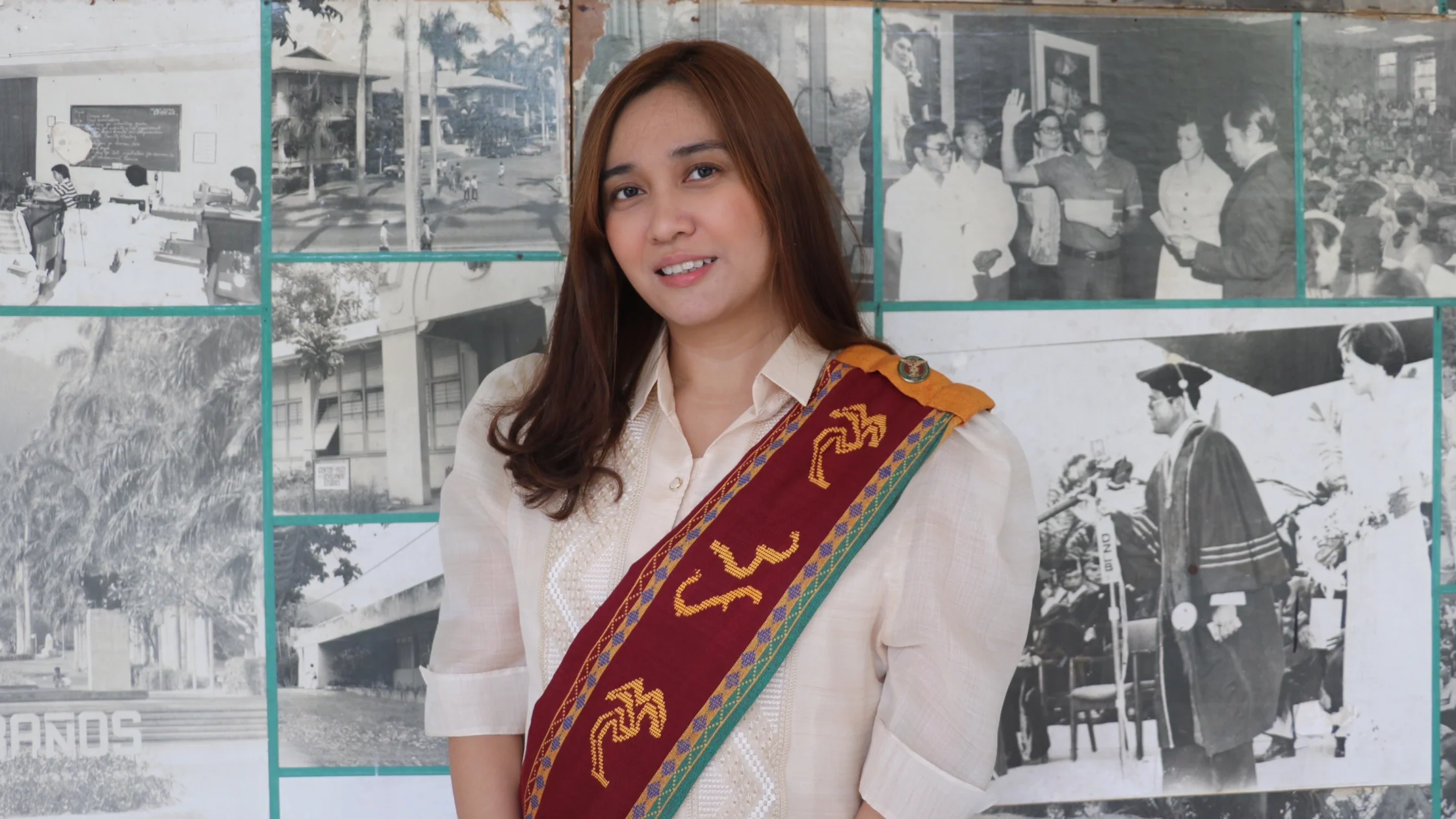
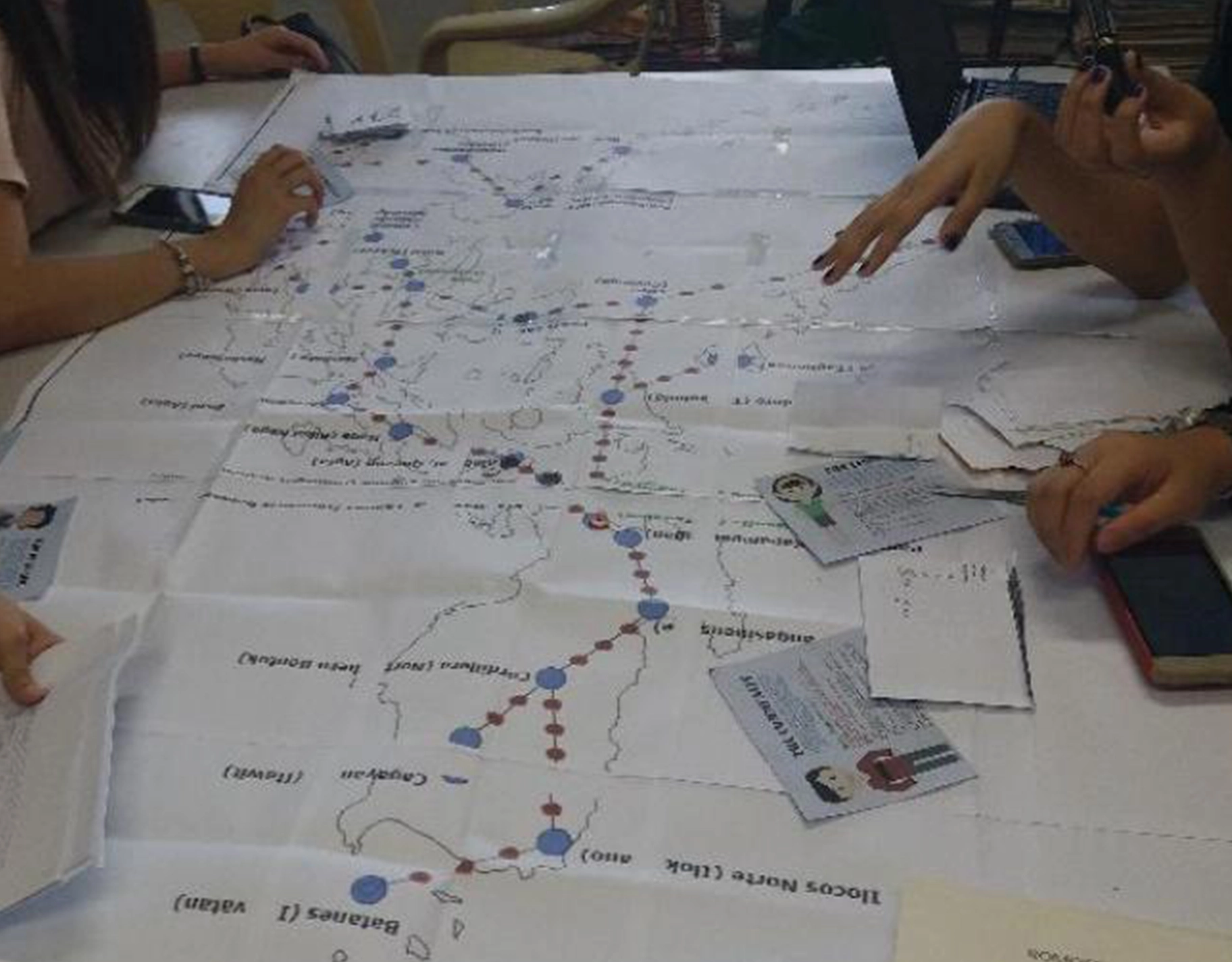
As a linguist whose passion lies in the Philippine languages, Dr. Mariyel Liwanag is no stranger to the struggles of teaching the subject. Especially during Buwan ng Wika, parents and teachers are always desperately searching for activities that properly honor, teach, and preserve the Filipino culture and language. Today, she continuously develops the game concept “Isabuhay” — a board game that aims to preserve the local cultures.
A teacher herself, she pushes for the game’s easy accessibility for her fellow educators. “Pangarap na maging open source ang laro (free-to-download, free-to-play). Naaroon ako sa diwa na ang laro ay DOWNLOAD-PRINT-LARO. I-dodownload ng teacher yung laro, ipiprint niya gamit ang mga resources na available sa kanya (puwede scratch paper, etc.) at puwede na laruin sa klase.“
(It’s my dream to make the game “open source” — free to download and free to play. Right now, the spirit of the game is to “download, print, and play.” All the teacher has to do for the game is to print the resources on whatever resources they have available (like scratch paper, etc.) and the whole class can play!)
The Art of Gamefying Learning
Necessity is truly the mother of invention, especially for Mariyel’s passion project. It’s easy to say to “gamefy learning,” especially with all the board games and video games available. But in 2017, Mariyel had tried every commercial tabletop game she could get her hands on. None of them fit what she needed or hoped to achieve in teaching and preserving the Filipino language.
“Kaya’t noong sumunod na semestre, nagdesisyon ako na gumawa ng sarili na talagang swak o sakto sa mga layunin ng klase at mga paksang tinatalakay,” she reveals.
(That’s why, the semester after, I decided to make a game that would fit exactly what my class was studying.)
Her decision to keep it as a “tabletop game” with no digital counterpart was thought of, as well. “Ang henerasyon ngayon ay marunong sa gadget, gusto kong maging aksesible ang laro sa loob ng klasrum— kahit walang internet o gadget ang isang mag-aaral, puwede siyang sumali.”
(Today’s generation know how to navigate gadgets already. I wanted a game that was accessible in the classroom, even if the students didn’t have internet or gadgets, so anyone could play.)
Isabuhay’s Role in Light of Buwan ng Wika
Although families and teachers can still use the current version (which covers everything until the time of the Duterte Administration), Isabuhay is currently undergoing a lot of improvements, design-wise. She hopes to collaborate with an artist to style an identity for it—to make it stand out amid all the commercial tabletop games and other language apps and games like Duolingo.
While Mariyel embeds it in the game’s DNA to remain “free and accessible to all,” she also remains open-minded to adding more content to the game. “Lalo na ngayon na ang daming pumutok na isyu hinggil sa pagkilala sa mga mandato ng ahensyang nangangalaga sa wika, pagpapatigil ng MTBMLE, atbp.“
(Especially now when there are so many issues on how to care for the Filipino language, like revising the Mother Tongue Based Multi-lingual Education (MTBMLE) policy, and others.)
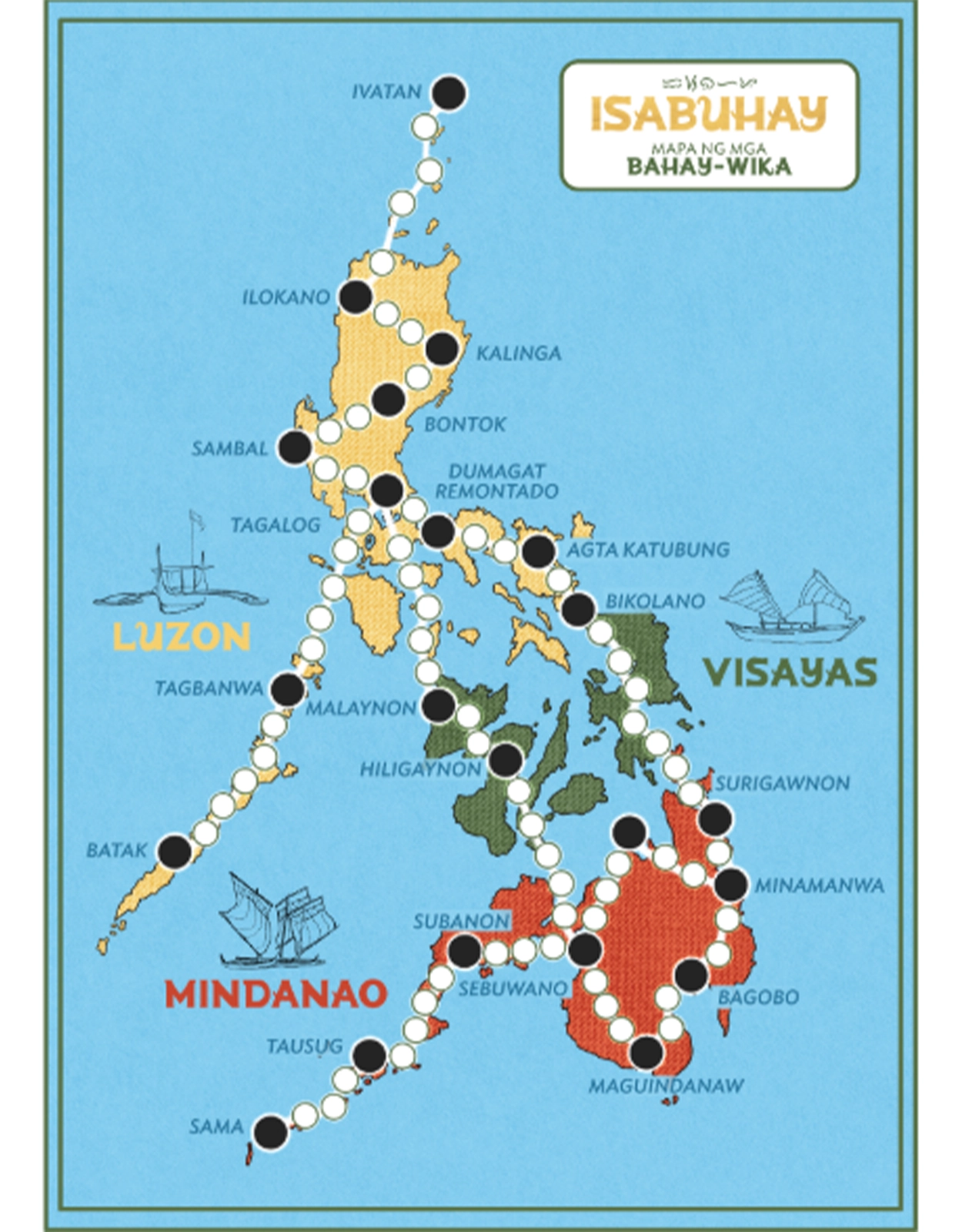
The game mechanics-wise, she disclaims, doesn’t directly preserve the languages. Rather, it enlightens Filipino families that “Filipino language” includes those beyond Tagalog. She explains, “Naroon yung laro sa “awareness” na bahagi — na malaman ng mga mag-aaral na mayroon tayong humigit-kumulang 100 wika sa bansa at may direkta at indirektang epekto ang mga polisiya at iba pang gawain sa pag-unlad at paghina ng gamit ng isang wika. Ang laro ay hinggil sa kasaysayang pangwika ng Pilipinas.”
(Right now, the game focuses more on awareness. By teaching students that there are more than 100 languages under the “Filipino” umbrella, there will be a direct and indirect effect on the policies that will either strengthen or weaken the use of our language. It shares the linguistic history of the Philippines.)
Language as Her Passion
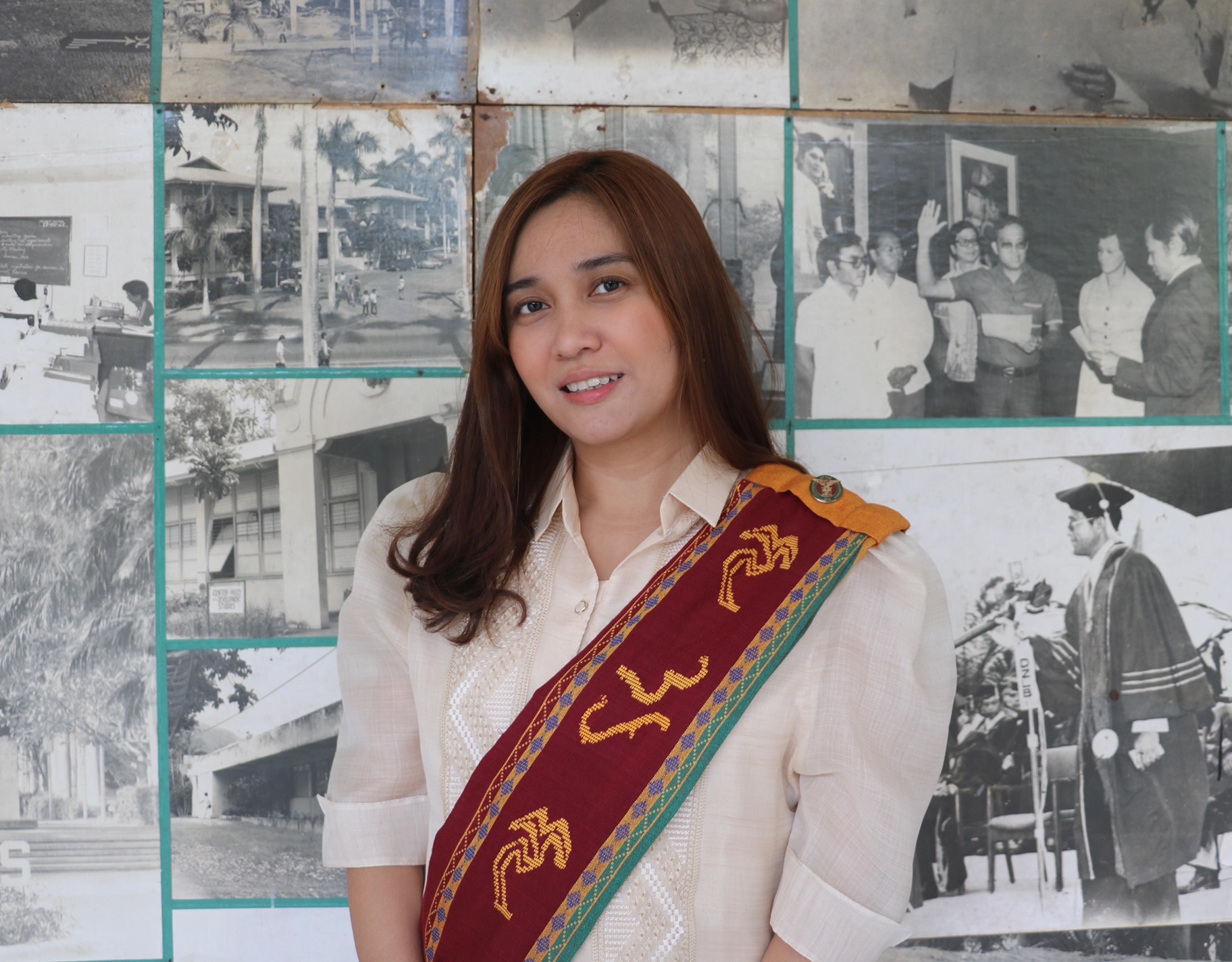
As a passion project, Isabuhay is a manifestation of Mariyel’s—as many have guessed—love for languages. Like many aspiring linguists, she first learned multiple foreign languages, such as basic Spanish, Japanese, and Bahasa Indonesia. However, it’s only upon taking her Master’s in Linguistics that she fell in love with learning the local languages. Today, she’s a professor in the Los Baños campus of the University of the Philippines and the director of the university’s Learning Resource Center.
She credits her exposure to the family of Austronesian languages—one that Filipino languages is also a part of—and her own parents in being able to appreciate various Philippine tongues. She explains, “Madaling matuto ng mga wika sa Pilipinas dahil nasa iisang pamilya ng mga wika (family tree) ang mga ito (Austronesian languages). Naroon din siguro ang mahusay na exposure sa akin kahit noong bata pa ako dahil ang nanay ko ay Surigaonon at ang tatay ko ay Kapampangan. Dahil naririnig ko silang ginagamit ang kanilang wika, may exposure ako sa mga ito.“
(It’s easy to learn the Philippine language since they are all a part of a language family tree known as the Austronesian languages. But I think it’s also because I heard my mom use Surigaonon and my dad, Kapampangan, growing up.)
Navigating the Struggles of Learning and Appreciating Filipino
Especially when the world insists on using English as a medium, many often neglect their skills in Filipino in favor of the former. However, Mariyel insists that it shouldn’t be the case. No language is better than the other, she says. “Scientifically speaking, mayroong kakayanan ang isang taong matuto at gumamit ng higit sa isang wika. Kung may pantay na oportunidad para gamitin ang mga wika, mainam.”
(Scientifically speaking, there’s merit in being able to use or speak more than one language. If the opportunities for the language we use are equal, it works!)
She’s seen languages build communities and even change things on a national level. Whether it’s using basic Surigaonon, Tagalog, or English, the real question—she shares—is how these languages can be used to improve policies that will help the country stand on the global stage or at least, move as a whole.
“Siguro nga, mahalagang balikan kung para saan ang wikang gagamitin. Ingklusibo ba ito? Mauunawaan ko kung mga bahagi ng pagdedesisyon ay matatas lahat sa wikang Ingles. Kumbaga, walang mapag-iiwanan dahil sa wika. May angkop na wika sa bawat lugar (konteksto) at usapin,” she elaborates.
Technology has created bridges and with it, endless opportunities to encourage love languages. Not just Filipino, but even its brother and sister languages that are spoken in the different provinces. And for the many parents who struggle to teach their kids the art of communication and language, she encourages them to embrace the technology available.
“Hindi kailangang pagtunggaliin ang mga wika sa isa’t isa dahil may kanya-kanya itong gamit para sa atin. Ngayon, dahil sa ating teknolohiya, maraming oportunidad para matuto ang mga bata ng iba’t ibang wika kung kaya i-maximize natin ang mga ito.”
(We don’t have to restrict the use of language since they have its uses. Today, with our technology, there are so many opportunities for our kids to learn the language. It’s time to maximize it!)
As families and schools celebrate Buwan ng Wika 2025, Dr. Mariyel Liwanag’s Isabuhay is an opportunity to learn and appreciate the Filipino language. But to her, it’s more— Isabuhay is a love letter not just to the Filipino languages but to the families who have passed down their stories in their native tongue.
More about Buwan ng Wika or Filipino culture?
How Families Can Celebrate Buwan ng Wika 2023
Buwan ng Wika 2025: Finding Every Filipino Family’s Language
Raising Bilingual Kids: How To Balance Filipino and English at Home