Living the Organic Life: How Families Can Make the Switch



As families choose a more organic lifestyle, here are some ways parents can make the switch
It’s not easy to live an organic lifestyle, especially when it can be challenging to distinguish what is from what’s not. As we look for more ways to improve our kids’ diets, we often get overwhelmed with the number of choices in the supermarket. We know that more expensive doesn’t necessarily mean healthier or more sustainable. But we also know that investing in ingredients (and thus our kids’ meals) means fewer visits to the hospital.
The good news? Shifting to a more organic lifestyle doesn’t mean you need to overhaul your life overnight. It’s about small, sustainable changes that add up to a healthier home and a lighter footprint on the earth. Here are some ways we can start:
Go organic with one produce that we normally use
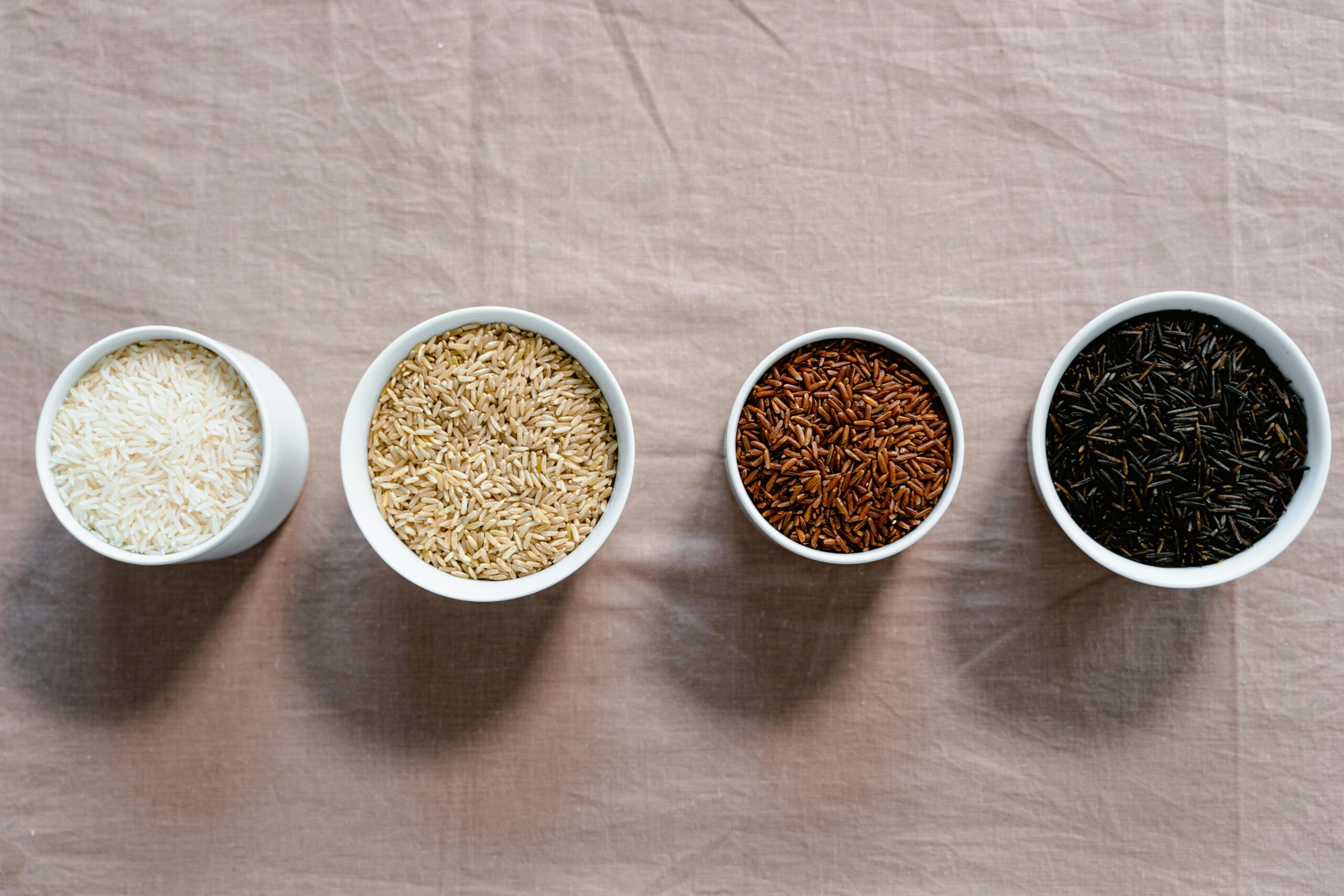
We don’t have to switch the entire pantry into “organic” right away. It’s okay to start small. Perhaps start with a specific type of vegetable. Or, as Filipinos, start with rice. Since we eat a lot of rice, there are probably a lot of organic rice brands out there for us to try.
Organic produce is grown without synthetic pesticides, fertilizers, or genetically modified organisms (GMOs). When you choose organic fruits, vegetables, grains, and meat, you’re not only reducing your family’s exposure to potentially harmful chemicals—you’re also supporting farming practices that enrich the soil and protect biodiversity.
Ensure the food has been properly certified
Declaring a product “organic” is something the world, particularly Europe and the United States, takes seriously. They usually enlist third-party research organizations to make sure that the product passes several tests to ensure that they don’t have any chemicals or artificial additions.
Usually, these products have stickers saying things like “USDA organic certified,” “JAS organic,” “Control Union certified,” or even just have the EU Organic logo on them. Some products like Arla, Naturland, and even Dole have that certification.
Go beyond food and cleaning
A lot of times, our kids’ allergiesAllergiesAn overreaction of the immune system to a harmless substance such as food, dust, pollen, or pet dander. Common childhood triggers include eggs, milk, peanuts, and seafood, so parents should are caused by the constant intake of chemicals and synthetic materials. Clothing, skincare, and personal care items can also be sources of hidden chemicals. Choosing organic cotton for baby clothes or natural shampoos and lotions for kids means fewer synthetic dyes, fragrances, and irritants touching their skin. Over time, these small swaps create a safer, gentler environment for your family.
Make It a Family Affair
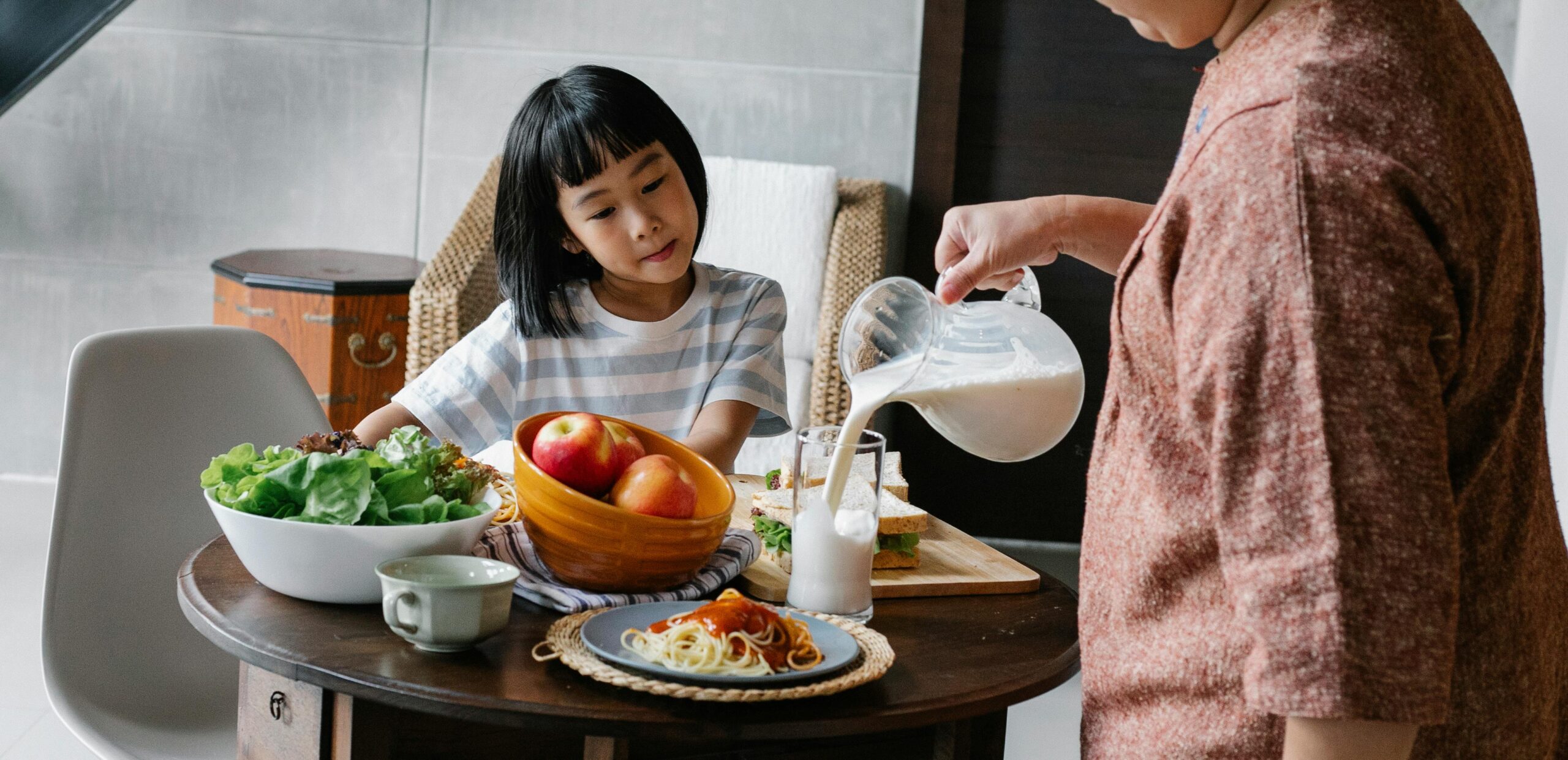
Going organic works best when it’s a shared mission. Involve kids in grocery shopping, meal planning, or even growing your own vegetables in a small backyard or balcony garden. Teaching them where food comes from fosters appreciation for nature and healthy eating habits.
Keep Balance in Mind
It’s okay if we can’t find organic counterparts for certain things. Some organic products may feel like a “money sink” or a “time sink” whenever we invest in them. But that’s what they are: an investment. It may feel a bit expensive at first, but that’s why we need to check: can we sustain this in the long run? Most of all, is it worth maintaining?
An organic lifestyle is an investment in family health
Living an organic lifestyle is less about labels and more about love for your family’s health, for the food you eat, and for the planet we all call home. By making thoughtful choices and involving every member of the household, families can create a cleaner, safer, and more connected way of living—one meal, one swap, and one habit at a time.
Frequently Asked Questions (FAQs)
It can be—at first. Organic products often cost more because they require more sustainable farming methods. To manage costs, buy in-season produce, shop at local farmers’ markets, or prioritize organic for the foods your family eats most often.
Organic foods have fewer synthetic chemicals and are grown in more nutrient-rich soil, but they still have the same basic vitamins and minerals as non-organic produce. The real advantage lies in reducing exposure to pesticides and supporting environmentally friendly practices.
Absolutely. Start with small changes—like buying organic eggs or switching to chemical-free cleaning products. Gradual adjustments are easier on your budget and help kids adapt without resistance.
No. Organic products are certified to meet strict farming and production standards, while natural simply means minimal processing and no artificial ingredients. Always look for official organic certification if that’s your goal.
Yes—but in more ways than one. Beyond reducing chemical exposure, choosing organic supports local farmers, encourages sustainable agriculture, and teaches kids the importance of caring for the environment. Even small steps can inspire healthier habits for generations to come.
More about health and organic living?
Rice Cooker Recipes: Healthy, Tasty, and Easy
Movie Night Snacks: Healthy and Delicious
6 Snack Hacks for Diabetic Moms and Dads