When Should I Send My Kid To School?



There’s no question as to whether we should send our kids to school. It’s when.
We all want our kids to have quality education; it’s a matter of when that learning journey starts. As studies preach over and over again about the developmental milestonesMilestonesSkills most children reach by certain ages, such as smiling, sitting, walking, speaking, and sharing. They serve as general guides rather than strict deadlines, and parents should talk to a, kids’ true first day of school varies across ages. Some parents don’t send their kids to Nursery and head straight to Kindergarten. Others prefer to go through Nursery and alternative forms of schooling to get a head start.
So how do we know when? Here’s what we can ask ourselves:
Are we medically prepared to send our kids to school?
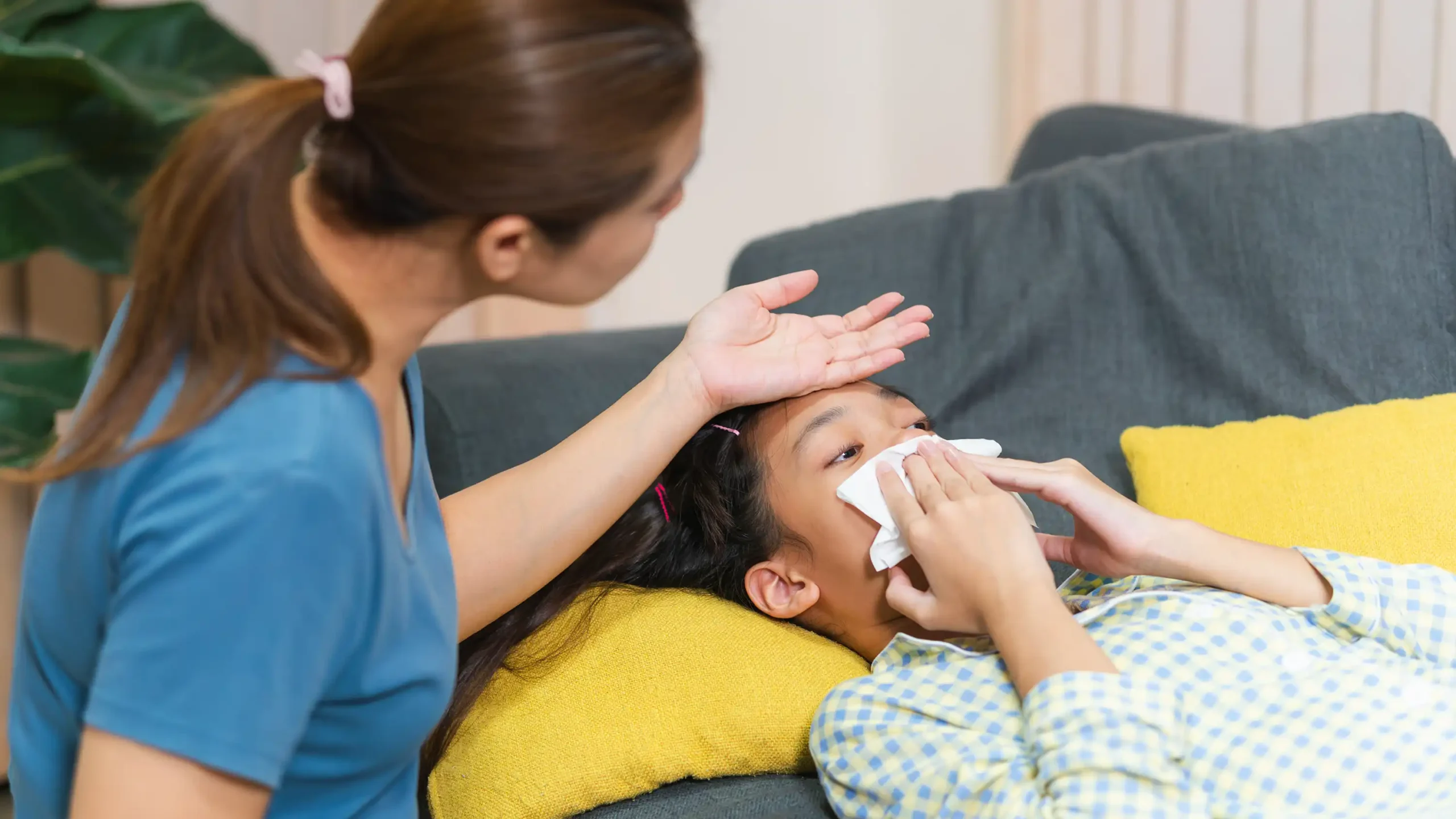
Some kids, when born with autoimmune disorders or chronic diseases, will definitely struggle without the proper help. And when they have a hard time, they also won’t learn. When finding a school, it has to be open and willing to help the child learn, even with a chronic disease. Sometimes, it may even mean being friends with the school nurse.
However, that doesn’t mean not preparing our kids to handle the issues themselves. Some kids are taught as early as three years old how to respond to their disease’s “attacks” or “episodes.”
Will our kids be with others their age?
Because of the constantly shifting school year and curricula, kids often end up in the grade levels that they may be either “too ahead” or “lagging behind.” While schools usually decide that with an entrance test, it also depends heavily on the school year. Some kids are grouped depending on their birthday, leaving them with peers who may be a little older or younger than them.
While age isn’t a big problem for older kids, younger kids need their peers to learn faster. Because they’re the same age, they can immediately relate to them and see that they, too, are capable of learning the subject matter.
Are we mentally prepared to let go?
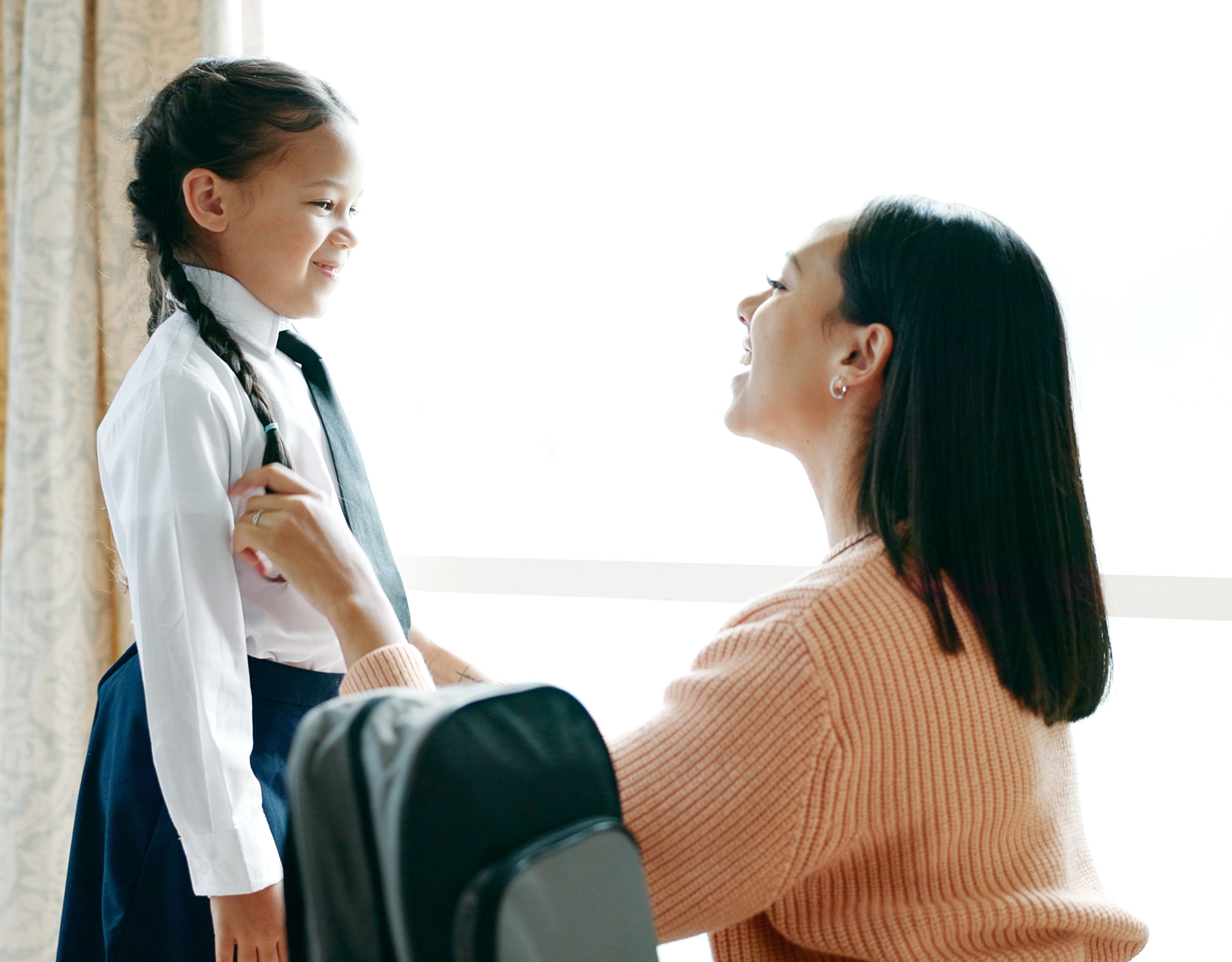
A lot of times, our kids develop “clinginess” because they can also sense that we’re not ready to let go. We’ve gotten so used to the chaos they bring into the house that the peace can feel a tad strange. Plus, we are their source of warmth and security. School looks like a big, cold, and scary place to them. It doesn’t help that the grill on the school gates may remind them of a jail cell.
While we all dream of being very “hands-on,” we also have to acknowledge that we don’t know everything. Our biases, academic knowledge, and lifestyle are a single perspective in life. For kids to grow, they need to see how other kids live. The screen can only “simulate” the learning; not go in depth.
Will they have to transfer schools often?
It’s not uncommon for schools to close down out of nowhere. However, that becomes problematic for the kids: with their learning cut short, they either miss out on a lot of basics or don’t learn how to apply the concepts. So if ever we do send our kids to a particular school, check if they’re accredited or have any issues. Usually, the parents from said school will have insider knowledge.
Not all schools cover the whole academic lifespan. Some schools only reach up to Grade 2. Others only reach Grade 7. Either way, transferring from one school to another can be a little stressful for our kids because they’re in a constantly changing environment. Sure, they’ll learn how to adapt quickly, but they may not be able or be as willing to make friends because of the change.
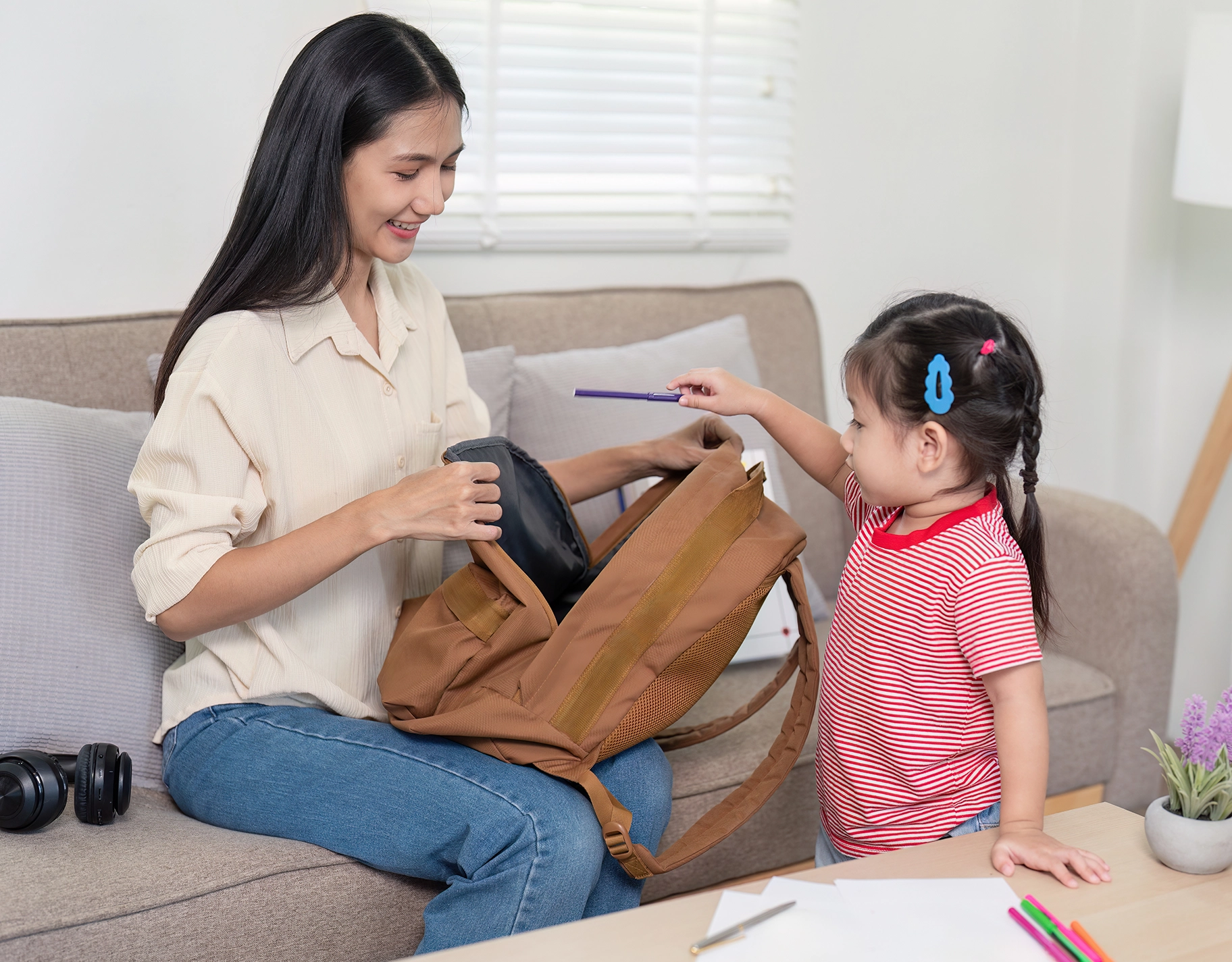
Sending the kids to school is a big change for both them and us
While most kids should go through school, it’s okay if they can’t do so right away. Learning should not force them to risk their lives or compromise their health. Although some educators know first aid, more debilitating disorders and diseases need specialized care.
Unfortunately, not all schools are open to kids having a “tail” to follow them around. Some see it as an impediment to their independenceIndependenceA child's growing ability to do things alone, from dressing and eating to making choices and solving problems. Parents encourage it by assigning age-appropriate tasks, allowing safe mistakes, and praising. Other schools feel that other parents will insist on their kids having a “tail” too, making it hard for the other kids to develop coping mechanisms.
It’s a big decision for any parent as to when to send their kids to school. So it’s okay to take some time. Do a little bit more research. Snoop around the parent communities of potential schools. There’s nothing wrong with a parent doing their due diligence before sending their kids to a place where they physically can’t be.
Frequently Asked Questions (FAQs)
There’s no universal answer. Some parents skip nursery and start at kindergarten, while others opt for early programs to give their child a head start. The key is matching the school’s readiness expectations with your child’s developmental milestones—emotionally, socially, and physically.
If a child has chronic conditions or immune issues, medical preparedness is just as important as academic readiness. Parents should look for schools that can provide support (like trained nurses or flexible policies) while teaching kids age-appropriate ways to manage their health.
Not always, but peer alignment helps younger children learn and socialize more effectively. Schools typically group students by birthdate or entrance exams, but parents should ask how age differences are handled to ensure their child feels included and confident.
Very. Frequent transfers—whether due to a school’s limited grade levels or sudden closures—can disrupt learning and make it harder for kids to form friendships. Before enrolling, check a school’s accreditation, track record, and plans for higher grade offerings.
It’s natural to feel anxious about sending your child into a new environment. But kids can sense our hesitation, which can make separation harder. Preparing yourself emotionally—by visiting the school, talking with teachers, and connecting with parent communities—helps you project confidence and security to your child.
More about kids and school?
Kids Melting Down After School? It’s Called After-School Restraint Collapse
Traditional School Subjects That Should Make A Comeback
Traditional vs. Progressive Schools: Which is Best for Your Child?