
Play After the Storm: Why Fun Is Part of Healing



Sometimes, the best way to weather the storm is for kids to play
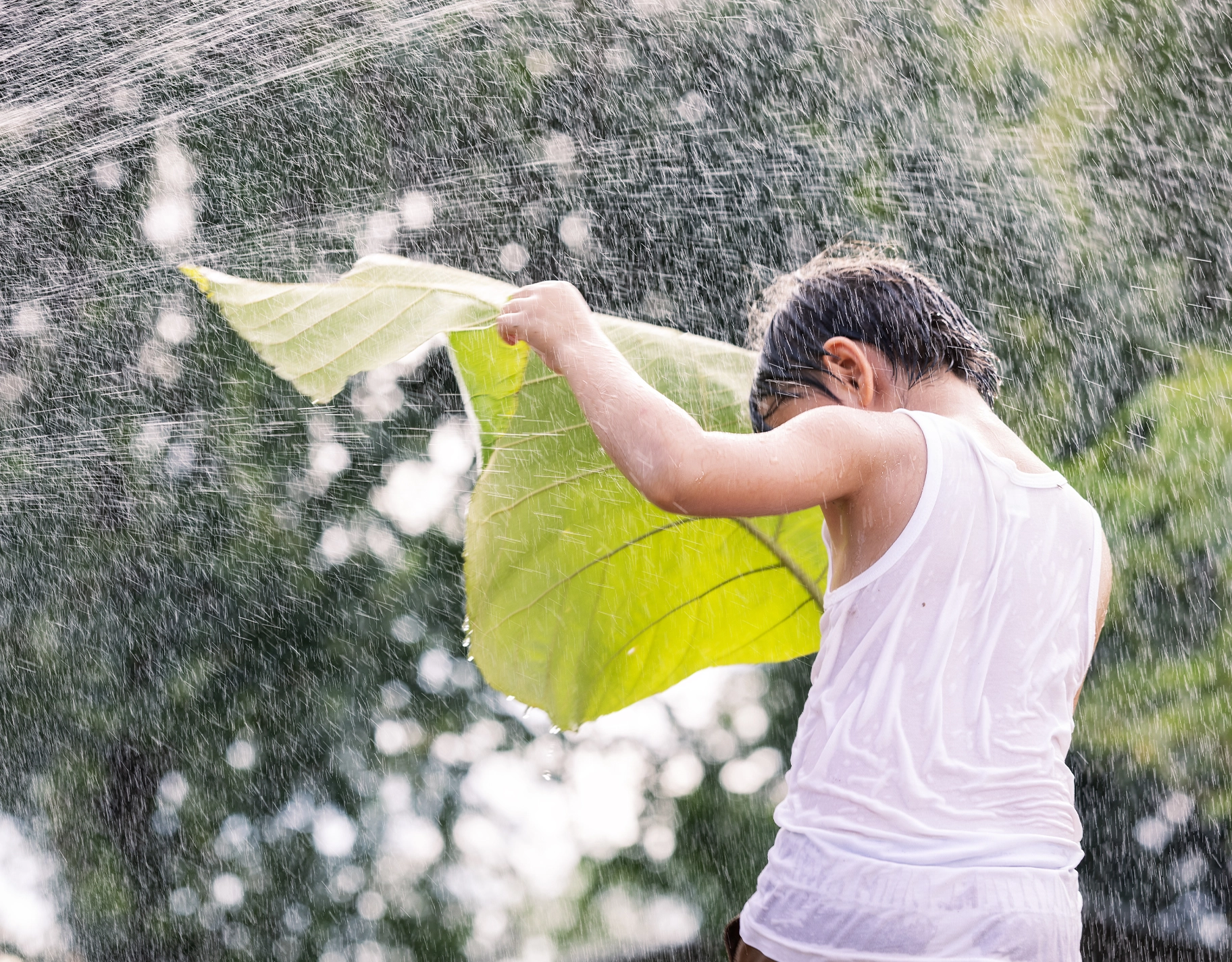
Many foreigners often wonder why Filipinos seem to “play” or laugh in the pouring rain. In a way, it helps them cope with something they can’t control. Using basins as a boat, dancing and singing in the torrential rain—they may be childhood memories, but indirectly, they were coping mechanisms too. They saw the rainy and typhoon season as a part of the Filipino lived experience.
Here’s why play therapy matters and how parents, teachers, and communities can use it to help little hearts recover after the storm.
What Is Play Therapy and Why Does It Work?
Play therapy is a structured form of therapy that helps children express emotions, process trauma, and rebuild confidence through play. Instead of asking kids to talk about their fears (which can be overwhelming or confusing), play provides a safe way for them to express what they feel.
The approach is rooted in the belief that play is a child’s natural language — and toys are their words. Through play, they communicate what’s hard to say aloud: fear, confusion, or even bravery.
A Little History
Play Therapy started in the early 20th century. While Carl Rogers developed the principles for play therapy, it was American psychologist Virginia Axline who formally executed the principles into non-directive play therapy. The method aimed to, through play, help children resolve their traumas and emotional struggles themselves by freely expressing themselves through play.
Today, play therapy is widely used worldwide — including in the Philippines — to support children after trauma, such as natural disasters or displacement.
The Science Behind the Smiles
Research shows that play reduces stress hormones (like cortisol) and boosts serotonin, which helps regulate mood. It also supports neural recovery — the brain’s way of rewiring itself after distress.
After a typhoon, children may show signs of trauma through nightmares, withdrawal, or aggression. Play helps them regain a sense of control, order, and imagination.
Whether they build a “safe house” out of blocks or draw a sunny sky after days of rain, these small acts help them reimagine safety and hope.
Types of Play Therapy Parents Can Try at Home
You don’t need fancy toys or formal training to support your child through play. Here are different types of play therapy you can gently integrate into their routines:
- Imaginative Play – Let your child create stories with dolls, puppets, or action figures. This helps them express emotions and rewrite “scary” moments in their own way.
- Role-Playing – Take turns pretending to be “teacher and student” or “doctor and patient.” It helps children process experiences, build empathy, and regain confidence.
- Creative Play – Drawing, coloring, painting, or molding clay helps children externalize emotions they can’t yet describe in words.
- Sensory Play – Activities involving touch (like sand play or water play) calm anxiety and help kids ground themselves in the present moment.
- Constructive Play – Building things with blocks or recycled materials gives children a sense of agency — a powerful antidote to the helplessness trauma brings.
How Parents and Teachers Can Create “Safe Play Spaces” After a Typhoon
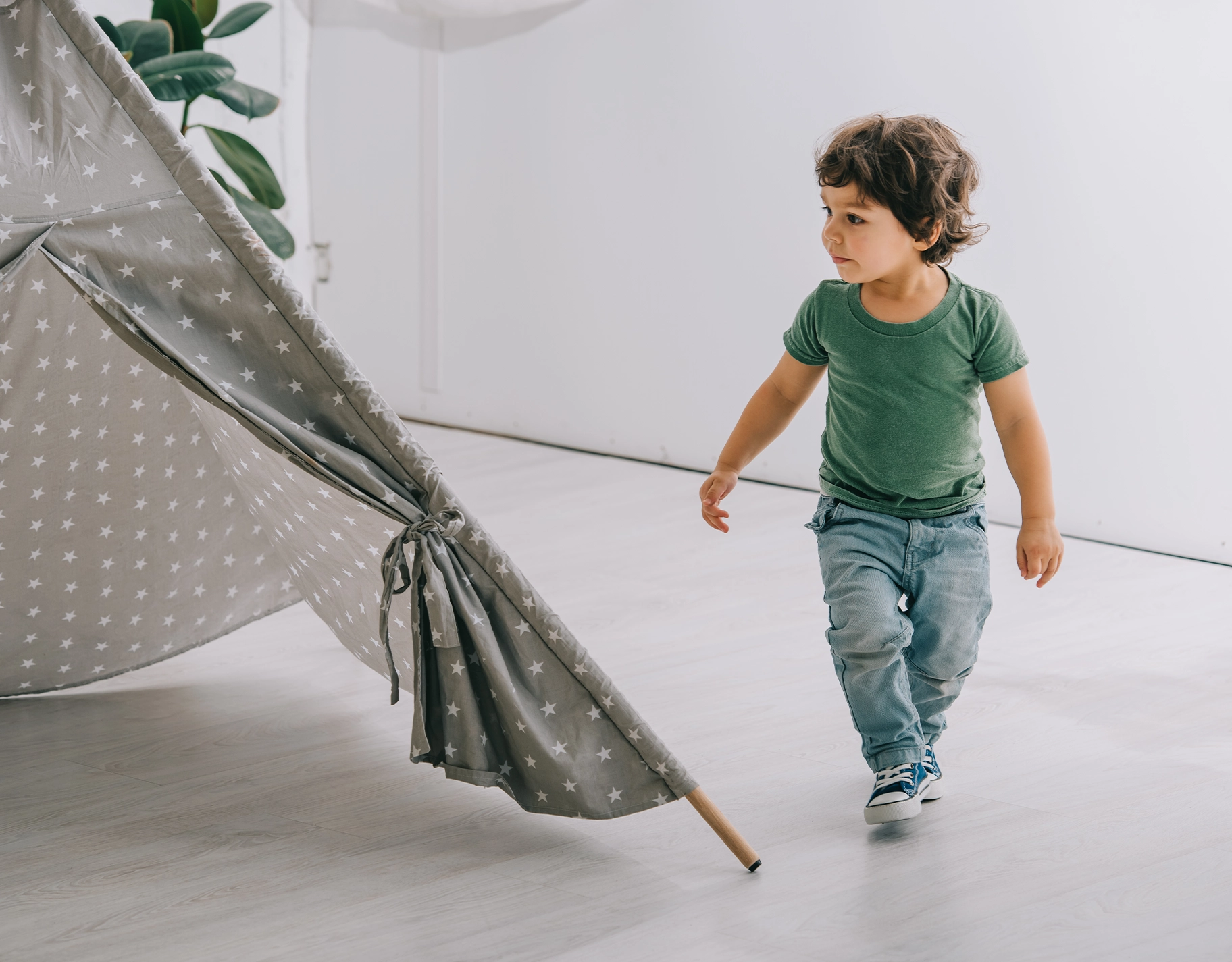
Even in evacuation centers or makeshift classrooms, adults can carve out safe spaces for play.
Lay out mats, boxes of crayons, donated toys, or musical instruments. The key is consistency and maybe a few minutes of structured playtimePlaytimeTime for children to explore, imagine, and move freely. Play builds language, creativity, problem solving, and friendships, and parents who join in on the floor strengthen their relationship while learning each day helps rebuild a sense of normalcy.
Teachers and volunteers can use games to promote teamwork, storytelling, and emotional release. Parents, meanwhile, can encourage laughter and curiosity at home.
Remember: you don’t need to fix your child’s emotions. Just being there — playing alongside them — reminds them that joy still exists, even after chaos.
Healing Together: One Playdate at a Time
Play therapy teaches us that resilienceResilienceThe ability to bounce back from setbacks, disappointment, and stress. Children build it through supportive relationships, chances to solve problems, and adults who show that mistakes are part of learning isn’t built by suppressing emotions, but by expressing them.
When parents, teachers, and communities prioritize play, they keep kids busy while helping them make sense of the world, one story and one smile at a time.
So after the next storm, when the rain stops and the sun peeks through, don’t rush to clean up every mess right away. Let your child build castles from fallen branches or paint new rainbows on old walls. Because in every playdate or form of playtimePlaytimeTime for children to explore, imagine, and move freely. Play builds language, creativity, problem solving, and friendships, and parents who join in on the floor strengthen their relationship while learning, there’s healing and looking forward to a world beyond the cloudy skies.
Frequently Asked Questions
Actually, play is very loosely defined and kids of all ages can benefit. Studies often show kids ages 3 to 12, but it depends on the nature of “play.” Teens can “play” too through video games or even party games.
Parents are encouraged to reinforce play therapy at home. While certified play therapists are ideal for deeper trauma, parents can create safe and imaginative play sessions daily.
Teachers can integrate storytelling, art, and role-play into lessons to help students process emotions while learning.
It depends on the trauma and how it was processed. Some take days. Others take weeks. More severe traumas can take months to years. At the end of the day, all forms of therapy require self-realization.
Yes. It’s increasingly used in schools, hospitals, and NGOs, especially after natural disasters, under child psychology and psychosocial support programs.
More about typhoons and coping?
After the Storm: How Filipino Families Can Rise Beyond Resilience
During Typhoons, It’s National Disaster Resilience Month
How Brain Training Helps Kids Build Resilience