What Do We Do If Our Kids Become Too Sheltered?



This is what happens when our kids become “too sheltered”
Life is full of risks—even more so with the rapid development of technology. Dangers are no longer physical. They can be online and unseen, making parents more anxious and protective of their children. Some take away the screen. Others curate the activities they feel are “the best.” It’s only when our kids leave the nest that we discover that our constant protection may have backfired and left them very “sheltered.”
But letting our kids experience the harsh reality isn’t something we can easily and instinctively do. Often, it’s something we force ourselves to do.
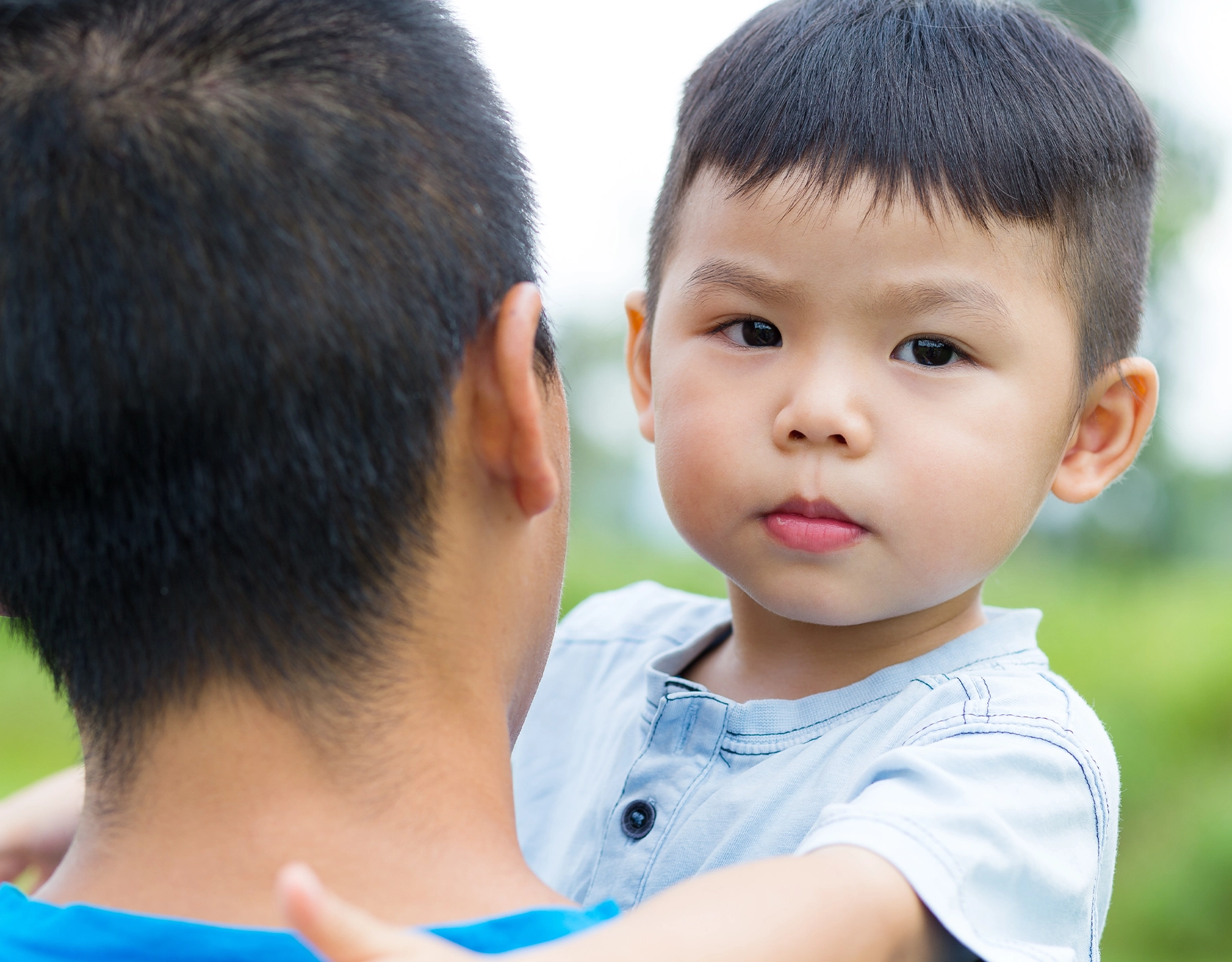
Why it’s Hard to Tell if We’re Sheltering Our Kids
It’s normal for every mom and dad to protect their kid. It’s instinct; otherwise, something’s usually physiologically wrong.
We feel this every time a kid falls into the dirt and gets scratches or bruises. Adrenaline rushes. Several worst-case scenarios form in our heads in seconds. Our anxiety skyrockets, and no parent loves being caught flatfooted. It’s why mom bags are always these large tote bags: they contain an entire pharmacy and the house. For dads, it’s why they have the reaction times and reflexes of a cat. Even if they didn’t have it before.
On the mental side, however, we often believe it is far better to err on the side of caution. Many risks that we used to take as young professionals can feel so life-threatening that we’d rather not find out. With wisdom and experience on our side, we start controlling every little thing we can to prevent our kids from experiencing the harsh things we did.
So, in a lot of ways, it feels morally right.
Signs That We’re Sheltering Our Kids Too Much
Sheltering our kids is often subtle. We don’t normally notice the effects until much, much later, when they go to places without us. In the Philippines, the effects of sheltering usually pop out in college, when they start working, or worse, when they move out or get married.
So, how do we know we’re sheltering our kids? It can look like this:
- Telling them only the bad things that can happen. Being skeptical is good, but part of it is also telling the possible “good” that can happen from a certain situation.
- Avoiding inevitable topics. Drinking, smoking, sex, death, and toxic relationships — all these need to be talked about because they’re bound to happen. Hopefully, not to them, but there’s a good chance they’ll see it.
- Using the same explanation to avoid certain things. Things like, “Oh, they’re not that strong,” or “They’re so clumsy; they can’t do that!” — we have to ask ourselves if we’re saying that to genuinely protect them or ourselves from the stress of dealing with things. While it’s okay to be careful due to medical reasons, those reasons shouldn’t limit their learning scope.
- Avoiding deep conversations. Talking about the metaphysics develops our kids’ abstract reasoning. Avoiding it leaves them stuck in surface-level analysis. We do have a saying, “Never judge a book by its cover.” So, how can we teach them that when we’re also avoiding the more abstract topics like religion, justice, etc.?
The Extreme of Sheltering: Helicopter Parenting
Nobody wants to be labeled a helicopter parent, but it will show. These kids often grow into adults who fear taking the initiative. They may also become unwilling to dig deeper into the situation and find the root cause. They’re often victims of confirmation bias: a phenomenon wherein they will only believe things that suit their worldview.
How do kids outgrow their sheltering?
It’s often a conscious choice on the kid’s part when they grow up. Sometimes, kids discover that there’s a bigger life out there. When they do, they learn a technique schools don’t teach: how to blend and adapt to an environment. They see us as their first obstacle, developing masks and identities to fit a certain situation. At home, they’re the quiet kid who just follows what we want them to do. At school, they could be a different animal.
They don’t create these masks out of malice. They do so because they’re afraid—they fear our judgment when they’re just doing what we’ve always told them to do: indulge their curiosity. Explore.
Sometimes, we don’t even see that they’ve outgrown it. Suddenly, they just emerge with the knowledge to do things we never taught them how. We never did it, but we’re sure someone did.
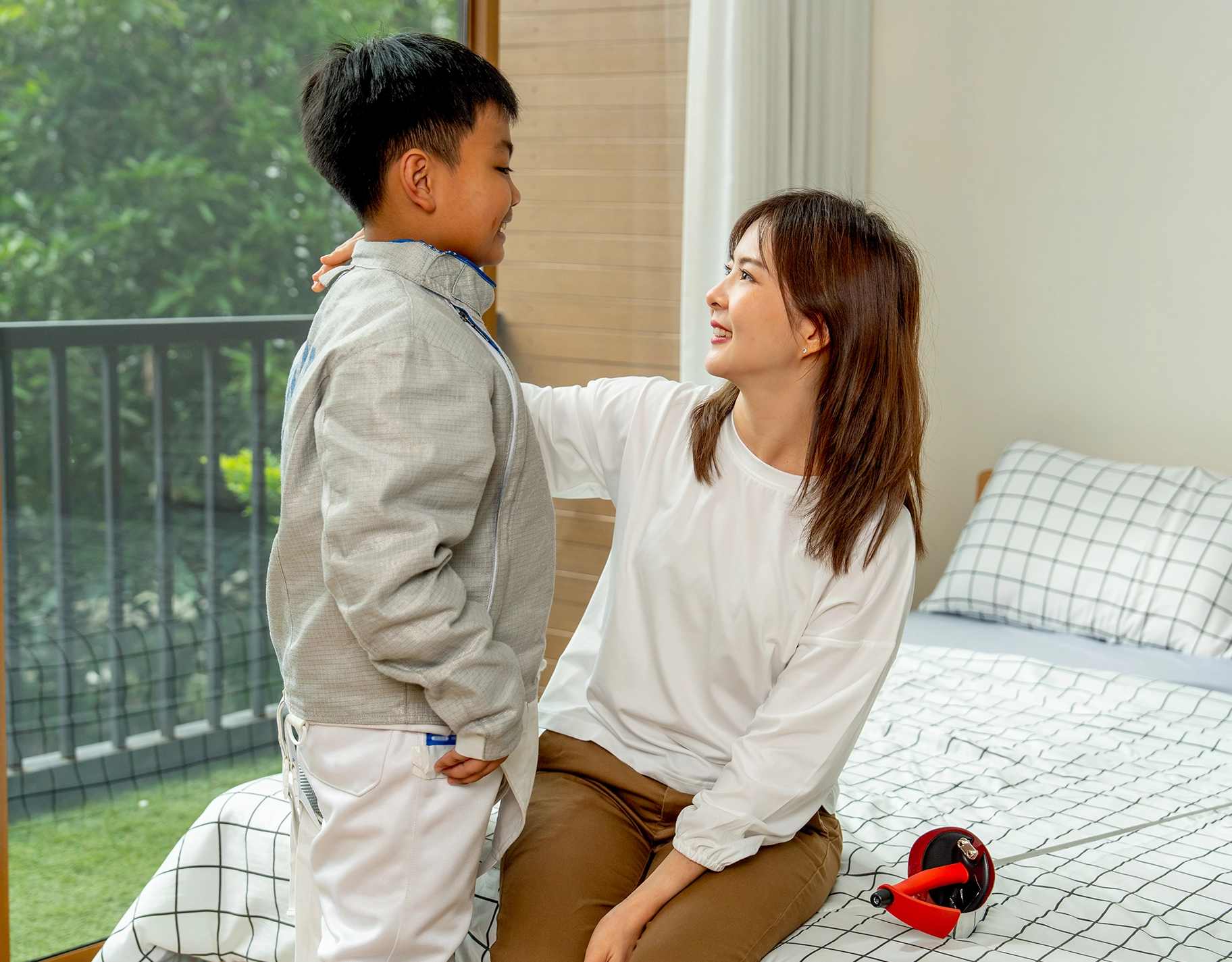
Some lessons are better taught through experience
We want to teach our kids everything. The problem is, we don’t know everything. Worse, some of the things we know may even be obsolete.
Some parents have found a way to counter the need to shelter by adopting what some call: FAFO. Short for “f*ck around and find out,” some millennial parents have adopted this approach after months of trying to “gentle parent,” and it just doesn’t cut it.
This doesn’t mean abandoning them in their time of need. We can still linger around. Just that, when we feel the urge to intervene, stop ourselves. Wait for them to come up with something. Because chances are, they will. And who knows? Maybe they’ll come up with a better solution than we can.
Frequently Asked Questions (FAQs)
It means the child has been overly protected from real-world challenges or uncomfortable experiences, making it difficult for them to adapt or make decisions independently.
If you constantly intervene in your child’s conflicts, prevent them from taking reasonable risks, or control most of their decisions, you might be sheltering them more than you intend.
Over-sheltered kids may grow up anxious, indecisive, or afraid of failure. They might also struggle with independence, resilience, or social adaptability in adulthood.
Start small: let your child make age-appropriate choices, take safe risks, and experience natural consequences. Don’t try to influence their decisions. Let some of them happen.
Yes — with time and support. Encourage curiosity, allow exploration, and model problem-solving instead of immediately stepping in. Growth often happens through experience, not instruction.
More about parenting in the real world?
April as National Stress Awareness Month: Raising More Resilient and Compassionate Families
Compassion Fatigue: When There’s No Love Left to Give
The Snowflake Generation: are parents raising kids who melt too easily?