
Cleaning the Little Chompers: A Guide Brushing Your Baby’s Teeth



Here’s a basic guide for parents as they brush their baby’s teeth
When that first tiny tooth peeks out, it feels like magic — and then comes the part no parent can skip: brushing. Yes, even if your baby is more interested in chewing the brush than letting you use it, starting early sets them up for a lifetime of healthy habits. A baby’s teeth take time to fully grow in, but getting your little one used to the routineRoutineA predictable daily rhythm for waking, meals, school, play, and sleep. Routines give children a sense of security, reduce power struggles, and make busy mornings smoother, while some flexibility keeps now means fewer cavities (fingers crossed!) and fewer tooth-related surprises later on.
Here’s how to make baby toothbrushing feel less like a battle and more like bondingBondingThe emotional connection that forms between parent and child through touch, eye contact, voice, and responsive care. Skin-to-skin time, feeding, and simply talking to a baby all strengthen it, and.
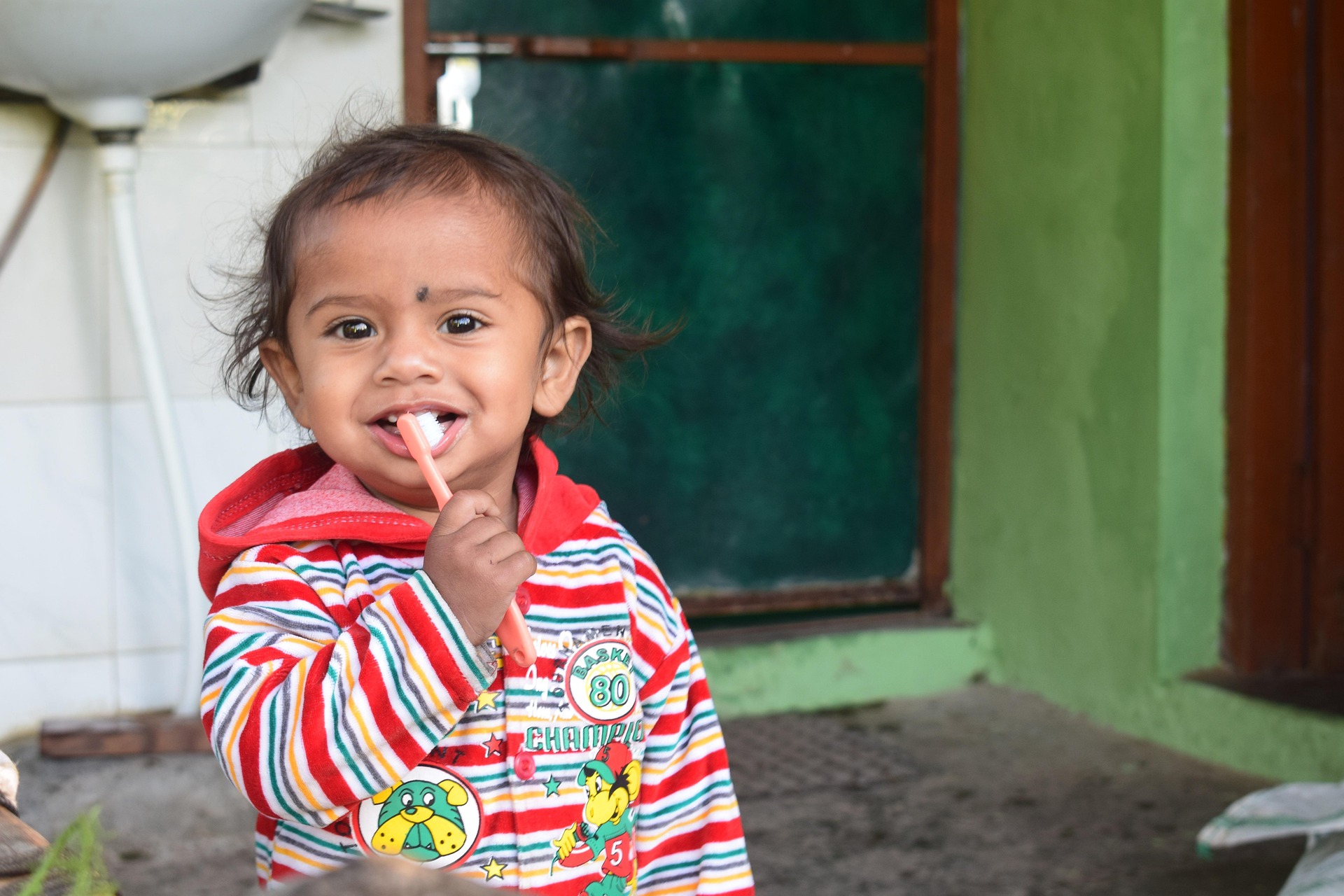
1. Start Brushing Earlier Than You Think
The baby’s teeth don’t grow in one full set—it’s usually one by one. Pediatric dentists recommend starting as soon as the first tooth erupts, which is usually between 6 to 12 months. Even before that, you can wipe their gums with a soft cloth to get them used to the feeling. It’s about building the habit, not scrubbing for dear life.
2. Make Brush Time a Sensory Experience
Babies explore the world by touching, tasting, and yes — chewing everything. They may suck on the toothbrush, bite it, or try to grab it. Let them! Introduce a baby-friendly soft brush or silicone finger brush. Sing a song, show them how you brush, or let them play with a spare brush. The goal is to let brushing feel familiar, fun, and safe.
3. Keep Toothpaste Tiny (Like, Grain-of-Rice Tiny)
A smear of fluoride toothpaste the size of a rice grain is all you need. It’s enough to protect their teeth without overwhelming them if they accidentally swallow it, which will happen. If they swallow it, don’t panic. With such small amounts, it’s generally safe. Just keep brushing gently and consistently.
4. Expect Slow and Steady Growth
A baby’s teeth (all 20 of them!) usually finish erupting by age 3. The process is slow, and every child’s timeline is different. Some pop teeth out like popcorn; others take their sweet time. Regardless, brushing should happen twice a day from the moment the first tooth appears — even if it’s just one lonely tooth on the bottom.

Build a Routine They Can Grow Into
Your baby won’t remember teethingTeethingThe process by which a baby's first teeth push through the gums, usually beginning around six months. Chilled teethers, gentle gum massage, and extra cuddles soothe sore gums, and parents, but they will remember routines. Keep toothbrushing part of the morning and bedtime ritual — after milk, before sleep cues. These early habits mean fewer meltdowns at the dentist, fewer cavities, and better long-term oral health.
The earlier you establish the ritual, the easier it is to maintain it through toddlerhoodToddlerhoodThe stage from about one to three years, when children begin to walk, talk, and assert independence. It is full of curiosity and tantrums, so consistent routines, safe spaces to and beyond.
Frequently Asked Questions (FAQs)
As soon as the first tooth appears — usually between 6 to 12 months.
Most kids complete their full set of 20 baby teeth by around age 3.
If you’re using a rice-sized smear, swallowing small amounts is safe. Just continue brushing normally.
A soft-bristled infant toothbrush or silicone finger brush is perfect for starters.
Turn it into a routine. Add songs, let them mimic you, or let them hold their own brush to build comfort.
More about baby care?
Baby’s First Skincare: Cetaphil Baby is the Healthy Start Our Babies’ Skin Deserve
Why This Baby Laundry Brand is the Top Pick Among New Moms
Unique and Classic Baby Toys We Love