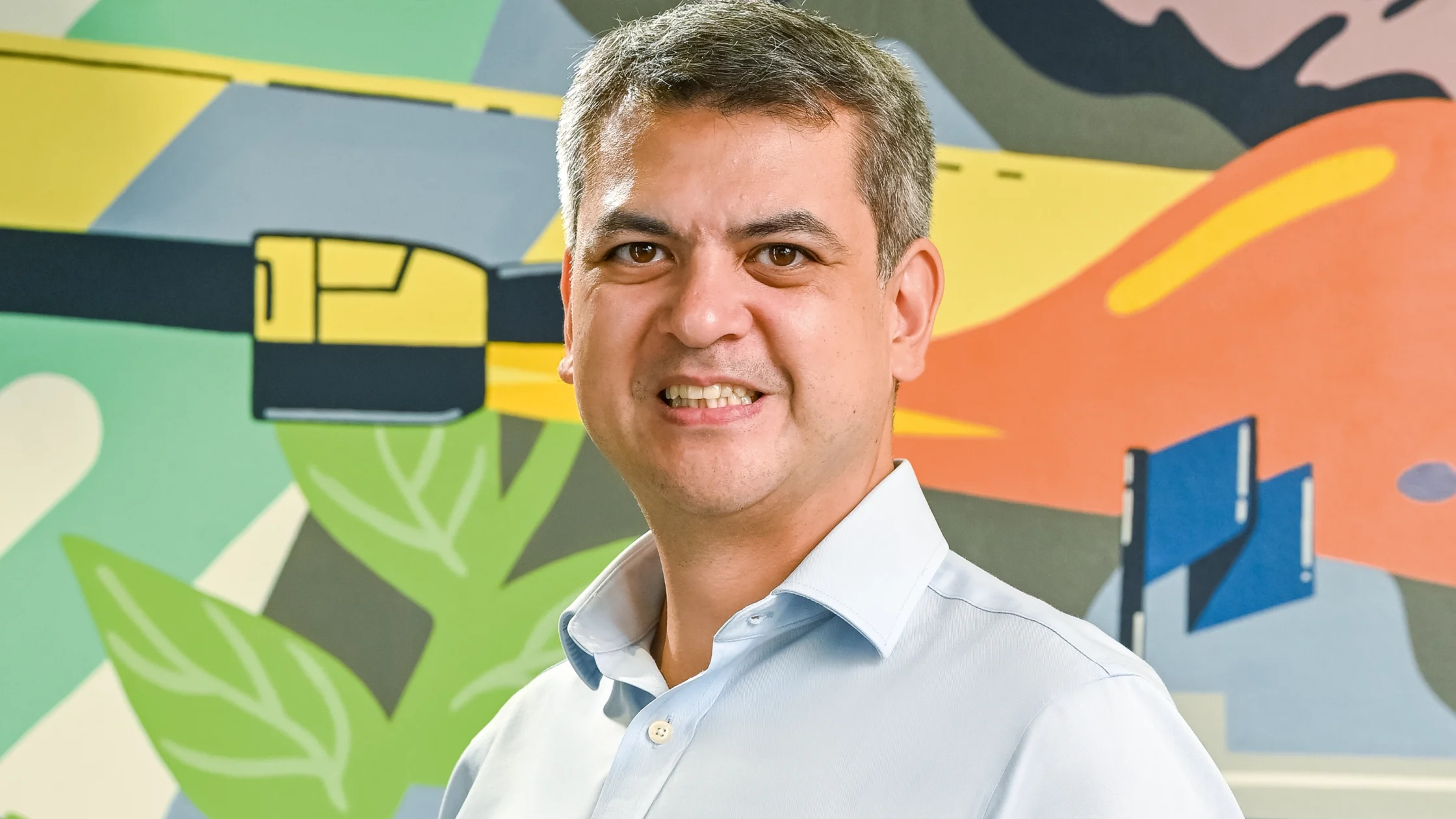
Paulo Campos: From Piggy Banks to Fintech



Kaya Founders’ Paulo Campos tackles financial literacy in today’s time and how technology has the unprecedented power to grow the pie for the Filipino people.
Republic Act No. 10922, also known as the “Economic and Financial Literacy Act,” declares the second week of November of every year as Economic and Financial Literacy Week. Unfortunately, even with the aforementioned mandate, a recent Standard & Poor’s global study showed that only 25% of Filipino adults are financially literate. In addition, the Philippines ranked in the bottom 30 among the 144 countries included in the study.
“I think the gap in the Philippines is more at the family level, at the earliest stages. So I would really zoom in more on that first,” says Paulo Campos, Founding Managing General Partner of Kaya Founders.
Clearly, there is more than meets the eye when it comes to financial literacy. How is it defined in today’s technological age? How can it be achieved, maintained, and leveraged? How can parents financially prepare for their families?
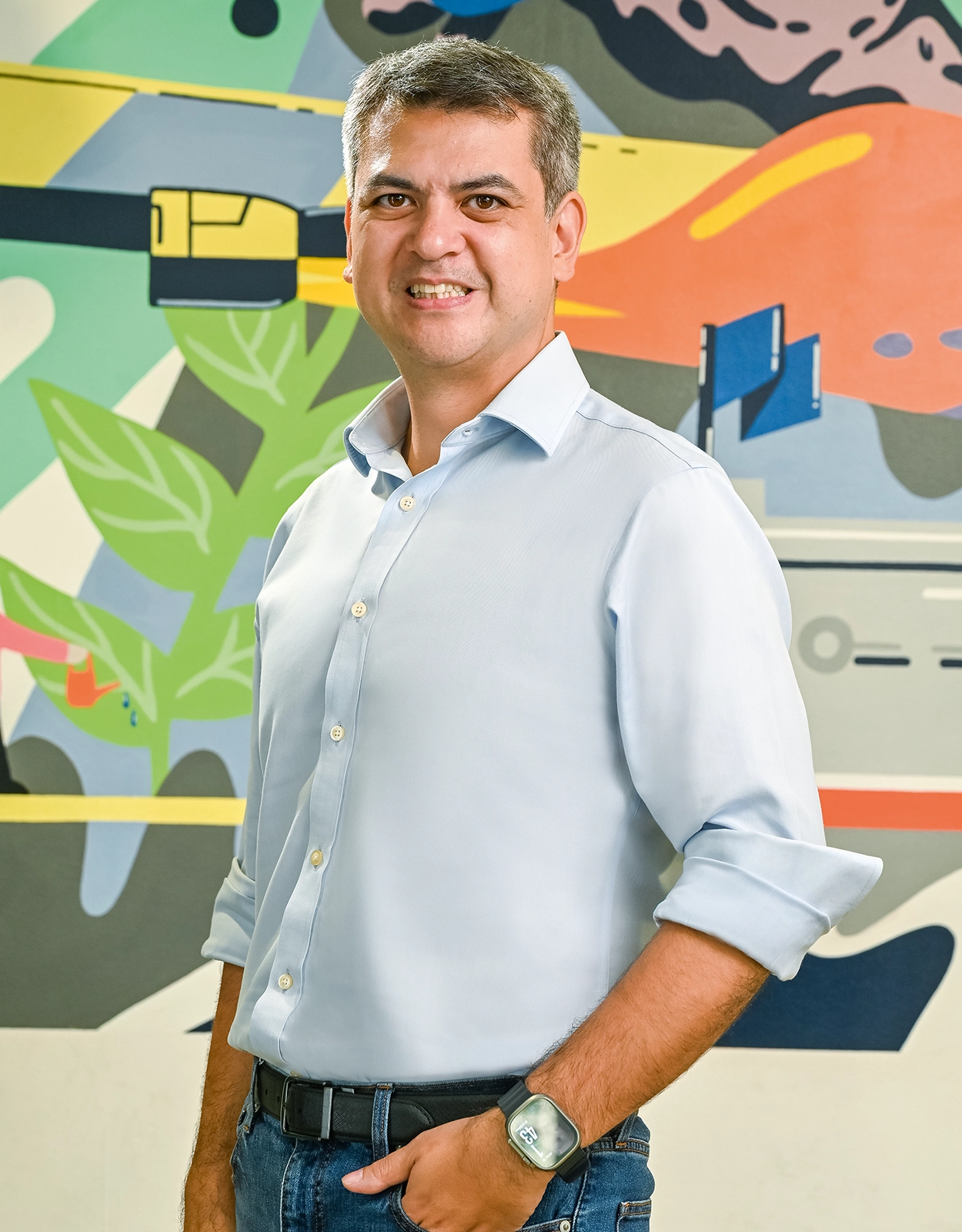
Defining financial literacy today
While financial literacy still pertains to the set of knowledge and skills needed to make informed decisions involving money, its definition evolves over time. With so many processes and systems going digital, it is impossible to look at financial literacy without factoring in technology.
“Financial literacy means understanding how to use technology to manage money wisely and in the current day and age, the tools available to us—that includes online banking, how you can set up, access, and use the likes of GCash or Maya,” states Paulo.
However, it simply doesn’t end there. Gaining access to the tools invites further opportunities that eventually turn into responsibilities. “It’s not just about knowing how to transfer money online but understanding how the tools can help families save better, plan for the future and be smarter about their money,” adds Paulo.
Addressing the gap
Reflecting on the education system, Paulo observes, “We really don’t have good financial education taught in schools today… There’s not really a topic around how to manage money and all the aspects of it from savings to investment.”
Even before the intervention of technology, there must be a basic understanding of money. For Paulo, it is best to start as early as possible. In fact, he shared that his three-year-old son already grasps the basic transactional concept of buying and paying for things.
“One of the very prominent things in my kid’s room is the piggy bank,” reveals Paulo. As a kick-starter to teach kids about the value of money, the humble money box gives kids ownership of the coins they get to drop inside. “They have an idea of what money is, what it is used for, and that it should be saved.”
Transitioning from being an entrepreneur to a full-time investor, Paulo has seen the power of technology in achieving financial goals. In addition, his personal financial journey evolved, having shifted from singlehood to being a husband and father. Thus, he urges parents to use their personal experiences in educating their children.

Leveraging technology
Supporting and strengthening that education are the many technological tools and references parents can use in teaching their kids about financial responsibility, wealth creation, investments and discernment. “There’s also a dark side of technology, right? Give them that consciousness so they can know how to navigate that potentially treacherous world,” warns Paulo.
From just teaching children to save will eventually include budgeting, which begins with setting aside a portion of one’s income. Over time, more expenses will come into play and one must build their ultimate asset—a career, which can either be a business, part-time job or a 9-to-5 job, or even all of the above. Then, conversations surrounding investments, insurance, and healthcare will take place.
In taking the business route, Paulo advises to know the segmentations such as business-to-business (B2B), business-to-consumer (B2C), direct-to-business (D2B), and direct-to-consumer (D2c), allowing for a more intentional roadmap creation. From there, he recommends starting by looking at online publications and reading up on the latest developments in the fintech space. Then, diving into the operational side, Paulo suggests looking at investment platforms like wallets and digital banks, and local technology players in the personal finance space.
Change for the better
“That power of technology to transform the very traditional world is really unprecedented. And we’re best suited to take advantage [of technology] because the Philippines is perpetually online and globally connected,” explains Paulo.
Touching on TikTok shop and Facebook Marketplace as selling platforms, Paulo emphasized that there are a variety of options to help strengthen one’s cash flow. “It is imperative on you as the leader of your family to think of ways to supplement your income with other cash flow-generating investments,” reminds Paulo.
“Take a hobby of yours, a passion of yours, an interest of yours, a family legacy, then think about how to bring that into the digital world. I think that’s a life-changing opportunity, utilizing technology to improve one’s business… You have apps and startups and ventures that can bring all of that to life,” adds Paulo.
Making the pie bigger
On helping provide life-changing opportunities through Kaya Founders, Paulo shares, “You know, doctors have Hippocratic Oaths. Lawyers have justice. Our job as business people is to create value, which is very esoteric, so the way I like to say it is our job as business people to make the pie bigger… We need to create a multiplier effect on the economy and start this process of creative destruction.”
Referencing the economist Joseph Schumpeter, Paulo expounded on aforementioned creative destruction by pointing out that in every era, there are companies that grow and sadly get slow, until they are eventually replaced by startups. “Technology has the democratizing ability to help the country. Technology levels the playing field and it allows us to address income inequality,” declares Paulo.
“Technology presents unprecedented opportunities both on the personal finance side and on the business entrepreneurship side to encourage Filipinos, for theirs and their families’ sake, to take full advantage,” ends Paulo.
To read the full article, download the e-mag or buy a copy from sarisari.shopping. Also available on Shopee, Lazada and select National Bookstore and Fully Booked locations.
Frequently Asked Questions (FAQs)
Paulo Campos is one of the co-founders and Managing General Partner of Kaya Founders, a leading early-stage venture capital firm in the Philippines, focusing on high-growth tech startups in Southeast Asia, known for investments in e-commerce, fintech, and healthcare, with prior success as the Co-Founder and former CEO of Zalora Philippines.
Financial literacy now goes beyond budgeting and saving — it includes understanding digital tools like e-wallets, online banking, fintech apps, and investment platforms that help families manage and grow their money.
Experts like Paulo Campos recommend starting as early as toddlerhood. Simple tools like piggy banks help children understand the basics of saving and the value of money.
Start small: introduce saving habits, talk openly about money, explore kid-friendly finance tools, and gradually introduce budgeting, debt awareness, and investment concepts. Use real-life family scenarios as teaching moments.
A lack of structured financial education in schools places the responsibility on families. Parents must proactively guide children using tools, personal experience, and accessible technology.
More about finance management?
Family Finance Management: How to Handle Your Family’s Finances
Teaching Your Children Money Matters by Rose Fres Fausto
A Parent’s Guide to Future-Proofing Family Finances