An Oldie but a Goldie: Why Kids Should Play 90s Video Games in 2026



Here’s why kids should play 90s video games in 2026
Gamer parents, it’s time to dust off that old game console and pray that it works. Why? Well, it’s because the answer to solving a problem caused by technology may only be solved by something tech-driven, too. Call it a blast from the past, but it’s time for the 90s video games to make a comeback. And here’s why our kids should play them:
They had to fail.
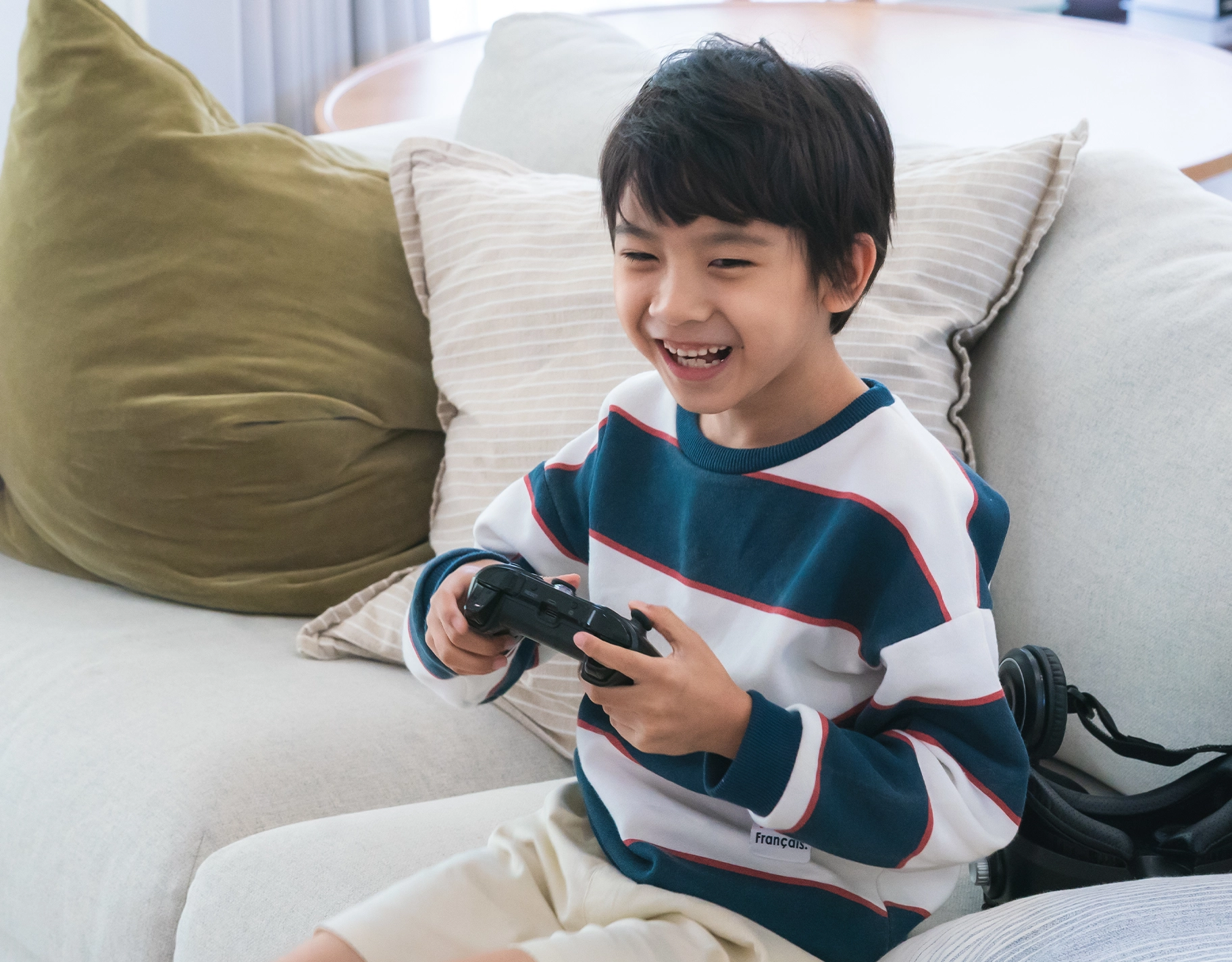
3 lives. No hints. No autosaves. Gamers from the 90s learned the hard way to double-check if they’ve saved their progress. Or worse, find the spot or character that allows them to save their progress. Games of today all have an auto-save feature, which can be useful, but at the same time, a bit too cushioning.
Spatial reasoning was a requirement to learn.
While today’s games have compasses and barriers that prevent the gamer from going off-course, 90s video games didn’t have that. In games like Zelda or old-school Pokémon, nothing would stop the player unless that particular mechanic required an item.
Although some games like Dark Souls and Bloodborne still demand spatial reasoning from players, parents of today may feel a little skeptical about letting their kids fight something nightmarish and named Nameless King or Ebrietas, Daughter of the Cosmos. At least the 90s video games have art that’s more kid-friendly?
90s games were more story-driven.
The problem with the games that are popular among kids is that they’re mostly mechanics-driven or graphics-driven. Once they understood the rules, they could play all day. It’s why they can feel like a time sink or a total waste of time. Without a start or an ending, the game could go on forever.
90s video games like Valkyrie Profile, Tales of Destiny, Final Fantasy, or Threads of Fate, on the other hand, followed the adage, “The devil is in the details.” Reading the dialogue or the little details in the room was a must before proceeding to the next stage.
Players back then weren’t even told what to look for. They had to spend hours scouring a tiny room until they found a clue or the thing they needed.
There was a need to research a guide.
Games nowadays have instructions right before the boss fight or the stage, making it easier. 90s video games didn’t have any of that. It was almost natural to always die on the first try unless someone posted the guide on GameFAQs.com or the latest gaming magazine. So, there was a necessity to research and find better ways to beat the game.
90s video games created social gatherings
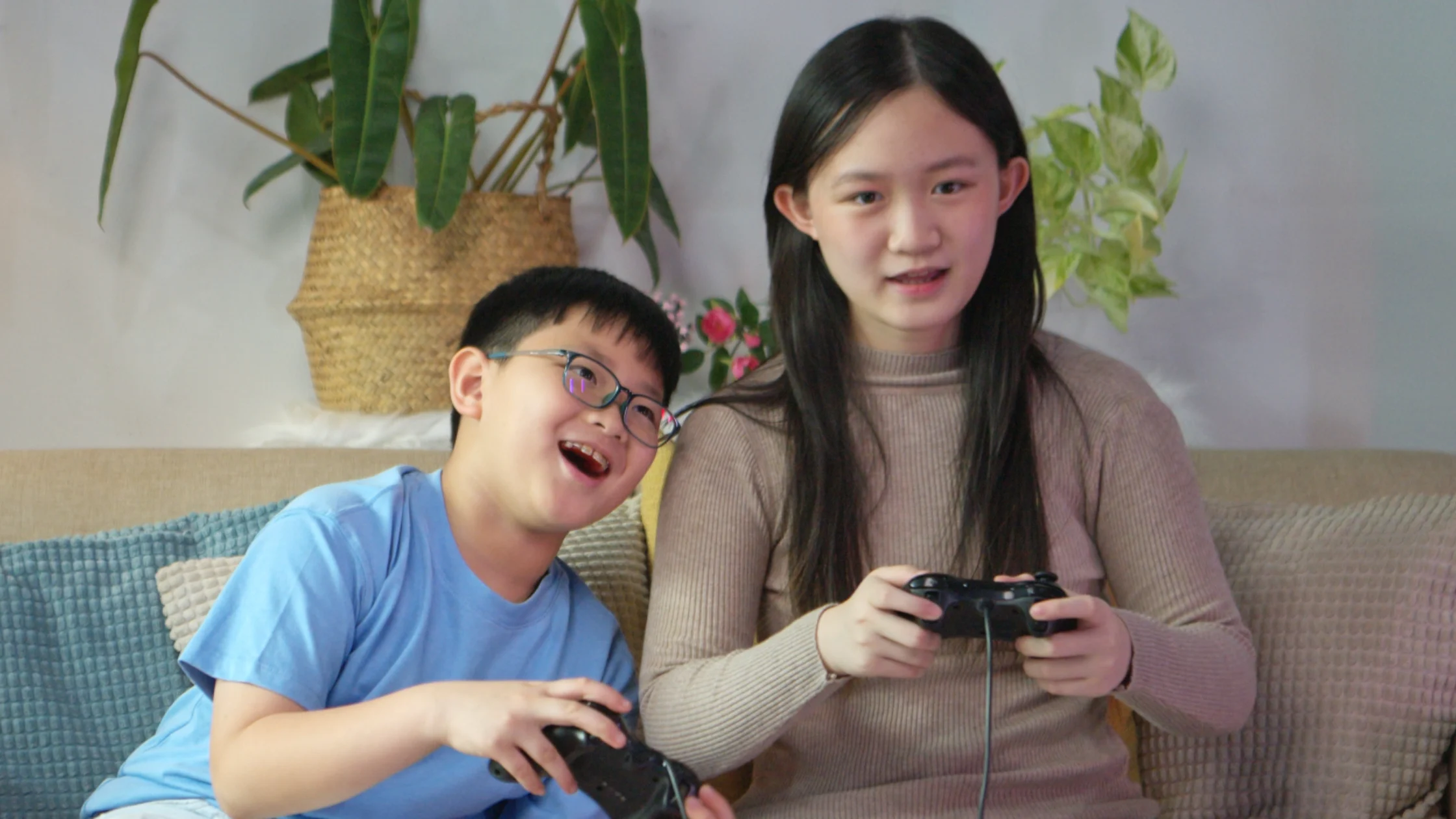
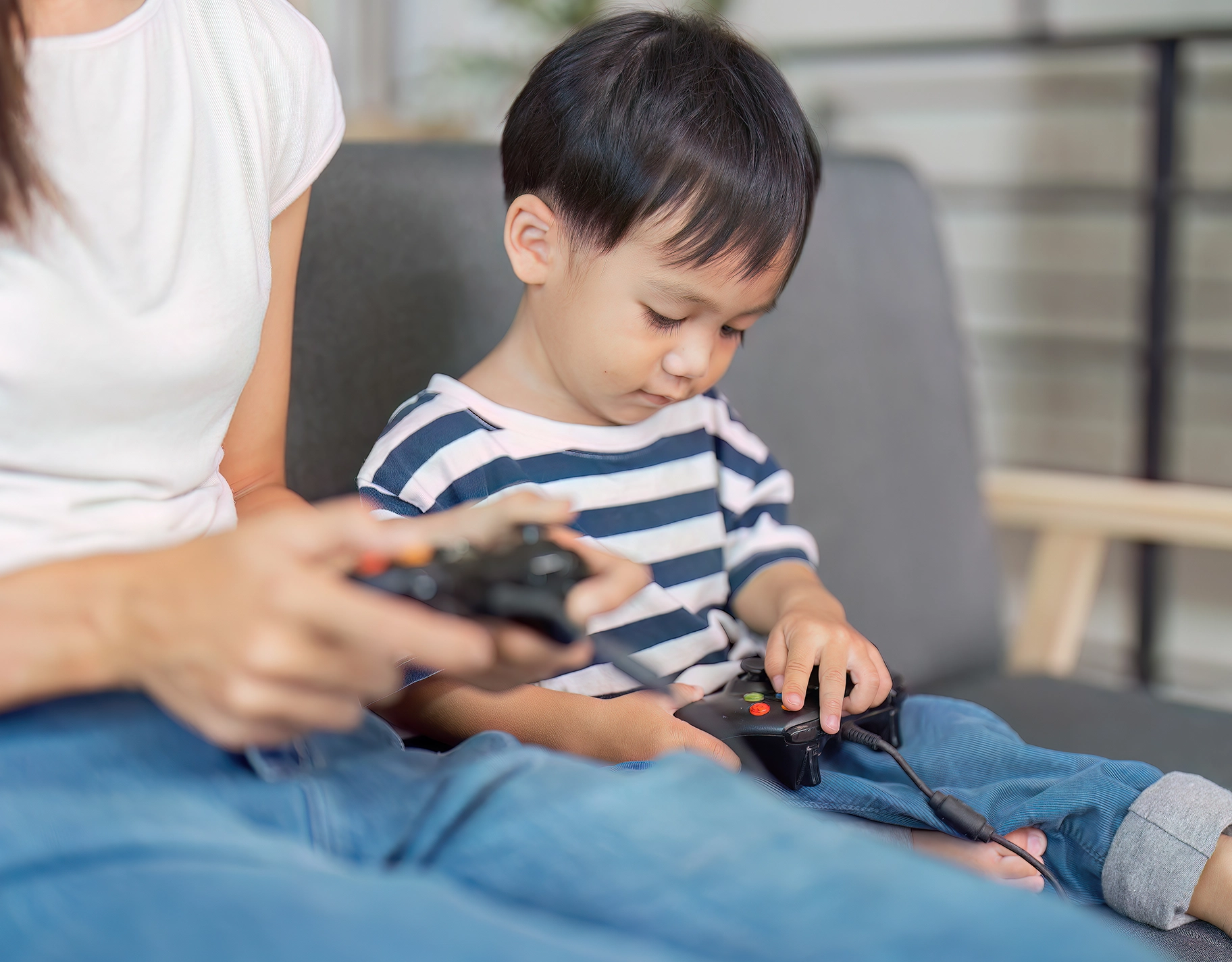
With Sony accounts, Nintendo accounts, Roblox accounts, and the internet, there’s no longer any need to gather together and play. 90s video games, since most of them were offline, would prompt kids to go to each other’s houses to finish the game together. Passing controls, shouting and cheering from the bed, arguing and backseat gaming—all of these were part of the fun that most parents didn’t see after being blinded by the whole “video games made people violent” argument.
These games became topics of conversation and bondingBondingThe emotional connection that forms between parent and child through touch, eye contact, voice, and responsive care. Skin-to-skin time, feeding, and simply talking to a baby all strengthen it, and moments, especially when they would complete a difficult stage together.
How can parents expose their kids to the 90s video games?
If the console has finally kicked the bucket (because let’s be honest: they probably did), then the next best thing is to find them on Steam or on Afterplay.io—a browser-based website that lets gamers play all the old games without the old console.
Sure, the kids of today will be disgusted and horrified by the graphics at first. But with a little encouragement, they’ll eventually understand what’s fun about it. They’ll probably throw a tantrum over a failure or two, but that’s how 90s kids developed resilienceResilienceThe ability to bounce back from setbacks, disappointment, and stress. Children build it through supportive relationships, chances to solve problems, and adults who show that mistakes are part of learning: these video games were brutal. No handouts. They figured it out the long and hard way.
As parents, it’s normal to shelter our kids from all the hardships. Not cause them. But if we want to teach them resilienceResilienceThe ability to bounce back from setbacks, disappointment, and stress. Children build it through supportive relationships, chances to solve problems, and adults who show that mistakes are part of learning without being the cause, maybe the 90s video games can teach them a thing or two.
Frequently Asked Questions
Yes. They build patience, problem-solving skills, and resilience—things modern auto-save games don’t always demand.
Failure tolerance, spatial reasoning, reading comprehension, and persistence—the kind you earn after your third “Game Over.”
At first, yes. But once kids get past the visuals, the challenge and story usually hook them in.
They’re slower, tougher, more story-driven, and less forgiving—no tutorials, no hints, no mercy.
Many classics are available on platforms like Steam or browser-based retro game sites, making them easy to access today.
More about video games?
How To Prevent Video Game Addiction in Kids
A Gamer’s Guide On How Teens and Kids Can Cope With Gamer Rage
Why We Should Let Kids Play The Classic Video Games