Why Mattel’s Autistic Barbie Matters for Filipino Kids



Mattel adds the new Autistic Barbie doll in its Barbie Fashionistas line
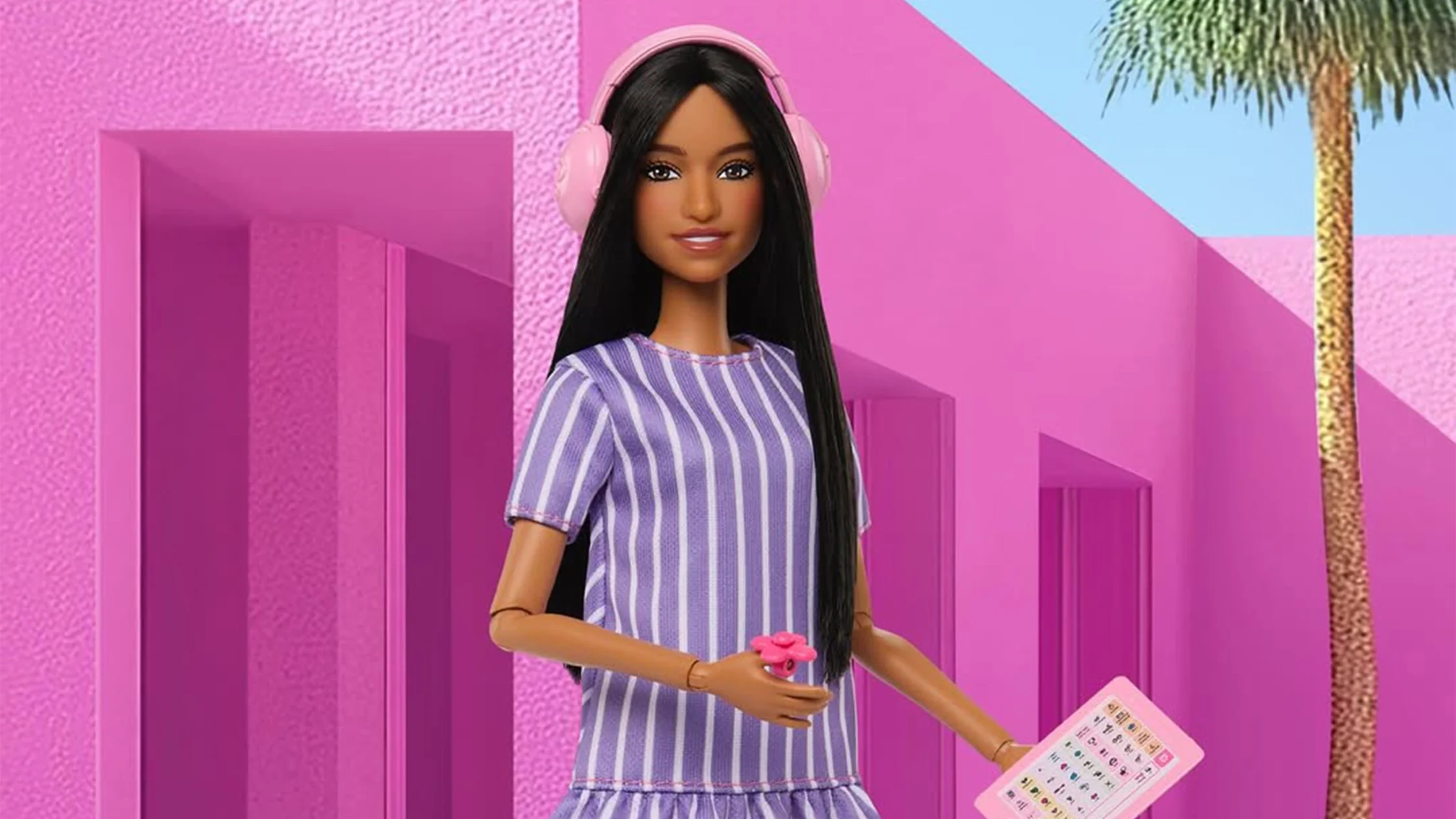
In a world where toys often reflect culture and identity, Mattel’s newest Barbie is making waves—not for a fantasy outfit or glamorous career title, but for what she represents. As of January 2026, Mattel has introduced an Autistic Barbie doll in its Barbie Fashionistas line, developed with guidance from the Autistic Self Advocacy Network (ASAN).
For some families, it’s a development worth celebrating—and talking about—especially for Filipino parents who know how play and imagination shape emotional language.
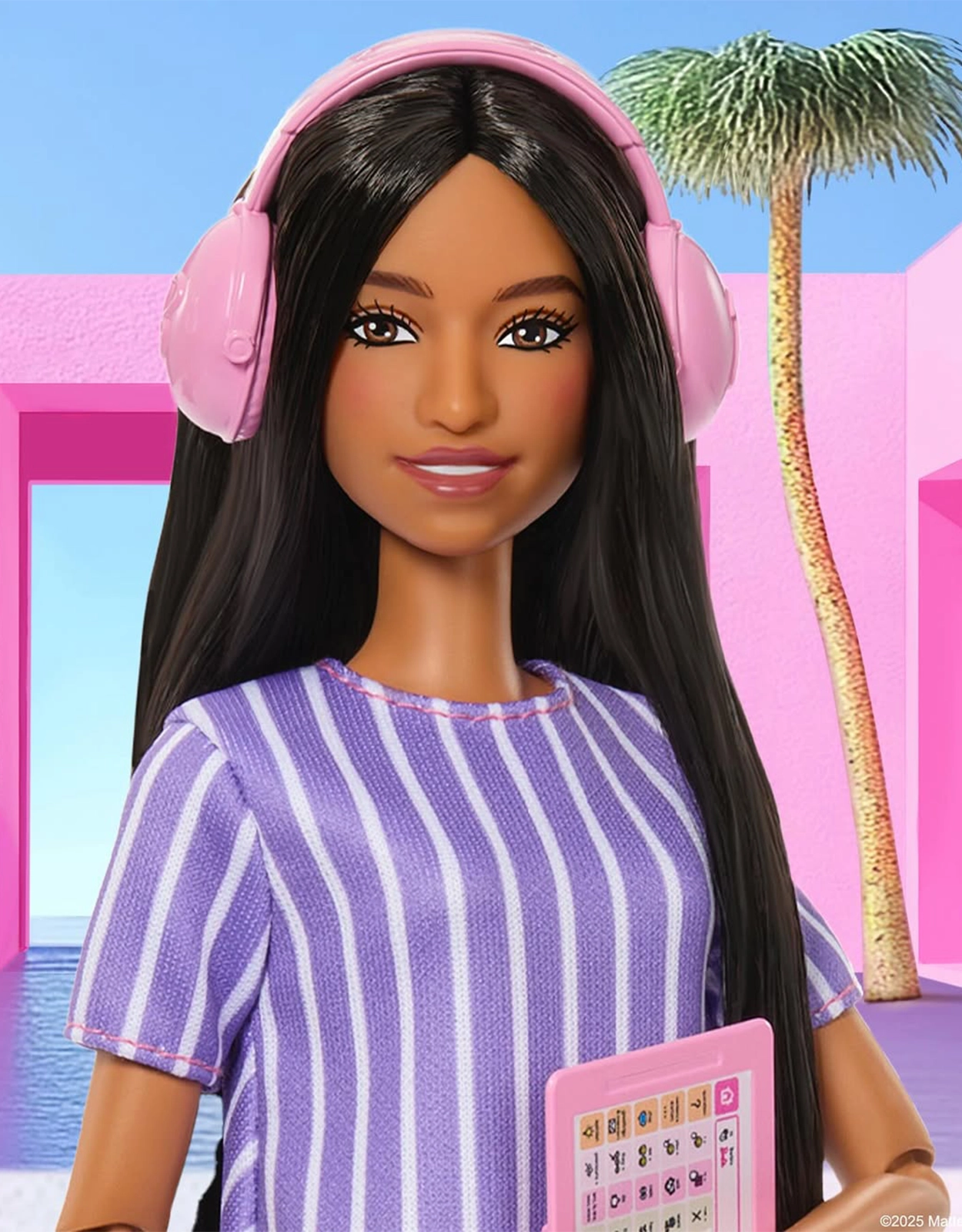
What Makes the Autistic Barbie Special?
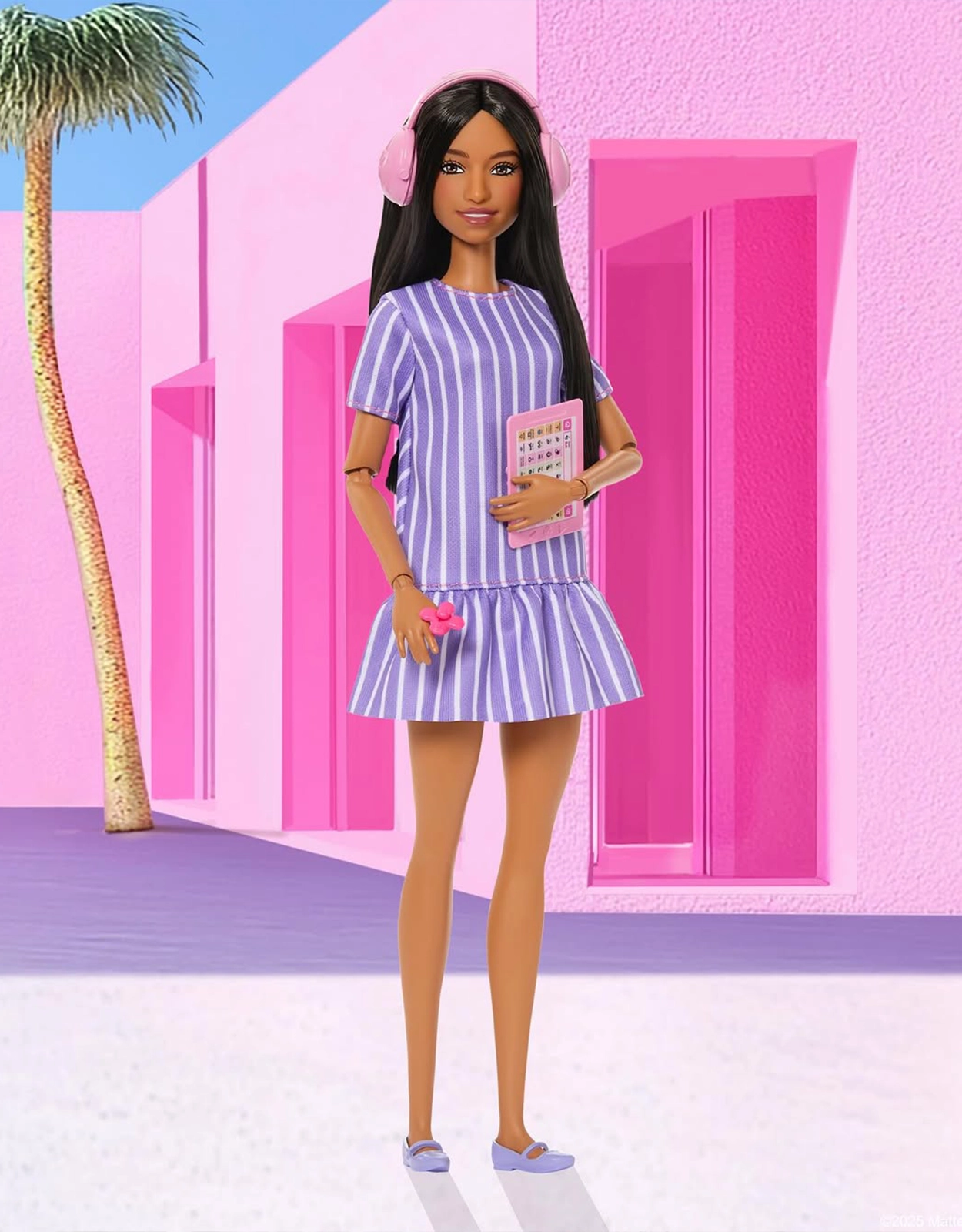
Mattel’s new autistic Barbie was intentionally designed to reflect some ways children with autism may experience and interact with the world. The doll includes:
- Articulated elbows and wrists to allow for gestures such as stimming or hand flapping.
- Eyes slightly shifted to the side, which may mirror how some autistic people avoid direct eye contact.
- Loose-fitting clothing and flat shoes for sensory comfort.
- Accessories like a pink finger-clip fidget spinner, noise-canceling headphones, and a tablet with symbol-based communication tools (Augmentative and Alternative Communication, or AAC).
According to Mattel, this doll’s design “helps to expand what inclusion looks like in the toy aisle and beyond because every child deserves to see themselves in Barbie.”
Why Dolls Help Kids Express Themselves
Play is language—especially before verbal vocabulary is fully developed. For young children who lack the words to describe feelings, experiences, or internal states, toys like dolls become stand-ins. They become mirrors and megaphones:
- Children project emotions onto the doll that they might not yet have words for.
Dolls can help a child act out social situations, frustrations, or sensory experiences, giving parents clues about what’s going on inside a child’s world. - Representational toys—especially those that show different ways of being—invite conversations about empathy, diversity, and self-acceptance.
Toys help Filipinos develop their relational self—where identity and emotional expression emerge in connection with others. Toys are not just objects; they are tools for pagpapahayag ng damdamin (expressing feelings) and pagkakaintindihan (understanding one another).
The autistic Barbie isn’t a stereotype. She’s a resource—a way for kids who might struggle with communication to see pieces of themselves reflected back in familiar play patterns. And for neurotypical children, she’s an invitation to understand difference before they form fears or misconceptions.
More Representation Means More Voice
Barbie’s Fashionistas line has steadily expanded to include dolls with varied body types, skin tones, and medical conditions and disabilities—from hearing aids and prosthetic limbs to Down syndrome and Type 1 diabetes.
Each addition gives children more scripts to use during play—more emotional and behavioral language to borrow, interpret, and express.
When play reflects a broader world, children have more tools to express how they feel even when they can’t yet say it.
Frequently Asked Questions
The autistic Barbie was unveiled globally on January 12, 2026, and is currently available online through the Mattel Shop or major retailers; wider retail rollout (including in Asia-Pacific markets) typically follows shortly thereafter.
Parents can look for it on the official Mattel online shop and through large international toy retailers that ship to the Philippines. Local toy stores and import retailers may also stock the doll once distribution expands.
Yes—Barbie continues to be a popular play figure because she evolves. Inclusive dolls tend to be especially appreciated by children who see themselves represented in new ways.
Barbie remains relevant because she reflects the world kids live in and imagine. With diverse characters and stories, she fosters identity play, empathy, and creativity across generations.
Absolutely—for play and representation. Collecting inclusive Barbies helps normalize diversity and gives children and families tools to express and explore emotional experiences. Some toy collectors even maintain the limited edition ones which they can sell for a higher price when phased out.
More about toys?
Mattel Unveils New Filipina Barbie
The Best Educational Toy Shops For Kids
Mattel Introduces Barbie with Down Syndrome