8 Types of Play Every Filipino Kid Needs (And Why They Matter)



Here are different kinds of play and how they help kids develop
In many Filipino homes, play sometimes feels like a bonus—something kids do after homework, enrichment classes, and chores. And for many teachers and parents who grew up in strict homes, play is more obstructive than it is helpful.
But honestly? Play is how children process the world.
Whether you’re raising toddlers in a condo, kids in a subdivision, or little ones in a multigenerational home, understanding different kinds of play can help you support your child’s growth without overcomplicating it.
Let’s break it down—casual, practical, and very doable.
1. Free Play (Unstructured Play)
This is the “bahala na” kind of play—no adult instructions, no fixed outcome.
Examples:
- Building random block towers with no goal
- Mixing toy dinosaurs and dolls into one big story
- Turning sofa cushions into a “boat” during rainy days
Why it matters:
Free play builds creativity, independenceIndependenceA child's growing ability to do things alone, from dressing and eating to making choices and solving problems. Parents encourage it by assigning age-appropriate tasks, allowing safe mistakes, and praising, and problem-solving. Kids learn to entertain themselves—a life skill many adults are still working on.
2. Outdoor Play
Yes, even in the Philippine heat.
Examples:
- Taguan (hide-and-seek) with cousins
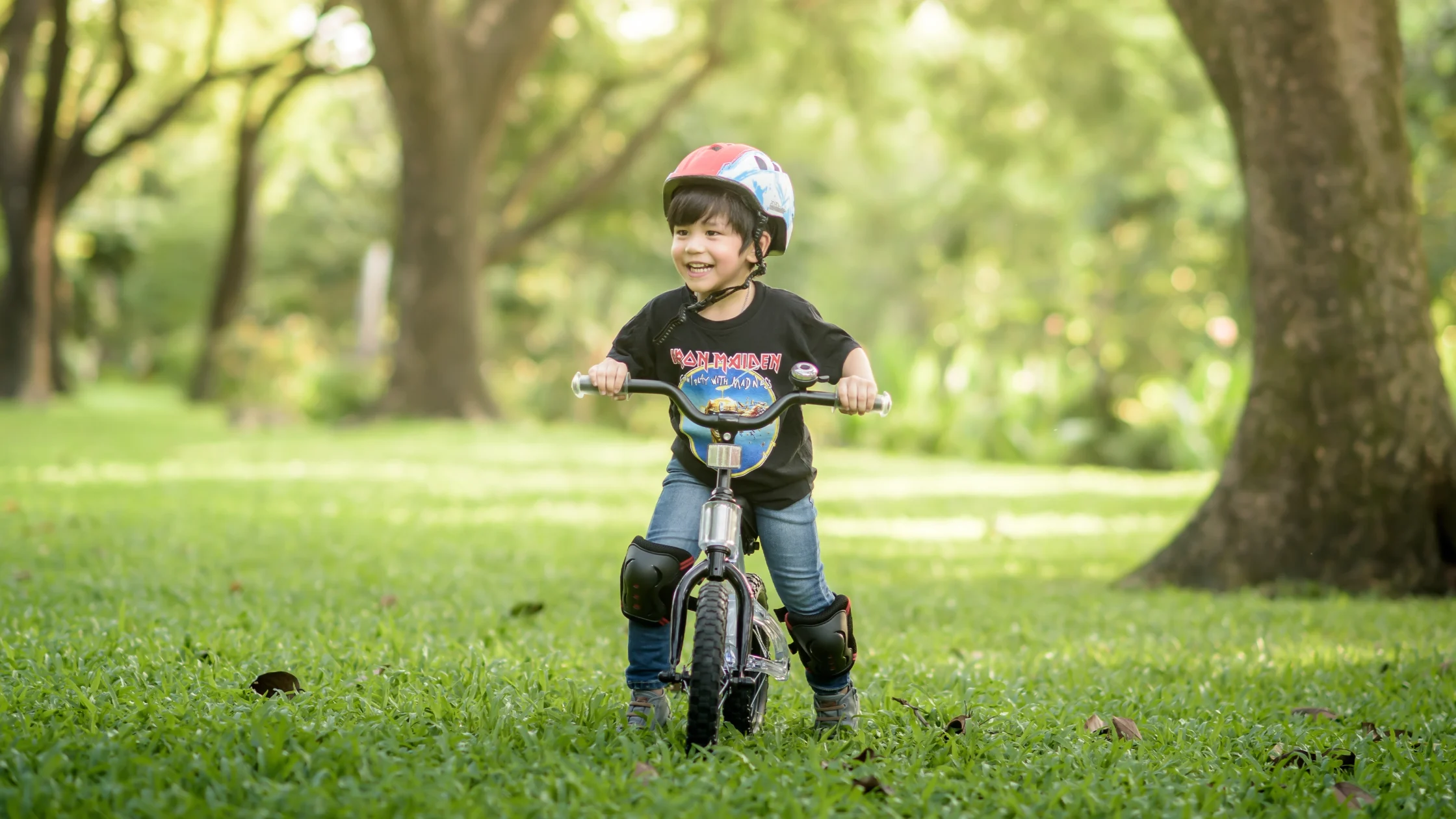
- Bike riding around the village
- Playing habulan at the park
- Simple backyard water play
Why it matters:
Outdoor play improves motor skills, balance, and mood. Research consistently links time outside with lower stress and better focus in children.
Pro tip: Morning or late afternoon play avoids the harshest sun.
3. Pretend Play (Imaginative Play)
This is when your child becomes the teacher, chef, superhero—or barangay captain.
Examples:
- Playing “palengke” with toy food
- Acting out school scenes
- Superhero rescues with bath towels as capes
- Re-enacting family life with dolls
Why it matters:
Pretend play strengthens emotional intelligenceEmotional IntelligenceThe ability to recognize, understand, and manage feelings in oneself and others. Parents build it by naming emotions, modeling calm responses, and helping children find words for anger, sadness, and. Kids process real-life experiences through storytelling.
If your child “scolds” their stuffed toy the way you scold them? That’s not sass. That’s processing.
4. Social Play
Play that involves other kids—or even adults.
Examples:
- Board games with siblings
- Group playdates
- Family charades on Sunday afternoons
- Basketball with neighborhood kids
Why it matters:
Social play teaches turn-taking, conflict resolution, and empathy. These are not “soft skills.” They are survival skills.
5. Constructive Play
This is play with a goal—building, assembling, creating.
Examples:
- LEGO builds
- Puzzle solving
- Making slime
- Crafting with recycled materials
- School project dioramas (yes, those count)
Why it matters:
Constructive play builds focus, patience, and planning skills.
It’s also quietly preparing them for math and engineering thinking.
6. Sensory Play
Sensory play engages touch, sound, sight, smell, and movement.
Examples:
- Playing with sand or kinetic sand
- Rice bin scooping (very Filipino!)
- Water tables
- Finger painting
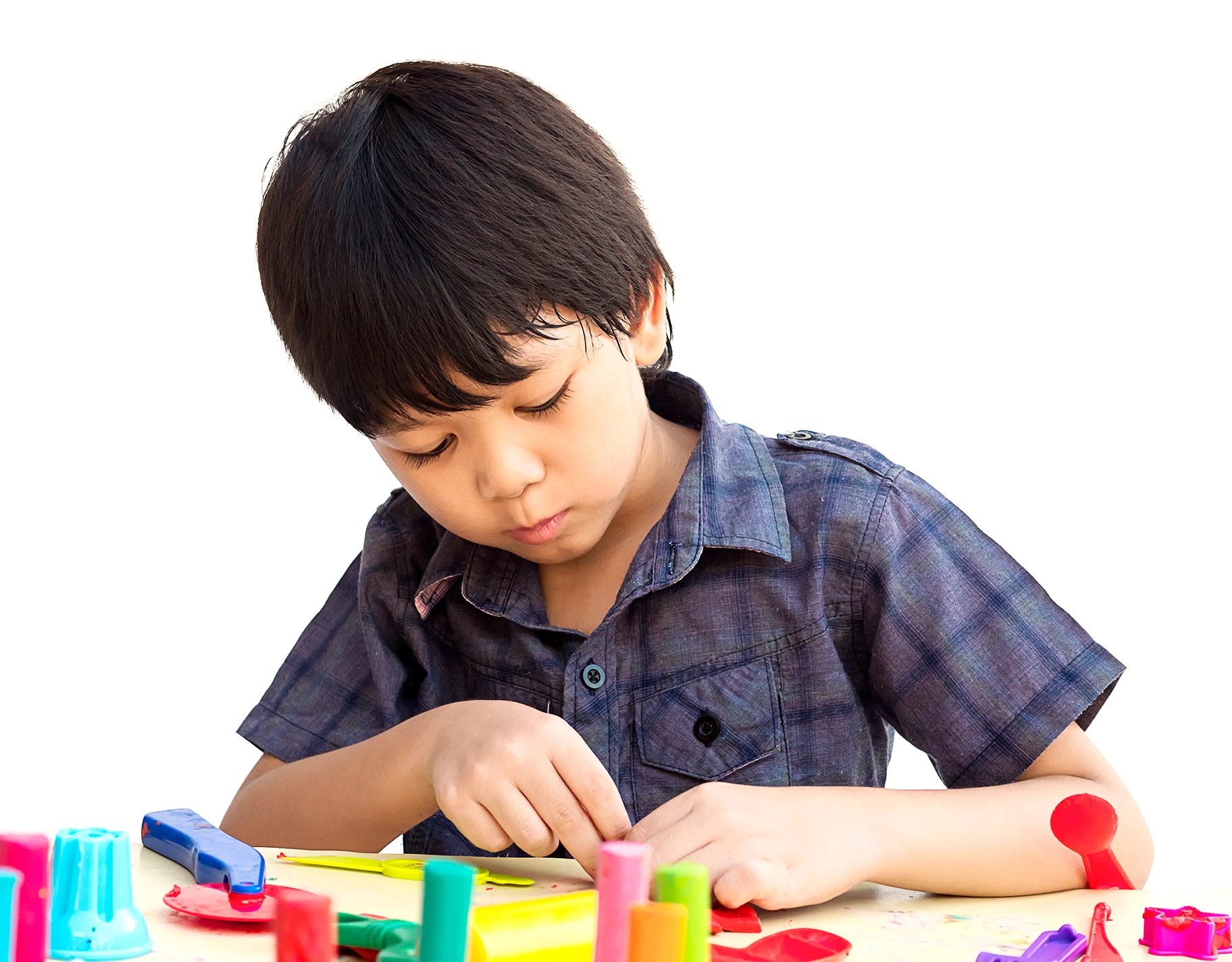
- Playdough shaping
Why it matters:
Sensory play supports brain development and emotional regulation—especially in younger kids.
Messy? Yes. Worth it? Also yes.
7. Physical Play (Active Play)
High-energy, heart-pumping movement.
Examples:
- Jump rope
- Obstacle courses inside the house
- Dance parties to OPM hits
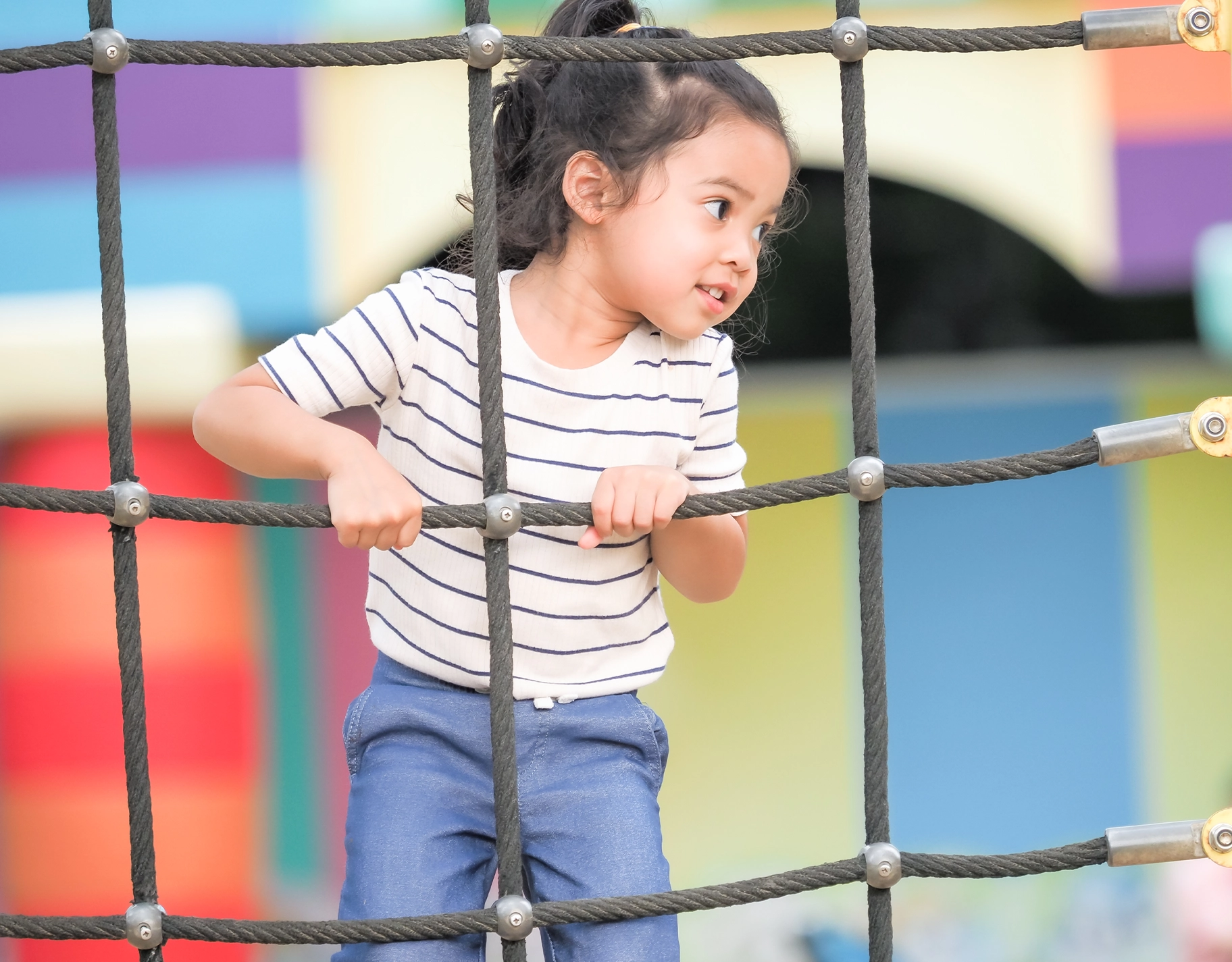
- Climbing playground structures
Why it matters:
Physical play improves coordination, strength, and even sleep quality.
If bedtime battles are constant, check if they’ve moved enough that day.
8. Parallel Play
Parallel play, also known as quiet play, is usually when kids play within the same vicinity but don’t verbally interact with each other. It’s not a bad thing; they still engage each other via mimicry. Watch how their eyes roll as they watch another kid figure out a puzzle or the sort before figuring theirs out.
Examples:
- Reading comics
- Coloring
- Playing with figurines quietly
- Solo puzzle time
Why it matters:
Quiet play builds concentration and self-soothing skills.
In overstimulating environments, this kind of play is grounding.
What Kind of Play is Playing Video Games for Kids?
Actually, this will depend on the nature of the game. One-player games are usually more for parallel play, where they figure out the game themselves. Multiplayer games like Roblox, League of Legends, and the like are more social play. They develop skills such as map awareness and even social vigilance in a digital space.
How Much Play Do Kids Really Need?
The American Academy of Pediatrics emphasizes that play is essential for healthy development. While there’s no single “perfect” number of hours, children benefit from daily opportunities for both structured and unstructured play.
Playing Is How Kids Lean
Many parents may bemoan being too busy. But the truth is, we just need to leave them some toys and things to experiment with. They can parallel play all day while we’re at work and get some social play at school and home after we’re done with our shifts.
Besides, we keep insisting on this kind of training everywhere else. In corporate lingo, we know this as OJT (on-the-job training). For kids, it’s called “play.”
Before children become high achievers, they are explorers.
Play is how learning begins.
Frequently Asked Questions
What is the most important type of play?
Aim for at least 1–2 hours of active and free play combined, depending on age.
Interactive digital play can have benefits, but it should not replace physical, social, or imaginative play.
Boredom is often the beginning of creativity. Resist the urge to immediately entertain them.
Yes. Play supports executive function skills like memory, focus, and problem-solving—critical for school success.
More about kids and play?
Parents’ Choice Awards 2025: Toys, Play & Learning
Should Kids Play The Remastered Plants vs. Zombies?
When Small Hands Create Big Worlds: How Imaginative Play Shapes Emotional Intelligence