TikTok Highlights New Privacy Tools and Advocacy Efforts to Protect Young Users



To mark Safer Internet Day, TikTok highlighted its robust safeguards and teen safety tools, which they’ve rolled out, and launched #ThinkTwice Troop advocacy program
As more parents navigate the realities of raising digital-first kids, tech platforms are under increasing pressure to create safer online environments. One of those platforms is TikTok, which continues to strengthen its safety and privacy features to support both teens and the families guiding them.
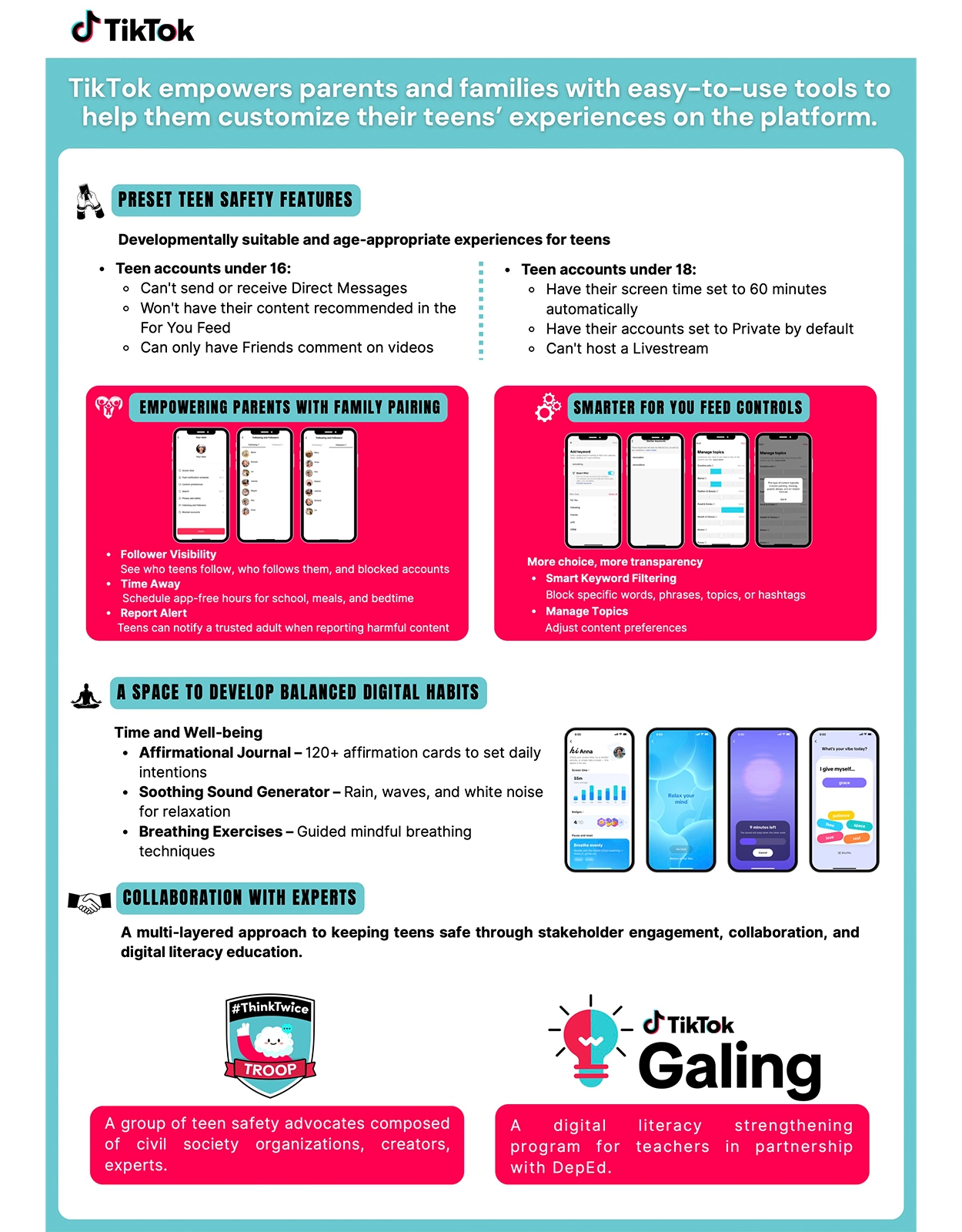
During an event marking Safer Internet Day, TikTok Philippines formally presented its more than 50 preset safety and privacy features designed specifically for teens. These tools aim to promote healthier digital habits while giving parents greater visibility and opportunities to stay involved in their children’s online experiences.
For many parents concerned about what their teens encounter on social media, these built-in safeguards offer reassurance. More importantly, they help ensure that teens’ online experiences remain age-appropriate, positive, and empowering.
Built-in safeguards designed with teens—and parents—in mind
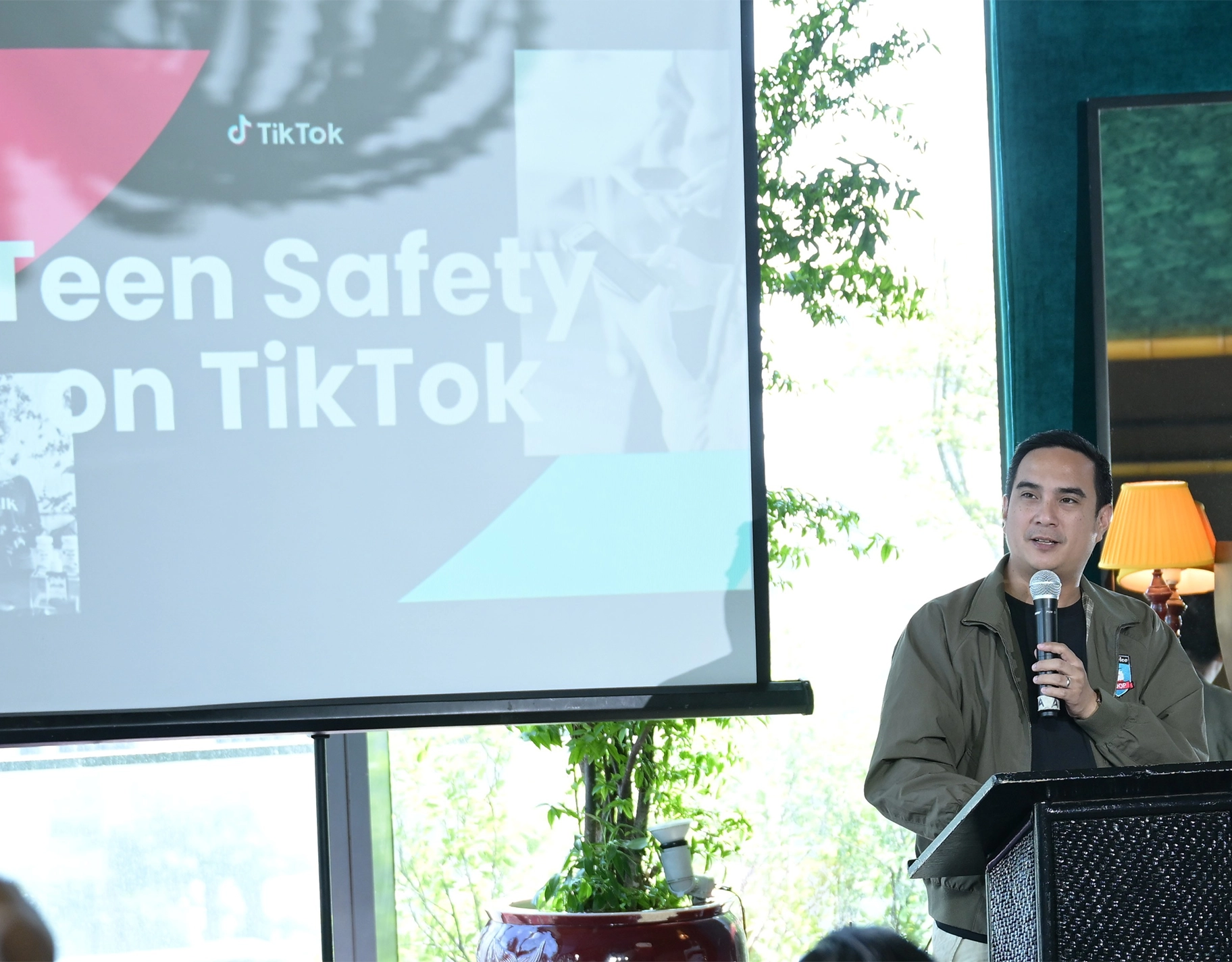
Speaking at the event, Yves Gonzalez, Head of Public Policy for TikTok Philippines, emphasized that the platform’s safety features are designed not just to protect teens, but also to encourage mindful and responsible digital engagement.
“Our aim is for Filipino teens’ digital experiences to offer joy and enrichment,” Gonzalez said. “We continue to strengthen safeguards that allow them to discover, learn, and express themselves creatively in a positive environment, while empowering parents to have conversations with their teens about their digital habits.”
Here are some of the key safety features parents should know:
Private accounts by default
Teen accounts are automatically set to private, meaning only approved followers can view their content. This provides an important first layer of protection and helps teens maintain control over their audience.
Daily screen timeScreen TimeThe hours a child spends on phones, tablets, TV, and games. Pediatric groups advise little to no screen use for toddlers and limited, high-quality content for older kids, with family limits
TikTok has a preset 60-minute screen timeScreen TimeThe hours a child spends on phones, tablets, TV, and games. Pediatric groups advise little to no screen use for toddlers and limited, high-quality content for older kids, with family limit for teens, encouraging them to balance online activities with school, hobbies, rest, and family time.
Controls over comments and messaging
Teens can manage who is allowed to comment on their videos or send them direct messages, helping reduce unwanted interactions and protect their online space.
Family Pairing for parental guidance
The Family Pairing feature allows parents and guardians to link their accounts to their teen’s profile. This gives parents visibility into followers, enables alerts about reported content, and allows families to adjust privacy settings together—creating opportunities for ongoing conversations about digital safety.
Personalized and safer content feeds
Through tools like Manage Topics and Smart Keyword Filtering, teens can customize their For You feed and filter out content containing specific words or phrases, allowing for a more intentional and positive viewing experience.
Tools that promote digital well-being
TikTok also offers a dedicated Time and Well-being section within the app. This includes a screen timeScreen TimeThe hours a child spends on phones, tablets, TV, and games. Pediatric groups advise little to no screen use for toddlers and limited, high-quality content for older kids, with family dashboard, well-being missions, an affirmation journal, and soothing sound generators—features designed to help teens develop healthier and more mindful digital habits.

From left: Mona Magno-Veluz, digital historian and inclusion advocate; Hazel Bitaña, Deputy Regional Executive Director of Child Rights Coalition Asia (CRC Asia); Claire Laison, Director of the Child Rights Desk of the Ateneo Human Rights Centre (AHRC); Yves Gonzalez, Head of Public Policy for the Philippines at TikTok; and Riyan Portuguez, a psychologist and digital wellness advocate
#ThinkTwice Troop: Promoting safer digital spaces
Beyond in-app safety features, TikTok also launched the #ThinkTwice Troop, an advocacy program that brings together child rights organizations, educators, creators, and digital wellness advocates to promote responsible digital citizenship among teens.
The initiative reflects what many parents already recognize: keeping children safe online requires collaboration between families, schools, communities, and tech platforms.
Experts from organizations such as Child Rights Coalition Asia, the Ateneo Human Rights Centre, and Save the Children Philippines joined creators and digital wellness advocates to discuss how different sectors can work together to support teens.
Hazel Bitaña of Child Rights Coalition Asia highlighted the importance of shared responsibility.
“We believe that parents, educators, and both public and private sectors must work together in empowering teens as they navigate the online world,” she said. “Programs like #ThinkTwice Troop complement ongoing efforts to protect the youth while still allowing them to thrive.”
Psychologist and digital wellness advocate Riyan Portuguez also emphasized that awareness and guidance play a crucial role in helping teens develop healthy digital habits—something parents help shape through everyday conversations and boundaries at home.
Other speakers present during the launch included Claire Laison, Director of the Child Rights Desk of the Ateneo Human Rights Centre, and creator and digital historian Mona Magno-Veluz, who both underscored the importance of education, advocacy, and community involvement.
Why this matters for modern families
Social media is now a natural part of how teens learn, connect, and express themselves. While no platform can replace active parental guidance, TikTok’s expanding safety tools provide families with additional layers of support.
For parents, these features can serve as valuable conversation starters. Reviewing privacy settings together, setting screen timeScreen TimeThe hours a child spends on phones, tablets, TV, and games. Pediatric groups advise little to no screen use for toddlers and limited, high-quality content for older kids, with family boundaries, and maintaining open communication about online experiences can help teens build healthier relationships with technology.
Ultimately, online safety isn’t just about restrictions—it’s about equipping children with the skills, awareness, and confidence to navigate digital spaces responsibly.
As platforms continue to evolve alongside the families who use them, one thing remains clear: when technology, parents, and communities work together, teens are better supported in exploring the digital world safely and thoughtfully.
Frequently Asked Questions
TikTok has over 50 preset safety features for teens, including private accounts by default, screen time limits, comment and messaging controls, content filtering tools, and digital well-being features.
Family Pairing allows parents to link their account to their teen’s TikTok profile. This gives parents the ability to monitor screen time, manage privacy settings, view followers, and receive alerts about reported content.
Yes. TikTok automatically sets accounts for users aged 13 to 15 to private by default, helping limit who can view their content and interact with them.
The #ThinkTwice Troop is TikTok’s advocacy initiative that brings together child rights organizations, educators, creators, and digital wellness advocates to promote safer and more responsible online experiences for teens.
More on technology
A Parent’s Guide: Should Kids Use AI for Homework?
YouTube Updates Parental Controls to Support Healthier Screen Habits
TikTok’s Latest Features Allow Parents To Check On Their Children’s Usage