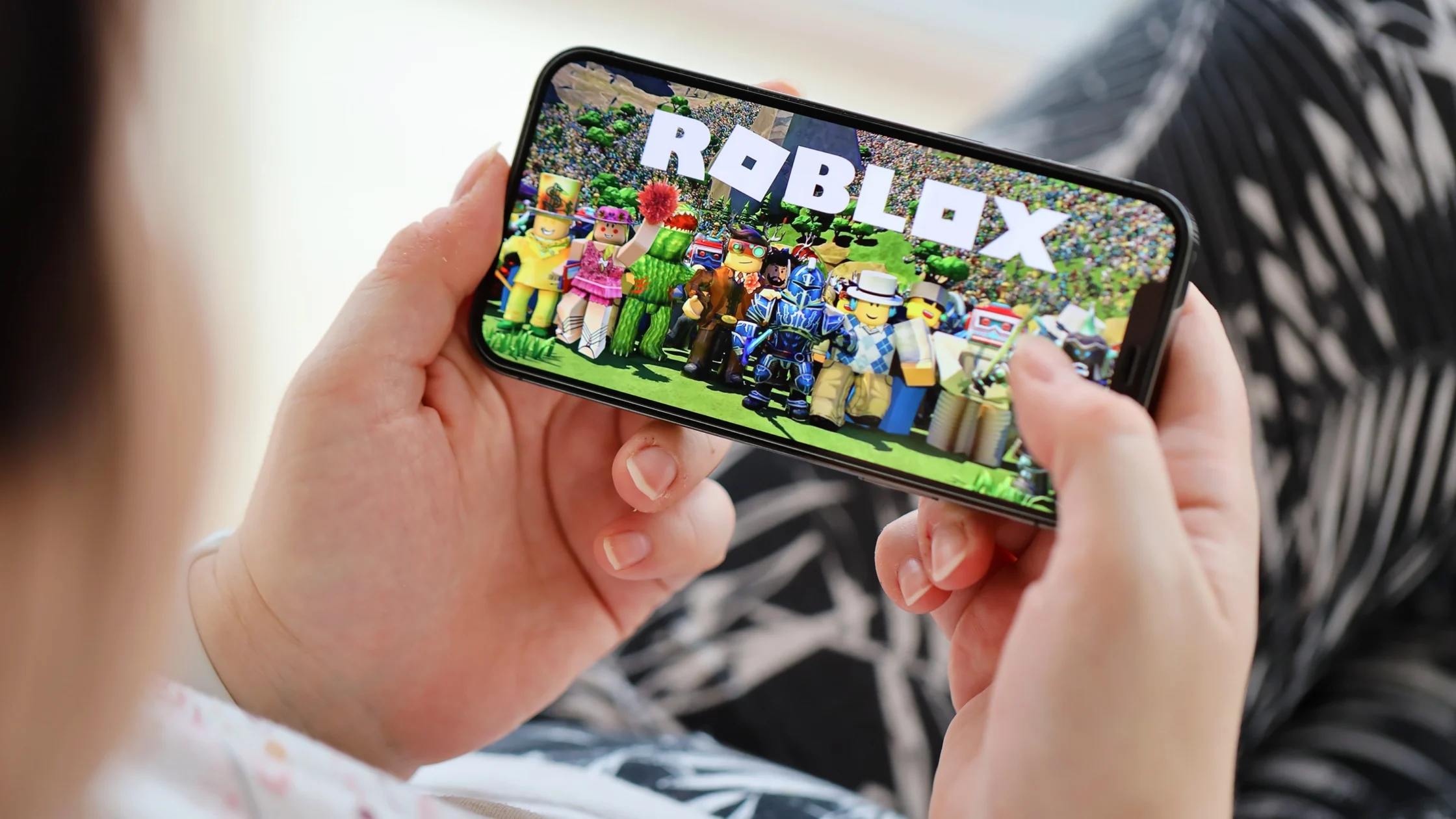
Will Roblox Be Banned In The Philippines? Here’s What Parents Need To Know



Here’s what parents need to know about their kids’ favorite game: Roblox
For many Filipino kids, Roblox isn’t just a game. It’s where they build worlds, play with friends after school, and sometimes even learn early coding or design.
But the platform is now under serious scrutiny in the Philippines—and a possible nationwide ban is on the table.
The Cybercrime Investigation and Coordinating Center (CICC) has reportedly given Roblox a 30-day window to address child safety concerns, warning that failure to improve protections could lead to restrictions or a ban in the country.
The issue has sparked debate among Filipino parents. Some support stricter action if it means protecting children online, while others worry about losing a platform many kids enjoy responsibly.
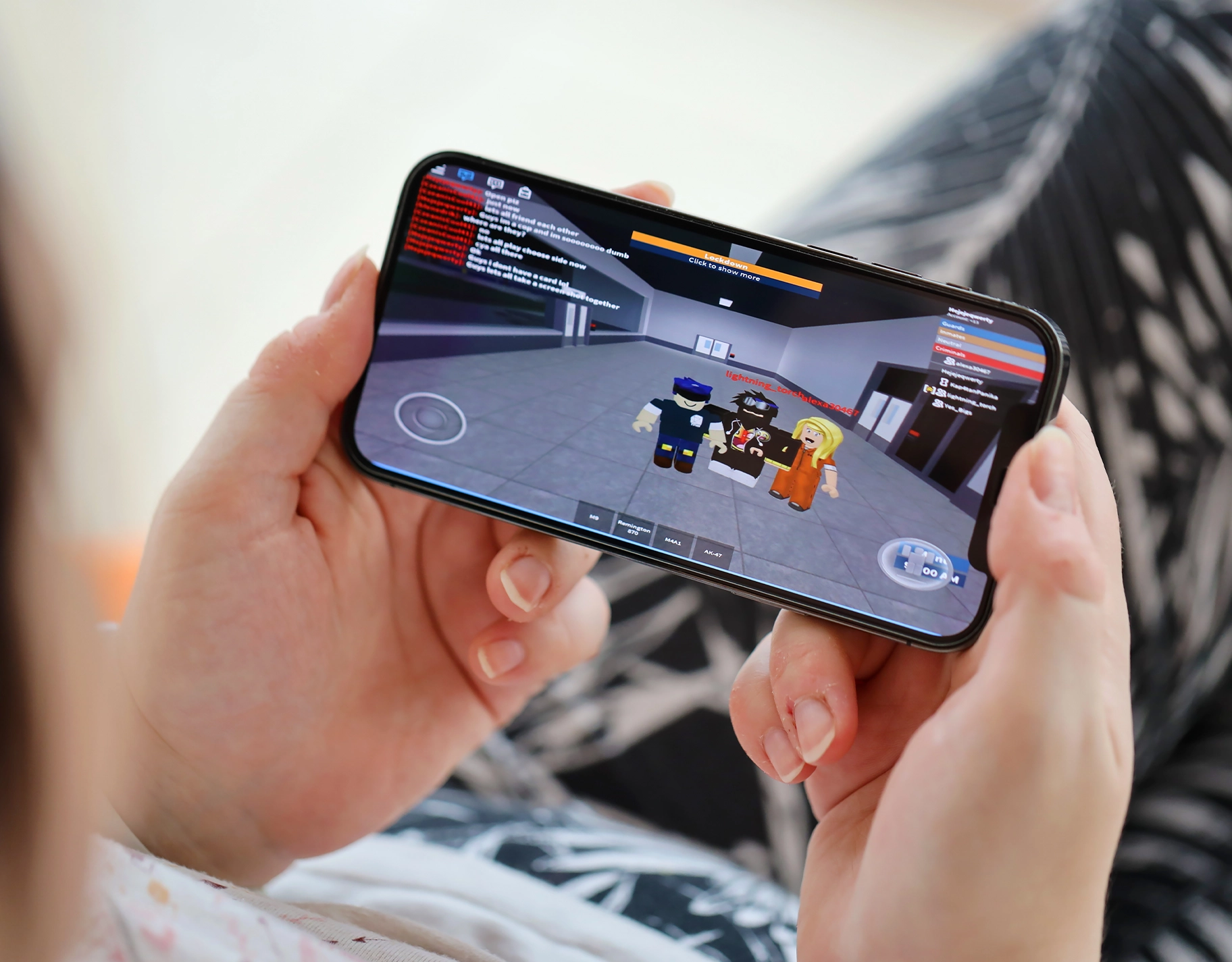
Why Roblox Is Being Investigated
Authorities are looking into alleged risks involving minors on the platform, including potential exposure to harmful online interactions and other illegal activities involving children. Officials said Roblox is being closely monitored as the government evaluates how online platforms protect young users.
Globally, Roblox has faced ongoing debates around moderation and child safety, especially because millions of its users are children and teenagersTeenagersYoung people between 13 and 19 who are developing identity, independence, and judgment. Parents stay close by listening more than lecturing, keeping curfews and expectations clear, and showing up for interacting through games and chat systems.
In the Philippines, the situation escalated after authorities linked online interactions on the platform to concerning behavior among some teens, prompting the government to consider stronger regulation.
Why Parents Need To Pay Attention
For Filipino families, gaming is often a normal part of modern childhood. After school, it’s not unusual to see siblings sharing a tablet, cousins playing together online, or kids chatting while building virtual worlds.
But the Roblox issue highlights a challenge many parents face today: Online games don’t just entertain; they connect players to one another.
Children can interact with strangers, join group chats, and participate in communities that parents may not always see.
The Reality of Online Threats Most Parents Don’t See
Most gaming platforms today use cybersecurity systems designed to stop common technical attacks—things like hacking attempts, malware, or account takeovers. But the real danger is when the attacks are done through human interaction. It means 1) the person’s a player, 2) they have a good grasp around the game’s rules, and 3) they know the loopholes in said rules.
So they usually break through security via:
- chat messages
- private messaging
- in-game conversations
- friend requests
- social manipulation
Unlike viruses or hackers, they usually have a particular script. For example:
- strangers slowly building trust with children
- asking personal questions
- moving conversations outside the platform
- using coded language or familiar phrases to connect
Many of these patterns repeat across different games and social platforms.
And because they happen through conversation, they can sometimes slip past basic automated protections.
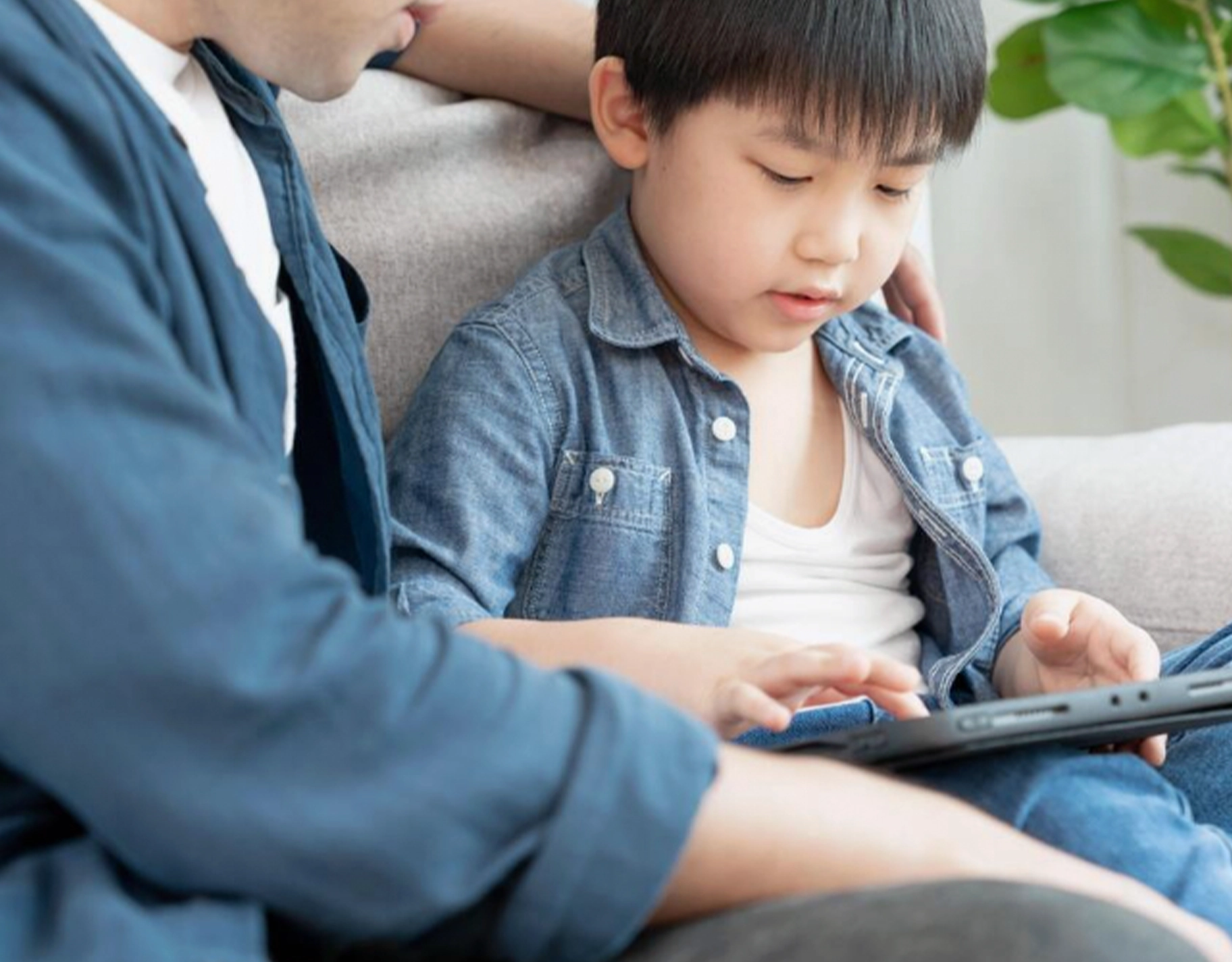
What This Means for Parents Raising Kids in a Digital World
Regardless of whether Roblox is eventually banned or remains accessible in the Philippines, experts say the bigger conversation for families is about digital awareness. Today’s children often understand screen timeScreen TimeThe hours a child spends on phones, tablets, TV, and games. Pediatric groups advise little to no screen use for toddlers and limited, high-quality content for older kids, with family limits, but fewer fully recognize the risks that can come from interacting with strangers online. Because many online threats now happen through conversation rather than technical hacking, parents need to teach children how to read “in between the lines” and understand what certain interactions.
It’s good to review the chat and communication settings together, since many platforms allow parents to limit messaging or control who can contact their child. But it’s also important to kids to have a “zero trust rule”—wherein players only trust them within the context of the game and nothing else. Doing so will help them recognize patterns that may signal unsafe behavior, such as strangers asking personal questions, encouraging secrecy, or trying to move conversations outside the game.
Exploring the platform alongside your child can also make a difference; when parents understand how a game works, they are better able to spot potential risks and guide their children through them. Most importantly, children should feel safe reporting uncomfortable interactions, knowing they won’t be punished for speaking up.
Frequently Asked Questions
It was their main connection to the outside world during the pandemic. Roblox also allowed kids to develop their own games, kind of how kids back in the day developed “tag” or “langit lupa.”
No. Roblox has gotten into trouble, especially when many have started to use it as a medium for child exploitation.
The CICC has given Roblox a 30-day window to address the cybersecurity concerns and may only ban if the measures are not up to par.
They can be so long as kids learn how to read in-between the lines and keep all conversations within the game’s context.
Authorities are reviewing child safety concerns on the platform and have given Roblox time to address issues before possible restrictions.
More about cybersecurity and kids?
YouTuber-Lawyer Team Sues Roblox Over Child Safety Gaps
10 Commandments for Every Kid and Teen Netizen
What Parents Need To Know About The Roblox Schlep Controversy