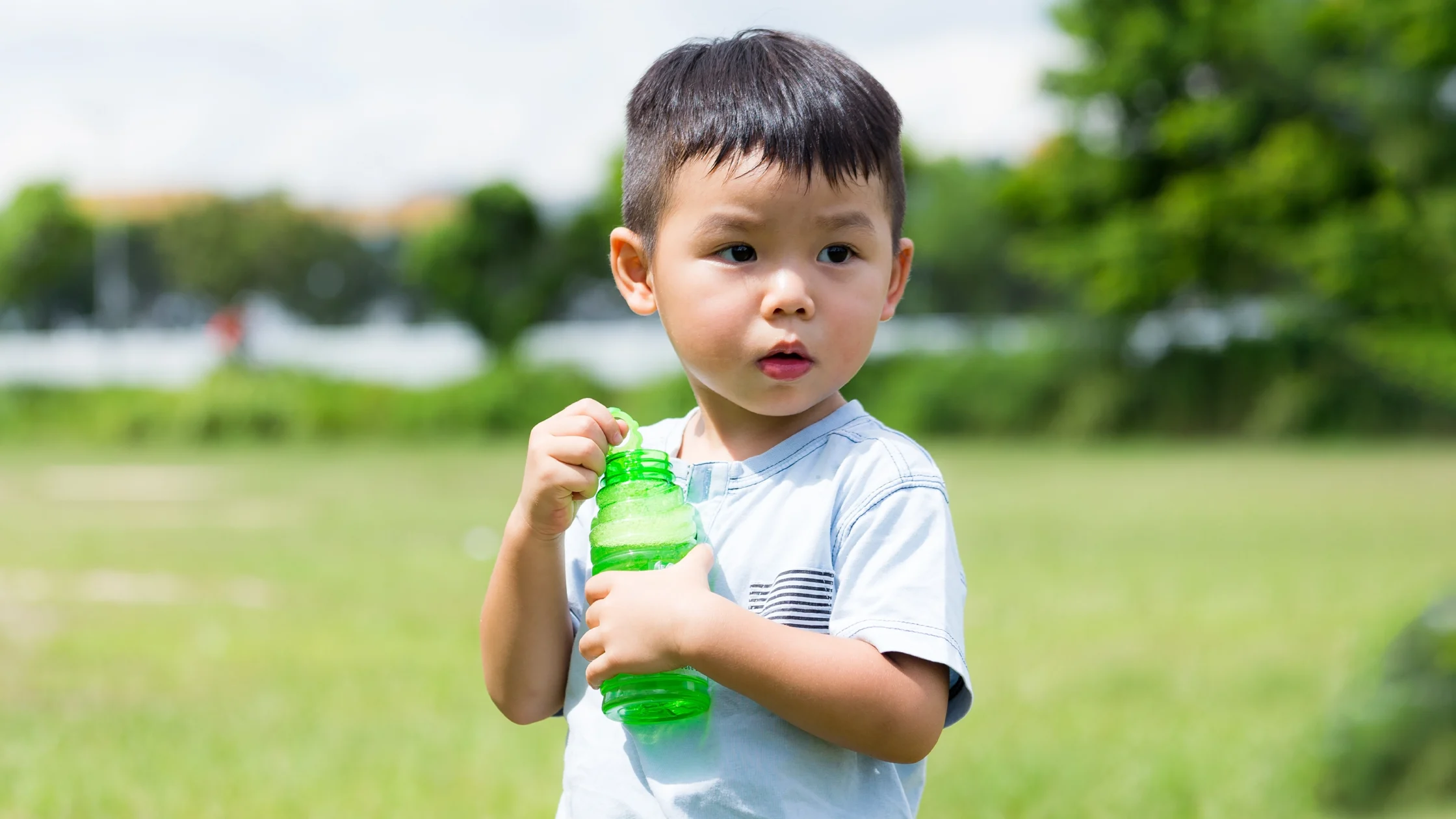
Safe Play in the Heat: Protecting Kids From Heatstroke and Dehydration



Here’s how kids can still survive the heat and have fun.
Summer hits differently in the Philippines. It’s sweltering—sticky, stuffy, and stifling. While extra aircon time at home is usually the answer to that problem, the rising prices of electricity and fuel are slowly making that solution impossible. Some families find refuge in the malls, but even crowded ones get hot eventually.
Then, there’s dealing with the meltdowns—the kind caused by kids discovering the possibility of unlimited screen timeScreen TimeThe hours a child spends on phones, tablets, TV, and games. Pediatric groups advise little to no screen use for toddlers and limited, high-quality content for older kids, with family since they’re “just at home” to stay cool and reduce expenses.
While screens cause the majority of the meltdowns, something else may be triggering them entirely. Usually? It’s heat, dehydration, or exhaustion—or worse: all three at once.
So before we assume “nag-iinarte lang,” we might want to check if they’re okay physically.

Why Kids “Melt Down” More in the Heat
Kids don’t regulate heat as well as adults do. Their bodies heat up faster, and once they’re uncomfortable, everything else follows.
Here are some common reasons why kids suddenly freak out during summer play:
1. They’re Dehydrated (and Don’t Realize It Yet)
Kids will never say “I’m thirsty” and instead, go scavenging for water. By then, they’re already cranky, tired, and screaming for “water!” Even if it’s just in front of them.
2. They’re Overstimulated
Between the sun, noise, movement, and excitement, their little systems process faster and thus, overload faster. The heat just hurries the process along.
3. They’re Physically Exhausted
Running in the sun drains energy faster. What looks like stubbornness might actually be fatigue.
4. They’re Overheating
Not many kids can tell if they’re overheating. Adrenaline from fun makes them ignore it. Sweating, flushed, and sometimes itchy skin—eventually, they just shut down or start lashing out due to the extreme heat.
5. Hunger Hits Harder in the Heat
Missed snack times + hot weather = instant headache = instant bad mood. No warning—just a throbbing headache and a whole lot of waterworks.
How to Keep Summer Play Safe (and Sanity Intact)
You don’t need to cancel outdoor play—you just need to play smarter.
Here’s how to protect your kids (and your patience) from heatstroke and dehydration:
1. Add More Ice
Kids will definitely need more cold water. So instead of adding more water, what some moms do is fill the entire water jug with ice before pouring the water. That way, when the ice melts, it’s still cold water.
2. Time Outdoor Play Wisely
Avoid the peak hours. Lunch time to 3 PM is usually the hottest. However, the summer season in the Philippines means longer mornings, which is why 5 PM can seem weirdly hot when the sun usually drops by 5:30 PM. With that in mind, try to keep the outdoor play around 4:00 to 5:00 PM.
3. Dress for the Weather
Light, breathable clothes. Think cotton, loose fits, and light colors.
If they look like they’re ready for a photoshoot instead of a heatwave, it’s probably too much.
4. Build in Breaks (Before They Crash)
Kids won’t stop playing just because they’re tired. You have to be the one to pause things.
Shade breaks. Water breaks. Quiet time. Repeat.
5. Pack Smart: Your Summer Survival Kit
Always have these on hand:
- Water (more than you think you need)
- Snacks with high water content (think watermelon, apple, or even orange slices).
- Extra clothes
- Small towel or wipes
- Hat or cap
- Rehydration salts or electrolyte drinks
The more hydrated the kids are, the happier they’ll be. Don’t worry about them needing to pee out of nowhere. They’ll most likely sweat out the water before needing the toilet.
6. Watch for Warning Signs of Heat Exhaustion
Whenever kids suffer from heat exhaustion, some of the more common signs include:
- dizziness
- excessive sweating (or suddenly none at all)
- flushed or pale skin
- nausea
- unusual irritability
However, not all kids express their exhaustion this way. Some just “play harder.” Others start having cracked and bleeding lips. Either way, the moment kids’ personalities start doing a full 180, full stop, and check.
7. Normalize “Stopping.”
Every parent dreads the moment they say, “Time to go.” Kids beg, negotiate, plead, throw a tantrum, and among other things. However, that’s because they haven’t connected the dots yet about how the heat can drive them nuts.
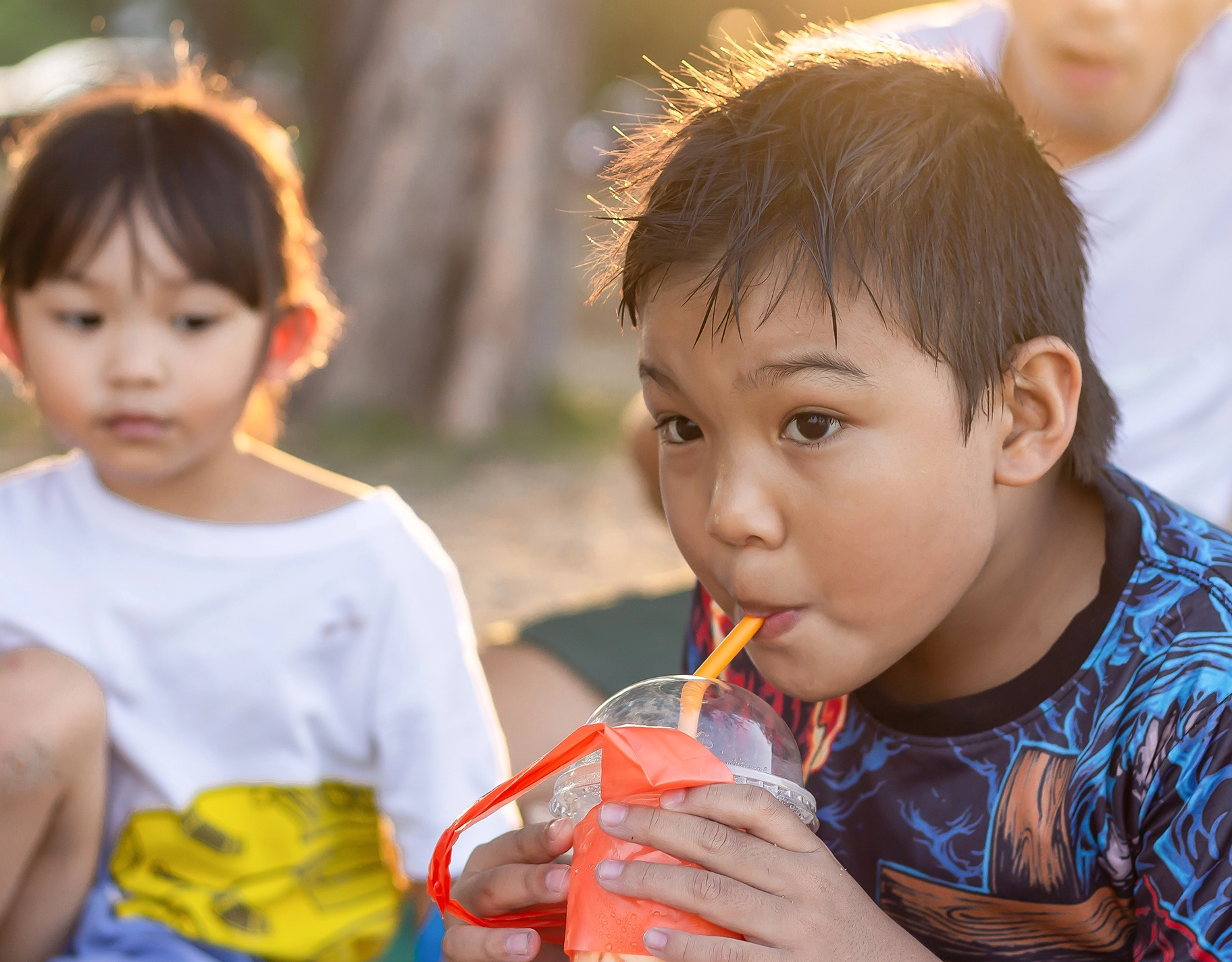
When the Heat Takes Over: Pause, Don’t Push
Not every meltdown is an attitude problem. Sometimes, it’s heat, hunger, or dehydration (or again, all three) talking. While Philippine summers have always been harsh, this year’s heat seems hotter than last. Some may say it’s because of global warming. Others will argue that there are too many buildings in Metro Manila and not enough parks to absorb the carbon dioxide in the air.
But their sudden need for violence? Their tears over something small? Always check if it’s the heat before anything else. Because if it’s a problem they’ve dealt with well before then, the heat’s just making it hard for them to think. Not even computers or AI do well in a hot room.
When we say “tough out” the heat, we don’t mean just proceed as usual. We mean to find better ways to cope with the heat. Fight smarter.
Pause. Water. Shade. Breathe.
Because let’s be honest, the Philippines won’t be cooling down anytime soon. And if it does, it’s usually the signal for its extreme opposite: typhoon season.
Frequently Asked Questions
Kids overheat faster than adults. Heat, dehydration, and exhaustion can quickly lead to irritability, mood swings, and sudden meltdowns.
Offer water regularly—even before kids ask. Cold water, fruits with high water content, and electrolyte drinks can help keep them hydrated.
Common signs include dizziness, excessive sweating (or none), flushed skin, nausea, fatigue, and unusual irritability or behavior changes. Some kids are also prone to developing heat rashes.
Early morning or late afternoon (around 4–5 PM) is ideal. Avoid peak heat hours between late morning and mid-afternoon.
Keep windows open. Have dehumidifiers. Reduce meat intake for a bit to prevent the body from heating up. Add a little salt to the food so the kids can retain more water.
More about beating the heat?
8 Heatwave Hacks for Families to Stay Cool Under Fire
Heat Index in the Philippines: We’re Cooking!
One Pot Summer Recipes to Beat the Scorching Heat