What Is Pax Silica? Why Parents Are Suddenly Hearing About It



Pax Silica sounds like something straight out of science fiction, but it’s actually a proposed technology initiative that could shape the Philippines’ future. Here’s what parents should know—and why it’s sparking both excitement and concern.
If you’ve been scrolling through social media lately, you’ve probably seen the words Pax Silica pop up alongside debates about AI, data centers, jobs, and even water supply.
It sounds highly technical, but the basic idea is easier to understand than you might think.
Imagine the internet as a giant city. Every photo, school project, online class, video call, and AI chatbot needs a “warehouse” where information is stored and processed. Those warehouses are called data centers. Pax Silica is a proposed initiative that aims to make the Philippines a bigger player in that digital world by attracting investments in AI, semiconductor manufacturing, and advanced computing infrastructure.

What We Know About Pax Silica
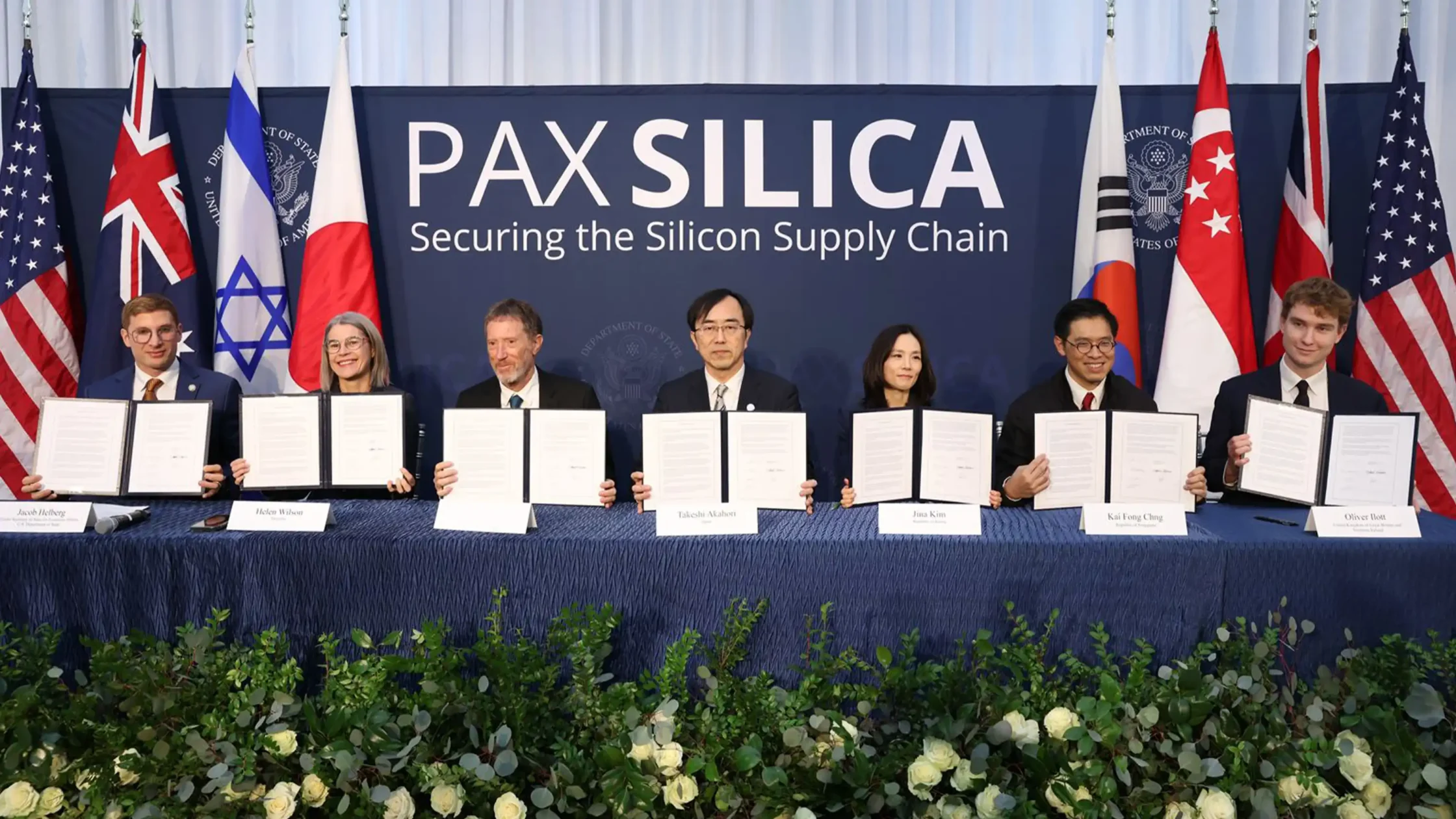
The proposed project is expected to be centered around New Clark City, Tarlac with plans to develop an Economic Security Zone focused on AI, semiconductors, cloud computing, and high-performance data centers. The initiative is backed by cooperation between the Philippines and the United States as part of efforts to build more secure technology supply chains.
Think of data hubs as giant digital libraries that keep apps, streaming services, AI tools, hospitals, banks, and even schools running.
Supporters say Pax Silica could bring billions in investments, create high-paying technology jobs, strengthen local industries, and encourage more companies to build advanced facilities in the country.
For Some It May Mean Jobs, For Others—Not So Much
Like many major infrastructure projects, Pax Silica raised a lot of questions—especially environment-related ones.
Some studies have revealed that large AI data centers consume a vast amount of electricity and water. Thus, their environmental impact can be quite detrimental, especially to the communities living nearby. Others are calling for greater transparency about the project’s long-term agreements and safeguards.
Government officials, meanwhile, have said national interests, environmental protections, and local communities will be protected. Defense Secretary Gilberto Teodoro has also said the project is not expected to threaten regional water supplies, while Malacañang has assured the public that environmental and legal safeguards will be observed.
For parents, this is ultimately a conversation about balance. Today’s children are growing up in an AI-powered world. Projects like Pax Silica could create future careers in engineering, cybersecurity, and technology—but they also remind us that economic growth works best when communities, natural resources, and transparency grow alongside it.
Frequently Asked Questions
It is a proposed initiative that aims to make the Philippines a hub for AI, semiconductor manufacturing, and advanced data infrastructure.
A data hub is a place where large data centers store, process, and distribute digital information that powers online services and AI.
The goal is to attract investments, create skilled jobs, and strengthen the country’s role in the global technology industry.
Questions have been raised about electricity use, water consumption, environmental impact, and how surrounding communities may be affected.
If successful, it could create more technology-related careers for today’s children, but many Filipinos are also calling for strong environmental safeguards and transparency before the project moves forward.
More about technology or AI?
AI & Critical Thinking: Why These Two Should Go Together
What Dingdong Dantes’ AI Warning Means for Filipino Parents
What Parents and Kids Need To Know When Prompting AI