The Change They Didn’t Hide



Marilen Gonzalez Elizalde, Joanna Preysler Francisco, and Suzi Entrata Abrera break the silence on perimenopause — the hormones, the loneliness, and the version of themselves that came out the other side
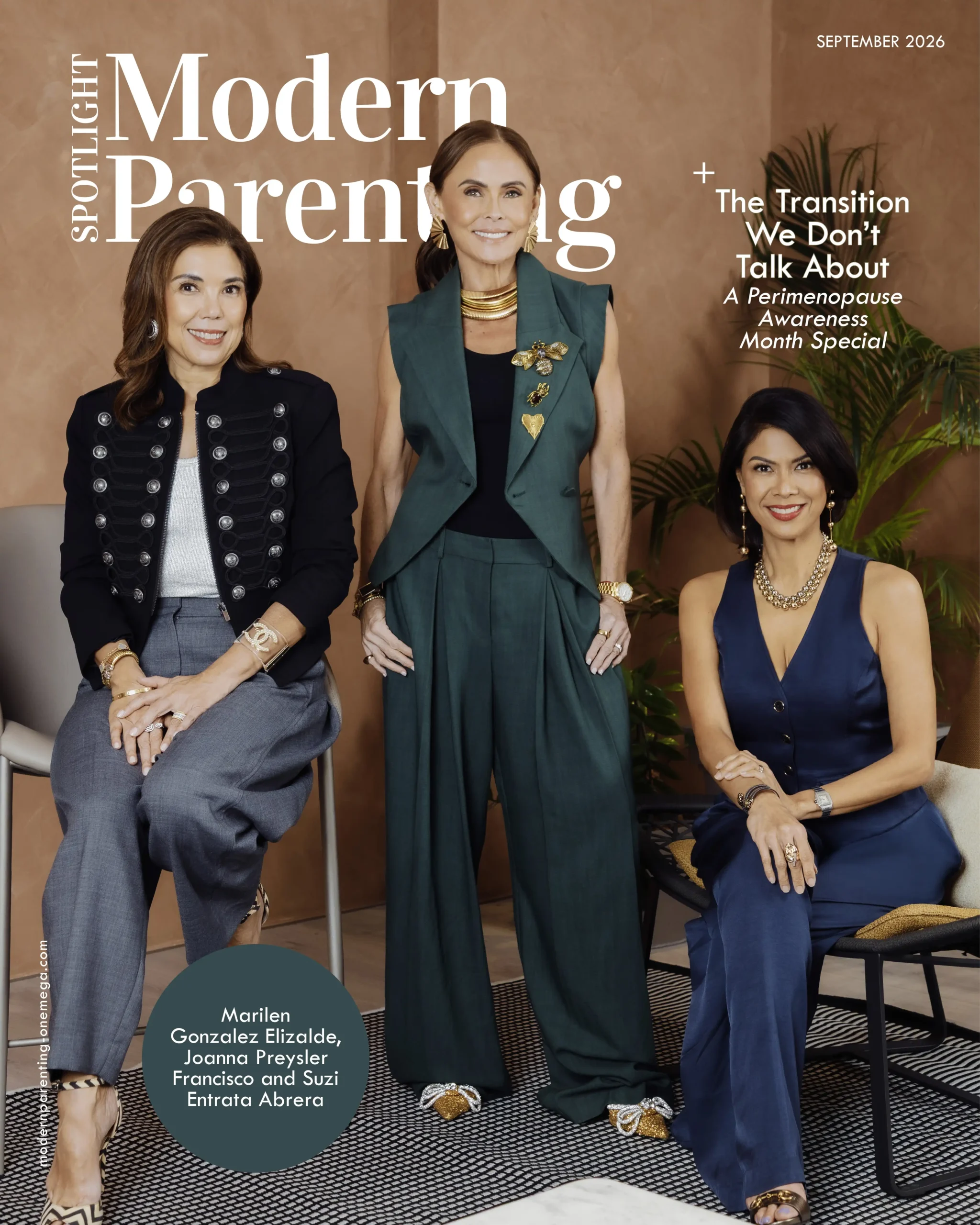
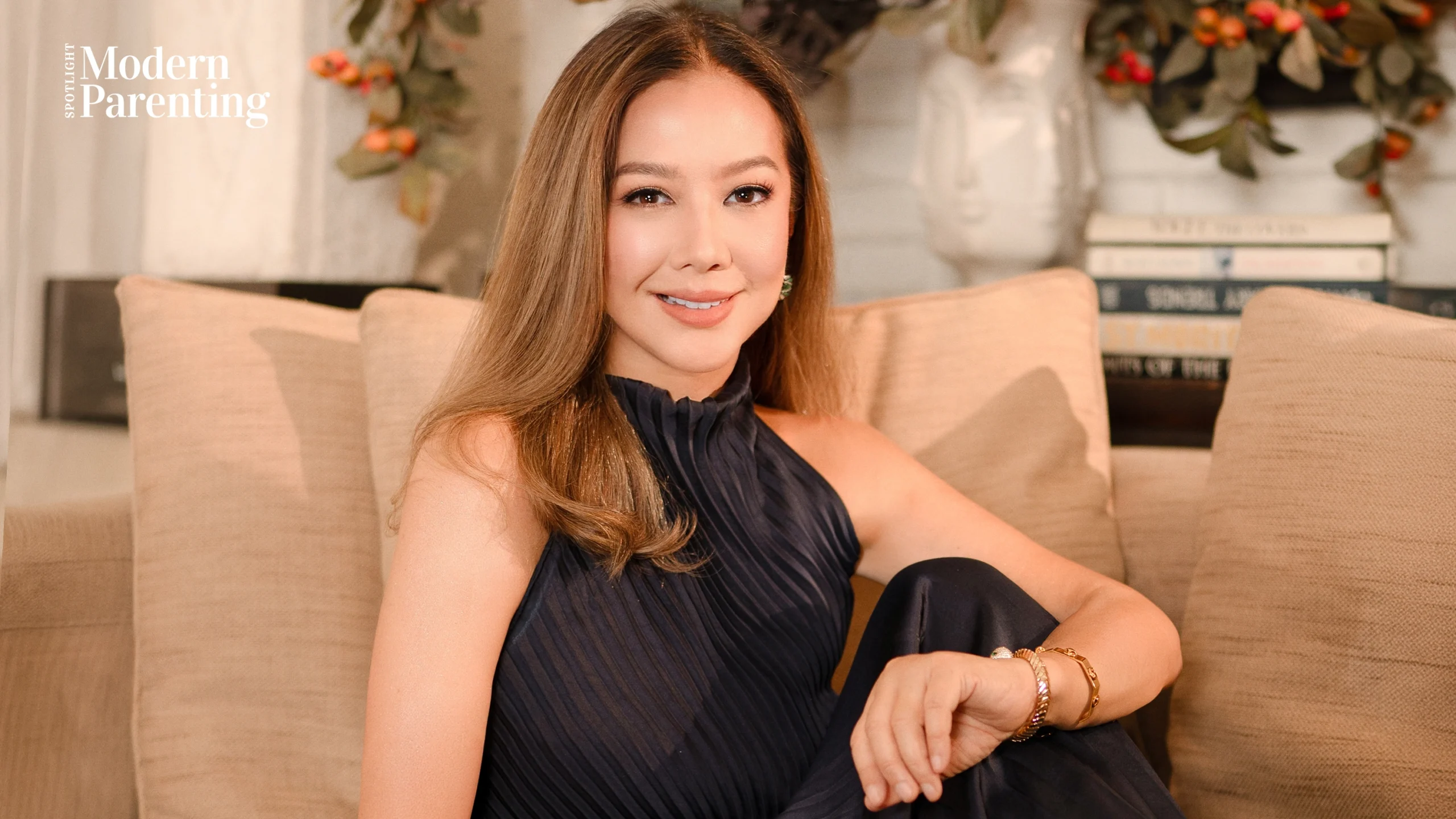
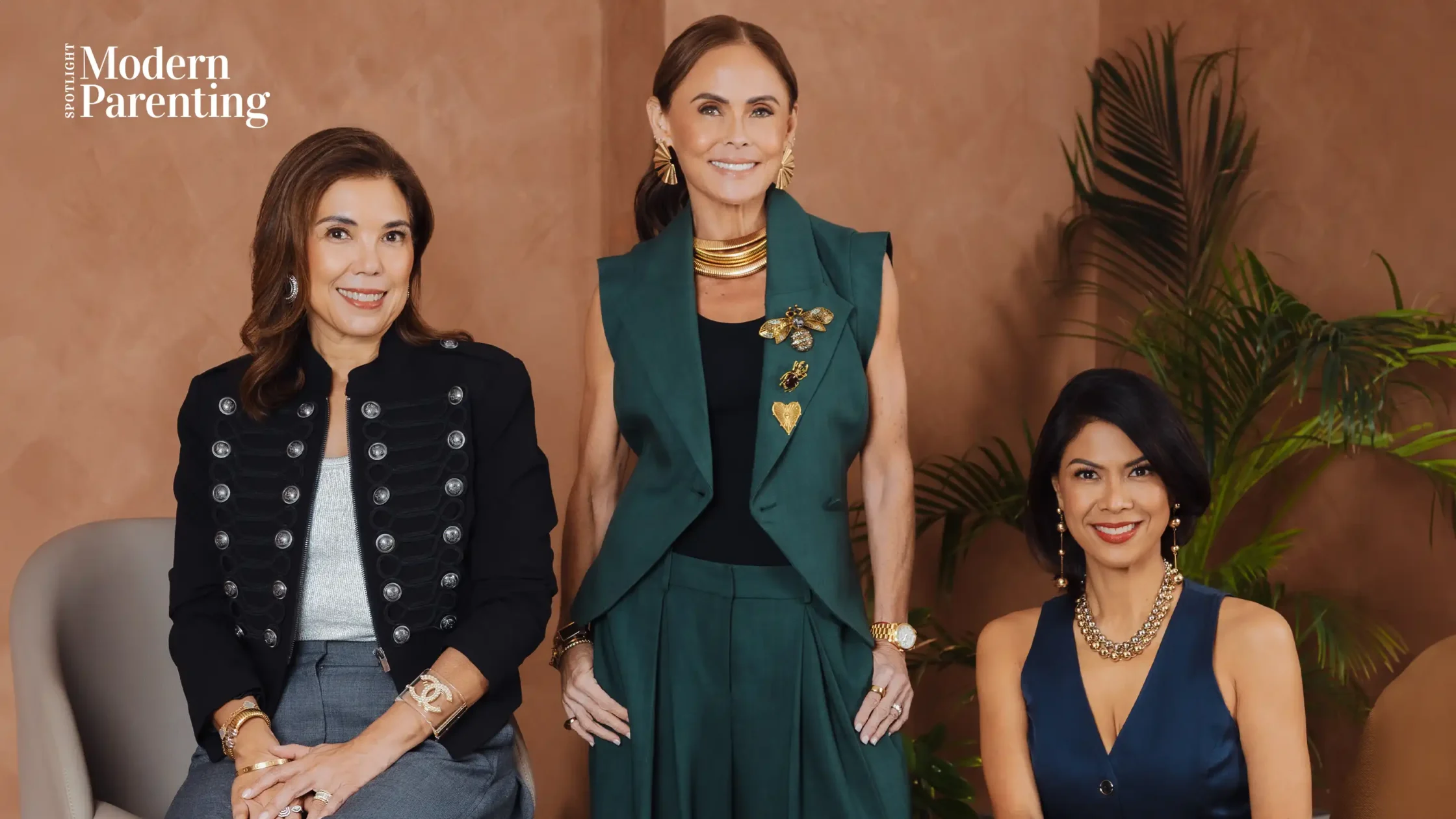
September is Perimenopause Awareness Month, and Modern Parenting is raising awareness with three women who’ve each met this stage of life from a different angle, — and decided, separately, that silence wasn’t an option. Marilen Gonzalez Elizalde came to it as a wellness educator who had to live through the confusion before she could name it for other women. Joanna Preysler Francisco came to it as someone unwilling to let libido, mood, or hormonal health stay unspoken. Suzi Entrata Abrera came to it as a broadcaster who noticed her own symptoms first, then made space for the conversation on camera. None of them had a plan or a map when they started. But all three are handing one over now — the myths they want retired, what actually got them through the hardest stretches, and what they wish someone had told them before “the change” began.
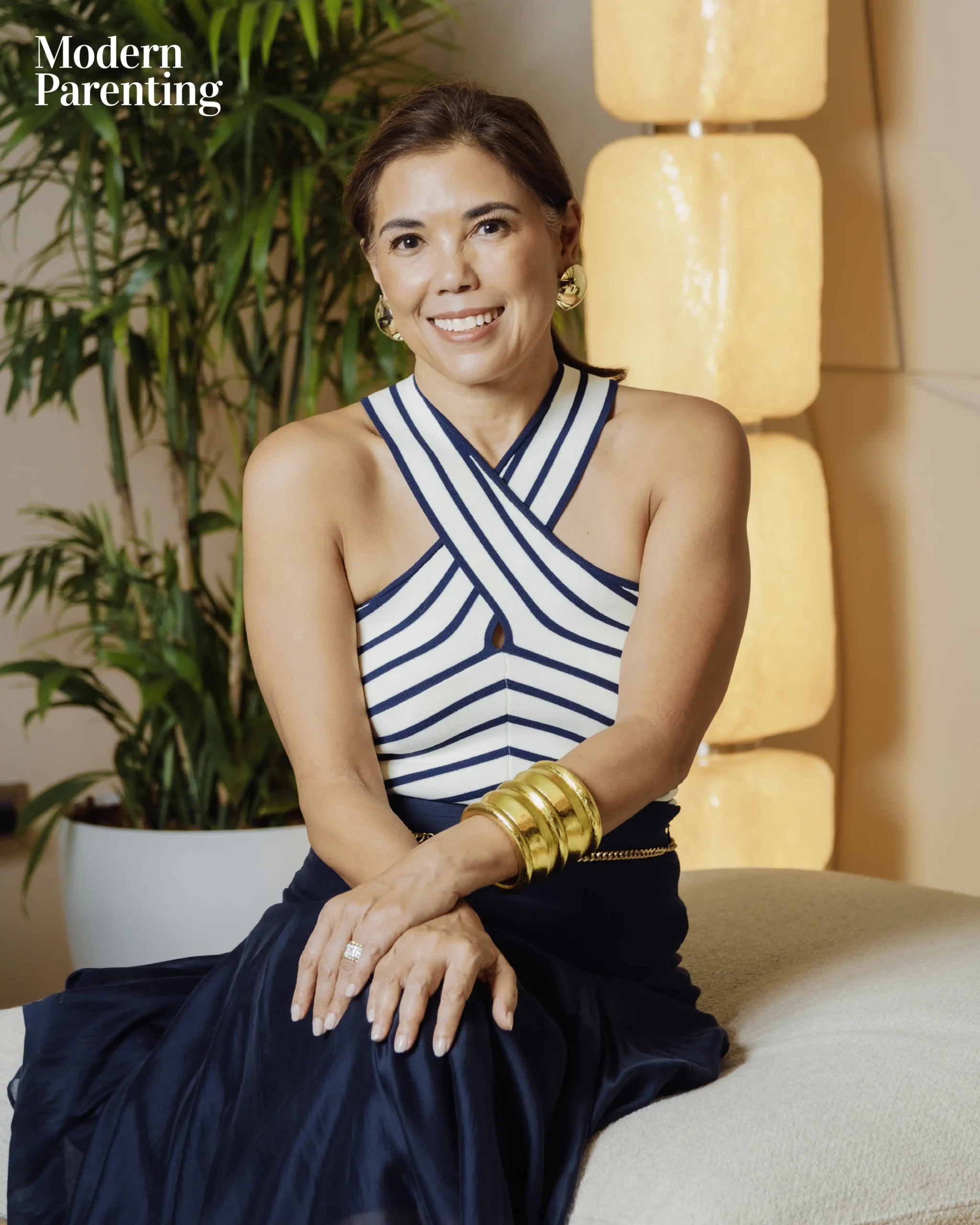
Marilen Gonzalez Elizalde
Was there a moment even her own training couldn’t decode?
Marilen Elizalde has built a career teaching women to understand their hormones, but she’s the first to admit the science came after the struggle. “My ‘aha’ moment came when I understood the power of knowing my body and what it needs so I can support it,” she says. Her own menopause was clinical — triggered abruptly by medication that treated a cyst, not by age — and she went through it without knowing what was happening. “My hormones simply disappeared, and I was not aware what hormones did to my body. It was not explained to me at all,” she says. “I ate less and exercised more, and didn’t eat the right food groups, because I was not aware of the physiological changes my body was going through. Education was key.”
She rejects the framing of perimenopause as an ailment outright. “It’s not a disease. It’s a transition from one phase of a woman’s life to the next,” she says. She frames it as the third of three life stages Filipino culture doesn’t treat equally. “There are three Ps in every woman’s life — Puberty, Pregnancy, and Perimenopause. The first two are often celebrated. But sadly, Perimenopause starts and ends quietly and is treated like a disease.” Some of what she now teaches is startlingly practical. “Estrogen is a social hormone — it doesn’t like sugar, it enjoys protein and stronger workouts. Progesterone prefers quieter days, movie nights, and carbs,” she says.
The best version of ourselves
That knowledge came only after her own hardest stretch, made harder by not knowing what it was. “My journey was a very lonely one because I didn’t know I was actually going through perimenopause,” she says. What carried her through were her husband and friends, and her yoga and meditation practice. “I pushed myself to get on my mat and practice. Then I was able to navigate through my day.”
The question she still doesn’t have a clean answer to is about self-worth. “The most difficult struggle women face during this time is their self-worth. After a life spent supporting everyone in the family, when ‘me time’ comes, we don’t recognize it,” she says. Her answer, honest rather than tidy, comes back to community: “The key is supporting each other in the most positive way, and allowing women to momentarily let go and feel the freedom to release in a safe space.”
If she could talk to her 35-year-old self, the message wouldn’t be a warning so much as a reframe. “Brace yourself for the wild ride that is about to start, and honor every change about to happen,” she says, “because we will begin the process of becoming the best version of ourselves.”
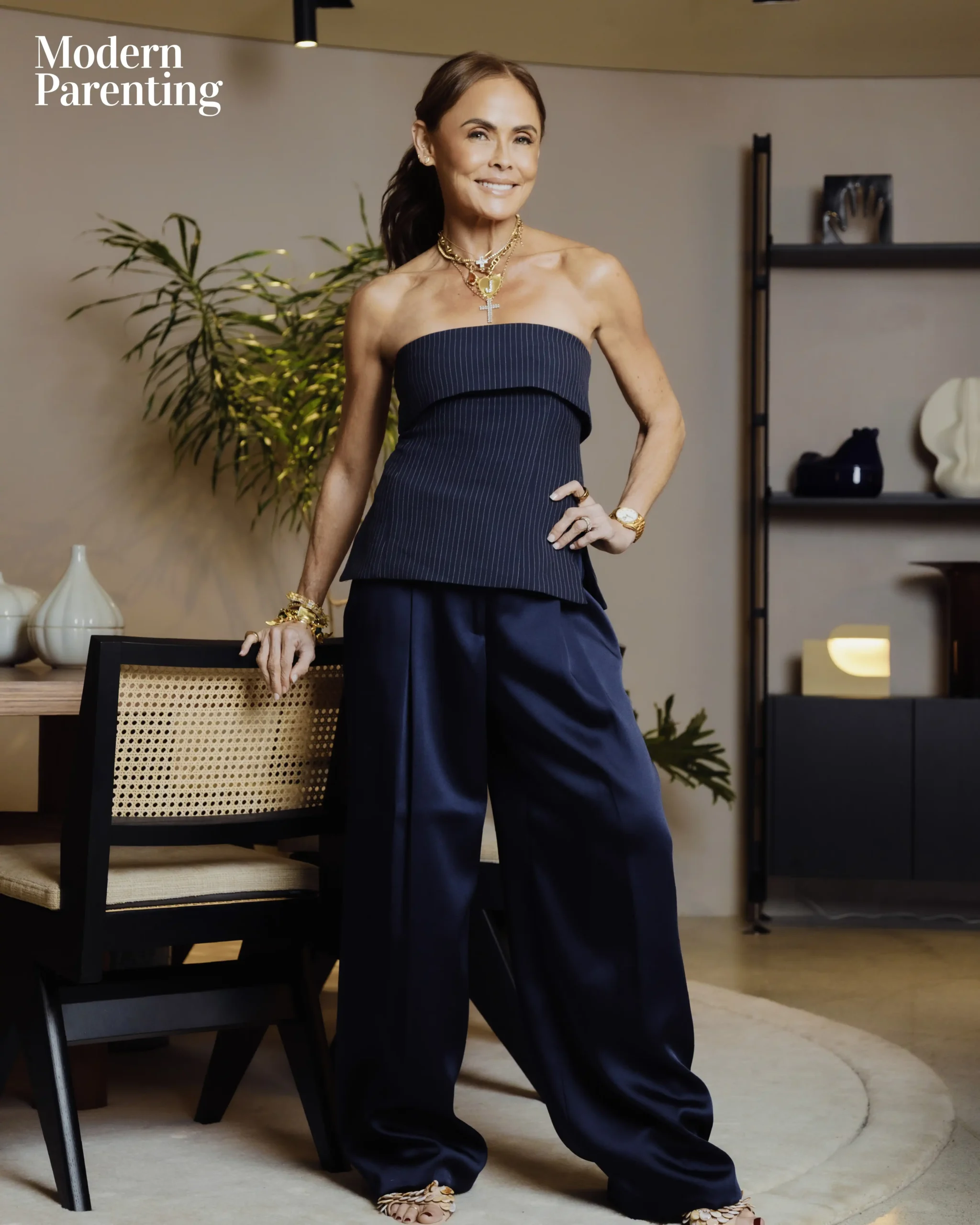
Joanna Preysler Francisco
My menopause has long paused
Joanna Preysler Francisco doesn’t ease into the subject of libido during menopause — she opens the door in it herself. “Why shouldn’t I be open about it? I’m a woman of 57. If I am to be a role model to younger women, we have to have those conversations,” she says. “I’m not sharing intimate details. What I’m sharing is the experience that comes with menopause. I have three kids — that proves I’ve had sex at least three times,” she adds, dry, before turning serious. “It’s a stigma we have to get rid of.”
That candor extends to her marriage. “It’s really a team sport,” she says. “Your partner has to know what’s going on, or they might think they’ve done something wrong, that they’re undesirable, if they don’t understand why you’re not in the mood.” When her hormone specialist ran her bloodwork and started her on Hormone Replacement Therapy (HRT), Joanna told her husband everything. “Gone are the days where women have to go through this alone,” she says.
Why should decreasing libido be taboo?
She’s direct about the myth she wants gone for good: that menopause is a mental issue rather than a physical one. “It’s not something you can think away,” she says. “It’s physical, physiological, and you can’t help it.” She’s just as blunt about what gets labeled taboo. “Why should it be taboo to talk about decreasing libido during menopause? That’s up to the woman involved to decide. I’m the one who sets the tone.”
That directness was tested hardest during the pandemic lockdown, when she went through menopause and it was hard to separate one crisis from another. “There were times I’d wake up and feel like, oh my God, I don’t want to get out of bed. I didn’t know if what I was feeling was the pandemic or menopause,” she says. What got her through it was staying active with her husband and kids, and being honest about it: “I’d tell my husband, I feel lonely today, I feel sad, and we’d talk it through. That was a big help.”
Her message to anyone without that kind of support is unambiguous: don’t wait. “Get help. See a doctor, see a therapist, call a friend,” she says. Joanna regularly hears from strangers who message her after she’s posted about her own experience, some of whom have told her they felt suicidal. “I reply to everything. Even if just one woman is helped by my openness, I’m happy.” Which is how she’s landed on her now-famous line: “I’ve menopaused. My menopause has long paused.”
Asked what she’d tell her younger self before any of this started, she doesn’t hedge. “You survived everything life has thrown at you up until this very second. You will make it, and your 50s will be the best decade ever.”
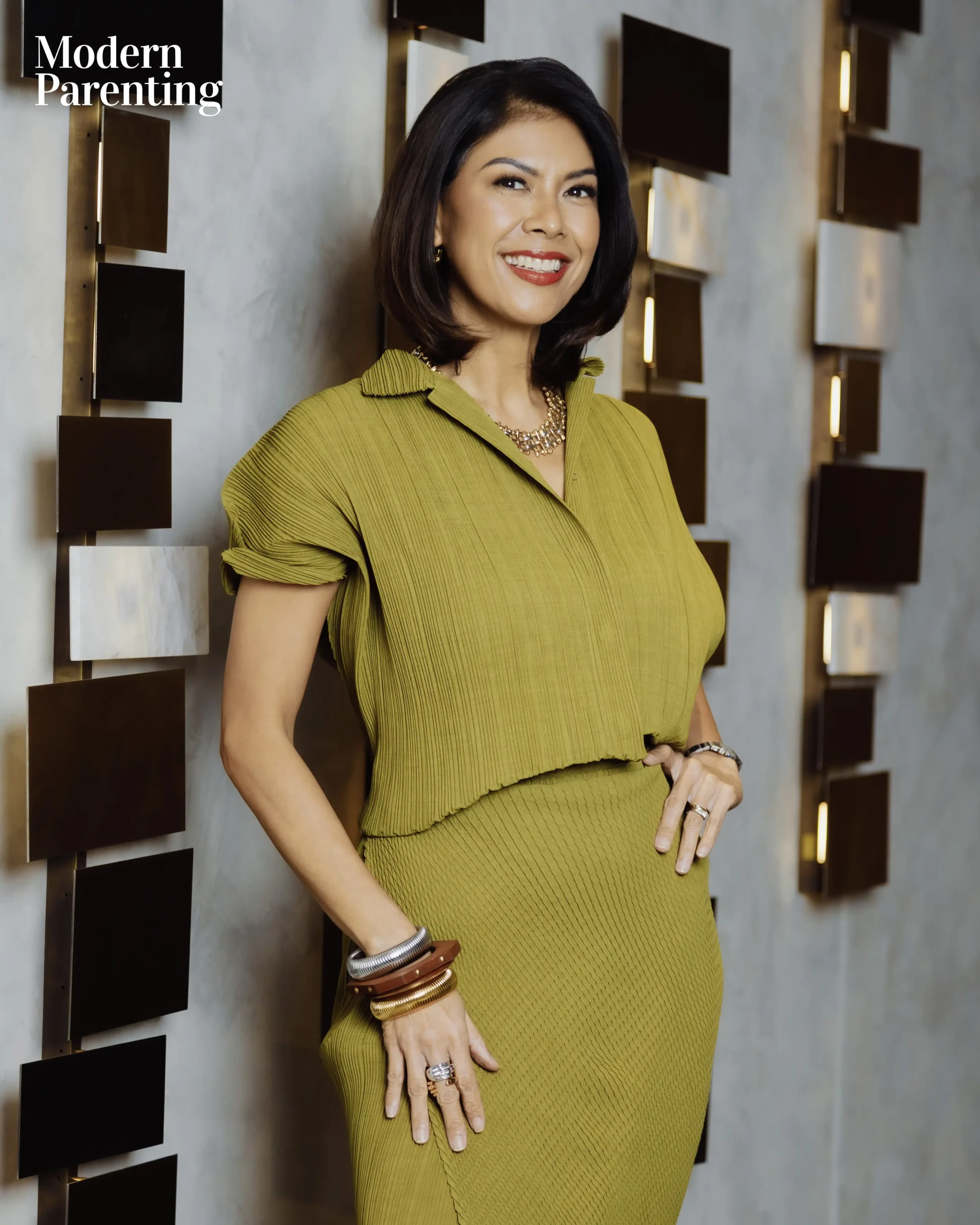
Suzi Entrata Abrera
You are not experiencing this alone
Suzi Abrera has never been quiet about perimenopause. As a broadcaster who’s put a microphone in front of the topic on public forums, she’s used to saying out loud what most Filipino households only whisper about. The moment that made it personal started somewhere much smaller and stranger: behind the wheel of a car she’d driven without incident since she was 18. “Anxiety! Oh my, I didn’t even know what this meant until I experienced it,” she says. She started missing lane changes, getting honked at, losing her bearings. “It took a few months — and a couple of thankfully minor traffic accidents — before I got my driving groove back,” she says. “Not the same as before, however. But I’m okay with it.”
Ask her the one myth she’d retire and she goes straight for the isolation. “One myth I would want to change is that those who do not experience it cannot possibly understand — our spouses, for example, or other men who are members of our family and community,” she says. “With a bit of thoughtful communication and sincere interest in wanting to help them navigate this interesting season with us, we can all manage to survive peri and menopause.” She’s realistic about how far that conversation travels in the Philippines, where many women “cannot afford to have off days” or “have to commute and wait for a jeepney under the hot sun while experiencing hot flushes.” Her advice: find reputable sources, and remember women across cultures are living through versions of the same thing. “You are not experiencing this alone,” she says. “I want you to know that.”
Suzi 2.0
At home, the support system is direct and specific: her husband, Paolo. “He has been an excellent support system for me,” she says, “because despite my best efforts to remain as myself, I could see that I was changing — mood, energy, patience — and Paolo is in the direct line of fire for all of it.” She’s raised the subject with her three daughters too, who are approaching puberty themselves — perimenopause and PMS discussed openly at home. “We are all grateful for his patience and support,” she laughs, “imagine three young women with PMS and the mother with perimeno symptoms.”
On the days that feel genuinely grim, her self-care isn’t elaborate — she walks, she reads. Asked what she’d tell her 35-year-old self, she doesn’t go gentle: “It’s just like premenstrual syndrome. Only ten times worse. And with surprise symptoms you’ve never experienced before,” she says. “But what a ride it will be!” What she’d actually wish on her younger self isn’t luck — it’s information, early.
She’s honest, too, that it won’t last forever. “I’m still in my perimeno phase, so here’s hoping that there’s a finish line to all this,” she says. What she’s landed on isn’t a cure so much as anticipation — a version of herself on the other side, changed but recognizable. “Same, but different,” she says. “Suzi 2.0.”

Same season, different roads
Three women, three different roads to the same season. Sit them in one room, though, and you’ll see the roads merge. What came through most was three women listening — leaning into each other’s stories, asking questions no one on the production side had scripted, genuinely curious about what the others had lived through and how it might help someone still in the dark about her own body.
That’s really the point of marking September as Perimenopause Awareness Month in the first place. Not to turn a seven-to-ten-year transition into a single tidy narrative, but to put language in front of women who are living it without one — the way Marilen, Joanna, and Suzi each once were. If there’s a single thread stitched through everything they said, it’s this: perimenopause isn’t something to survive quietly. It’s something to talk about — at the dinner table, in the group chat, on the record — until the next woman going through it doesn’t have to go looking for the words alone.
Words: NICOLE LIMLENGCO
Photography: EXCEL PANLAQUE
Sittings Editor: MARGA TUPAZ
Make-up: TWINKLE BERNARDO and LEVENY DAMIAN
Hairstyling: ANGELI ALFONSO and ROMAN RAGO
Styling: SIYA DARYANI and ROSHNI MIRPURI of LUXME
Shoot CoordinatIon: TONI MENDOZA
Shot on location at CASA BELLA
Special thanks to FELIZ DISH AND DETAILS
Frequently Asked Questions
Perimenopause is the natural transitional phase leading up to when a person’s menstrual periods stop permanently. It often starts in a person’s 40s and can last anywhere from two to ten years.
Building a strong support system with a partner and friends is crucial. Additionally, incorporating grounding practices like daily yoga and meditation can help women navigate the physical and emotional turbulence of perimenopause.
Not at all. Changes in libido are a very normal part of the menopause experience. Having open, honest conversations about these changes is essential to removing the stigma and helping women realize they are not alone.
Women experiencing significant symptoms can consult a medical professional such as a hormone specialist to have their bloodwork analyzed. Based on those results, starting treatments like Hormone Replacement Therapy (HRT) can help regulate the body and manage symptoms.
Read the past cover stories
Beyond the Shortlist: The Parents Shaping Parents’ Choice Awards 2026
Joyce Pring and Juancho Triviño: Grace, Gratitude and God
The Dads Who Grew Up By Tabing Ilog