Can Gut-Friendly Filipino Food Tame Holiday Bloat?


How gut-friendly Filipino food, from kamote to atchara, helps you enjoy the “ber” months without the bloat
Filipino gatherings revolve around food: lechon at the reunion, candy after trick-or-treating, pancit and kakanin on Undas. By the third back-to-back feast, though, the bloating and acidity tend to show up. Gut-friendly Filipino food offers a way through. A few small swaps make familiar dishes easier on digestion without taking the fun out of the table.
Why Your Gut Needs Attention
The gut breaks down food, absorbs nutrients, and houses trillions of microorganisms. Dr. Ruter Maralit, a gastroenterologist with the Philippine Society of Digestive Endoscopy (PSDE), stresses that everyday food choices, not occasional “detoxes,” are the foundation of digestive health. A varied, fiber-rich diet feeds beneficial bacteria, which in turn support regular digestion.
The Food and Nutrition Research Institute of the Department of Science and Technology (DOST-FNRI) recommends eating a variety of foods daily, including at least five servings of fruits and vegetables. Its guidelines also call for safe food and water to prevent diarrhea and other foodborne illness, a useful reminder at potlucks and long holiday weekends.
The goal this season is not restriction. It is balance.
Fiber-Rich Staples Worth Keeping Close
Fiber feeds beneficial gut bacteria and supports regular bowel movement. DOST-FNRI lists oats, corn, and starchy roots such as kamote and gabi among the sources.
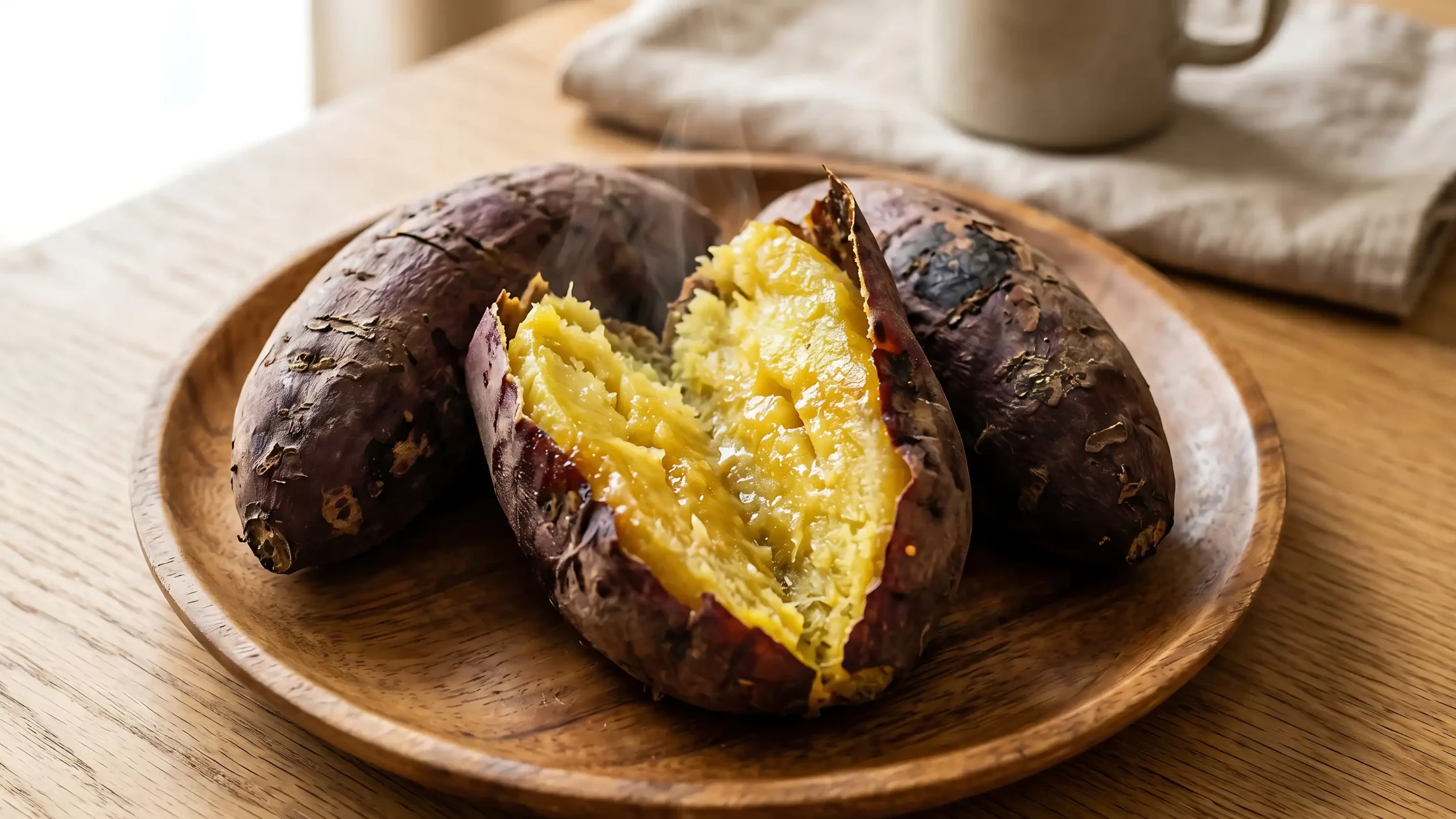
- Kamote: Boil it for merienda or serve it beside rice. Its natural sweetness suits a holiday snack.
- Gabi: Add it to sinigang or nilaga for a heartier, fiber-rich bowl.
- Corn: Toss it into soups and salads, or serve it boiled.
- Brown rice: The National Nutrition Council (NNC) notes that whole grains, including brown rice and oatmeal, contain more fiber and nutrients than refined grains.
Vegetables and Fruits to Pile On
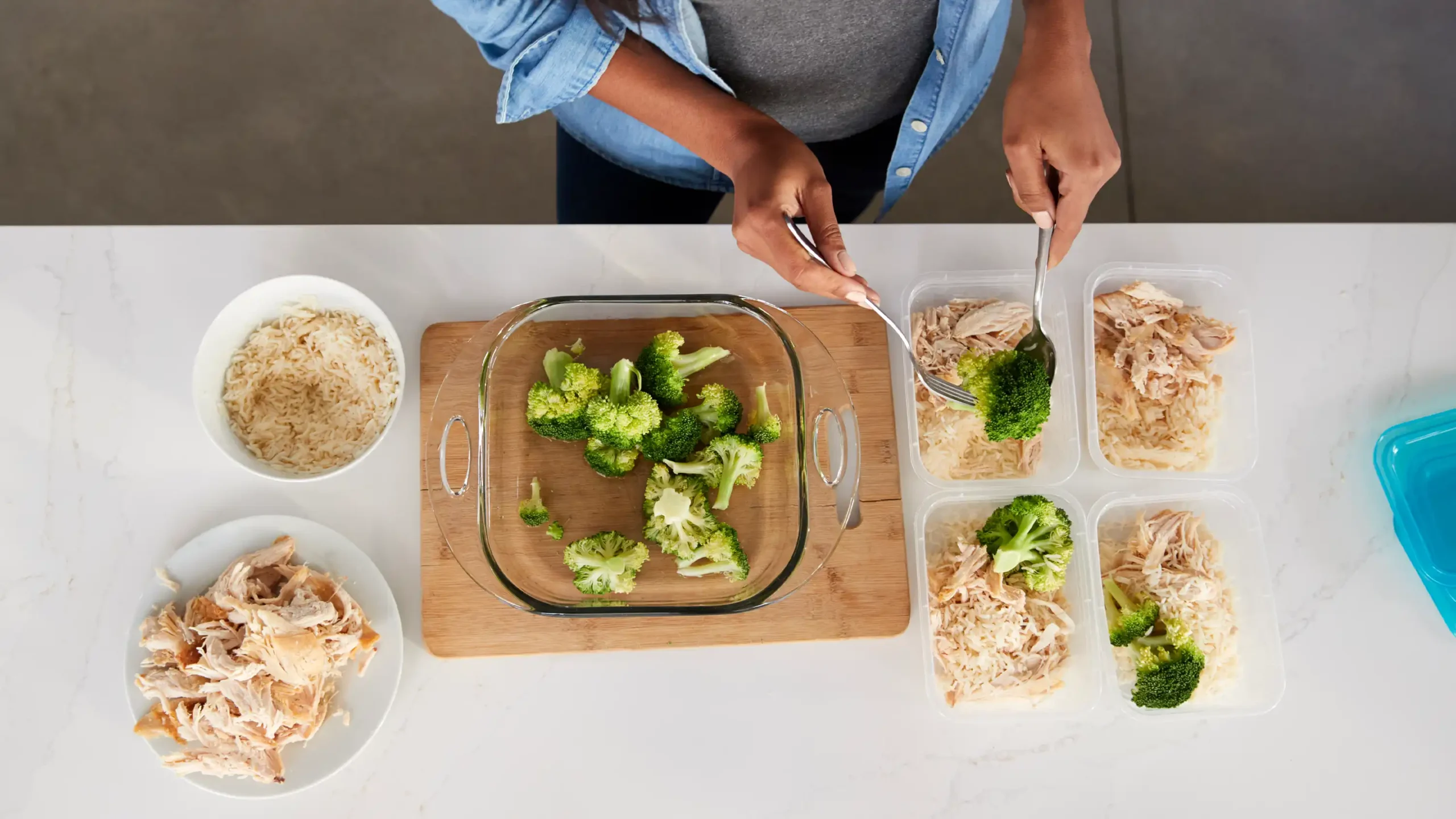
Half of the Pinggang Pinoy plate, the food guide developed by the DOST-FNRI, the Department of Health, the NNC, and the World Health Organization, goes to fruits and vegetables.
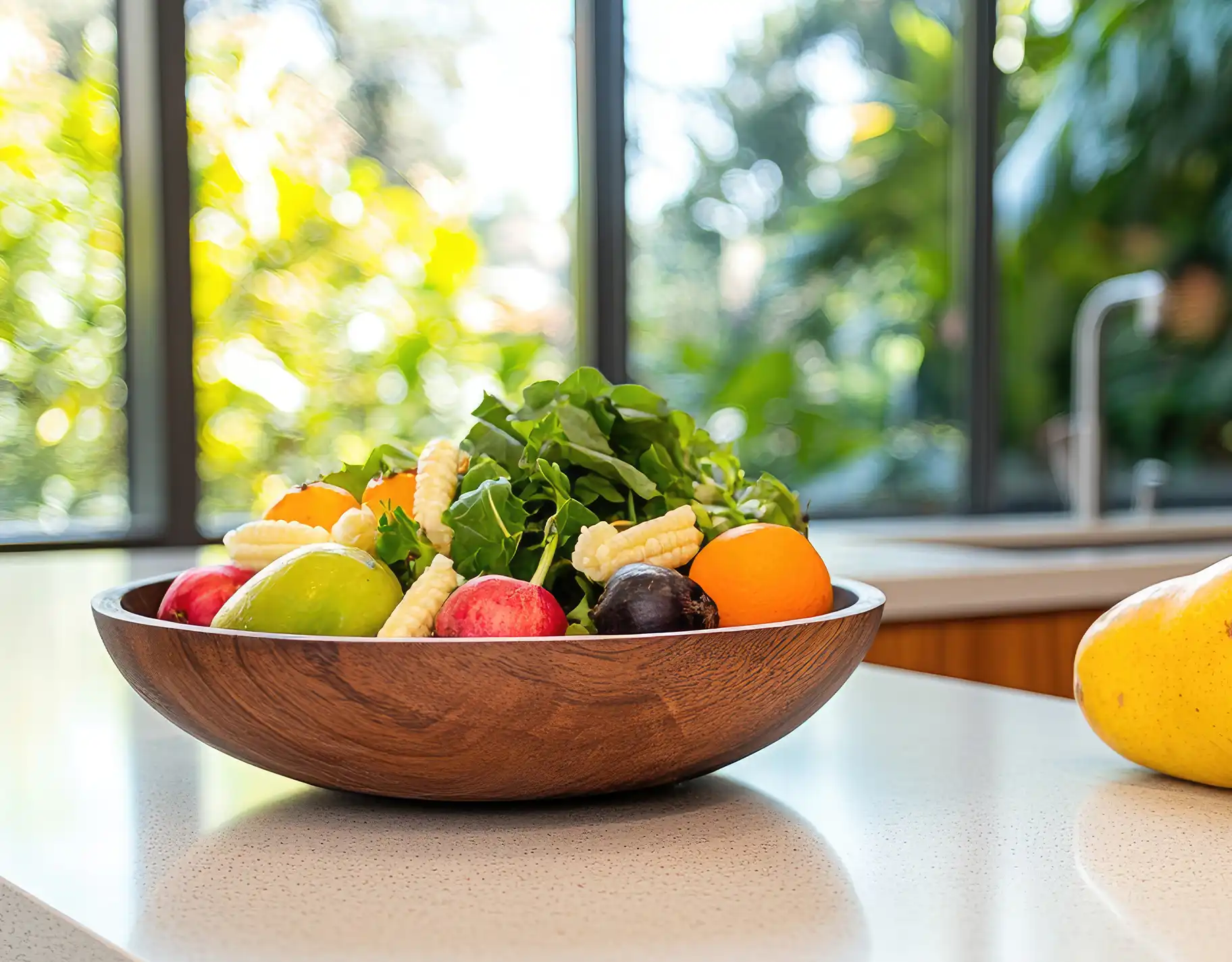
Malunggay, saluyot, alugbati, and mustasa fit easily into tinola, munggo, or sinigang. Pinakbet, laing, and chopsuey can share the table with richer dishes without making anyone feel deprived. A visible fruit bowl does quiet work, too. It makes the healthier choice the easier one.
| Getty Images
Fermented Favorites, Handled With Care
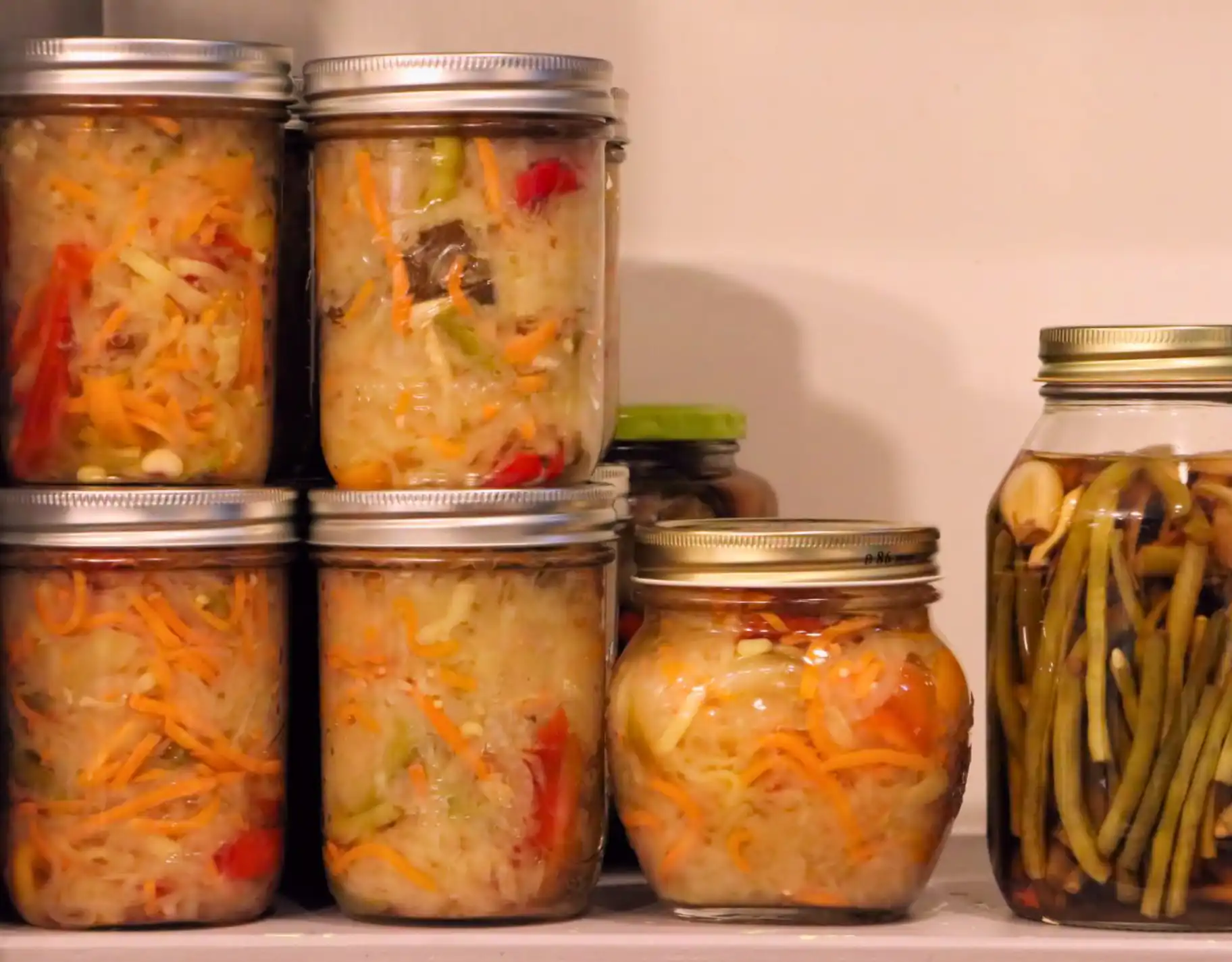
Fermented foods may offer beneficial bacteria, though their probiotic content varies by preparation and storage. A 2025 University of the Philippines Diliman study found probiotic potential in bacterial strains from burong isda, and research on burong mustasa has identified lactic acid bacteria, including possible probiotic species.
A small side of burong mustasa adds tang to rice meals. Atchara, the pickled green papaya, brings acidity and crunch to grilled or fried dishes. Enjoy burong isda and balao-balao in moderation, and only when properly prepared and stored. Homemade ferments carry food-safety risks if handled poorly, so buy from reputable sellers or follow trusted, hygienic methods.
Easy Swaps for Holiday Tables
Nobody needs to banish adobo, lechon, or dessert. Small additions do the work.
Instead of the usual plain white rice, you can swap it for brown rice, corn, or kamote on the side. Fried dishes only? How about grilled fish, tinola, or a vegetable dish instead? For heavy desserts, you can try fruit salad with less cream or better yet, fresh fruits like papaya and banana. You can also have water, unsweetened tea, or calamansi or lemon-mint infused water versus the usual sugary drinks.
Balance a rich feast with lighter, vegetable-based meals before and after. Refrigerate leftovers promptly and reheat them thoroughly, since experts warn that unsafe handling can lead to foodborne illness.
When to Call a Doctor
Occasional bloating after a big celebration is common. Persistent abdominal pain, recurring diarrhea or constipation, blood in the stool, unexplained weight loss, or difficulty swallowing should be checked by a doctor. PSDE also cautions that not every trending “gut routineRoutineA predictable daily rhythm for waking, meals, school, play, and sleep. Routines give children a sense of security, reduce power struggles, and make busy mornings smoother, while some flexibility keeps” is safe for everyone.
Gut-friendly eating here needs no imported supplements. It can look like malunggay in the tinola, atchara beside the grilled pork, and fruit after dessert, on a table that stays generous, colorful, and safe for every Filipino home.
Frequently Asked Questions
Fiber-rich staples such as kamote, gabi, corn, brown rice, and oats top the list, along with leafy greens like malunggay and mustasa. Fermented sides such as atchara and burong mustasa can add variety.
Fill half your plate with fruits and vegetables. Drink water through the meal, and balance rich dishes with lighter meals before and after.
DOST-FNRI recommends at least five servings a day.
See one if you have persistent abdominal pain, recurring diarrhea or constipation, blood in the stool, unexplained weight loss, or trouble swallowing.
You May Also Like
Beef in Ginamos Recipe (Beef Stew With Fermented Fish Paste)
Do You Know Your Bagoong? A Simple Guide to Types & Uses
Foods Filipinos Can Take to Fight Nutrient Deficiency
Gut Health for Kids: Why Does it Matter?
Why Families Need to Have A Healthy Gut