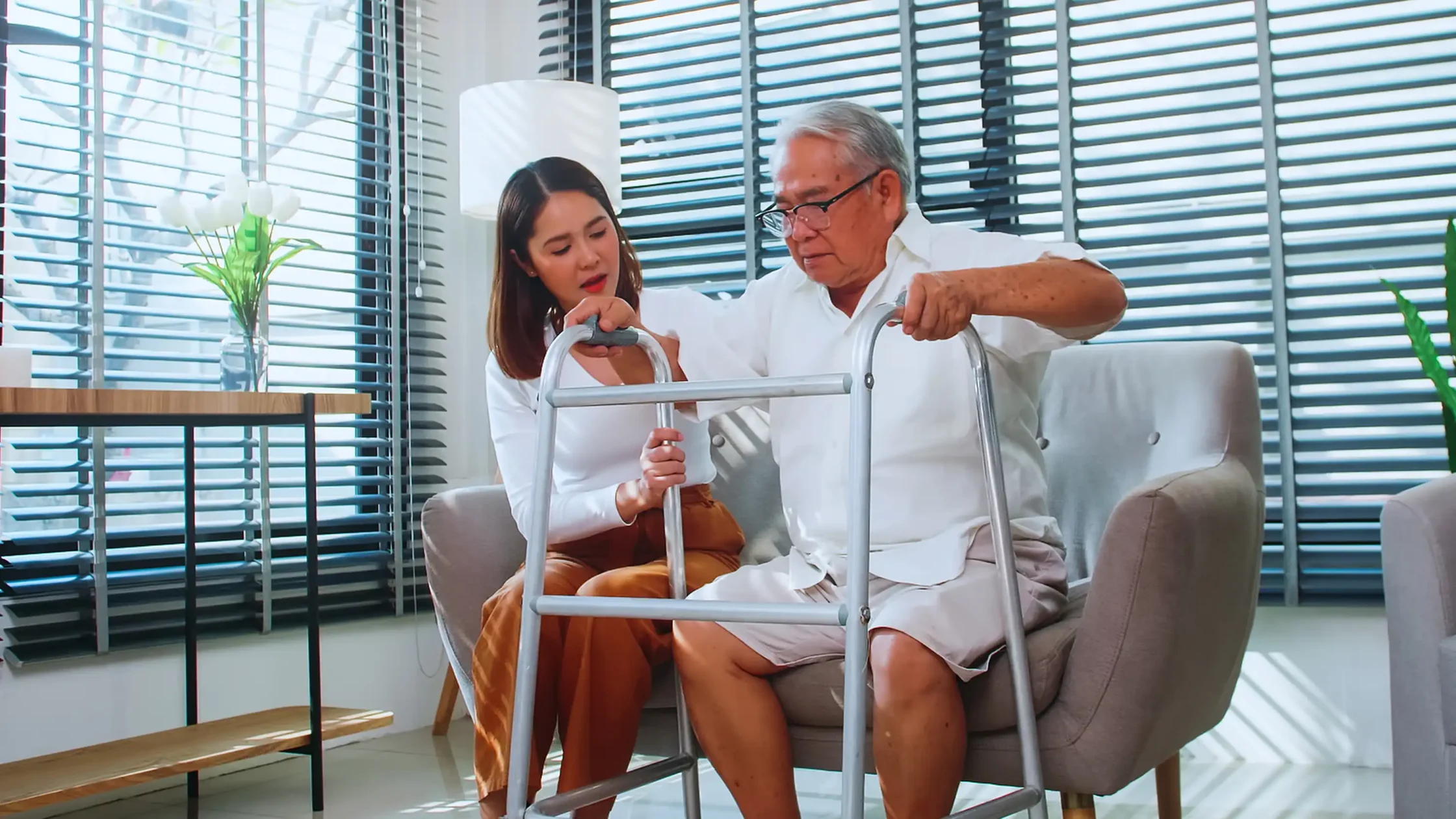
National Family Caregivers Month 2026: Why We Must Care for the Hands That Nurture


Caregiving goes far beyond attending to an ailing patient. At its core, caregiving must also protect the person holding the household together
November marks National Family Caregivers Month. While established in the United States, its resonance is universal. Across the globe—and deeply embedded within Filipino households—millions of family members step into the role of caregiver. Whether it is an eldest daughter, a dutiful son, a devoted spouse, or an extended relative, their sacrifices often go unnoticed. It’s time we champion them.
Because true care doesn’t stop at the bedside; it extends to the one standing beside it.
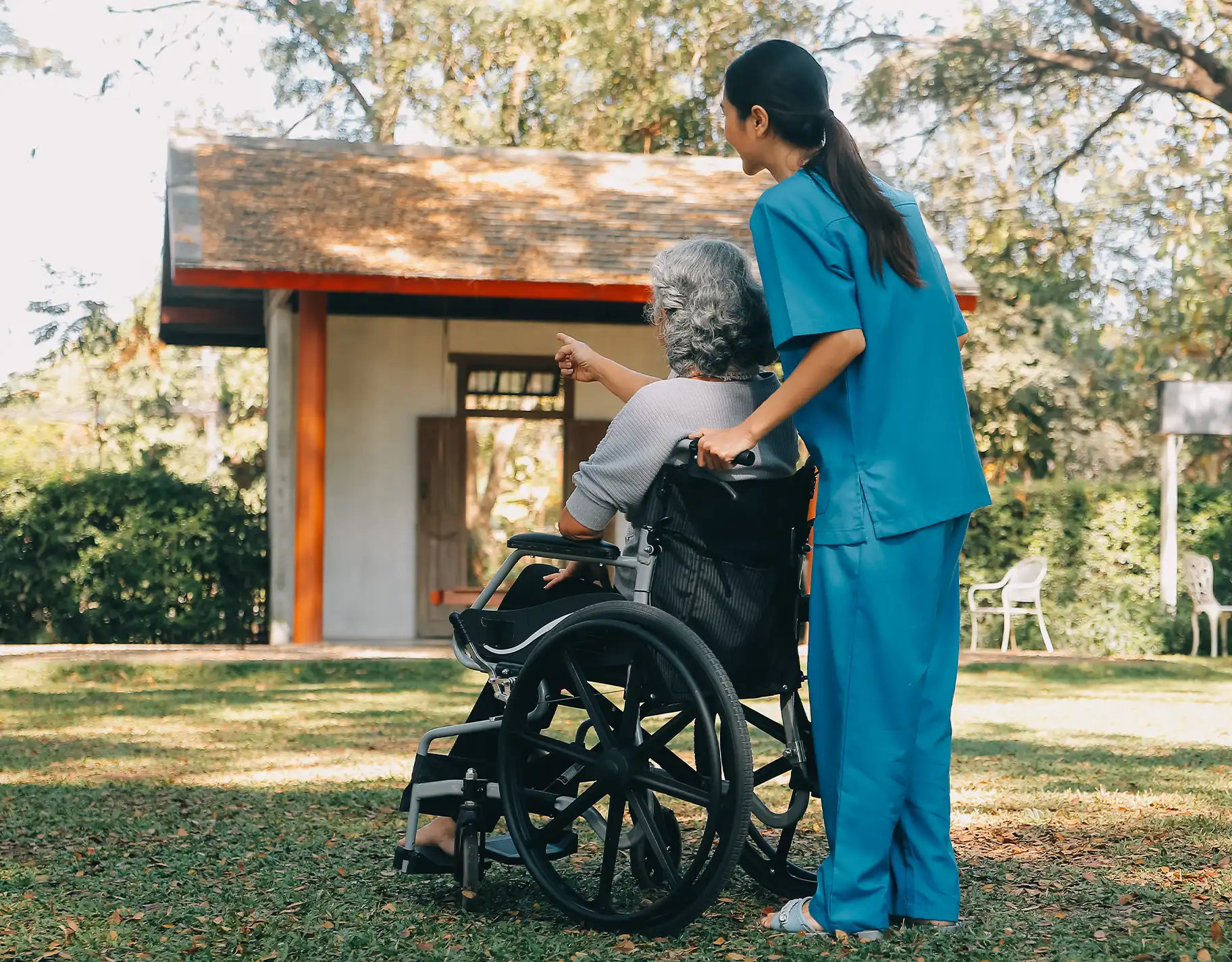
“Care Connects Us”
This year, the movement centers on a poignant theme: “Care Connects Us.”
Marvell Adams Jr., CEO of the Caregiver Action Network in the United States, emphasizes the universal thread tying these families together. In marking the 29th anniversary of the observance, Adams highlights the quiet resilienceResilienceThe ability to bounce back from setbacks, disappointment, and stress. Children build it through supportive relationships, chances to solve problems, and adults who show that mistakes are part of learning happening behind closed doors:
“Each and every individual, every family, every person that’s leaning in and helping out an individual that needs their care and support needs our care and support to make sure that a light shines on the work they do every day,” he shared. “Care Connects Us in ways that we’d never envisioned before, but now can see the action for.”
Honoring the Invisible Hands
In a message shared via The Women’s Alzheimer’s Movement at Cleveland Clinic, journalist and advocate Maria Shriver addressed the dedication required to care for loved ones battling Alzheimer’s disease and cognitive decline—conditions also highlighted during November’s awareness initiatives.
“It’s time to acknowledge those who care for some seven million people in our country who have forms of Alzheimer’s and dementia. It’s an opportunity for us to offer our love, our support, to let them know that we see them and that we can be of service to them,” Shriver noted.
She emphasized that small gestures offer profound relief: “There’s no end to caregiving. It’s a seven-days-a-week, 24-hours-a-day job. Caregivers need support.”
The organization reinforced a vital reminder for anyone carrying this weight: Asking for help is never a sign of weakness. You cannot pour from an empty cup, and your mental, physical, and emotional health matters just as much as the person you are tending to.
The Reality of Caregiving in the Philippines
In Filipino culture, utang na loob and close-knit family ties mean caring for aging parents naturally falls upon the children. While done out of profound love and respect, the emotional and financial strain is catching up with modern families.
Filipinos are increasingly part of the “Sandwich GenerationSandwich GenerationAdults who care for their growing children while also supporting aging parents, a common situation in Filipino families. The double load calls for shared responsibilities, honest talks with siblings, and”—caught between raising young children, building careers, and providing end-of-life care for elderly parents.
According to data cited by Kalin Wellness:
- 67% of Filipinos provide care for an ailing family member.
- These caregivers spend an average of 32 hours per week tending to their relatives.
- Eldest and middle daughters disproportionately shoulder the physical day-to-day caregiving burden, while adult children frequently carry double financial duty as primary breadwinners for both their nuclear and extended families.
This reality highlights structural gaps in local eldercare and healthcare accessibility. Coupled with the overseas demand for Filipino healthcare workers—fueling a persistent local medical brain drain—Filipino families are often left to navigate chronic illness and palliative care entirely on their own.

How to Support the Caregiver in Your Life
Beyond acknowledging remittances or praising someone’s endless endurance, we need tangible ways to lighten their load:
- Offer concrete respites: Don’t just text “Let me know if you need anything.” Offer specific relief: “I’m bringing dinner on Thursday,” or “Let me sit with Mom for three hours this Saturday so you can rest.”
- Encourage a life outside the sickroom: Treat them to coffee, invite them on a quick walk, or cover an errand so they can sleep uninterrupted.
- Remind them that self-preservation isn’t selfish: Loving a sick family member starts with honoring your own limitations.
To give our families the patience, presence, and empathy they deserve, we must first allow ourselves the space to heal, rest, and be cared for in return.
Frequently Asked Questions
National Family Caregivers Month is observed annually in November to recognize, support, and advocate for millions of family caregivers worldwide.
The theme for 2026 is “Care Connects Us,” emphasizing community action, mutual support, and recognizing the shared human experience of caregiving.
Filipino caregivers often face the pressures of the “Sandwich Generation”—simultaneously raising children, sustaining careers, and funding or managing medical care for aging parents. High out-of-pocket medical expenses, cultural expectations of filial duty, and a shortage of accessible local eldercare facilities compound this strain.
Preventing burnout requires proactive boundary-setting: asking family members to share responsibilities, scheduling routine personal respite, joining caregiver support groups, and seeking professional home-care relief when feasible.
More on caregiving
Don’t Lose Yourself: Why Every Lovegiver Needs Boundaries and Support
For the Tired but Loving: A Caregiver’s Reality Check
To the Caregivers Holding It All Together: This Is for You