“Huwag Magsikreto” book teaches Filipino children to speak up


The storybook and animated short film give kids plain words for their bodies, a clear rule for safe and unsafe touch, and a plan for telling a trusted adult
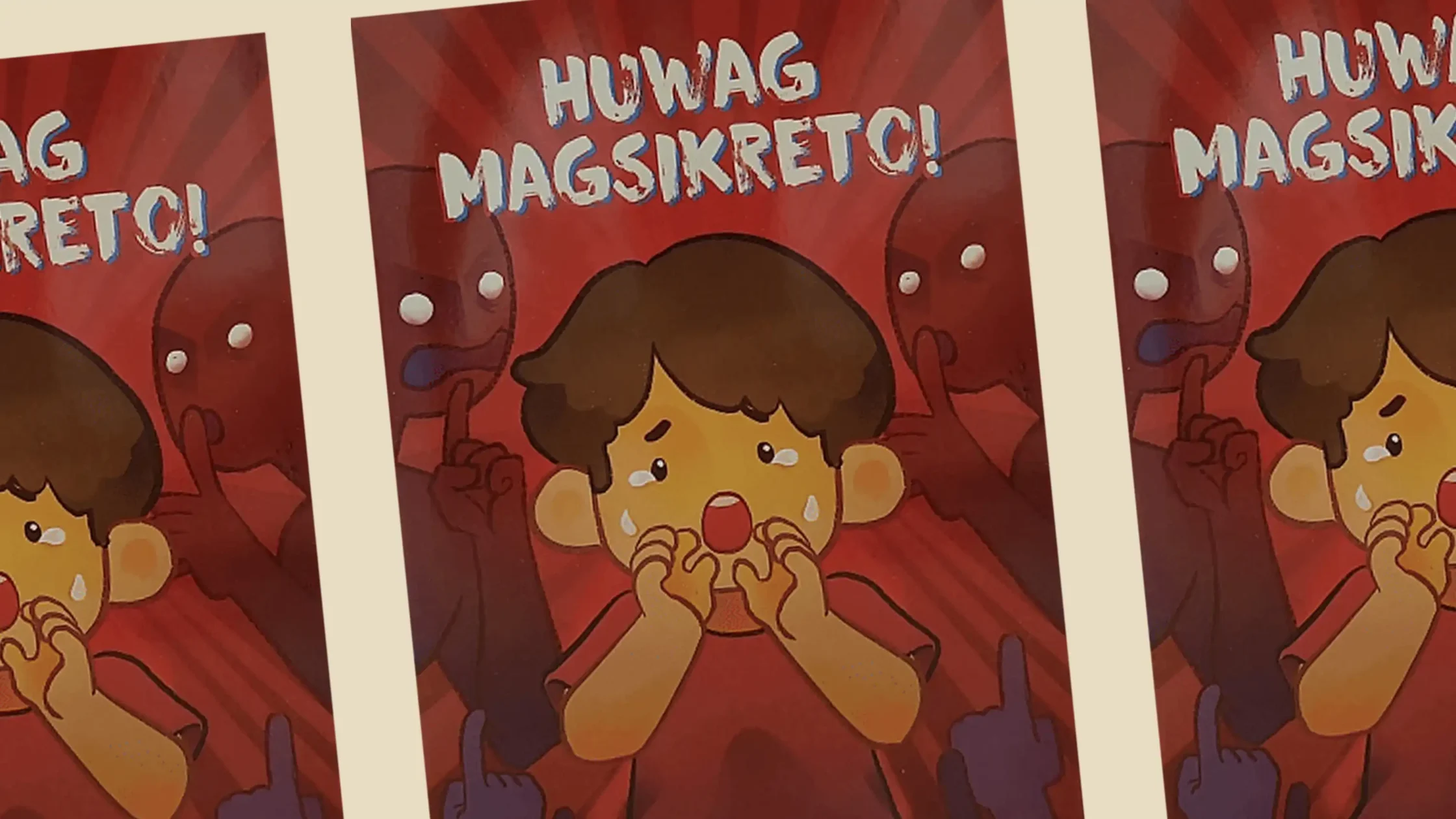
Huwag Magsikreto gives young Filipino children the words to describe their bodies, spot unsafe situations, and ask for help. My Children’s House of Hope (Bahay Bata 127 Inc.) published the child-protection storybook and launched it July 18. An animated short film accompanies the book, so schools and communities can reach more children than a printed copy alone could.
Why the book matters
The book uses the actual names of body parts instead of euphemisms. That choice has a practical payoff: children who know the right words can describe what happened to them, ask questions without shame, and understand that some body parts are private. Adults who hear those words can also respond more accurately when a child discloses abuse.
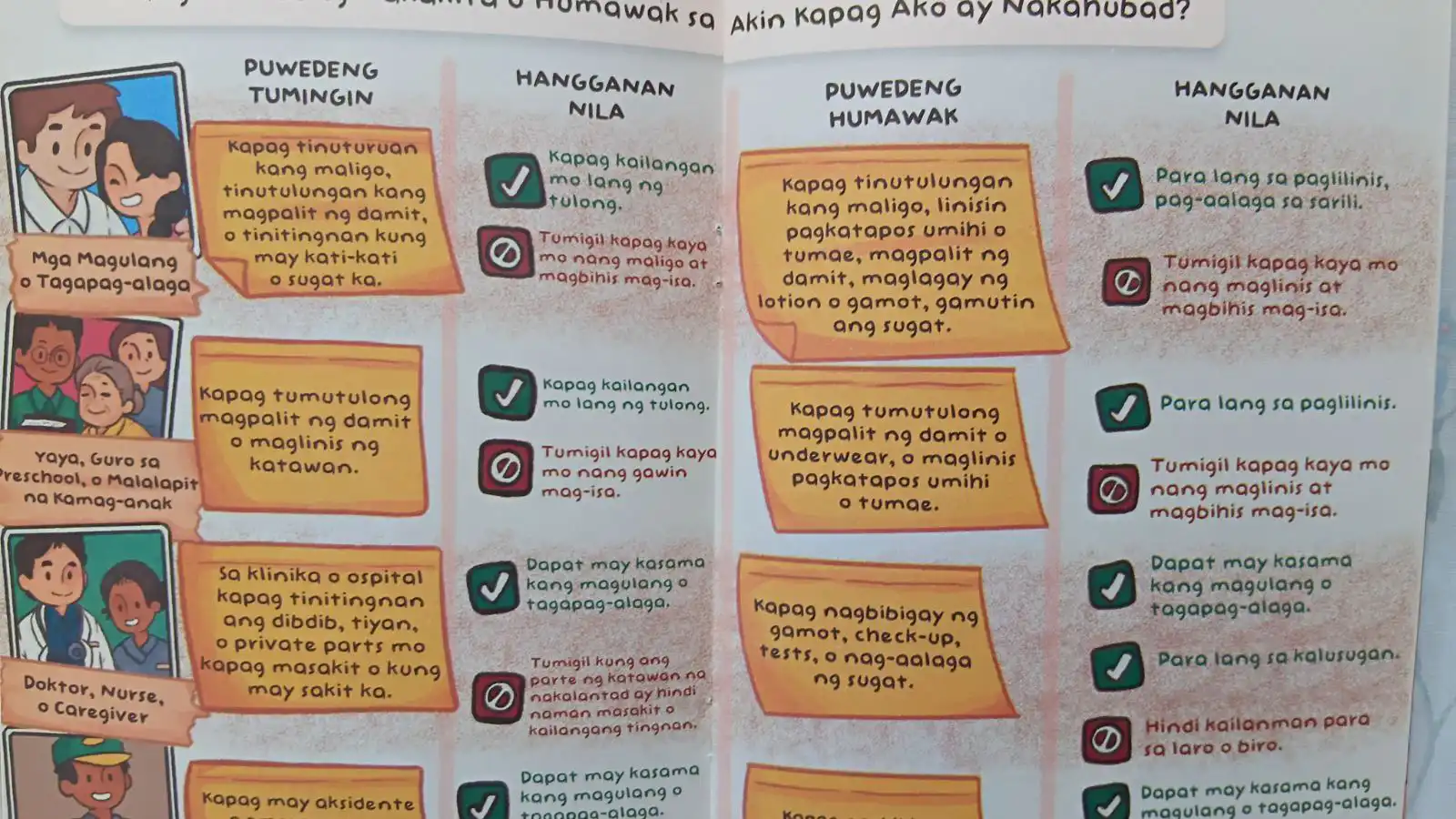
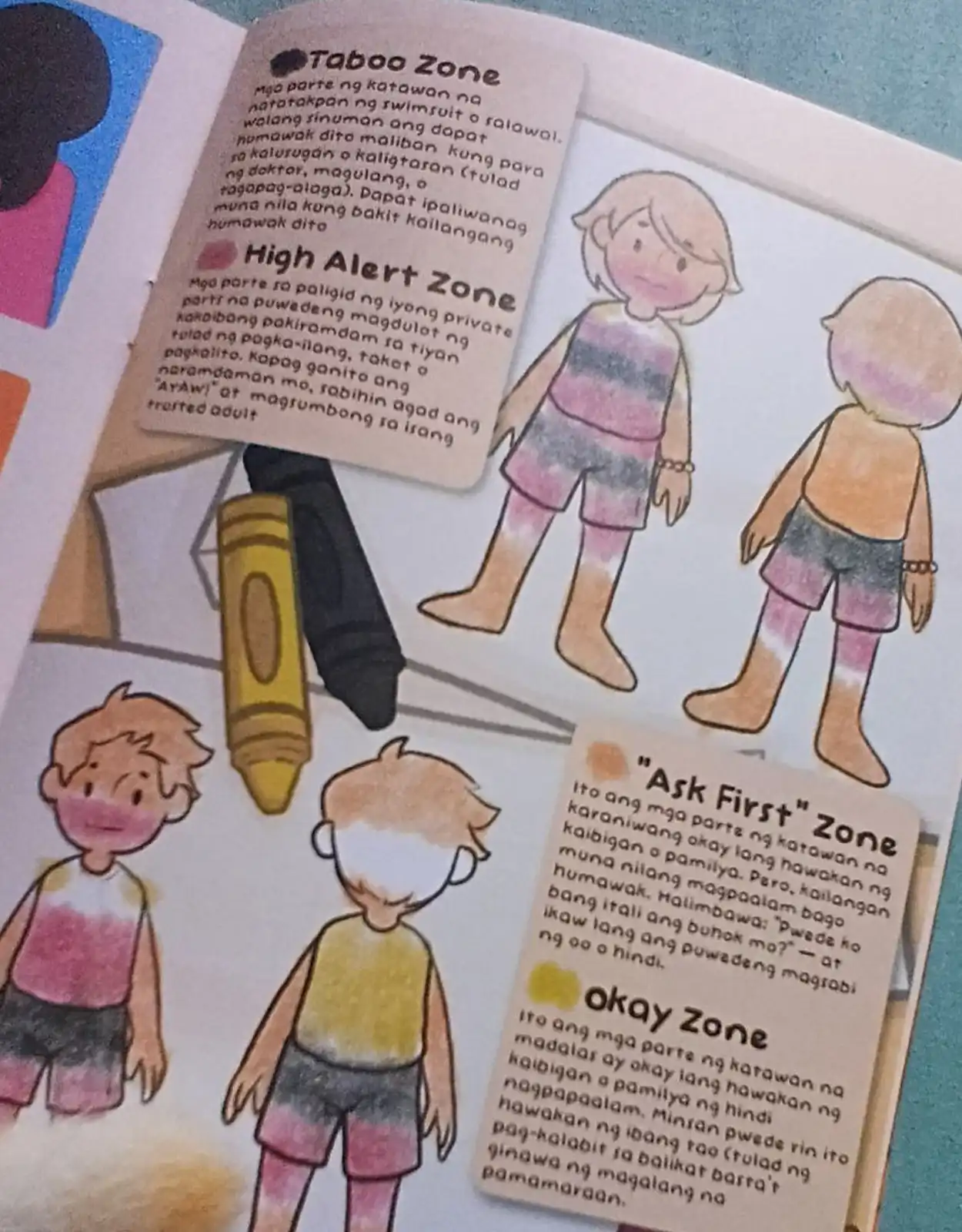
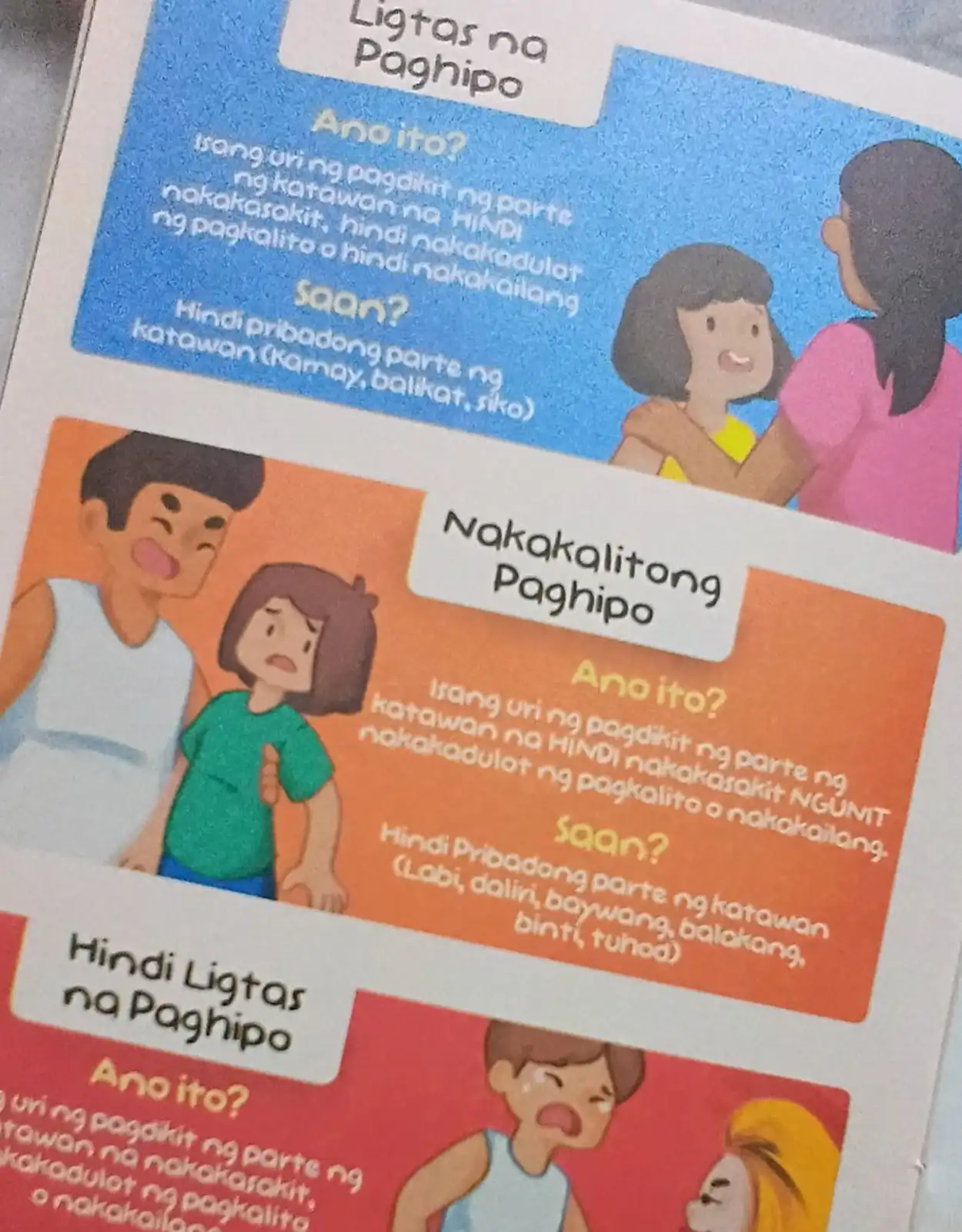
The book stays gentle without sugarcoating the issue. It teaches “no-touch” and “can-touch” zones, a visual guide that shows which body parts are private, who may touch them only for health or hygiene, and when touch is never okay. A young child can remember a concrete rule like that more easily than a vague warning about “bad people.”
Animation widens the audience
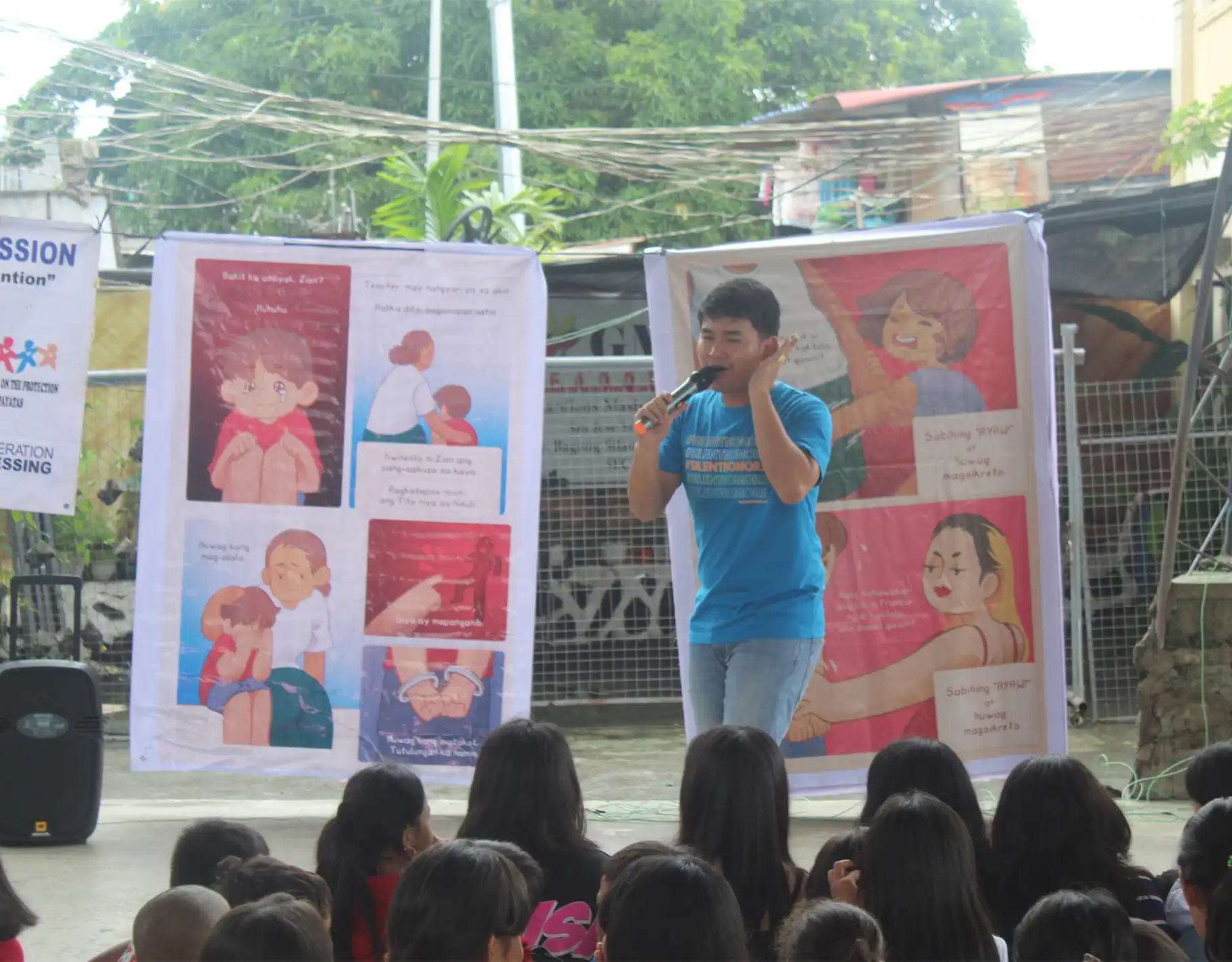
The short film lets one screening reach a whole room. Teachers can show it during homeroom, values education, or child-protection sessions. Barangays, churches, libraries, and community groups can play it at family days, summer programs, and children’s activities.
Movement, characters, and sound hold a child’s attention better than a lecture. Animation also lets the film cover sensitive topics, such as private body parts, unsafe touch, and telling a trusted adult, without frightening its audience. It reaches children who cannot yet read the book on their own, too.
The scale of the problem
International Justice Mission (IJM) estimates that nearly half a million Filipino children were abused in one year through online sexual exploitation of children, known as OSEC. The estimate comes from IJM’s 2023 Scale of Harm prevalence study. IJM describes OSEC as a tech-enabled crime that has spread across nearly every part of the country. Perpetrators are often relatives who livestream the abuse to paying offenders abroad.
UNICEF’s Disrupting Harm study in the Philippines found a similar picture. About 20% of internet-using children ages 12 to 17 experienced grave forms of online sexual exploitation and abuse in a single year, or an estimated 2 million children.
The Commission on Human Rights reported in 2025 that cyber tipline reports climbed from 426,000 in 2019 to 2,740,905 in 2023. The commission noted that many cases involve family members or close relatives, and that fear, shame, and trauma often keep children from reporting.
Those figures probably understate the problem. IJM points to low reporting as one reason OSEC persists, along with social norms that discourage “telling on others” and the anonymity of online platforms. Teaching children correct body-part names and the difference between safe and unsafe touch can help break that silence.
What parents and guardians can do
Many adults dread starting this conversation. The book and film give them a script. Parents can read the book with their child, watch the film together, and then say three things plainly: “Your body belongs to you.” “No one should ask you to keep a bad secret.” “You can always tell me.”
The goal is not to scare children. It is to give them a plan: say no, move away, tell a trusted adult, and keep telling until someone listens. Because IJM says perpetrators are often related to the child, guardians should teach children to set boundaries with anyone, not only strangers.
How schools and communities can use it
Schools can build age-appropriate lessons on body safety, consent, and reporting around the book and film. Teachers and guidance counselors can screen the film, then follow up with discussion, role-playing, and clear referral steps for disclosures. The Commission on Human Rights has called for sustained awareness campaigns and stronger, child-sensitive reporting and support systems.
Communities can show the film at barangay assemblies, church gatherings, health-center sessions, and parent-teacher meetings. IJM also stresses community engagement, stronger local responses, and active reporting to authorities. Women and Children Protection Units recorded over 10,000 cases of violence against children from January to September 2026, which shows why prevention and early response must reach beyond the home.
A message for children
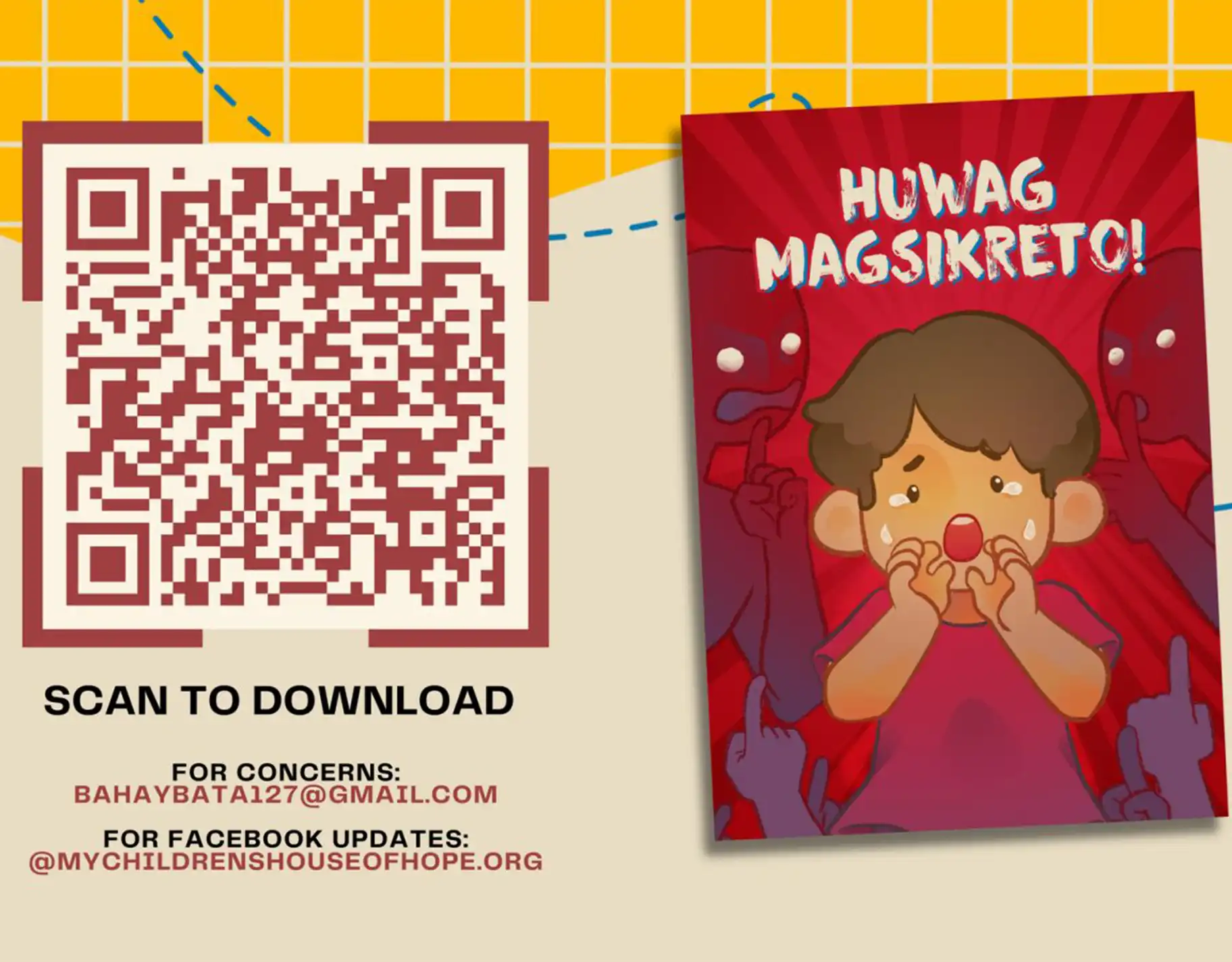
Huwag Magsikreto tells children that their bodies are their own and that no one has the right to hurt, touch, or exploit them. It also tells them that a secret that leaves them scared, confused, or unsafe should not stay a secret.
The book gives children words, not fear. Those words can interrupt abuse, bring help, and start healing.
Report any suspected child abuse right away, including grooming, sexual extortion, livestreamed abuse, and sexual images or videos involving a child.
- 911: Call for emergencies.
- PNP Aling Pulis text hotline: 0919-7777-377, 0966-7255-961, or 0920-9071-717
- Council for the Welfare of Children (CWC) Makabata Helpline: Call 1383, the 24/7 child-protection line, or text 0915-8022-375 or 0960-3779-863.
- National Bureau of Investigation (NBI) Anti-Violence Against Women and Children Division: Call (02) 8525-6028 for online or technology-facilitated abuse.
Frequently Asked Questions
Huwag Magsikreto is a child-protection storybook for young Filipino children. An animated short film comes with the book. Both teach kids the words for their bodies, how to spot unsafe situations, and how to ask for help.
Children who know the right words can describe what happened to them and ask questions without shame. They also learn that some body parts are private. Adults who hear those words can respond more accurately when a child tells them about abuse.
They are a visual guide to body safety. The guide shows which body parts are private, who may touch them only for health or hygiene, and when touch is never okay. A clear rule like this is easier for a young child to remember than a vague warning about “bad people.”
More related reading
Safer Screens: A Parent’s Guide to Kids’ Online Safety Part I
Safer Screens: A Parent’s Guide to Kids’ Online Safety Part II
How to Monitor Your Gen Alpha Child’s Screen Time Without Being Invasive