When a C-Section Scar Tells More Than One Story



The baby is finally here, but for many moms, healing after a C-section is only beginning
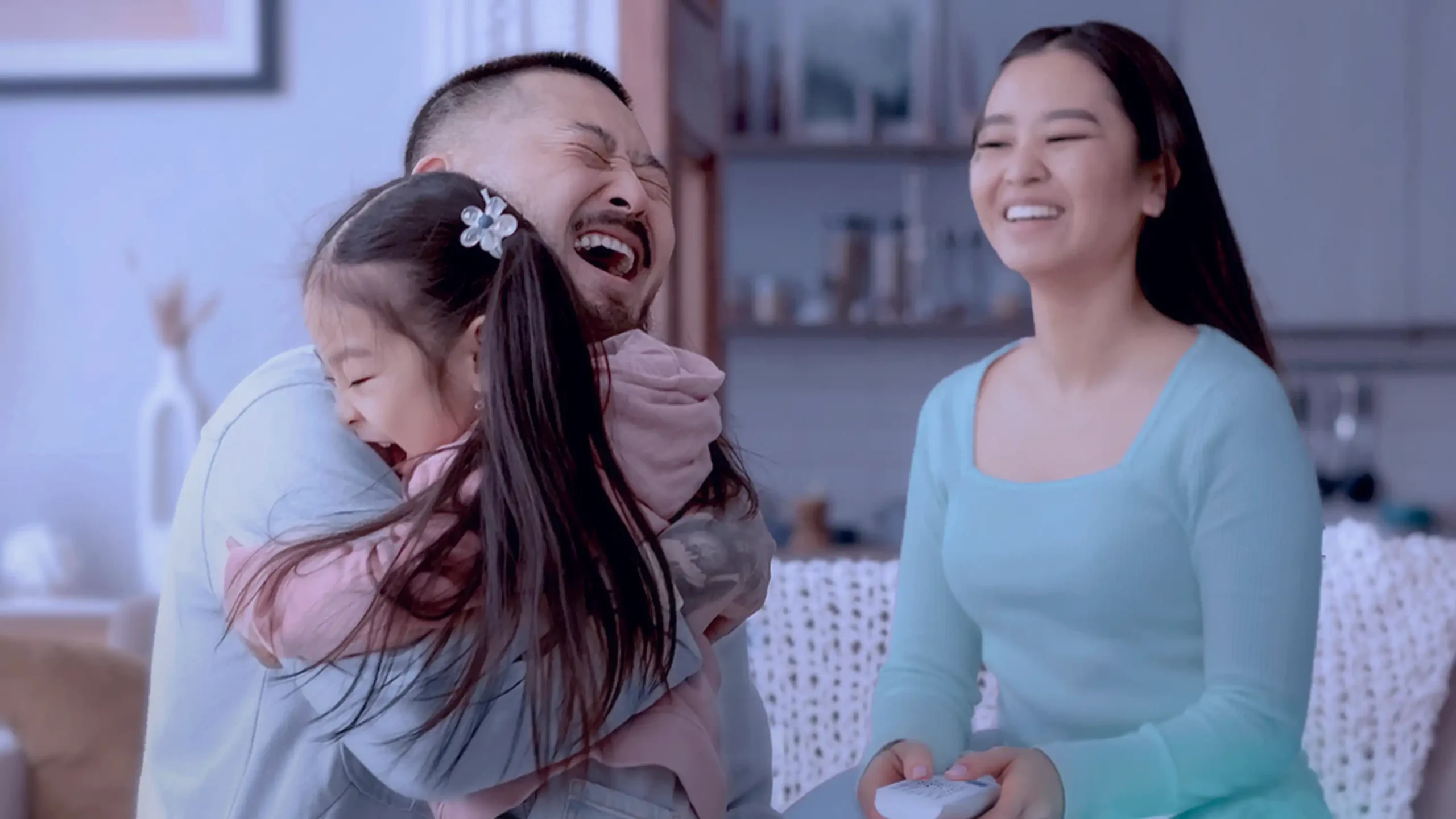
There is a version of motherhood we often see everywhere: the emotional first meeting, the baby’s first cry, and the exhausted but happy new mom finally holding her child in her arms.
But what happens after the delivery is often a different story.
For many moms who give birth via caesarean section, recovery comes with its own challenges. There is the incision that needs time to heal, the discomfort that can make even simple movements difficult, and the numbness that may linger long after leaving the hospital. Then there is the moment a mom looks at her body and realizes that, while she has just welcomed a new life into the world, she is also learning how to come to terms with the changes in her own.
For many Filipino moms, a C-section may not have been part of the original birth planBirth PlanA written outline of a mother's preferences for labor, delivery, and newborn care, such as pain relief, who will be in the room, and skin-to-skin contact. It guides the conversation. But when it becomes the safest way to deliver their baby, the experience can leave a mark in more ways than one.
The baby is finally here, and the joy is very real. But so is the physical and emotional recovery that follows.
Why We Need to Talk More About C-Section Recovery
C-sections are common, and chances are, every mom knows someone who has had one. Yet conversations about what recovery actually looks and feels like can still be limited.
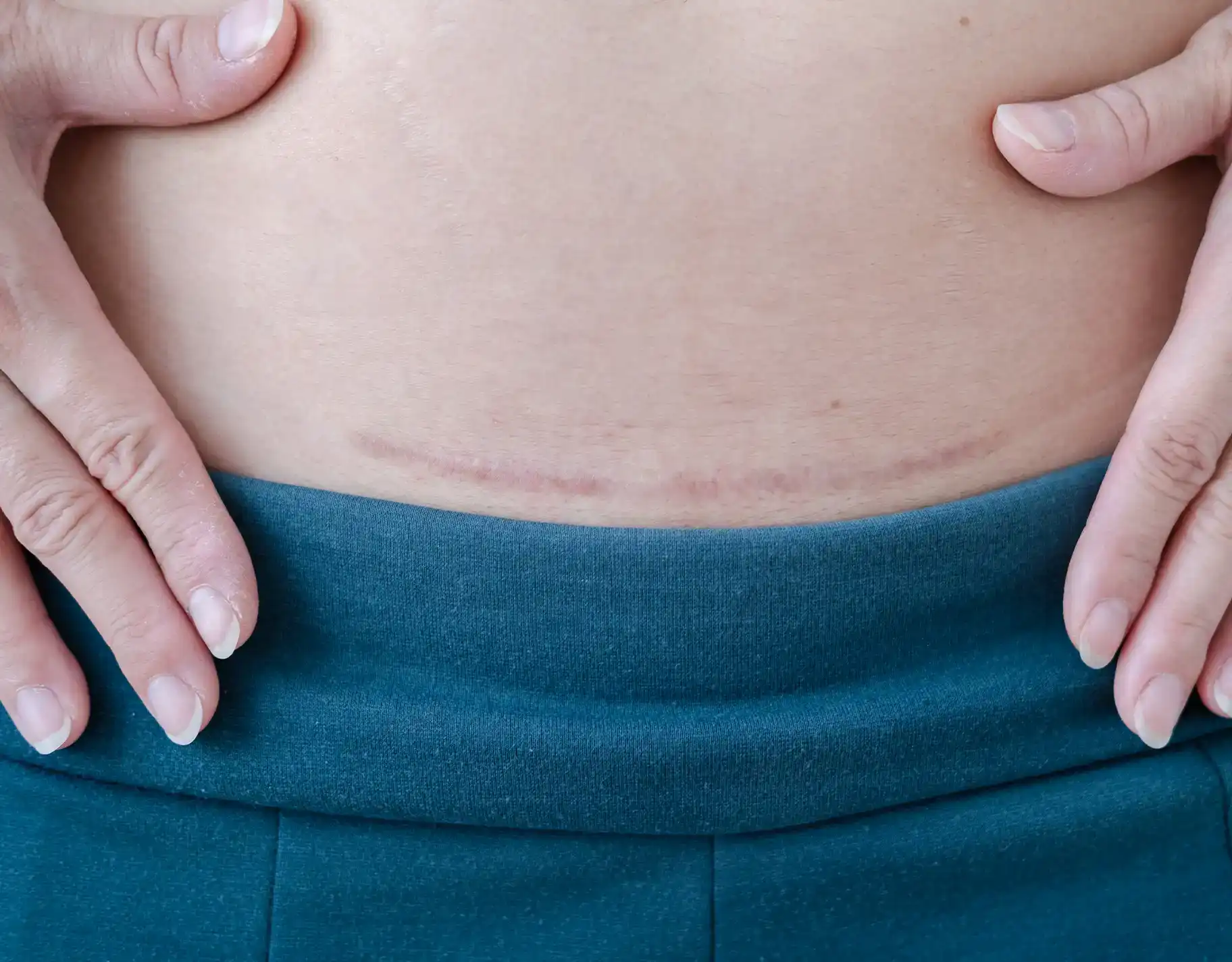
Many moms struggle with how their scar changes the way they see their bodies. Some may choose loose clothing to feel more comfortable or avoid talking about their scar until they are ready. Others may find comfort in opening up to their partners, family members, or fellow moms who understand what it is like to care for a newborn while recovering from major surgery.
Because the truth is, healing after a C-section is not just about what happens to the skin.
It can also be about adjusting to a body that has changed, processing a birth experience that may not have gone exactly as planned, and giving yourself time and grace as you recover.
And perhaps this is something more moms need to hear: there is no one “right” way to feel about a C-section scar. You can be grateful that you and your baby made it through safely while still feeling overwhelmed by what your body has gone through. Both things can be true.
This is part of the conversation that Dermatix® hopes to open up through its new campaign, See Her Heal.

Every Scar Has a Story
For years, scars have often been treated as something to cover up or make less visible. But behind every scar is an experience—and for many moms, a C-section scar marks one of the biggest moments of their lives.
Many moms have since turned to Dermatix Ultra. Formulated with CPX (Cyclopentasiloxane) technology and Vitamin C Ester, it helps improve the appearance of scars by lightening, softening, and flattening them over time. Its quick-drying, non-oily formula also fits into the busy routines of moms with enough on their hands while caring for a new baby.
But See Her Heal looks beyond scar care.
Through Dermatix’s website 1000 Untold Stories, moms are invited to share their C-section journeys and turn their experiences into personalized AI-generated animated storybooks. Their stories—from pregnancy and delivery to recovery and healing—can be illustrated in a way that allows them to see their experiences from another perspective and, perhaps, honor a journey they may not have had the words to share before.
A C-section scar does not erase the strength of a mother’s birth experience. It is part of it. It can be a reminder of a difficult moment, a complicated recovery, and ultimately, the journey she went through to bring her child into the world.
And just like every mom’s birth story, the story behind that scar deserves space to be heard.

If This Is Your Story, You Don’t Have to Keep It to Yourself
If you’ve had a C-section, you may recognize parts of your own journey in these stories—the long recovery, the adjustment, the emotions that came after your baby arrived, and the gradual process of learning to see your body differently.
Your story matters too.
Through 1000 Untold Stories, moms can turn their C-section experiences into personalized, AI-generated animated storybooks and share them with a growing community of women opening up about their journeys.
Because a scar may be visible on the outside, but healing is often about so much more.
Frequently Asked Questions
Recovery from a C-section varies from person to person. Since it is a major surgery, moms may need several weeks to recover, with healing continuing even after they begin to feel more comfortable. It’s important to follow the advice of your healthcare provider and attend recommended postpartum checkups.
Yes. Some moms may feel grateful and relieved that their baby was delivered safely while also processing an unexpected birth experience, physical discomfort, or changes to their body. Every mother’s experience is different, and there is no single “right” way to feel about giving birth via C-section.
For some moms, a C-section scar can be a physical reminder of pregnancy, childbirth, surgery, and recovery. How a mom feels about her scar is personal and may change over time as she adjusts to the physical and emotional changes that come with motherhood.
Rest, proper nutrition, following post-surgery care instructions, and asking for help when needed can support recovery. Moms should also speak with their healthcare provider about concerns involving pain, the incision, scar care, or other changes during the healing process.
More about C-Section and its challenges
What Every Mom Needs to Know About How Doctors Close the Uterus After a C-Section
Beyond the Incision: What You Need to Know About Cesarean Birth
Jessie J Gives Birth to Her Baby Boy via C-Section