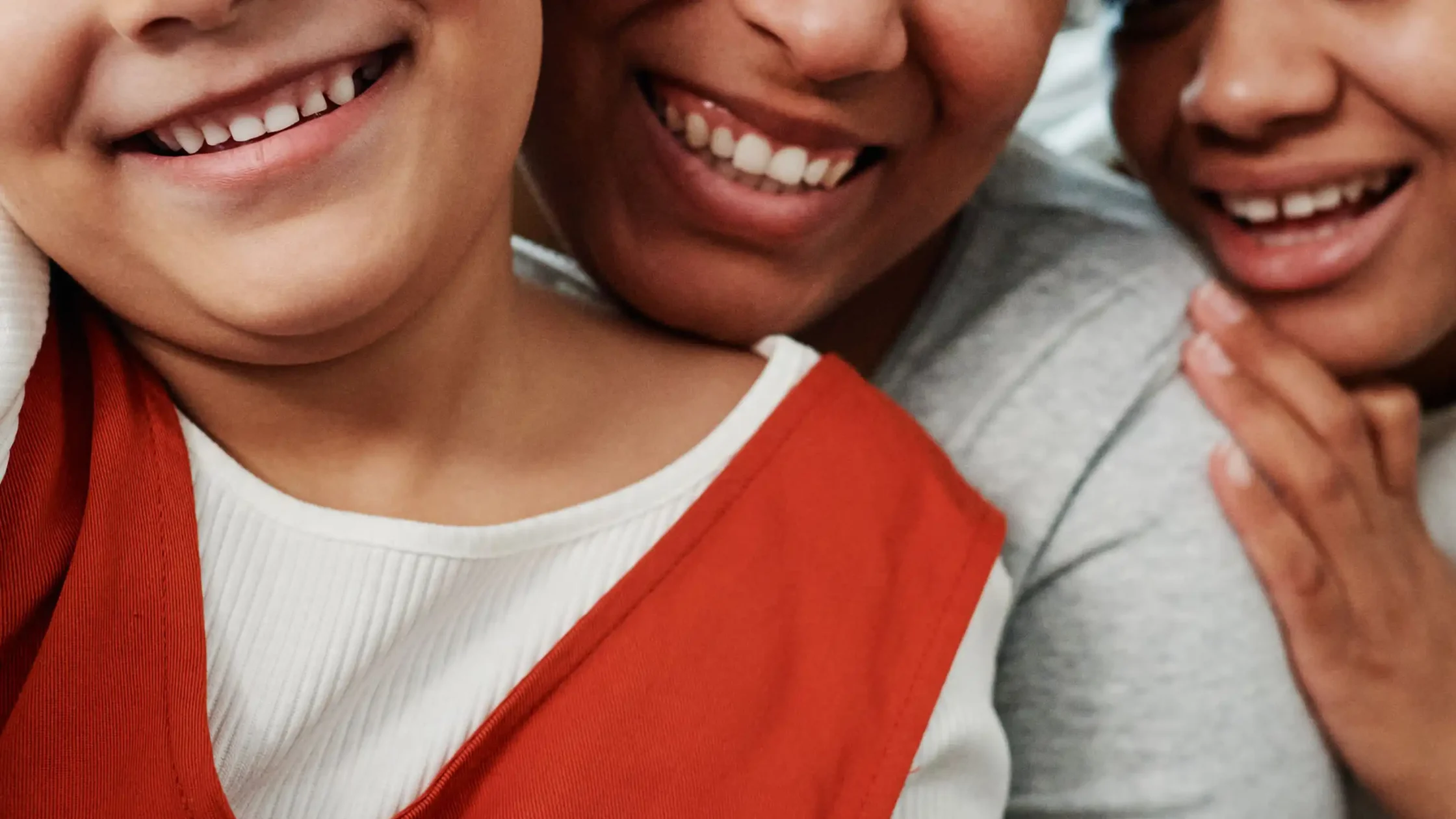
Can Your Smile Shape Your Mental Health?



Why your smile and mental health go hand in hand, and how Filipino families can protect both
Yes, your smile and mental healthMental HealthA person's emotional, psychological, and social well-being, which affects how children and parents think, feel, and cope. Open conversations, regular routines, and timely help from professionals make it easier for are closely linked. A study finds that poor oral health is tied to higher rates of anxiety, depression, and stress. Mental healthMental HealthA person's emotional, psychological, and social well-being, which affects how children and parents think, feel, and cope. Open conversations, regular routines, and timely help from professionals make it easier for struggles can also make dental problems worse. In the Philippines, where fiestas, school programs, and family photos revolve around faces, that link shows up daily.
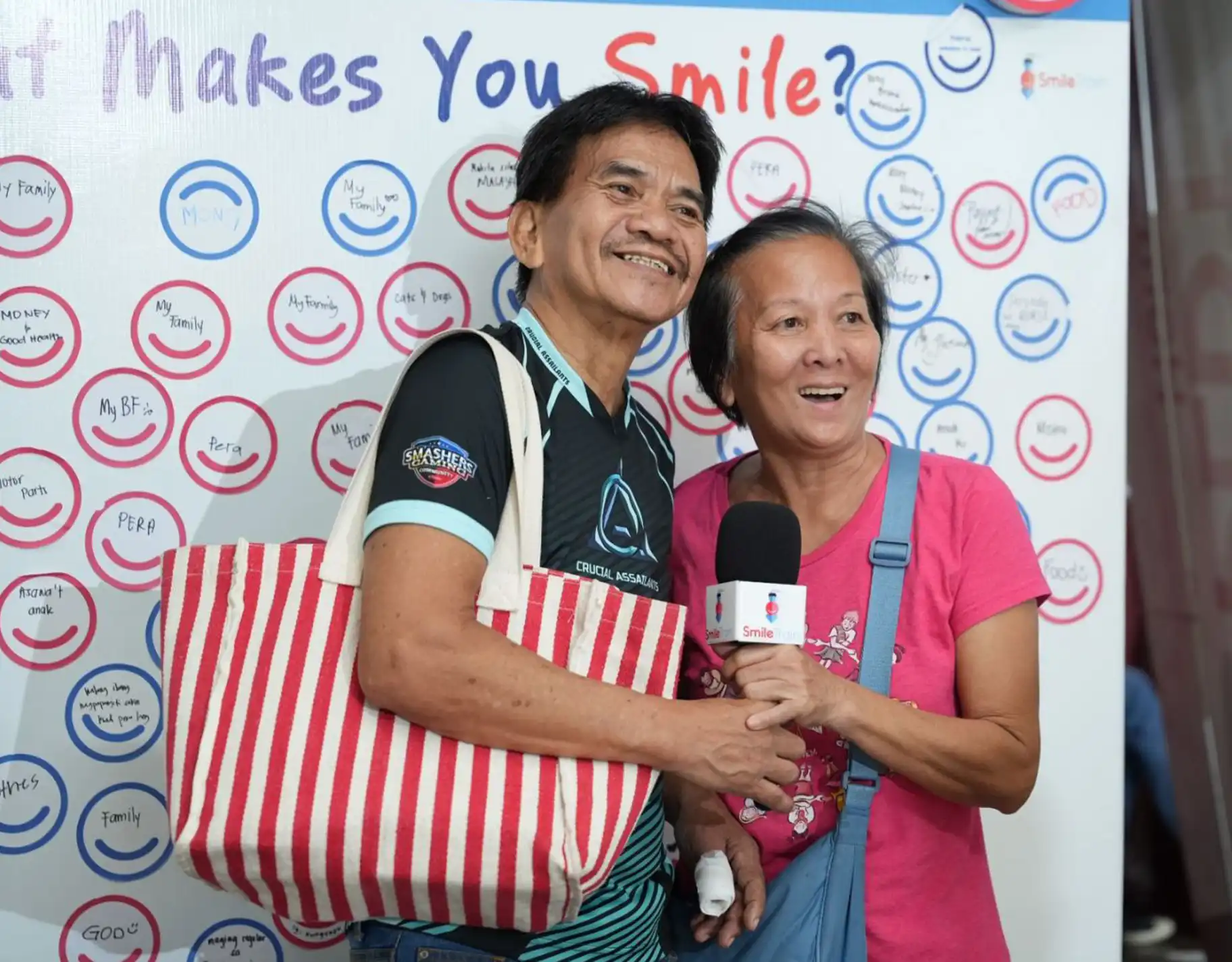
Smile Train made that connection visible with “Biyaheng Ngiti” last October 2 for World Smile Day. The campaign, whose centerpiece is a “Smile Wall, ” was held at LRT-1 Edsa, Vito Cruz, and FPJ stations, and tied everyday smiles to World Mental HealthMental HealthA person's emotional, psychological, and social well-being, which affects how children and parents think, feel, and cope. Open conversations, regular routines, and timely help from professionals make it easier for Day on October 10.
How Do Teeth and Mental Health Affect Each Other?
They influence each other in both directions, and the cycle is hard to break.
- Oral health affects mood. Tooth decay, missing teeth, gum disease, and chronic dental pain are linked to lower self-esteem, social withdrawal, and more distress.
- Mood affects oral care. Depression and anxiety can sap the motivation to brush, floss, or see a dentist. Some psychiatric medications also cause dry mouth, which raises cavity risk.
- Fear delays treatment. Dental anxiety pushes people to put off care, so pain and avoidance pile up.
Appearance adds another layer. Studies on cleft lip and palate document teasing, bullyingBullyingRepeated, intentional harm toward another child through words, actions, exclusion, or online posts. Parents can help by listening without blame, documenting incidents, talking with the school, and reminding their child, and self-consciousness that shape how children and adults see themselves. Smile Train notes that children with clefts and their families face higher rates of stigma, isolation, anxiety, and depression.
Why Does This Matter in the Philippines?
About 4,000 Filipino children are born each year with a cleft lip, a cleft palate, or both, according to the Philippine News Agency. Local estimates range from 1 in 500 to 1 in 1,000 live births.
The social weight is just as real. International reviews that include Philippine data describe caregivers and patients facing stigma, myths about what causes clefts, and worries about school and future relationships. In a country that loves a group photo, a smile shapes how others read us, and how we read ourselves.
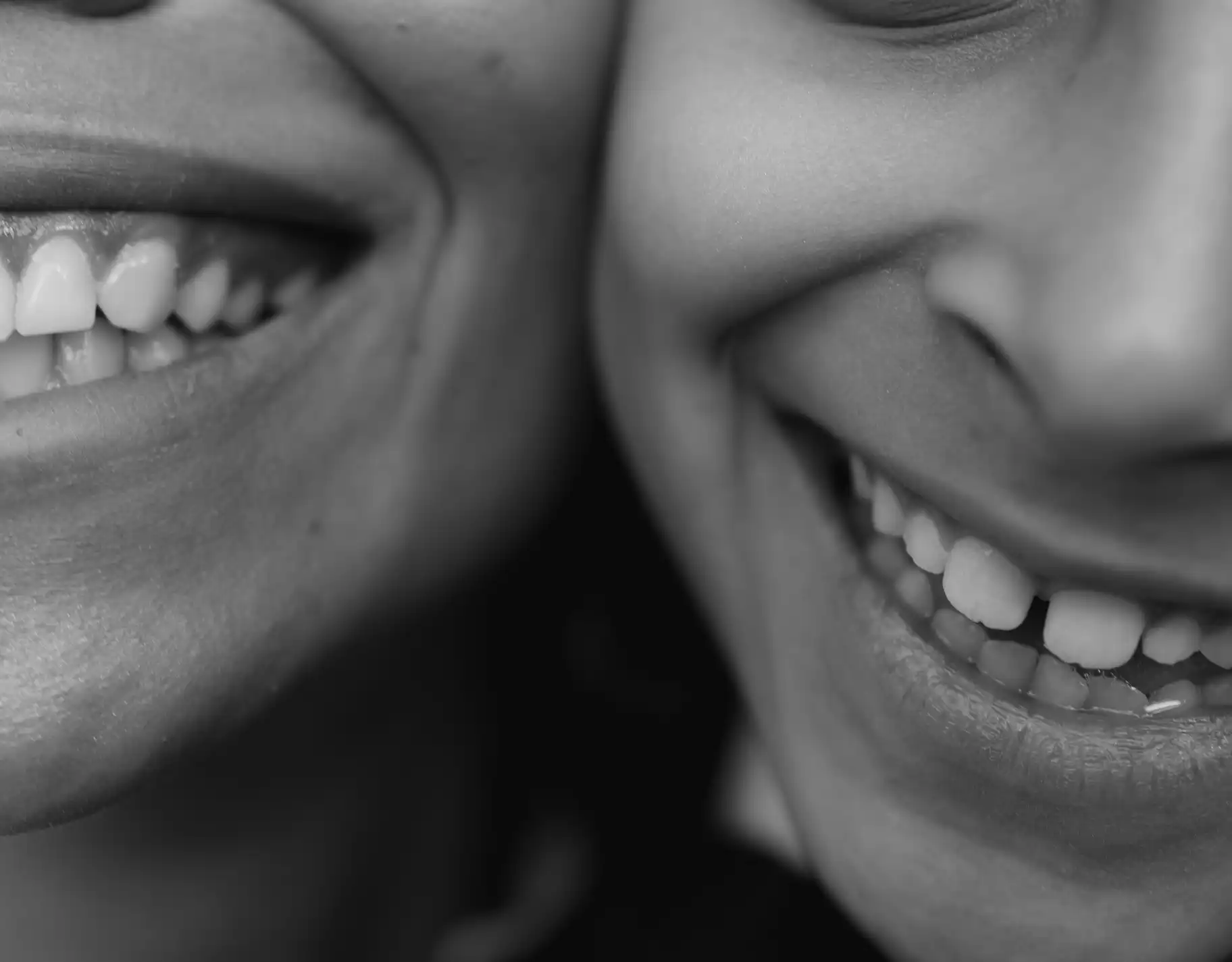
Smile Train’s Smile Wall
Smile Train’s Smile Wall starts from the idea that a smile is social. It invited LRT-1 commuters to pause, share what makes them smile, and think about what a smile can mean for a child born with a cleft. The campaign echoes the WHO’s 2026 World Mental HealthMental HealthA person's emotional, psychological, and social well-being, which affects how children and parents think, feel, and cope. Open conversations, regular routines, and timely help from professionals make it easier for Day theme, “Lived experiences heard: real voices, real change.”
Smile Train’s John Manuel Flores, area director for Southeast Asia, points to the people around the child: “For a child born with a cleft, feeling confident enough to smile can be influenced by how the people around them see and treat them.”
Is Cleft Care More Than Surgery?
A conversation on a station platform is only the start. Smile Train says treatment goes well beyond the operating room. Its comprehensive care model covers nutritional support, speech therapy, orthodontics and dental work, hearing care, and psychosocial counseling. Those pieces support confidence, school participation, and friendships, which all protect mental healthMental HealthA person's emotional, psychological, and social well-being, which affects how children and parents think, feel, and cope. Open conversations, regular routines, and timely help from professionals make it easier for.
How Can Families Protect Their Smiles and Peace of Mind?
Oral health and mood touch every household, not just those living with clefts, and small habits go a long way.
- Brush twice daily with fluoride toothpaste, floss, and limit sugary snacks and drinks.
- See a dentist at least once a year.
- Tell your dentist if you feel nervous. Ask for clear explanations, and bring a trusted companion if it helps.
- Watch for quiet signs. A child who dodges school, photos, or gatherings because of their teeth, smile, or cleft scar may need a counselor or support group.
What Can Schools and Communities Do?
Home is only part of the picture. Schools can add clefts and oral health to anti-bullyingBullyingRepeated, intentional harm toward another child through words, actions, exclusion, or online posts. Parents can help by listening without blame, documenting incidents, talking with the school, and reminding their child lessons, using age-appropriate language that teaches kids to answer questions with empathy. Barangay halls, schools, and malls can borrow the Smile Wall idea and invite people to share what makes them feel accepted.
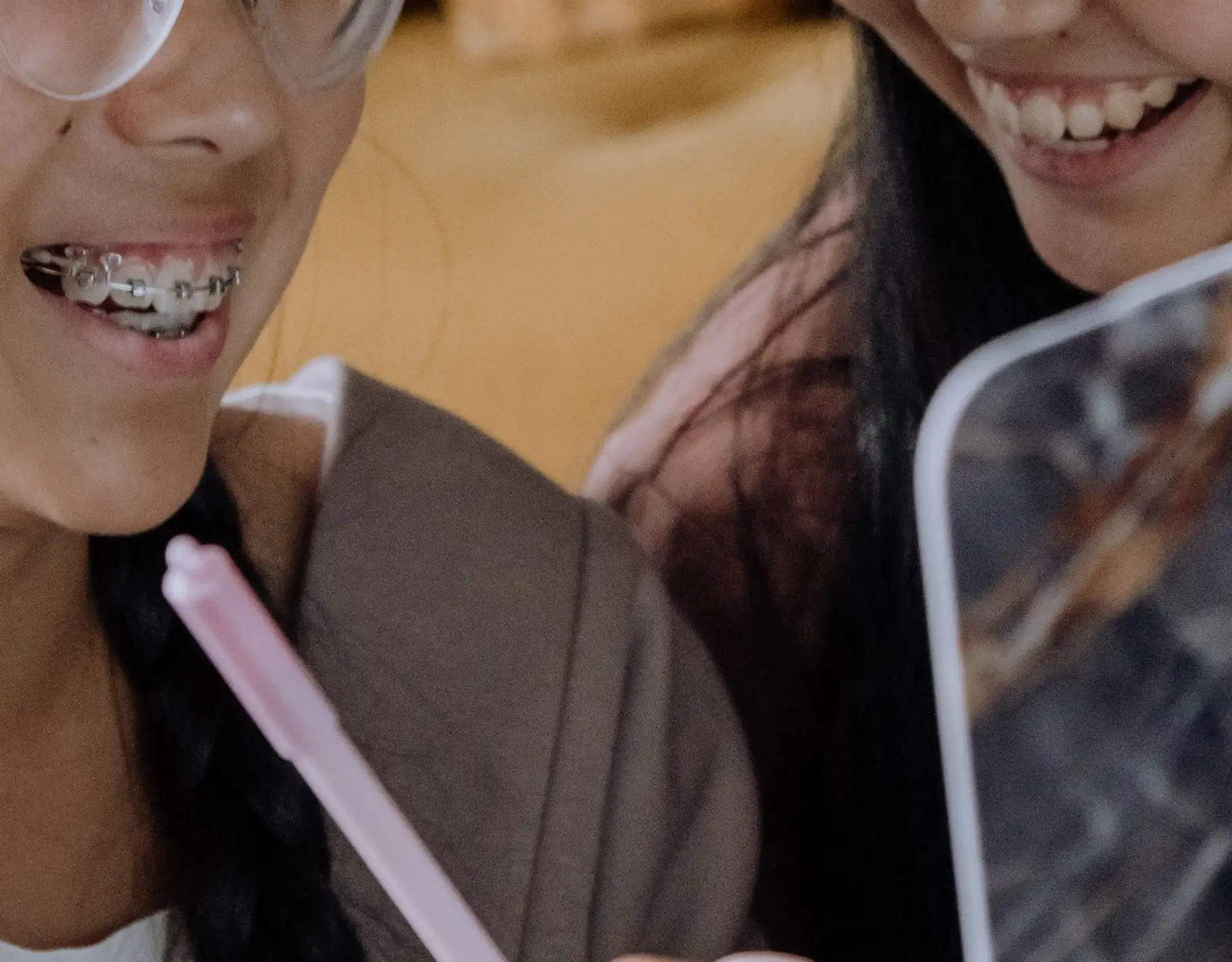
Local health offices can pair dental missions with mental healthMental HealthA person's emotional, psychological, and social well-being, which affects how children and parents think, feel, and cope. Open conversations, regular routines, and timely help from professionals make it easier for first aid training, so volunteers can spot distress or bullyingBullyingRepeated, intentional harm toward another child through words, actions, exclusion, or online posts. Parents can help by listening without blame, documenting incidents, talking with the school, and reminding their child and refer families properly. Parent and patient advocates can help design school modules that reflect local beliefs and language. Media and creators can also show more kinds of smiles, including cleft scars, dental differences, and braces in progress.
A smile comes easiest when no one is bracing for a stare. Your smile and mental healthMental HealthA person's emotional, psychological, and social well-being, which affects how children and parents think, feel, and cope. Open conversations, regular routines, and timely help from professionals make it easier for rise or fall on the same small things: a kind reply at the school gate, a dentist who explains before drilling, a commuter who looks twice and chooses warmth.
DOH–National Center for Mental Health Crisis Hotline is open 24/7 at 1553/ 1800-1888-1553, Globe/TM 0966-351-4518/ 0917-899-8727, and Smart/TNT 0919-057-1553.
Frequently Asked Questions
A cleft lip is an opening or split in the upper lip that occurs when facial tissue doesn’t join completely during prenatal development. It can range from a small notch to a large opening extending into the nose.
A cleft palate is a opening or gap in the roof of the mouth. It occurs when the tissues forming the palate fail to fuse properly during early pregnancy, leaving a connection between the mouth and nasal cavity.
Most cases are caused by a complex combination of genetic background and environmental factors encountered during early pregnancy, though exact triggers are often unknown.
Yes. Poor oral health correlates with higher rates of anxiety, stress, and depression. Conversely, mental health conditions often reduce motivation for routine dental hygiene, worsening oral issues.
Yes. Cleft lips are typically repaired through surgery within the first few months of life, while cleft palates are usually surgically corrected between 9 and 18 months to support proper speech development and feeding.
More on smiles and mental health
Why Cat Videos Make Us Feel Better
Mono No Aware: Why Tackling Depression and Grief Matters for Families
Smile Train Continues Their Mission Together with St. Vincent General Hospital