Cebu City Launches Parents Academy to Help Families Navigate Children’s Mental Health



Parenting doesn’t come with a manual—but Cebu City is trying to change that with the proposal of a Parents Academy.
In response to growing concerns about children’s mental healthMental HealthA person's emotional, psychological, and social well-being, which affects how children and parents think, feel, and cope. Open conversations, regular routines, and timely help from professionals make it easier for following the recent discussions on school safety, Cebu City is proposing a Parents Academy, a first-of-its-kind initiative that treats parenting not as instinct alone, but as a skill that can be learned, strengthened, and supported.
The proposal forms part of a broader plan to establish a permanent Mental HealthMental HealthA person's emotional, psychological, and social well-being, which affects how children and parents think, feel, and cope. Open conversations, regular routines, and timely help from professionals make it easier for Council and create long-term, school-based mental healthMental HealthA person's emotional, psychological, and social well-being, which affects how children and parents think, feel, and cope. Open conversations, regular routines, and timely help from professionals make it easier for programs that continue regardless of changes in leadership.
What We Know About the Parents Academy
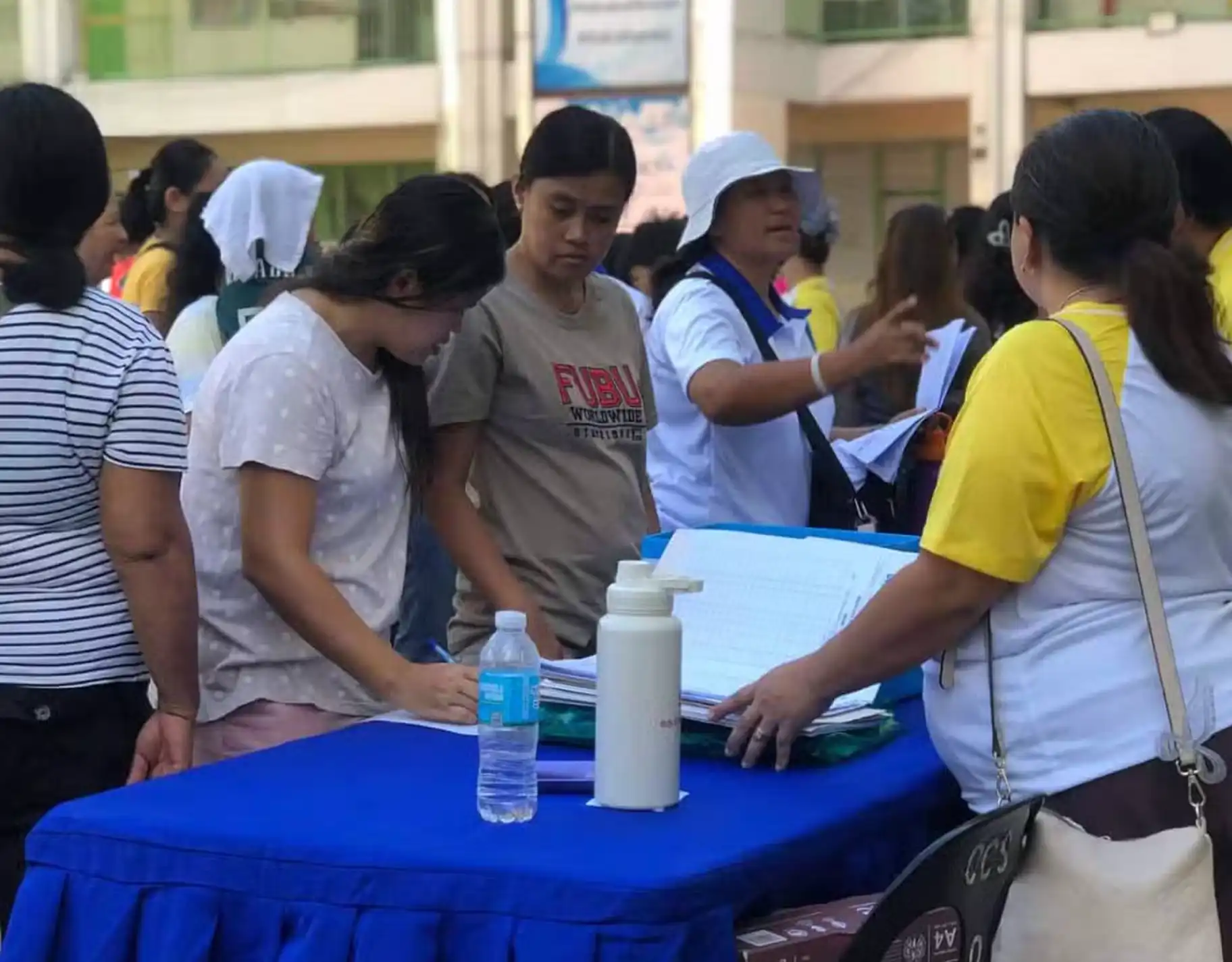
Cebu City’s proposed Parents Academy recognizes what many families already know: raising emotionally healthy children starts with supporting parents, too. Through practical parenting modules, mental healthMental HealthA person's emotional, psychological, and social well-being, which affects how children and parents think, feel, and cope. Open conversations, regular routines, and timely help from professionals make it easier for education, and stronger family communication, the city hopes to make homes the first line of defense for children’s well-being.
According to Cebu City Councilor Michelle Abella Celona, the Parents Academy will offer modules designed to strengthen parenting skills and improve communication at home.
“We will invite parents to undergo several modules to enhance their capacity to parent effectively,” Celona said in an interview with Cebu Daily News.
Initially, the sessions will be held in schools before expanding to barangays, making them more accessible for families unable to attend campus-based activities.
The academy is just one part of a much larger strategy. Cebu City also plans to build a student mental healthMental HealthA person's emotional, psychological, and social well-being, which affects how children and parents think, feel, and cope. Open conversations, regular routines, and timely help from professionals make it easier for database, develop intervention manuals for schools, train teachers and first responders to recognize emotional distress, and introduce practical mental healthMental HealthA person's emotional, psychological, and social well-being, which affects how children and parents think, feel, and cope. Open conversations, regular routines, and timely help from professionals make it easier for education into classrooms.
“Once we have data, it will serve as the basis for training trainers who will handle mental healthMental HealthA person's emotional, psychological, and social well-being, which affects how children and parents think, feel, and cope. Open conversations, regular routines, and timely help from professionals make it easier for concerns and for developing manuals that schools can use,” Celona explained.
The initiative also reflects what mental healthMental HealthA person's emotional, psychological, and social well-being, which affects how children and parents think, feel, and cope. Open conversations, regular routines, and timely help from professionals make it easier for professionals observed during consultations: many children’s struggles begin long before they enter the classroom.
“Rooted gyud siya sa family dynamics… This is not to blame parents,” Celona emphasized in an interview with Sun Star, acknowledging that economic pressures often leave families with less time to connect emotionally. “While it’s true that most of the root causes of these problems are domestic, if these problems are not addressed at the family level, it will be difficult for teachers alone to resolve them.”
Rather than assigning blame, the city hopes to equip parents with better tools to navigate stress, communication, emotional regulation, and the realities of raising children in today’s digital world.
A School for Parents
Children are often told they never stop learning. Perhaps the same is true for parents.
The Parents Academy sends an encouraging message: asking for guidance isn’t a sign of failure—it’s a sign of love. By investing in parents alongside students, Cebu City recognizes that healthy schools begin with healthy homes.
As Celona put it, “This is not just about saving a peso coin. It is about saving lives.”
Frequently Asked Questions
It is a proposed Cebu City program that teaches parents practical skills to support their children’s mental health, emotional development, and overall well-being.
The initiative aims to strengthen family relationships and help address children’s growing mental health concerns through prevention and education.
The program is intended for parents and guardians, with sessions planned in schools and later expanded to barangays.
No. It complements broader mental health initiatives, including hiring more counselors, teacher training, and standardized intervention protocols.
Research consistently shows that strong parent-child relationships, healthy communication, and emotional support contribute to children’s resilience, behavior, and overall mental well-being.
More about parenting?
Video Games & Parents: Why Games Should Never Replace Us
Can AI Ever Understand Parenting Cultures?
Parenting on Hard Days: What to Do When It Feels Impossible