Video Games Don’t Replace Parenting—And That’s Exactly the Point



As Aicy Soriano’s honest conversation with her son went viral, parents need to ask themselves a difficult question: Are video games really shaping children’s behavior—or are we overlooking the bigger influence at home?
In the aftermath of the Tacloban school shooting, conversations about children and violence have understandably become emotional. Among the loudest calls has been the idea of banning violent video games, with titles like Roblox and Minecraft finding themselves caught in the debate.
But one Facebook post by photographer Aicy Soriano offered a different perspective—one that resonated with thousands of Filipino parents. Soriano shared how she asked her 8-year-old son whether the games he played ever made him want to hurt someone in real life, and his response was immediate.
His response was immediate.
“Why should I shoot someone?”
For Soriano, the answer confirmed something many parents already know but sometimes forget: children don’t learn empathy from a game. They learn it from the people raising them.
Banning Video Games Seems A Little Too Convenient
Blaming video games offers something comforting—a simple explanation for a complicated problem.
A child is influenced by family, friendships, school, community, mental healthMental HealthA person's emotional, psychological, and social well-being, which affects how children and parents think, feel, and cope. Open conversations, regular routines, and timely help from professionals make it easier for, and the examples adults set every day. Video games are only one part of a much larger environment—something that Aicy reveals when she describes her son in the post.
“Despite playing these games, Inigo did not grow up to be a violent child. He doesn’t hit, bully, or intentionally hurt other people physically. Like every child, he has his moments of frustration, but he has also learned to apologize, show kindness, and respect others. That’s because every single day, we remind him to be gentle, compassionate, respectful, and a good sport—not just in games, but in real life,” she writes.
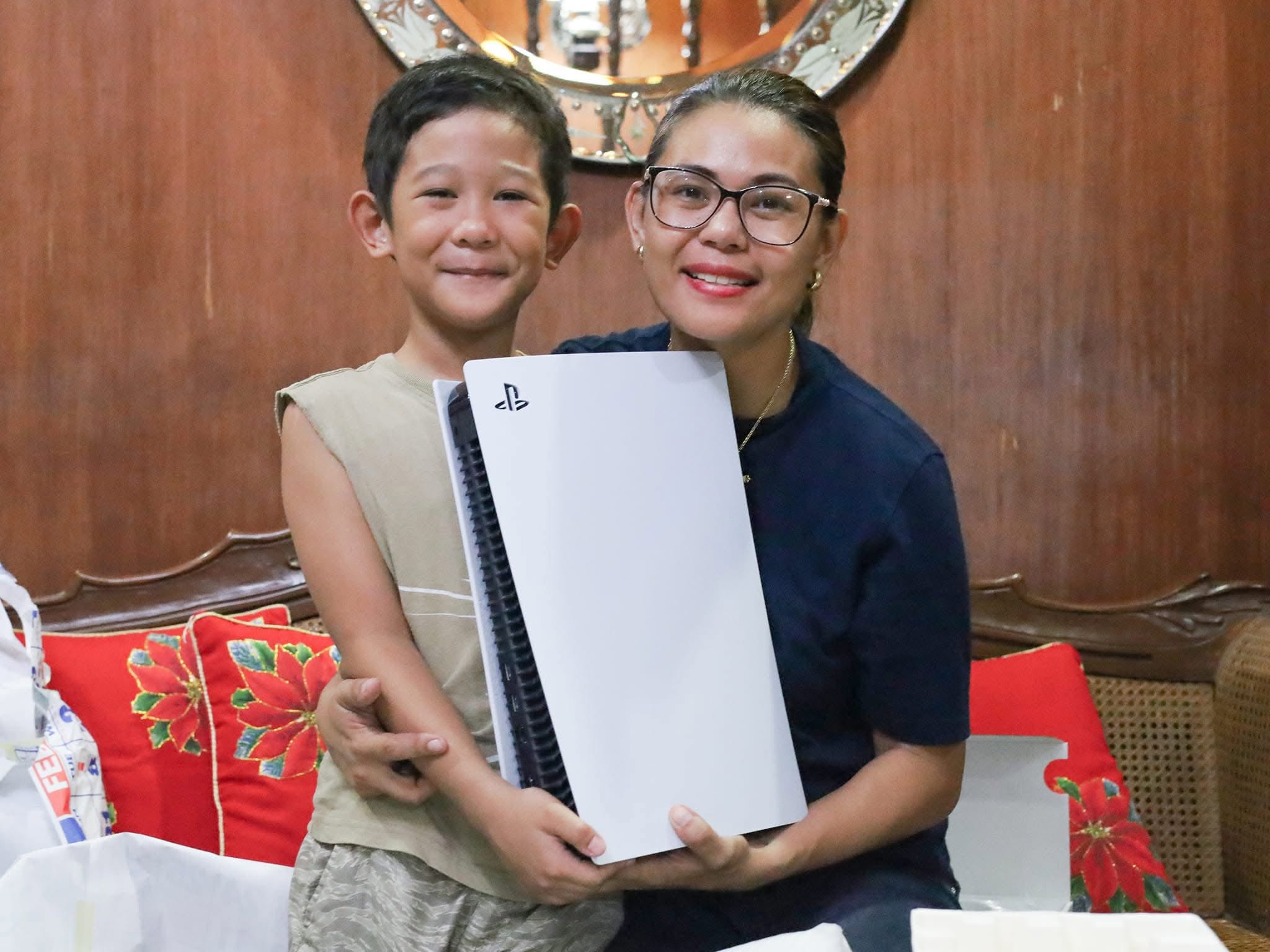
Her son plays on both the Nintendo Switch and PlayStation 5, including games with parental guidance labels, but as she wrote, “We don’t simply hand him a device and walk away.” Instead, she and her husband supervise, set limits, talk about online safety, and stay involved in what he plays.
She shares that reflecting on her childhood helped her come to that conclusion: “When I was around his age, I spent countless hours playing Counter-Strike with my cousins. We enjoyed the game for what it was—a game. At no point did it make us believe that violence was acceptable outside the screen.”
Research continues to show that there is no single cause of violent behavior. While parents should absolutely monitor age-appropriate content and online interactions, banning every game with conflict or combat mechanics ignores the larger responsibility adults have to teach children how fantasy differs from reality.
As Soriano reminds readers, “The controller has never been the most powerful influence in a child’s life. The people holding that child’s hand are.”
Video Games Shouldn’t Replace Parenting
Good video games parenting isn’t about pretending games have no influence. It’s about making sure they never become a child’s greatest influence.
Instead of asking whether children should play video games, perhaps the better question is whether we’re playing alongside them, talking with them, and helping them process what they see—both on the screen and off it.
As technology continues to evolve, so does parenting. In a world where childhood memories are no longer just formed in playgrounds and schoolyards, it’s time for parents to abandon the whole “Kakakompyuter mo yan” mentality.
Frequently Asked Questions
Current evidence suggests there is no single cause of violent behavior. Parenting, mental health, family environment, bullying, and social influences all play significant roles. Filipino gamers themselves admit it’s more than just the video games: it’s the lag, frustration over the time spent trying to solve a particular part, and many other things.
If their kids act upon things with gamer rage, give them the consequence. When they’re calm, explain it in gamer terms: “If you don’t play the game right, you get punished for it. That’s how the game goes.”
Not necessarily. Parents should study each game’s features, use parental controls, supervise online interactions, and choose experiences appropriate for their child’s age and maturity.
Watch for neglect of school or sleep, withdrawal from family, increased irritability, or difficulty balancing other activities.
Parents, caregivers, teachers, and a child’s everyday environment remain the strongest influences on character development—not video games alone.
More about digital parenting?
Nicole Syjuco Reveals How Parenting Works In The Digital Era
How Online Gaming Stays Safe with Club Quokka Gaming
Maez De Guzman: Protecting The Home Offline & Online