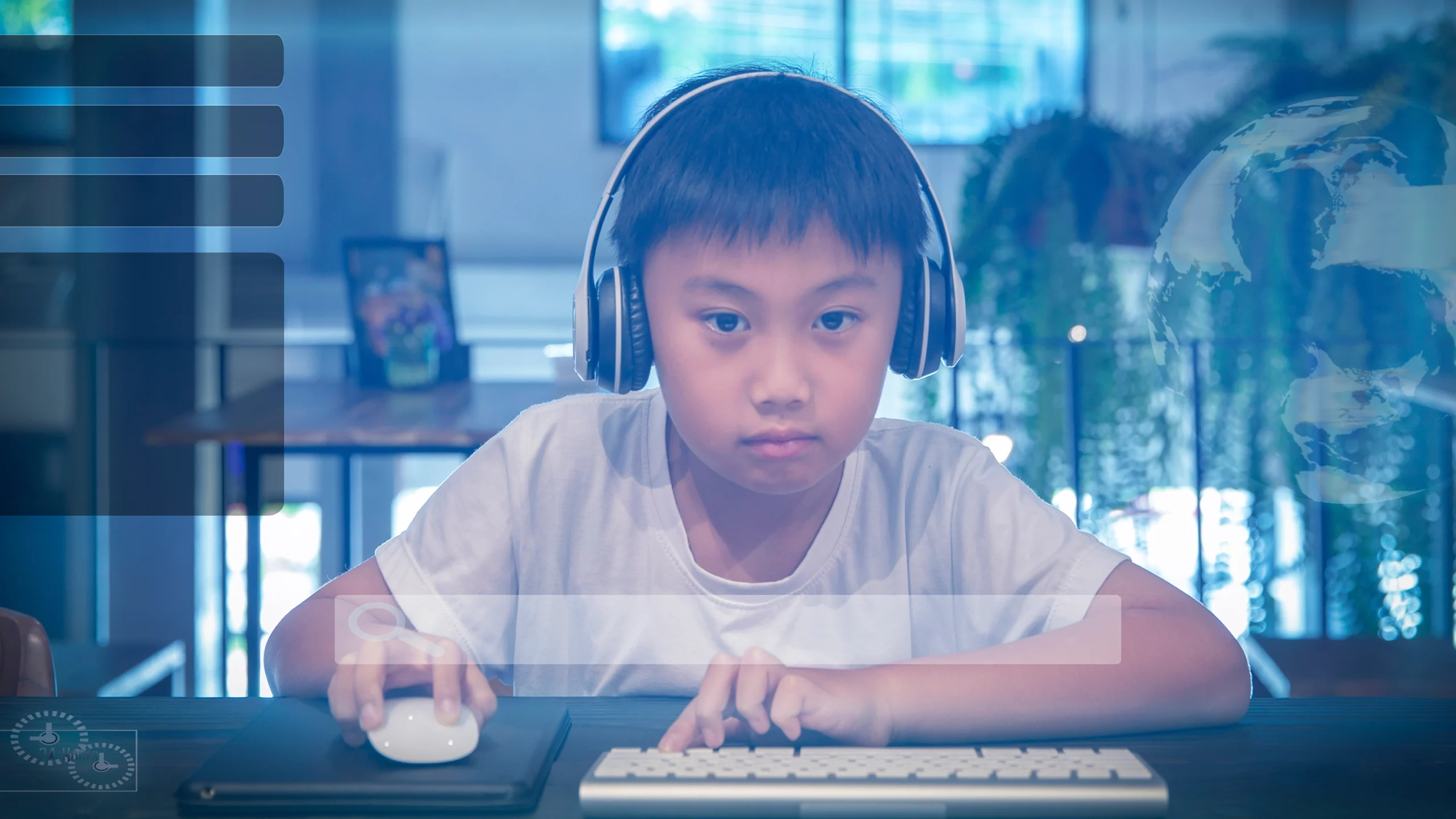
Fighting Cyberbullying: How To Keep Kids Safe Online



Here’s how parents can protect their kids from cyberbullying
The playground drama has shifted online. Cyberbullying is a reality affecting over half of Filipino children aged 13 to 17. With social media, messaging apps, and online gaming becoming part of everyday life, many Filipino parents find themselves asking: How can I keep my child safe when the bully could be online any hour of the day?
Cyberbullying can happen in school chat groups, mobile games, Instagram threads, or even through anonymous “joke” posts. Unlike traditional bullying, the victim doesn’t get the comfort of leaving the playground. It follows them home, into their phones, and even into their self-talk.
Here’s a parent-friendly guide to understanding cyberbullying and keeping your children safe in the digital world of Metro Manila and beyond.

What Exactly is Cyberbullying?
According to the Cybercrime Prevention Act of 2012 (RA 10175), cyberbullying is any form of harassment, humiliation, or intimidation carried out through electronic means: social media, messaging apps, online games, or mobile phones.
Most of the time, it starts with spreading rumors online. Then, it escalates into posting embarrassing photos or videos without consent. But all these acts are usually started up through fake accounts so they can shame and harass their targets privately. It’s because digital content leaves a footprint; cyberbullying can be documented, reported, and acted on.
Signs Your Child Might Be Experiencing Cyberbullying
Since it happens behind screens, cyberbullying is harder to catch than typical bullying. Some signs of kids being cyberbullied include:
- Extreme responses to their devices: Either they’re so obsessed with it or so adverse to it.
- Reduced appetite: Most cyberbullying attacks focus on body image and fashion style.
- Sudden and sharp drop in school performance: check the subject they normally perform the best in. The drop is more obvious and consistent over a few days.
- Sudden need to either prove themselves or hide in the background: That’s when the anxiety or depression kicks in.
How to Set Up a Safe Digital Space at Home
Here are some practical steps to address or protect our kids from cyberbullying:
Remind children of their manners
Manners are not just for dealing with people outside. Online is the new outside, and a bit of “please,” “thank you,” and a smiley emoji can go a long way.
Teach them how to scroll past
Social media makes everybody think they have a voice or say–even in topics that they barely know about. Teach our kids how to scroll past if it’s a topic that they’re sure they don’t know about. If it’s a reel, it usually takes three seconds to figure out if there’s any use for the reel or not.
If the topic is really disturbing, always remind the kids to ask us first. Google or ChatGPT isn’t always correct.
Save the evidence
That’s the beauty of doing it online: we have the tools to capture evidence. It’s called using “Screenshots.” For keyboards, they can use the “PrntScrn” button. Other keyboard combinations include: Windows + Shift + S (for Windows) and Shift + Command + 3 or Shift + Command + 4 (for Apple).
Explore the security and privacy settings
Every social media site has a security or privacy setting. Cyberbullies aren’t usually known to the user, and there is an option to ensure that people just can’t “Google” or “message” people they don’t know.
If the bullies are known and it’s obvious they respond only to certain content, use the post restriction options. While they’ll still be “friends” online, restricting visibility of the post by using “visible except for:…” makes internet surfing a lot safer.

What To Do If Your Child Is The Victim
It can be quite a shock and frustrating: cyberbullying leaves us with an opponent we can’t see. Here’s a three-step plan:
- Listen and validate. Don’t dismiss their feelings or tell them to just “ignore it.”
- Document the incident. Save screenshots, record chats, and keep a timeline of what happened.
- Report to the right channels. In the Philippines, schools must address bullying under RA 10627, and cyberbullying may fall under RA 10175 (Cybercrime Prevention Act). Also report to the platform in question (Instagram, TikTok, etc.).
What To Do If Your Child Is The Cyberbully
Everyone talks about the victim. Nobody really settles things with the bully.
What makes it easier for people to become cyberbullies is what psychology calls the Shield of Anonymity. Because they believe nobody can trace the behavior back to them, they’ll continue attacking someone.
While it is a crime now due to the Cybercrime Prevention Act of 2012, the best thing to do is to nip it in the bud before it worsens. Here’s a basic three-step plan on how to deal if your kid is the cyberbully:
- Ask them, “What does the person do to disturb you?” It’ll open the conversation on discussing what things are okay with and what things are not okay with.
- Ask why they think it’s bad. Kids don’t have an innate sense of malice. They learn it from somewhere.
- Have them own up to their actions. It may feel counterproductive as parents, but we’re trying to raise kids who are also accountable. No matter how bad the consequences will make them feel.
Building Digital Resilience: Helping Kids Bounce Back
Prevention isn’t just stopping the bully—it’s equipping your child to feel safe and confident online. Ways to build digital resilience include:
- Encouraging critical thinking about what they post and who they trust
- Celebrating positive digital behaviour—when your child stands up for themselves or helps a peer
- Modeling balanced tech habits yourself: show them how to disconnect, talk about emotions and choose kindness over clicks
Creating a safer digital space starts at home
In today’s world, technology is no longer just for homework and to make tasks easier. It has developed a community of its own. Kids nowadays are exposed to various cultures and their subcultures, which can be frustrating for parents who are not internet-savvy enough to keep up.
However, becoming internet-savvy is no longer a choice. It’s a necessity. Using the internet isn’t just limited to what we scroll or websites we go through. Understanding the content, being able to choose which threads to comment in, being judicious with the people to engage with online, or even choosing the platform based on features and function–all these are “soft skills” that parents and kids alike need to learn.
We don’t need to know the internet as well as social media managers. Just critical and skeptical enough to understand the content before commenting.
Frequently Asked Questions (FAQs)
Cyberbullying uses electronic platforms (social media, apps, games) to harass or shame someone. Unlike face-to-face bullying, it can follow the child home and leave a permanent digital trail.
Nearly 44% of Filipino children ages 13-17 reported experiencing online bullying or harassment.
Listen without judgment, document the incident (screenshots, chats), and report it to the school, platform or authorities.
Yes. Key laws include RA 10627 (Anti-Bullying Act), RA 10175 (Cybercrime Prevention Act) and RA 7610 (Special Protection of Children). Schools and law enforcement are required to act.
While it is a “parenting loss,” it’s not something permanent. Talk about it with your child: ask what made them do it and the like. Show them what accountability looks like.
More about the digital realm?
10 Commandments for Every Kid and Teen Netizen
Types of Netizens That Kids or Teens Meet On Social Media
Christine Melody Taa: A Safe Online Playground for Every Kid