Dads are From Mars, Moms are From Venus, Toddlers are From the Stars: Why Words Matter Much More to Them



Here’s why words matter when talking to toddlers
Parenting toddlers is a daily exercise in rebranding. We want them to go take a bath, they shout with a resounding “no!” But the moment we rebrand it into something more magical sounding, like how momblogger Sara Martinez describes it in her reel, they’re more than happy to comply!
The case is not unique to the United States. Somehow, toddlers across the world seem to think the same way. But do parents need to keep pitching activities like sales agents just to get kids to do their chores?
Why Words Matter So Much To Toddlers
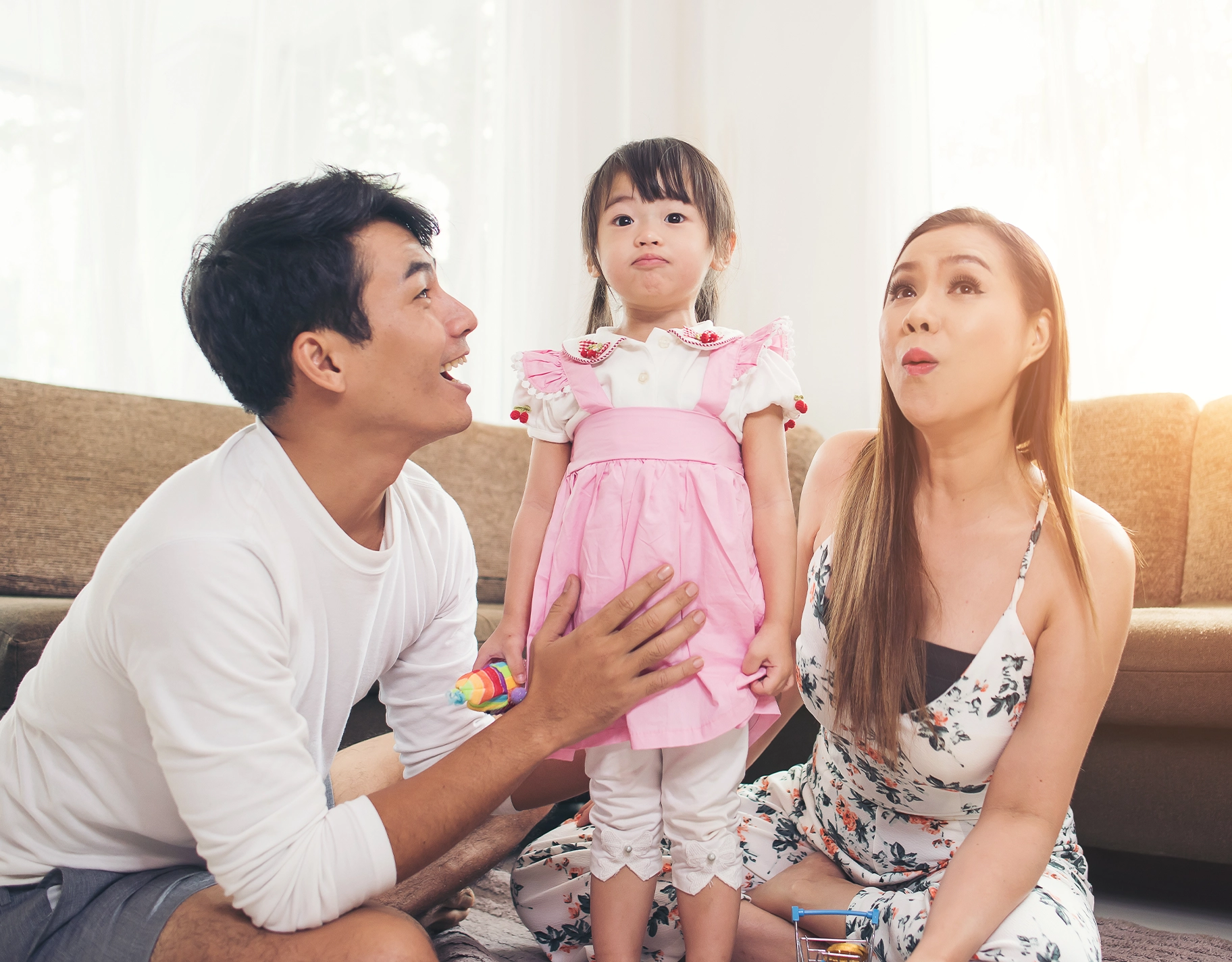
Toddlers (ages 2 to 5) are still grappling with words and images. At this point, they’re still matching words to pictures. So whenever we say “bath” with a neutral look, they’ll immediately assume: “That doesn’t sound fun at all!”
This stage, according to psychologist Jean Piaget, is also known as the Preoperational Stage. During this stage, toddlers are still quite literal. So when we say “go to bed,” to them, it just translates as “go to the bed and stand there.” We adults have already learned that “go to bed” means “go to sleep” since our brains already know what literary devices are.
But when we say something like what Sara said instead, “Let’s pick a dream!”, it sounds more magical and exciting. Toddlers still see the “magic” in living because everything is new and magical to them.
How Parents Can Rebrand “Tasks”
The secret to getting a toddler to “listen” to you? Use their language. Think like them. Would you like being told to just “go to bed?” Minus the fear of possibly getting screamed at or thwacked by a belt, hanger, or slipper, we probably would have screamed “no!” too.
Here are some interesting suggestions for parents to “rebrand” tasks:
| Task | Rebrand |
| Take a bath | “Time for your mermaid transformation!” |
| Eat your veggies | “Time to make a party in your stomach!” |
| Go to bed | “What shall we dream of today?” |
| Brush your teeth | “Let’s shine up those chompers!” |
| Go up the stairs | “Let’s race up the mountain!” |
People in the real world don’t talk like this!
You’re right, they don’t. Yet, why are we rushing to bring harsh reality to the home? They have other institutions, such as schools and corporate life, to do that for us.
While we want them to get used to obeying commands or understanding tasks in simple English, they’ll learn all that in the school book. What the book won’t teach them is how to string those words together to create a story. To make the mundane magical.

How Does “Rebranding” Happen in Philippine Parenting
For Filipinos, we often introduce tasks through songs. Catchy rhymes and tunes often set the mood, which makes the tasks more bearable. These are the typical “Bahay Kubo” or Barney’s “Clean Up” song.
Other times, we simulate sports. Playing basketball by shooting paper balls into the bin, “Counterstrike: Ipis Edition” when using insect killer, hockey when sweeping up dust bunnies—we sometimes “rebrand” our chores subconsciously just so they’re more bearable.
Rebranding Teaches Toddlers to Cope with the Mundane
Whenever we raise our kids to be more resilient, it’s in the context of some big disaster happening. Rarely do we model them the grit to withstand the everyday mundane that chips away at their sanity when they get older. It’s how mental healthMental HealthA person's emotional, psychological, and social well-being, which affects how children and parents think, feel, and cope. Open conversations, regular routines, and timely help from professionals make it easier for issues arise; not always from life-changing events but from feeling powerless of doing nothing but the same thing, over, over, and over again.
We don’t need to be some famous author or writer to make tasks sound magical. We just have to recall our ability to imagine. To dream. Because when we do, we forge for our kids the strongest tool to survive the real world: their imagination.
Frequently Asked Questions (FAQs)
Toddlers think in images and emotions, not abstract commands. When parents say things like “Let’s pick a dream” instead of “Go to bed,” it taps into their imagination—something Jean Piaget calls the Preoperational Stage of learning. Playful words help them connect language with joy, not obligation.
Rebranding tasks—like turning “take a bath” into “mermaid time!”—helps toddlers match words with positive experiences. This builds both vocabulary and emotional connection, reinforcing Noam Chomsky’s theory that children naturally learn language when it feels meaningful and fun.
Yes! Filipino parenting culture already embraces creative language—through songs, rhymes, and play. Think “Bahay Kubo,” “Clean Up Song,” or turning chores into games. It’s not just fun—it builds grit and creativity, traits that help kids cope with life’s routines later on.
Not at all. As they grow, they’ll naturally learn the “real” meaning of tasks. What’s important is that they first associate everyday actions with curiosity and delight—so they grow up seeing the world as full of possibilities, not just responsibilities.
Start small: reframe one daily task today. Turn “eat your veggies” into “time to color your tummy green!” or “brush your teeth” into “shine your smile!” You don’t need to be poetic—just imaginative. Your words are their world, so make it one worth exploring.
More about toddlers and language?
How Does Knowing Your Stress Language Help?
How to Handle Toddler Tantrums
Why Language Matters: The Role of Filipino in Modern Parenting