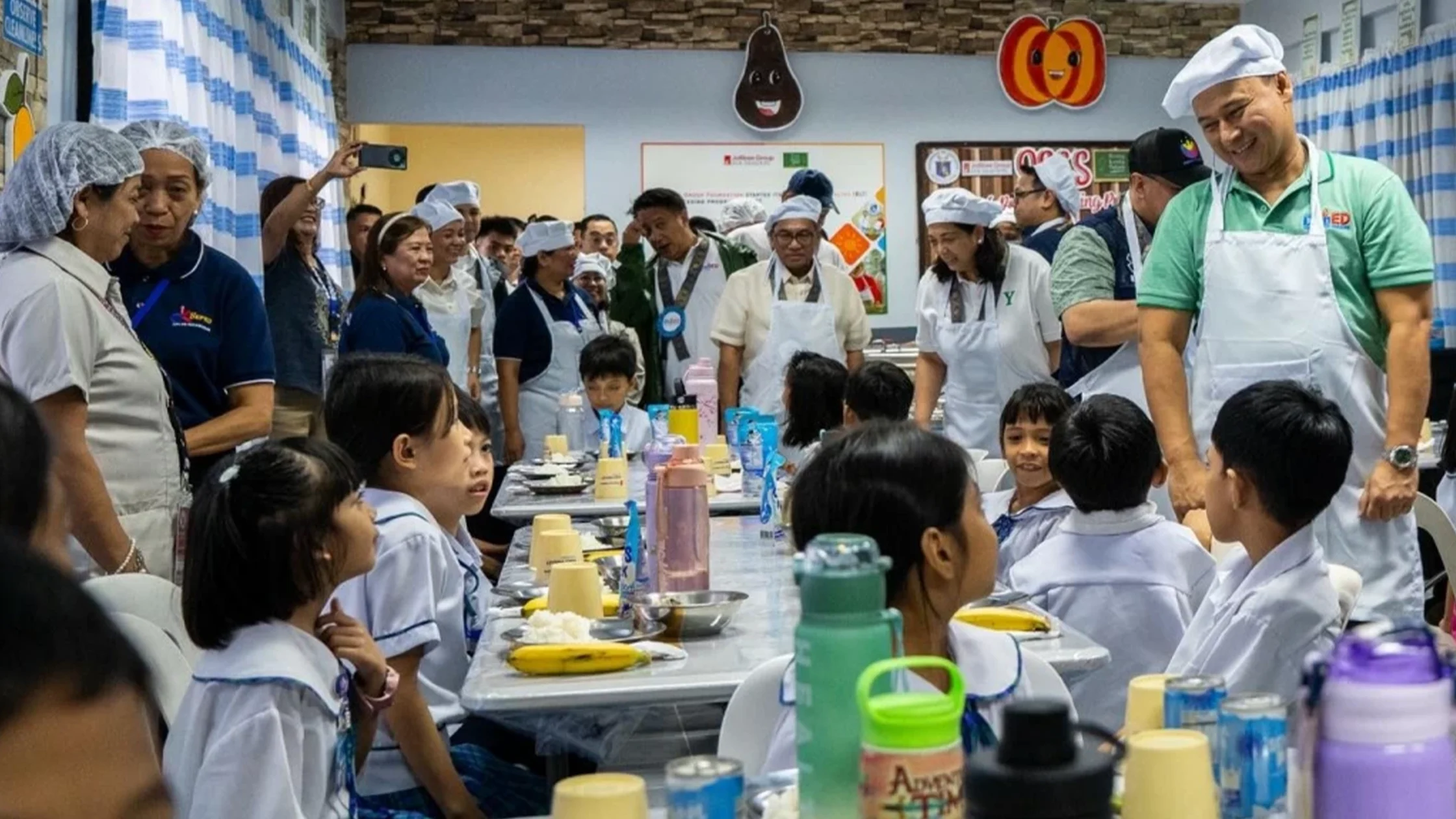
Here’s What We Know About The Expanded School Feeding Program



Here’s what we know about the expanded school feeding program President Bongbong Marcos announced last July 16, 2025
We all know how food affects how our kids study and learn. But it’s not always easy to find the food they need. With the inclement weather, sometimes, we’re forced to substitute until the thing we need becomes available.
While some can hold off, not all Filipino families don’t have that margin. Some go for days without food, instead working to make sure the rest of the family eats. It’s why some kids forgo school; with nothing to eat, they have no energy to study. But with the new Expanded School Feeding Program that’s being spearheaded by the DepEd, kids will be more inclined to study with food being offered.
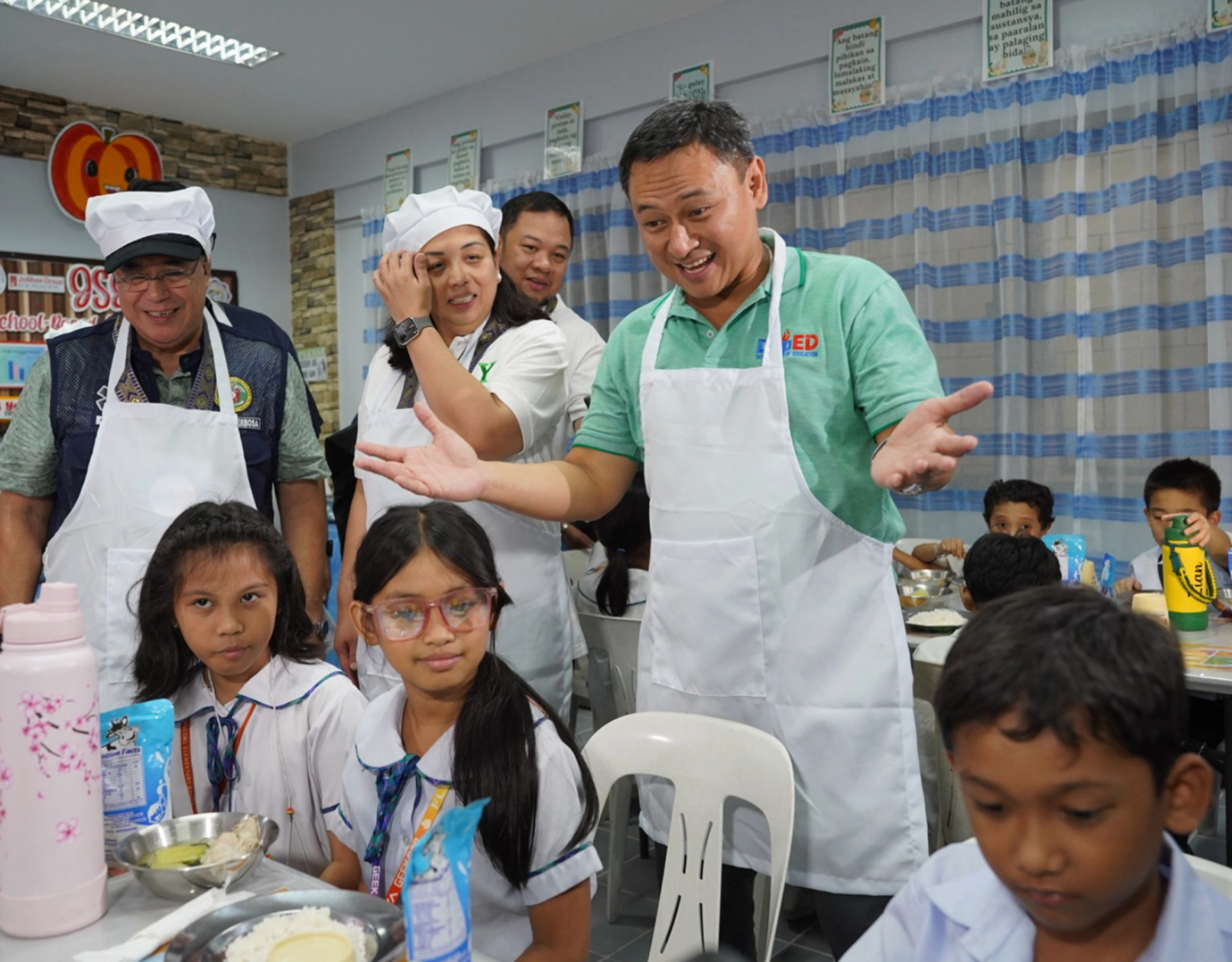
What’s happening with the expanded school feeding program?
As of now, the expanded school feeding program is focusing on the younger students. Those from kindergarten in public schools are the ones benefiting from it. In Juan Sumulong Elementary School—a public school in Rizal, Antipolo, the expanded school-based feeding program (SBFP) will run for 120 days, double the original 60 days that was launched by the Duterte administration.
According to the DepEd, the program aims to feed over 3.4 million children. It’s a first in Philippine history, marking its debut last July 21, 2025 (Monday). DepEd Secretary Sonny Angara describes the initiative as “a strategic investment in learning, health, and long-term development.”
“With the strong support of the President, we are investing not only in education, but in lifelong health, productivity, and equity,” Angara said.
The program was also launched in the regions, including Cagayan Valley and the Davao Region.
And the results are almost instantaneous. According to a report from the Inquirer, teachers have been reporting that kids are coming to school more vigilant, engaged, and ready to learn. The best part is, some plans are already being laid down to ensure students from Grades 1-3 get the same opportunity too!
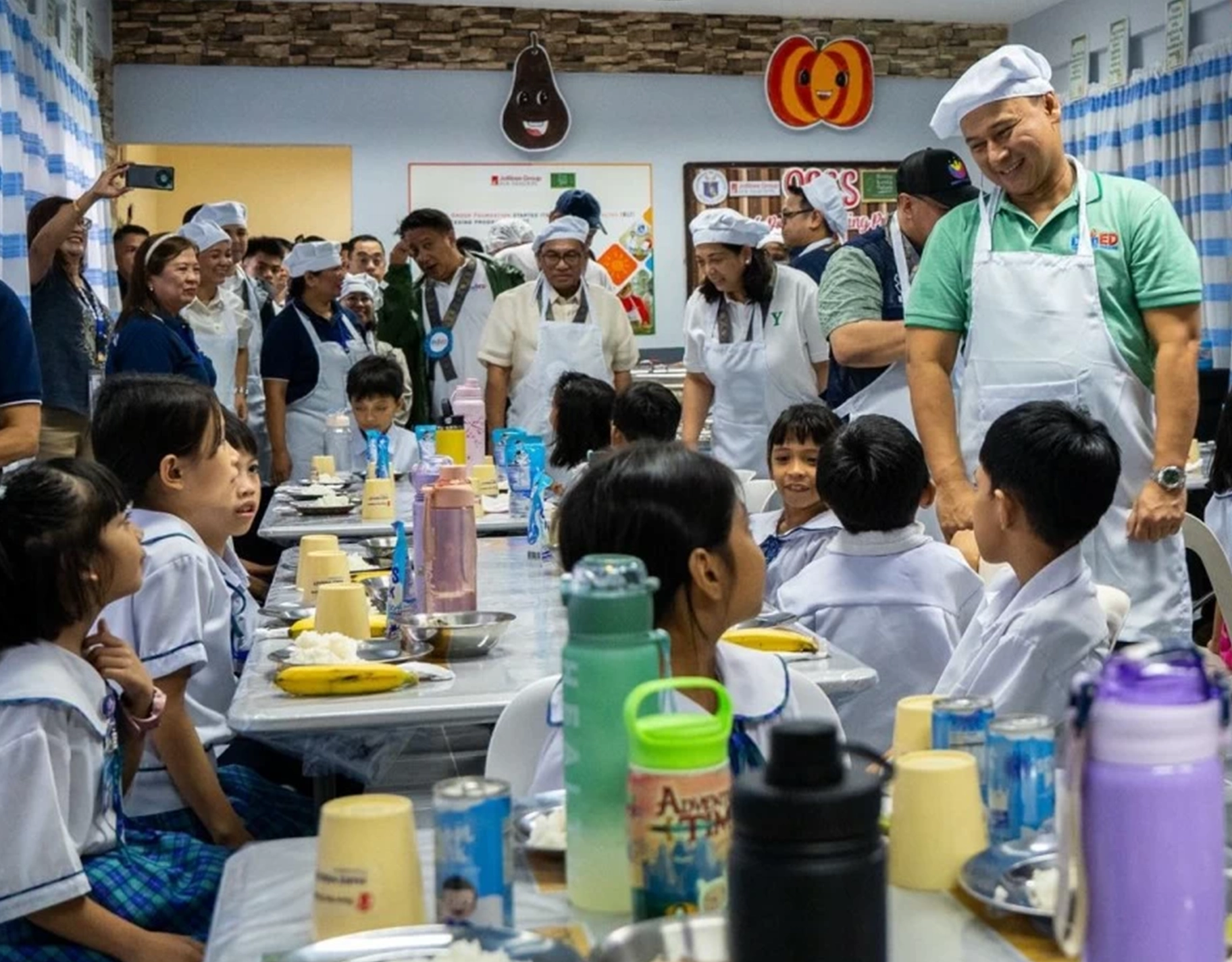
Angara: “It’s a collective effort.”
Feeding a child isn’t just the parents’ responsibility alone. It also falls to the government and other institutions to ensure the producers (AKA farmers) connect with the families who need their goods. Most farmers find themselves struggling, especially during the harsh weather, to get their goods to other families.
In some cases, the barangays are the ones leading the efforts. Families can gather to fund the logistics of bringing the farmers’ produce over. Others build community pantries, making sure no food goes to waste. So if ever we want to find a way to contribute in the name of bringing food security and reducing food waste, sometimes, it just starts at the barangay or city hall.
More about nutrition and food security?
Why Nutrition is Every Filipino Family’s Right
What Families Need To Know About Food Security
Movie Night Snacks: Healthy and Delicious