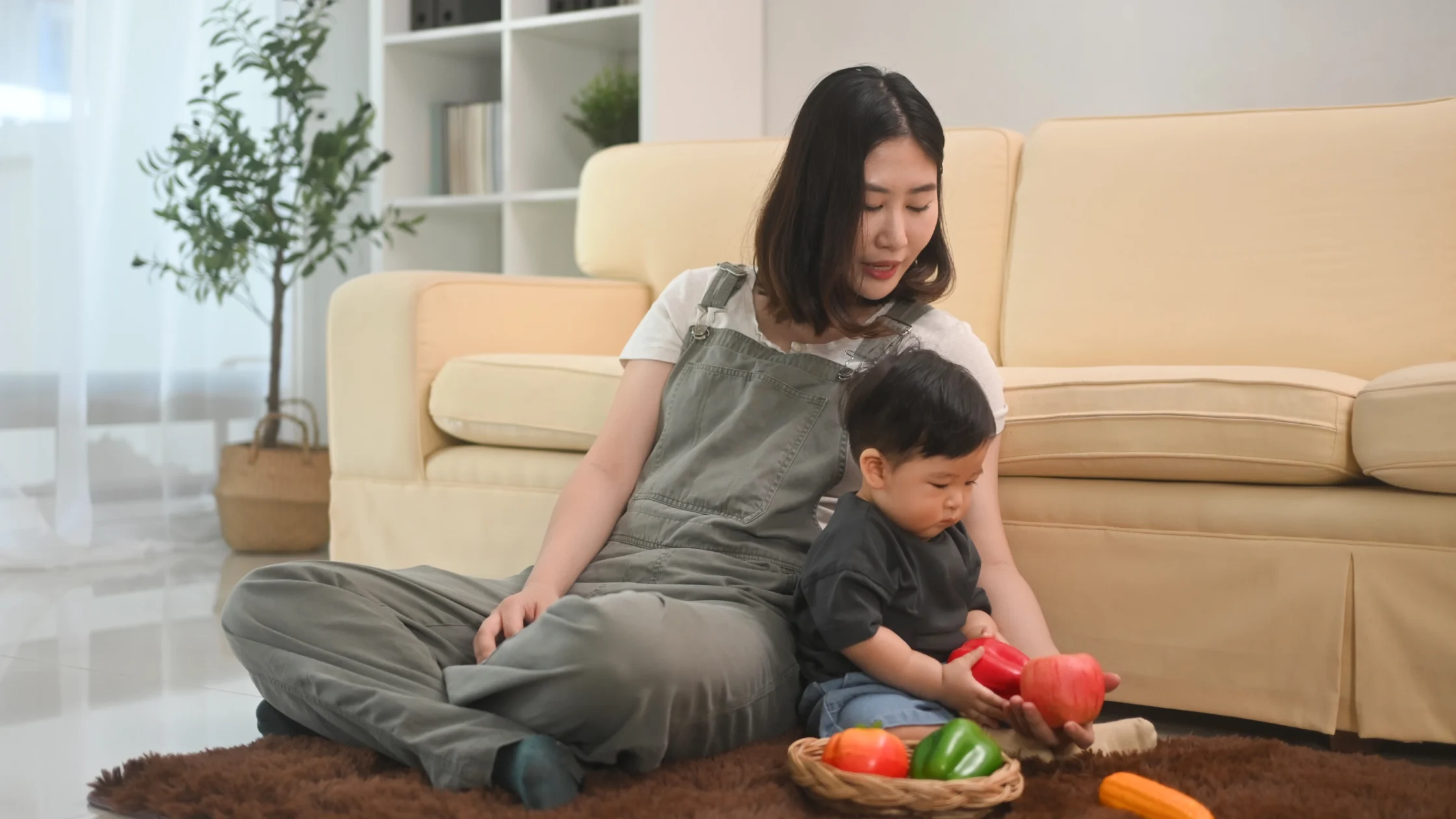
Nanay ng Tahanan Bill: What Every Filipino Stay-At-Home Wife and Mom Needs to Know



A proposed law, the Nanay ng Tahanan Bill, aims to recognize and reward the invisible labor of stay-at-home moms from low-income families
In today’s world, women—including wives and mothers—juggle many responsibilities: managing their households, raising children, and often working to support their families financially. But for stay-at-home moms, who focus solely on caring for their homes and children, there’s often one thing missing: recognition, which is what the Nanay ng Tahanan Bill aims to do.
Despite their critical role, these women are still classified as “not working” because they don’t earn money. In fact, according to the Philippine Statistics Authority, women make up 67.5% of the total population of people not in the labor force.
To address this, lawyer and lawmaker Nathaniel Oducado of partylist 1Tahanan has filed a bill seeking to formally acknowledge—and financially support—unpaid care work done by full-time housewives.
Here’s what you need to know about House Bill 3141, also known as the Nanay ng Tahanan Bill.

Who Will Benefit?
The bill is designed for full-time housewives and mothers whose families are living below the poverty threshold.
According to the proposed legislation:
“This Act shall apply to all housewives whose family’s economic status falls below the poverty threshold, who work as full-time housewives, and do not have part-time nor home-based work that is compensated.”
It also specifies that the beneficiaries must be caring for:
- At least one child aged 12 or below, or
- A child over 12 with a mental incapacity that prevents them from being self-sufficient.
What Kind of Support Will Be Given?
Under the Nanay ng Tahanan Bill, eligible mothers will receive PHP 1,500 per month in financial assistance. This amount will be subject to review every three years, with the help of the Department of Social Welfare and Development (DSWD).
To identify beneficiaries, the government will rely on the DSWD National Household Targeting System for Poverty Reduction (NHTS-PR). Implementation will also require coordination with Local Government Units (LGUs) and their Social Welfare and Development Offices (LSWDO).
Conditions for Receiving the Assistance
To ensure accountability, several conditions must be met before financial aid is granted:
- The child or children must be enrolled in school with at least 85% attendance.
- The children must show good behavior, with parents taking responsibility for discipline and guidance.
- The family must attend a barangay seminar every quarter.
How It’s Different From the 4Ps Program
In a televised interview on PTV’s Rise and Shine Pilipinas, Congressman Oducado emphasized that the Nanay ng Tahanan program is different from the Pantawid Pamilyang Pilipino Program (4Ps).

Why The Nanay ng Tahanan Bill Matters
If passed into law, this bill could give stay-at-home moms more than just financial support—it could offer long-overdue social recognition for the care work they do every single day.
For many mothers in low-income households, the added income could help them afford necessities while keeping their children in school and healthy.
Room for Improvement
While the bill is a promising first step, some concerns remain. Given the ongoing rise in the cost of living, PHP 1,500 may not be sufficient to cover even basic monthly needs like food, milk, and diapers.
Further review will be crucial to ensure that financial aid truly meets the needs of Filipino families. Lawmakers must continue to consult mothers and analyze real household spending to create a sustainable and impactful support system.
Although it’s just a proposal, the Nanay ng Tahanan Bill represents an important shift in how we value mothers and housewives—not just as caregivers, but as contributors to society. If implemented with care and constant evaluation, it could be a milestone for gender equity, family welfare, and national progress.
More issues to know
Why Families Should Watch Food Delivery: Fresh from the West Philippine Sea
Here’s What We Know About The National Autism Program Bill
How To Get Away From My Toxic Family Hits Too Close for Filipino Breadwinners