Filipino Food Month 2026: Why Food Still Brings Filipino Families Together



Here’s what Filipinos need to know about Filipino Food Month 2026.
From 2018 through Presidential Proclamation No. 469, the Philippines celebrates every April as Filipino Food Month. And for Filipino Food Month 2026, we celebrate the traditions and stories that made Filipino cuisine rich and colorful.
While the presidential proclamation was simply meant to encourage Filipinos to appreciate local fare, it matters more than ever as many cuisines and modern fusions enter the Philippines. There’s nothing wrong with enjoying a deconstructed or a more artistic approach to the dish. But, we have to admit: some of us can no longer sense the old “soul” that once lived in these Filipino dishes.
Because somehow, even if our moms or we just used cheap grocery fare to whip up the meal, it fills both the heart and soul far more than anything outside.
In Filipino homes, food has always been the glue that holds everyone together. Even when family members are scattered across cities, islands, or countries, it’s the meals they come home to that reconnect them—favorite dishes waiting on the table, stories shared over second helpings, and the familiar invitation: “Kain na.”
The Theme of Filipino Food Month 2026: Connected by Taste
For 2026, the theme is “Connected by Taste: Filipino Food in the Flavors of ASEAN.”
Filipino cuisine, modern and traditional, proves that boundaries mean nothing in the context of food. Whether we’re still using our lola’s trusty palayok or testing marinating techniques to make it more suitable for modern living, Filipino food has been shaped by shared traditions, cultural exchanges, and regional influences across Southeast Asia. All the while, still keeping its unique identity.
Nationwide activities led by the National Commission for Culture and the Arts (NCCA), the Department of Agriculture, the Department of Tourism, and the Philippine Culinary Heritage Movement will take place across Luzon, Visayas, and Mindanao throughout April. The celebrations include regional events, culinary showcases, and programs highlighting local ingredients, farmers, and traditional cooking practices.
Why Food Matters So Much to Filipino Families
Ask any Filipino parent what holds family gatherings together, and the answer often comes quickly: food.
Whether it’s a simple pot of adobo simmering in the kitchen, a merienda spread during long weekends, or a packed balikbayan box filled with snacks from home, meals have always been how families reconnect—even when they’re far apart.
Across the country, siblings grow up in different cities, parents work in other provinces, and relatives migrate overseas. But when they return home, the first question is almost always the same:
“Ano ang ulam?”
Or simply: “Kain na tayo.”
Filipino Food Month exists partly to celebrate that shared identity. The annual observance was established to preserve and promote Filipino culinary traditions as part of the nation’s cultural heritage.
Because in the Philippines, recipes are not just recipes—they’re family stories.
The Essence of “Soul Food”
Filipino food, despite its richness, has always had that comforting feel. That hearty bowl of arroz caldo or tinolang manok to fight off the chills and give something for the antibiotics to work with. Rich and smooth champorado with a bit of tinapa while watching the rain patter against the windows. Let’s be honest: Filipino food has always found a way to feed the soul.
The Philippines is no stranger to calamities and struggles. Typhoons. Inflation. Stress at school and work. At the dinner table, somehow, fights are more taboo there than anywhere in the house.
Food reminds families that they are not alone—possibly one of the reasons why Filipinos always fight to live another day. When life becomes uncertain, the dinner table becomes a place of grounding—where conversations happen, laughter returns, and children feel safe again.
Passing Food Traditions to the Next Generation
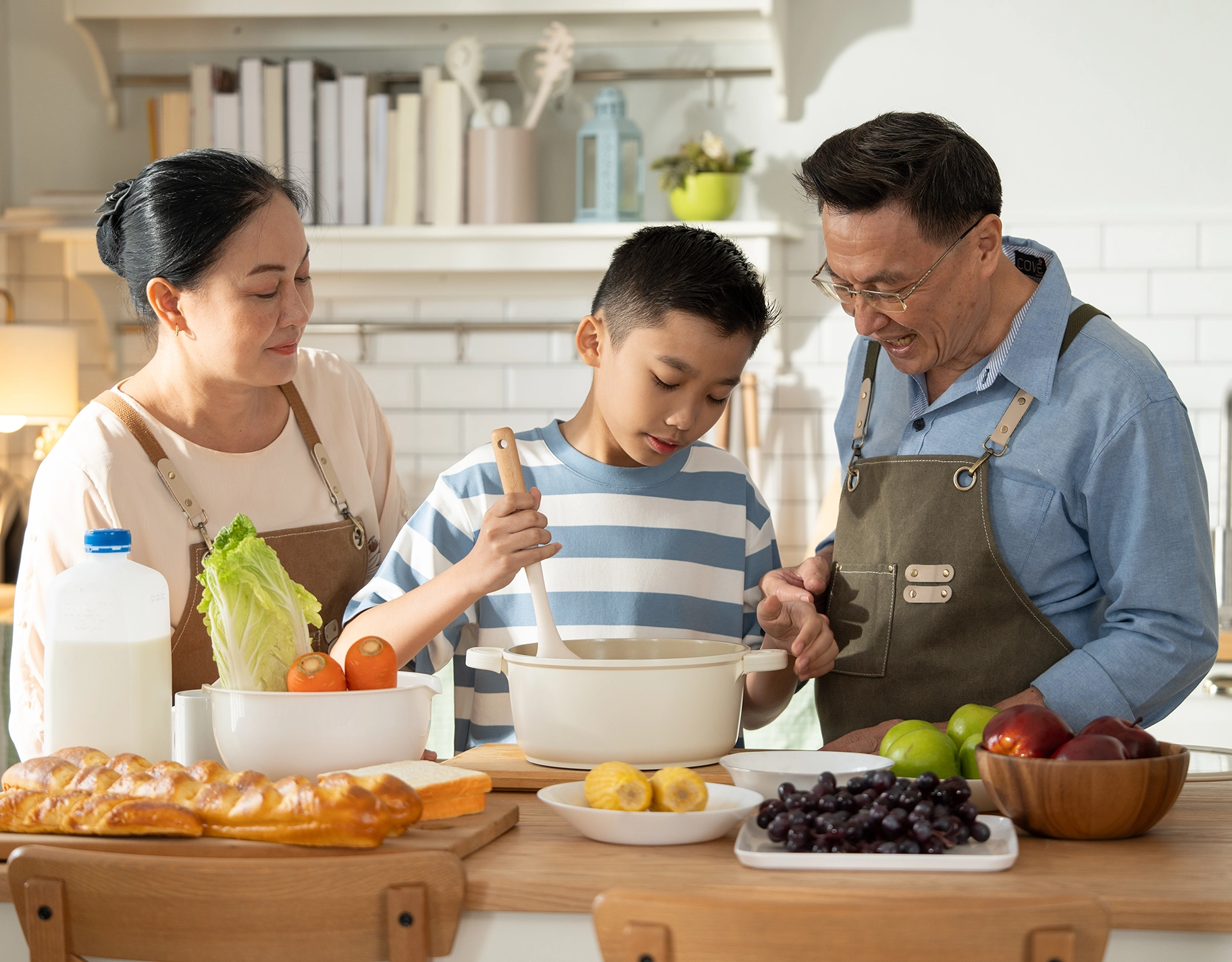
Another important part of Filipino Food Month is encouraging younger generations to learn about the country’s culinary heritage.
From traditional recipes to indigenous ingredients, the celebration emphasizes preserving these food traditions while also allowing them to evolve with modern tastes.
For parents today, that can look like simple moments at home:
- teaching kids how to cook a family recipe
- letting them help in the kitchen
- sharing stories about where dishes came from
Because one day, when our kids grow up and face the world on their own, they’ll find comfort in the recipes they’ve learned from us in their own living spaces.
Frequently Asked Questions
Filipino Food Month, or Buwan ng Kalutong Pilipino, is a nationwide celebration held every April to honor Filipino cuisine, culinary traditions, and local food heritage.
April was declared Filipino Food Month through Presidential Proclamation No. 469 in 2018 to promote Filipino dishes, support local food industries, and preserve culinary traditions.
The 2026 theme highlights the Philippines’ shared culinary connections with Southeast Asia, emphasizing how Filipino cuisine reflects regional influences and cultural exchanges.
Many families celebrate by cooking traditional dishes at home, exploring local food festivals, teaching children family recipes, and sharing meals with relatives.
Food plays a big role in Filipino family life. It brings relatives together, offers comfort during difficult times, and helps pass down traditions from one generation to the next.
More about Filipino food?
International Celebrities And Chefs Learning More About Filipino Food
10 Filipino Food Content Creators To Add To Your Scrolling List
Maria Isabel Cabel Moreno Go: Championing Mindanao’s Heritage