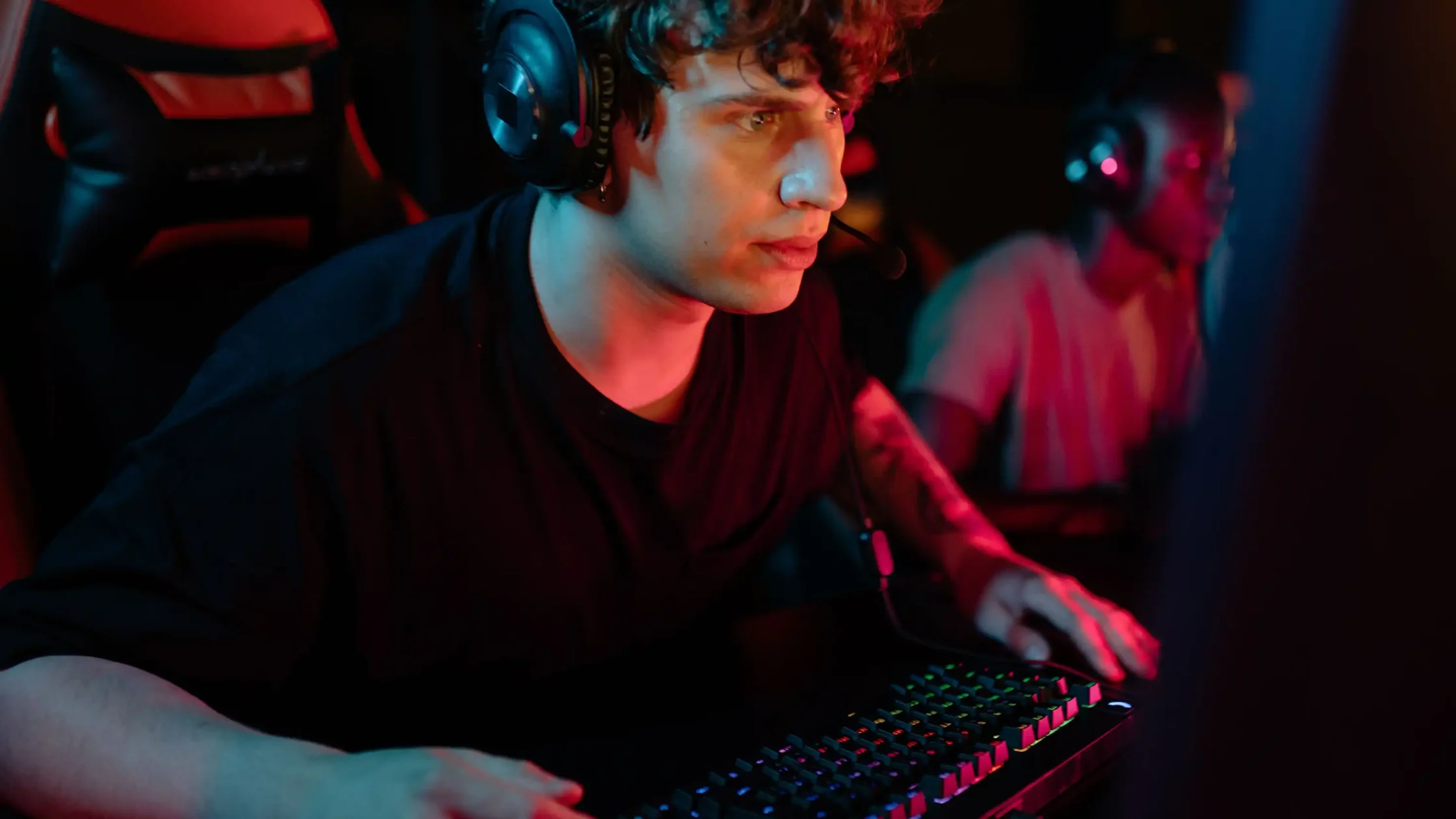
Help! What Do I Do If My Kid Is Spending Too Much Time Gaming?



Worried that your kids have gaming disorder? Experts say the key isn’t simply counting hours—it’s looking at whether gaming is affecting sleep, school, relationships, and everyday life.
Like anything, gaming can become destructive when it’s too much. Already dubbed as gaming disorder, most parents often panic the moment they see their kids glued to the screen and lose “eye contact.” They think that all that’s there is nonsense.
To a certain degree, they’re not wrong. But gaming is a complex culture built around communities, friendships, competition, creativity, and shared experiences. Its mechanics often shape the culture around it, from cooperative teamwork and competitive rankings to role-playing and storytelling. For parents unfamiliar with that world, it can be difficult to understand why a game can matter so much to a child.
And for some gamers, it has even become a career. Professional e-sports players and gaming creators can make a living from something they love, while YouTubers and streamers have made gaming look like a far more appealing path than spending decades behind a desk in a soul-sucking corporate job.
The concern, then, isn’t simply how much a child games—but what gaming is doing to their life.
When does gaming become a disorder?
According to pediatricianPediatricianA doctor who specializes in the health of babies, children, and teens. Regular visits for checkups, growth tracking, and vaccines give parents a trusted guide, and a good pediatrician listens and addiction medicine specialist Dr. Paul Lawrence Filomeno of Makati Medical Center, gaming disorder is more complicated than simply spending several hours playing.
As he explains, “Some children can game for five hours and still return to school, family life, hobbies, and responsibilities without significant problems. Others may play for only two hours but become so consumed by the game that their relationships or responsibilities suffer.”
This highlights an important point: it’s not just the duration, but the impact.
Parents can watch for three major red flags:
- Loss of control: They repeatedly play longer than intended and struggle to stop.
- Functional impairment: Gaming begins interfering with sleep, eating, hygiene, school, hobbies, or relationships.
- Difficulty stopping: They sacrifice important responsibilities or activities just to keep playing.
Importantly, gaming-related behavior should also be understood within the child’s broader environment. Family dynamics, school experiences, social pressure, bullyingBullyingRepeated, intentional harm toward another child through words, actions, exclusion, or online posts. Parents can help by listening without blame, documenting incidents, talking with the school, and reminding their child, and other factors can influence behavior. Blaming a game alone misses the bigger picture.
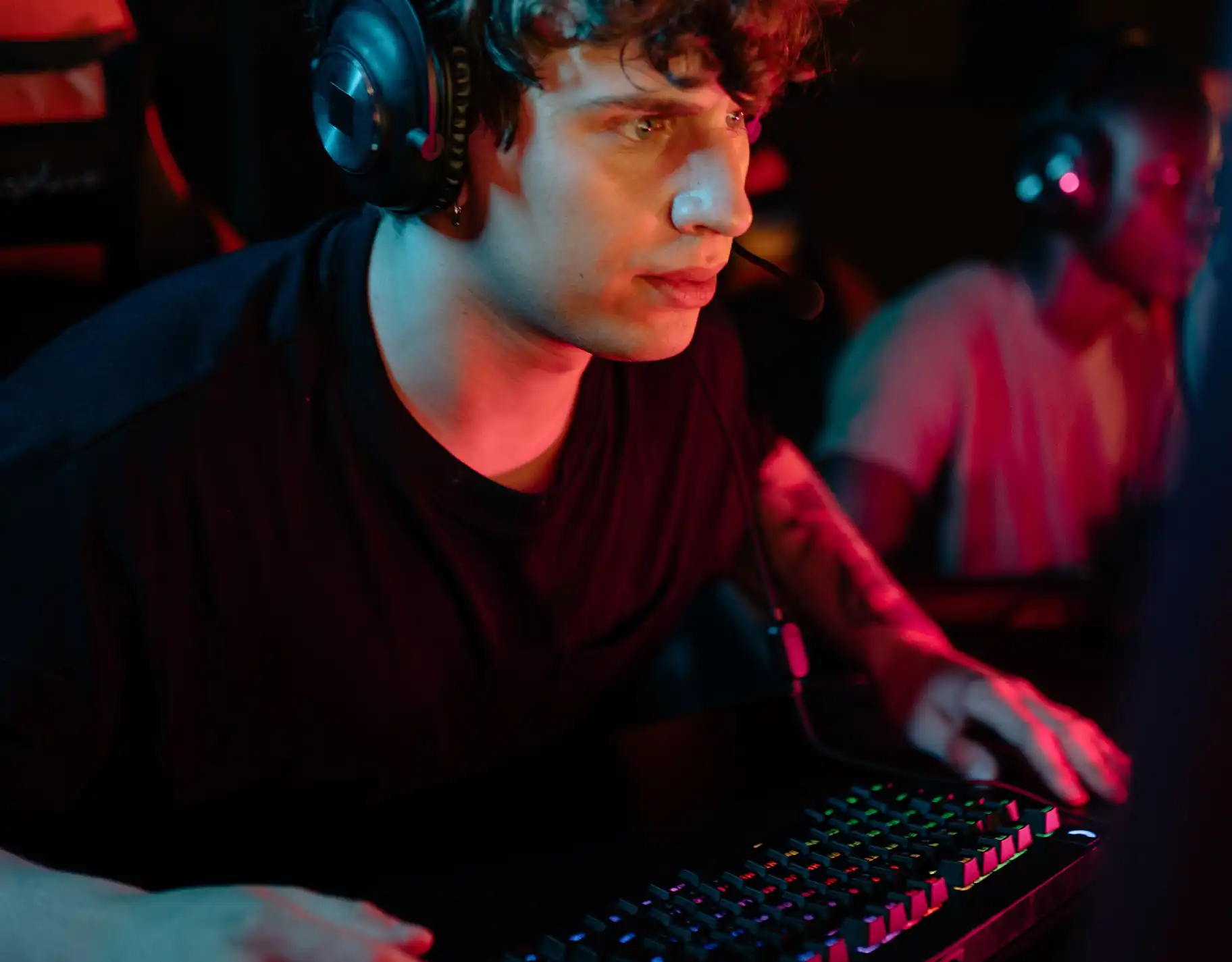
Building healthy habits for gaming
The good news? Parents don’t have to declare war on the console.
Dr. Filomeno recommends watching the six S’s: sleep, safety, self-regulation, school, social connection, and security. Is your child’s sleep suffering? Are they safe when interacting online? Can they regulate their emotions without automatically turning to a game? Are their grades, friendships, and family relationships still healthy?
Parents can also model the habits they want to see. If children are expected to put their gadgets down at bedtime, adults should be willing to do the same.
Most importantly, change doesn’t have to happen overnight. As the write-up puts it, “cutting gaming from eight hours to seven is still progress.” Healthy gaming isn’t about taking away something a child loves; it’s about making sure gaming remains part of their life—not their entire life.
Frequently Asked Questions
Gaming disorder occurs when gaming becomes difficult to control and begins significantly interfering with everyday life.
There isn’t one universal number. Parents should look at whether gaming is affecting sleep, school, relationships, hygiene, or other responsibilities.
Not necessarily. Experts describe violence as a complex, multisystemic issue influenced by factors beyond gaming alone.
Watch the six S’s: sleep, safety, self-regulation, school, social connection, and security.
Give them something that’s just as exciting beyond the screen. A lot of times, kids play video games because they feel unfulfilled by reality. Also, set realistic boundaries, model healthy screen habits, stay involved, and celebrate gradual progress rather than expecting an overnight transformation.
More about gaming?
A Parent’s Guide to Trash-Talking in Online Gaming
Online Gaming Safety Rules Filipino Kids Should Follow
Video Games & Parents: Why Games Should Never Replace Us