Not Ready for Big School Yet? Why Home-Based Learning Might Be the Right Fit



Beyond big school and homeschooling, a gentler path is opening up for preschoolers
Choosing a school is easily one of the biggest milestonesMilestonesSkills most children reach by certain ages, such as smiling, sitting, walking, speaking, and sharing. They serve as general guides rather than strict deadlines, and parents should talk to a in early parenthood—and it rarely feels simple.
For many families, traditional school feels like the natural, automatic choice. It’s familiar, it’s structured, and it’s the path most of us took growing up. Then came the shifts of recent years, which completely broadened our conversations around education. More parents began keeping their young children at home longer, drawn by the chance to stay closely connected to their daily growth—and in some cases, guided by gentle worries about social pressures like bullyingBullyingRepeated, intentional harm toward another child through words, actions, exclusion, or online posts. Parents can help by listening without blame, documenting incidents, talking with the school, and reminding their child.
Now, as parents look at the landscape of early childhood educationEarly Childhood EducationLearning programs for children from birth to about age eight that build language, thinking, and social skills through play. In the Philippines it includes daycare, preschool, and kindergarten, and strong, many are discovering a thoughtful middle path: home-based learning.
Big School, Homeschooling, or Something In Between?
When parents weigh how their child should learn, the choice usually comes down to traditional school or homeschoolingHomeschoolingEducating children at home with a parent-led or accredited program rather than in a traditional school. Families choose it for flexibility, personalized learning, or health reasons, and it needs a. For the early years, though, a different question may matter more: What will help my child feel ready for big school?
Traditional school offers a structured classroom where children learn alongside their peers. They get used to routines, group activities, teacher instructions, and the give-and-take of friendships. For many kids, that structure is a great fit.
HomeschoolingHomeschoolingEducating children at home with a parent-led or accredited program rather than in a traditional school. Families choose it for flexibility, personalized learning, or health reasons, and it needs a is a different experience altogether. Learning happens mostly at home, which gives families more flexibility and puts parents in a more hands-on role.
But what about families who want their little ones to build a strong foundation before big school, without taking on the full job of teacher? That’s where home-based learning comes in.
What Home-Based Learning Actually Looks Like
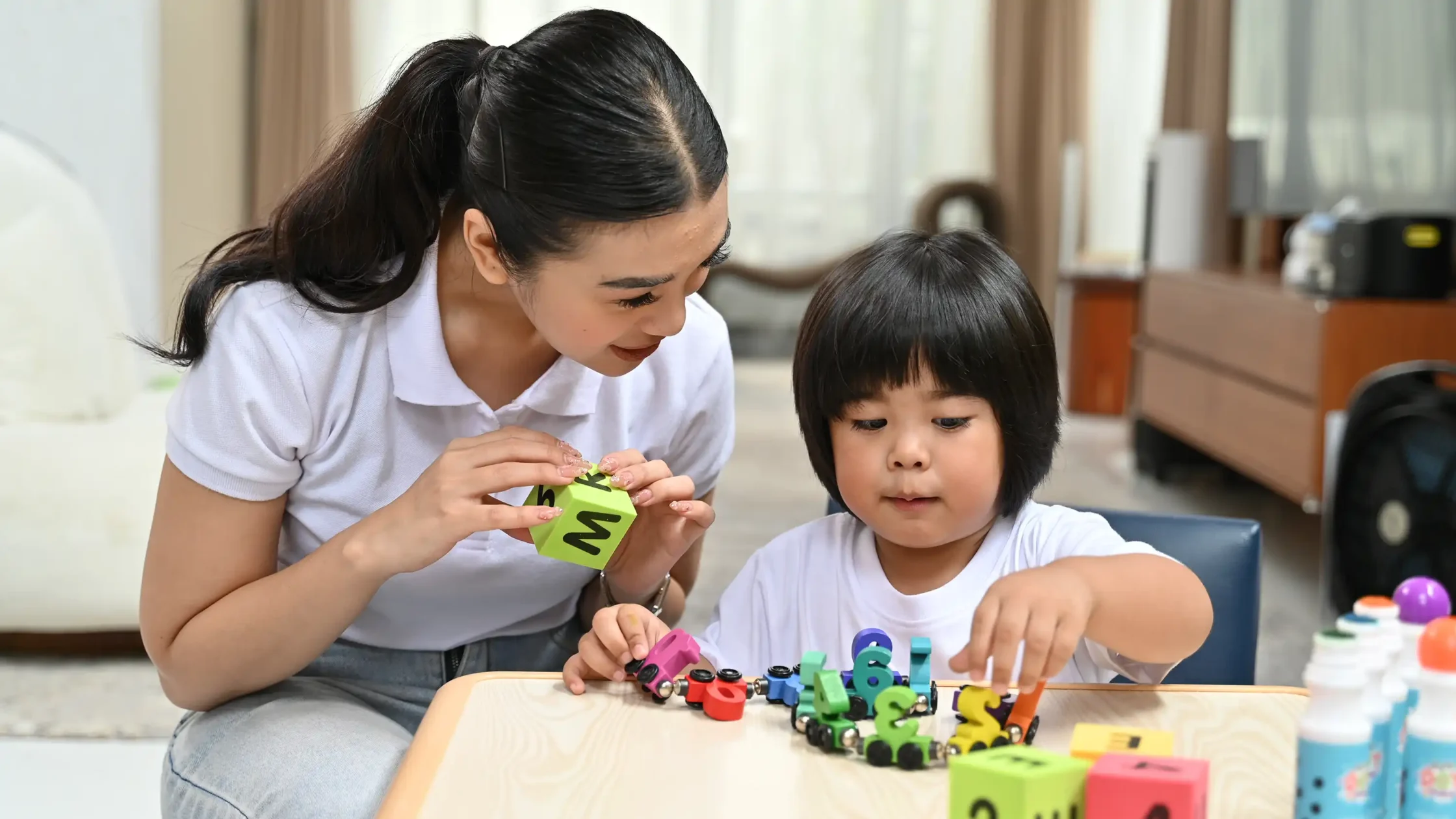
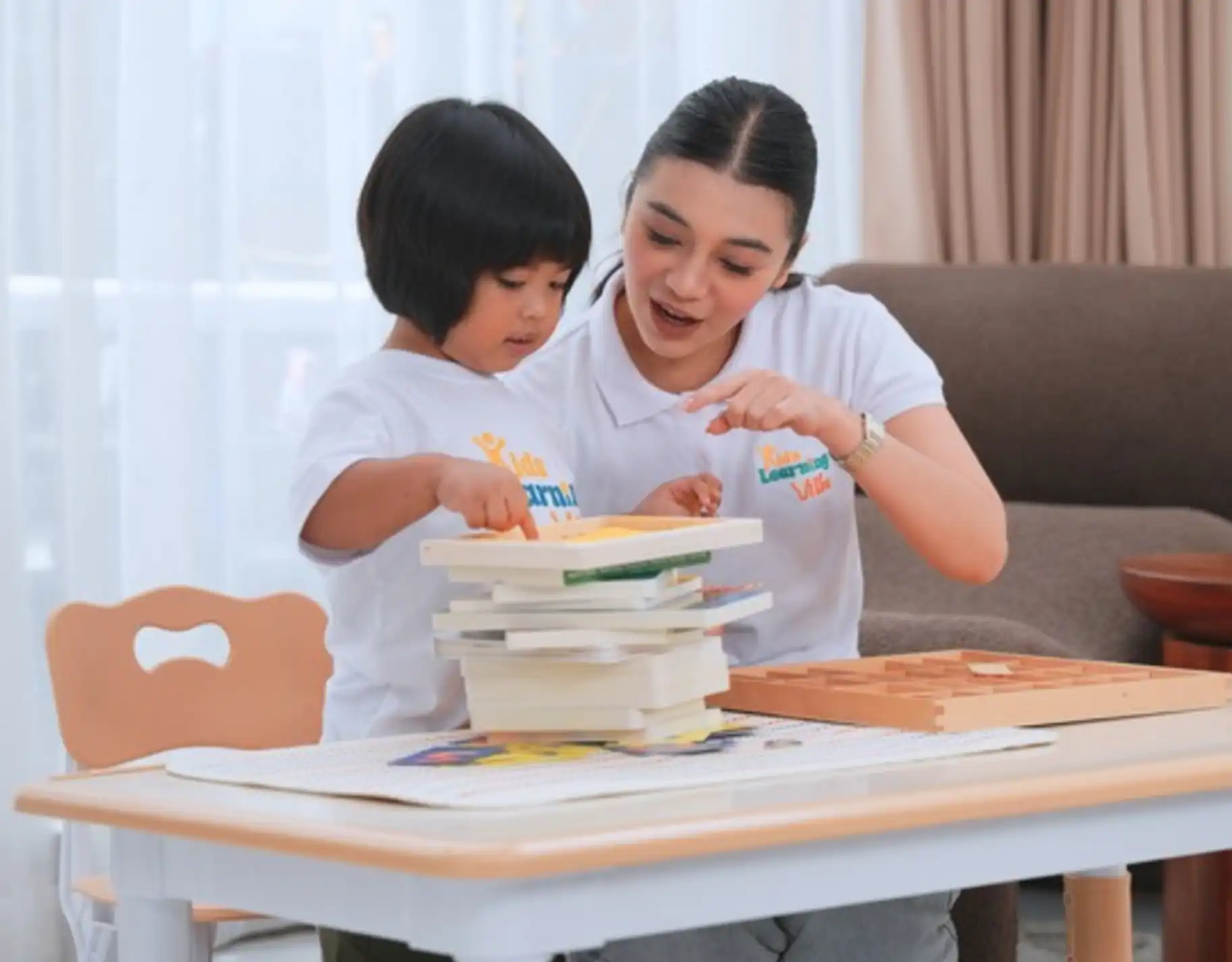
Home-based learning brings professional, educator-guided instruction directly into a child’s familiar home environment. Rather than expecting parents to design curricula or lead daily lessons, trained early childhood educators guide young learners through age-appropriate activities designed to build foundational confidence.
At this stage, school readiness extends far beyond memorizing ABCs and 123s. Early development relies heavily on key life and social skills, such as:
- Following multi-step instructions
- Expressing thoughts, feelings, and needs clearly
- Engaging comfortably in collaborative activities
- Transitioning smoothly between tasks
- Building personal independence and self-care habits
- Establishing a healthy relationship with learning routines
What makes this approach particularly gentle for young children is its adaptability. Learning can be tailored to match where a child is right now—their developmental stage, innate interests, unique strengths, and the specific areas where they might need extra encouragement.
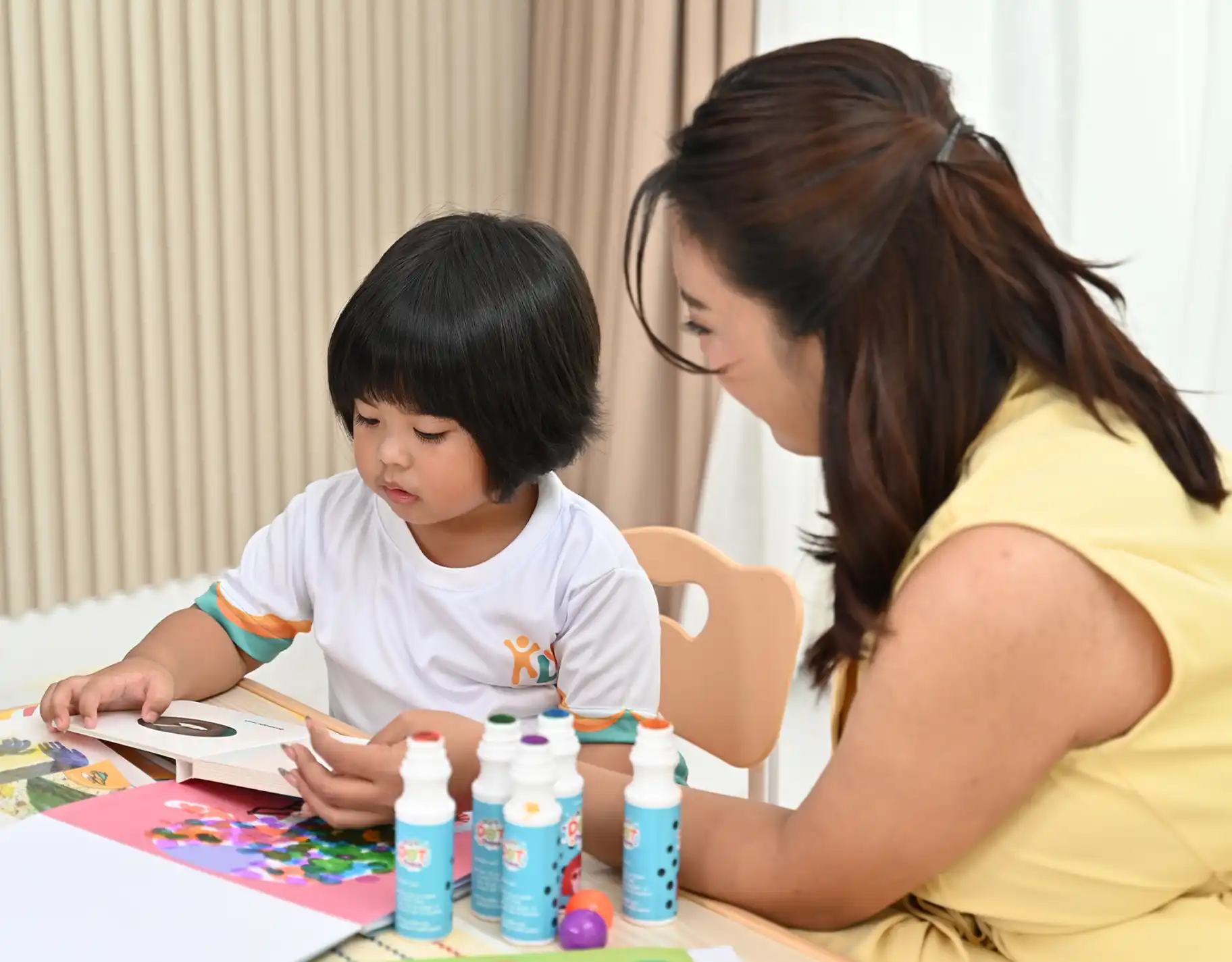
One child might practice active listening through a tactile art project. Another might build fine-motor control through sensory play. A third might gain the confidence to speak up by sharing stories and moving through structured games.
It’s Not an Either/Or Choice
For parents comparing alternative learning models with traditional schooling, it helps to remember that education doesn’t have to be an all-or-nothing decision for your child’s entire academic career. It can simply be about honoring what your child needs in this present season.
For a toddler or preschooler who is still building core confidence and independenceIndependenceA child's growing ability to do things alone, from dressing and eating to making choices and solving problems. Parents encourage it by assigning age-appropriate tasks, allowing safe mistakes, and praising, home-based learning offers a warm, guided bridge toward the classroom. It provides young learners with dedicated educator support in a safe space—building the academic, practical, and social roots they will eventually carry into big school.
Ultimately, being ready for big school isn’t just about what a child knows. It’s about helping them feel ready to step out, explore, speak up, and learn with confidence.
Frequently Asked Questions
In traditional homeschooling, the parent takes on the role of primary teacher, selecting curriculum and leading daily lessons. In home-based learning, a professional educator or specialized program delivers the instruction inside the home, allowing parents to stay involved without having to handle lesson planning or teaching.
Home-based learning is typically used as an early childhood development bridge to help young children build foundational skills before transitioning into formal classroom settings (“big school”). However, families can adapt the approach based on their child’s specific developmental timeline.
It focuses on foundational skills needed for classroom success, such as following instructions, expressing needs, developing fine-motor skills, managing transitions, and establishing comfortable learning routines.
More on school life
Traditional vs. Progressive Schools: Which is Best for Your Child?
When Should I Send My Kid To School?
Kids Melting Down After School? It’s Called After-School Restraint Collapse