Horizontal Parenting: A Less Energy Consuming Approach for Parents



A passive form of parenting that gets the job done, here’s what we know about Horizontal Parenting
As 2026 demands less noise, more Filipino parents are looking for more passive ways to parent. Modern parents, welcome to the idea of horizontal parenting!
Filipinos are no strangers to the high-energy demands of everything they do. Whether it’s cooking a meal for the whole family, caring for their aged parents, battling through the commute, or parenting while handling remote work deliverables, all these are so energy-consuming that we do everything else on autopilot.
And raising kids is not something we can do on autopilot, especially if they have particular needs.
We’ve seen it on the reels. At first sight, horizontal parenting may look like we’re not doing anything. But the truth is, it’s not about the energy expended. It’s all about managing the energy without always overexerting ourselves.
What Is Horizontal Parenting?
Horizontal parenting may look like “lazy” parenting, but only because there’s pressure to always entertain the kids. The problem is, the more we do that, the more kids will expect things to be decided for them. They won’t try to figure things out when they’re bored or the like.
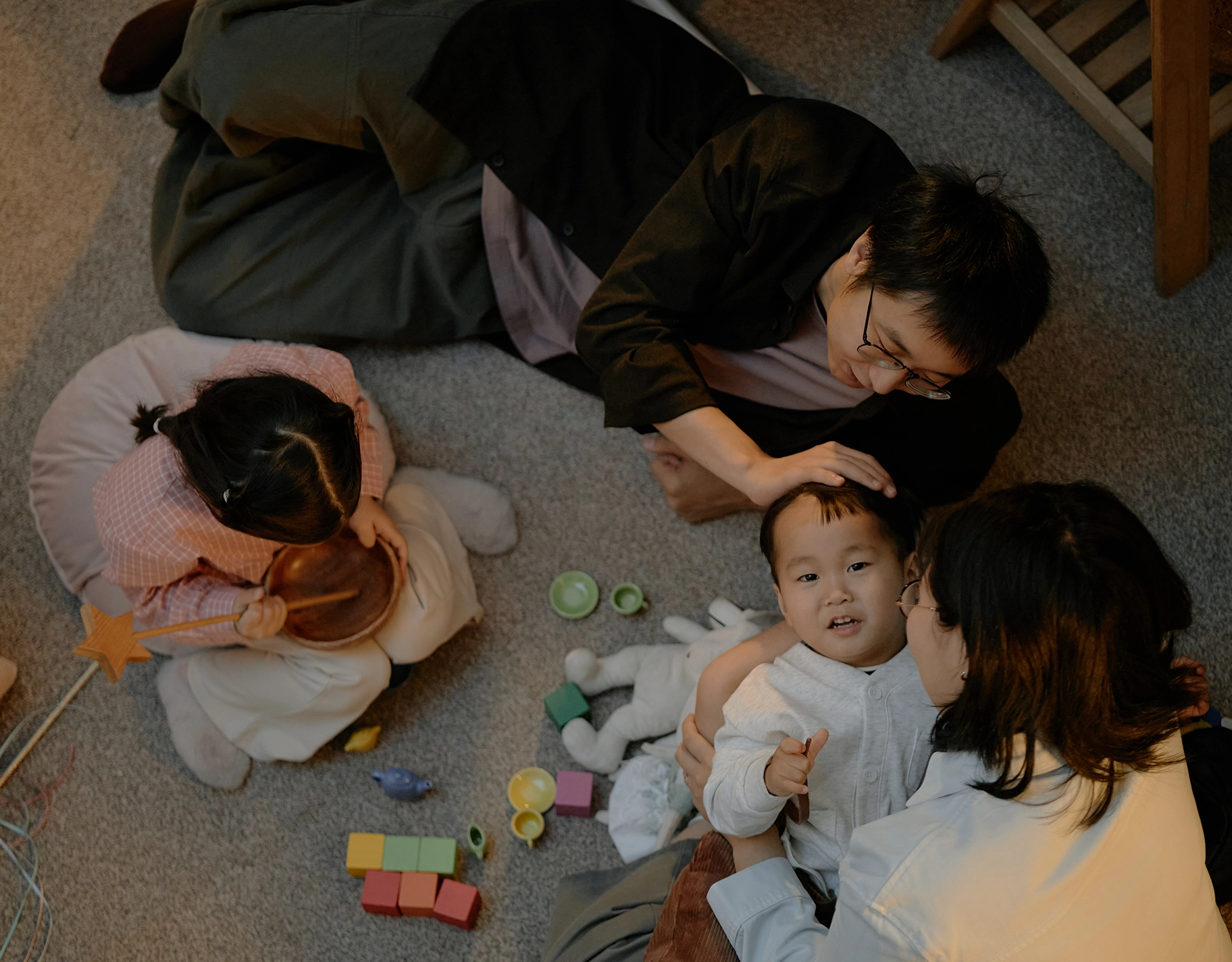
Instead of constant interaction, horizontal parenting can look like:
- Turning ourselves into a tic-tac-toe board for our kids while lying on the bed.
- Being their “Barbie doll” for hairstyles and nail polish.
- Being the spotter in case the boys want to play the “Floor is Lava.”
- Having them play “basketball” with the dirty laundry.
The best part is, we’re still there, but we’re not burning everything we had for breakfast and lunch just to keep up with them.
Why Horizontal Parenting Makes Sense in the Filipino Context
1. Filipino Parents Are Often Overextended
Between work, extended family obligations, school commitments, and household responsibilities, many Filipino parents — especially mothers — operate in a state of chronic fatigue.
In areas like Manila and Quezon City, long commutes alone can drain hours of daily energy. In provincial settings, parents may juggle small businesses, farming, or caregiving for elders.
Horizontal parenting acknowledges this reality without shame.
2. Multigenerational Homes Can Benefit
In many Filipino households, lola, lolo, titas, and titos share living spaces. While this support system is beautiful, it can also create pressure to “look productive.”
Choosing to lie down and read stories or having quiet conversations with your child may feel unfamiliar—but it models something powerful: stopping to think is the best way to deal with crazy.
3. It Supports Mental Health in a High-Expectation Culture
Filipino culture values resilience and sacrifice. But modern parenting conversations increasingly recognize the cost of constant self-denial.
When parents are calmer:
- We can manage things better.
- Fewer things feel irritating.
- Kids aren’t always bouncing off the walls.
- Our minds worry less and think more rationally.
Horizontal parenting can help break cycles of stress-based responses.
Benefits for Filipino Families
1. Reduces Parental Burnout
Burnout is real, especially for OFW spouses managing households alone or dual-income families navigating long work hours.
2. Models Healthy Boundaries
Children learn that not every activity has to be high energy and loud. Some can be found in more pensive activities.
3. Encourages Independent Play
Filipino children are naturally imaginative. A resting parent often sparks more creative solo play.
4. Supports Emotional Regulation
Less stress equals fewer explosive reactions.
5. Strengthens Secure Attachment
Simple eye contact and attentive listening build trust — no elaborate activities required.
Common Concerns in Filipino Households
“What will others think if I’m just lying down?“
Cultural expectations can be strong. But rest is not neglect. It is sustainability.
“Is this tamad parenting?“
No, it’s called proper energy management: parenting edition.
“Will my child think I’m unavailable?“
Honestly, not really. Kids are not so demanding that they expect high energy all the time. Sometimes, seeing you is enough for them.
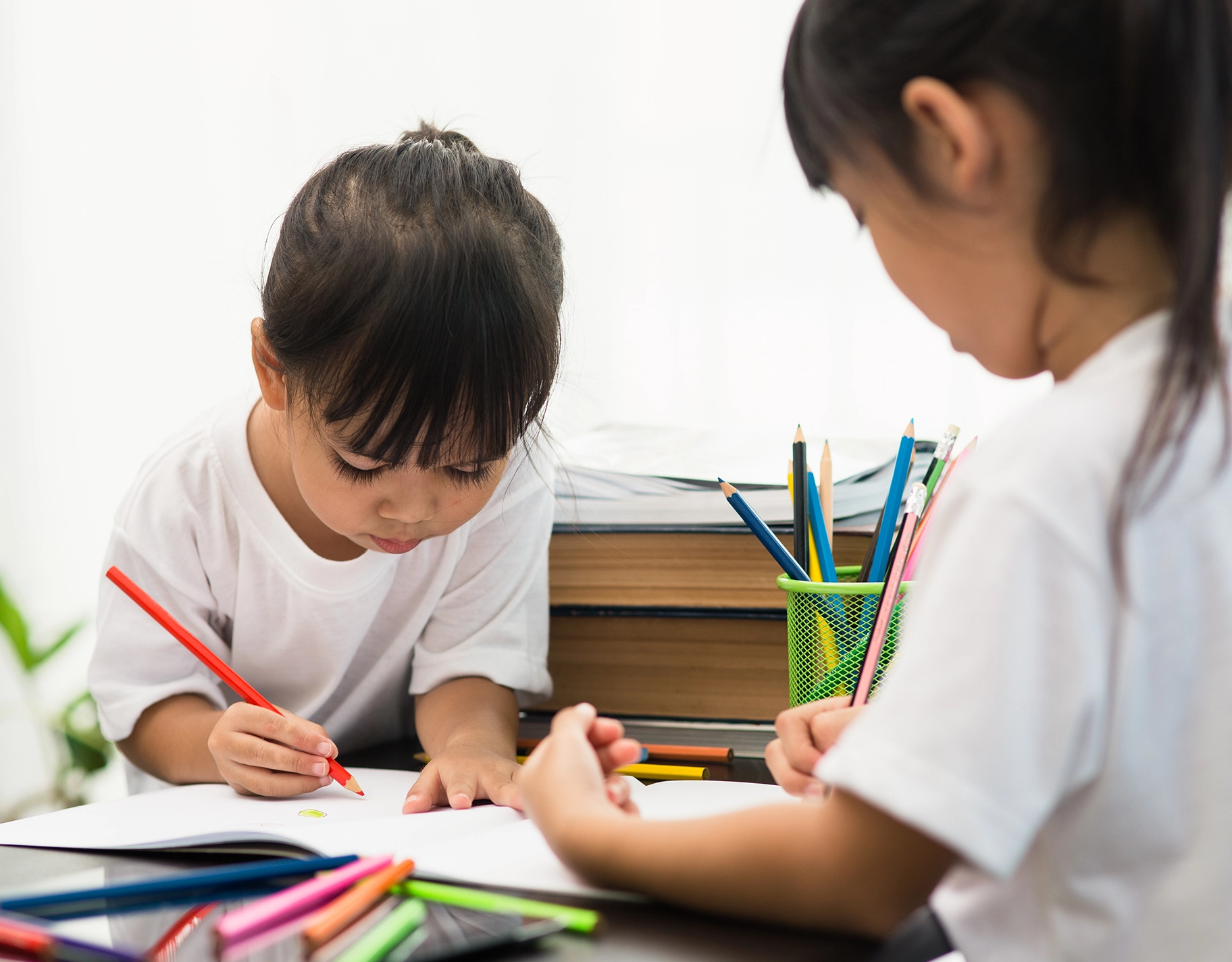
How to Practice Horizontal Parenting in the Philippines
- Choose a daily 15–30 minute rest-and-connect window.
- Keep books, coloring materials, or toys nearby.
- Be emotionally responsive even while resting.
- Release the guilt of constant productivity.
- Balance it with outdoor and active play when energy allows.
Endless energy shouldn’t be a requirement to be a good Filipino parent.
A Passive Kind of Parenting
Tablets already give them more dopamine than they need. Being just as hyper is like adding more wood to the fire. Passive parenting in terms of play, by just letting them “use” us as a board or modelling thing for their imaginative play, can help them calm down. It also teaches them how to sit down and not rely on the tablets too much.
Besides, this kind of parenting allows us to recharge while being with the kids. That way, we don’t get a headache from trying to bounce everything around at once.
Frequently Asked Questions
Horizontal parenting in the Philippines means engaging with your child while lying down or reclining, focusing on emotional connection rather than physical activity.
Yes. It supports multigenerational living by modeling rest and emotional availability, which benefits the entire household.
No. Children can still enjoy outdoor games, school activities, and family gatherings. Horizontal parenting simply balances energy indoors.
Very much so. It allows busy parents to connect meaningfully even after long workdays or commutes.
Explain it as making sure they don’t turn the house into a warzone. If they hate the noise from kids screaming and the like, then they’ll enjoy horizontal parenting.
More about parenting styles?
What’s the Difference Between Gentle Parenting and Permissive Parenting?
The 4 Parenting Styles Explained and Made Easy
Growing Up With Strict Parents