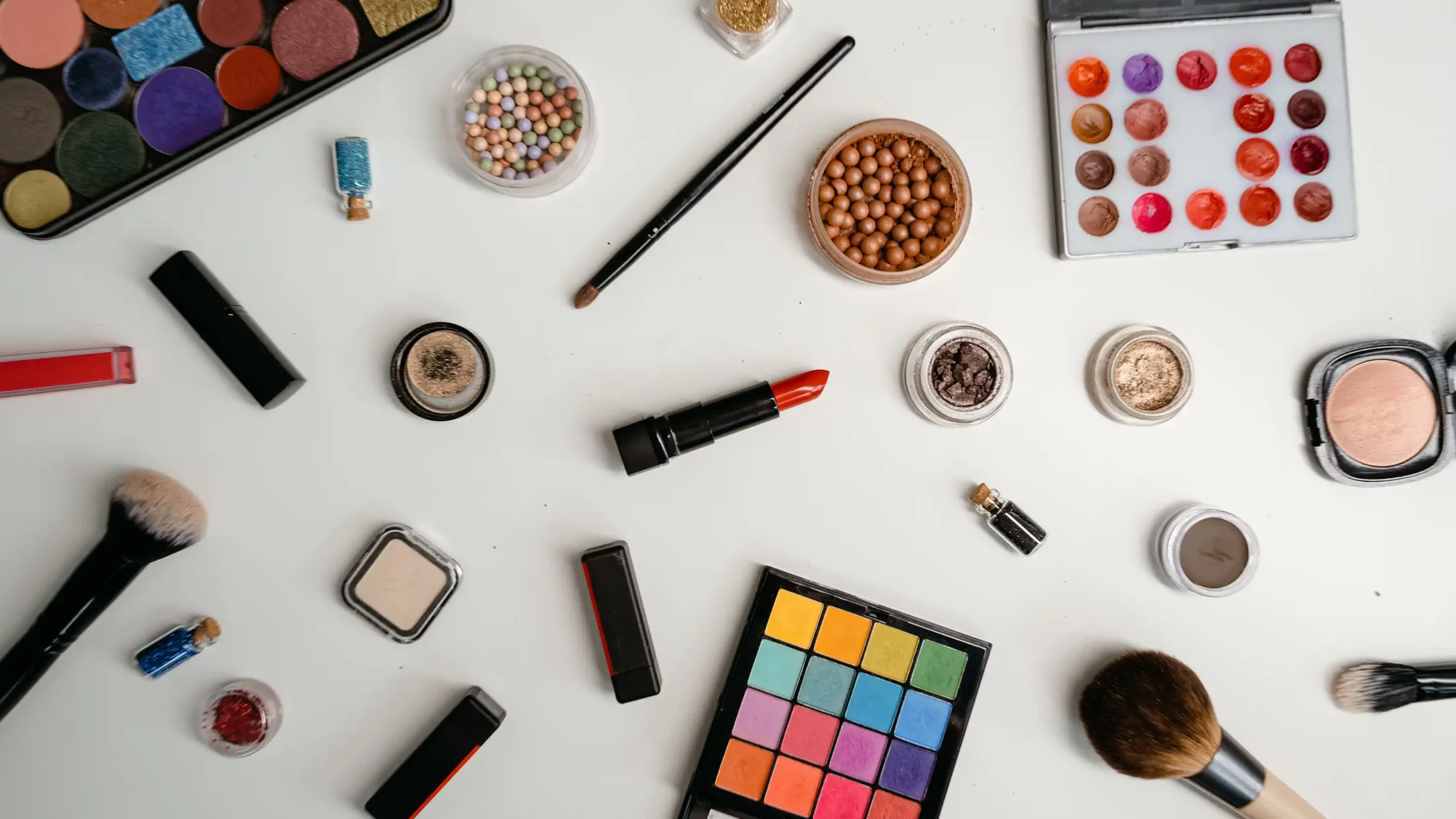
How Can You Transform Your Halloween Makeup?



Learning from a working theater artist beats pausing another tutorial
Spooky season is upon us and it means costume parties, themed gatherings, and a stack of invites. Halloween isn’t just about dressing up – it’s an opportunity to get creative with make-up.
The right makeup can pull an outfit together and help you become the character, whether spooky, glamorous, or fantastical.
But recreating an online look is easier said than done. The tutorial seems effortless, and your attempt comes out a bootleg version of the original. The problem usually isn’t the products. Its technique: color, contrast, texture, facial structure, and how makeup works with a full look.
The best fix is to learn from someone who treats makeup as visual storytelling, not just beauty.
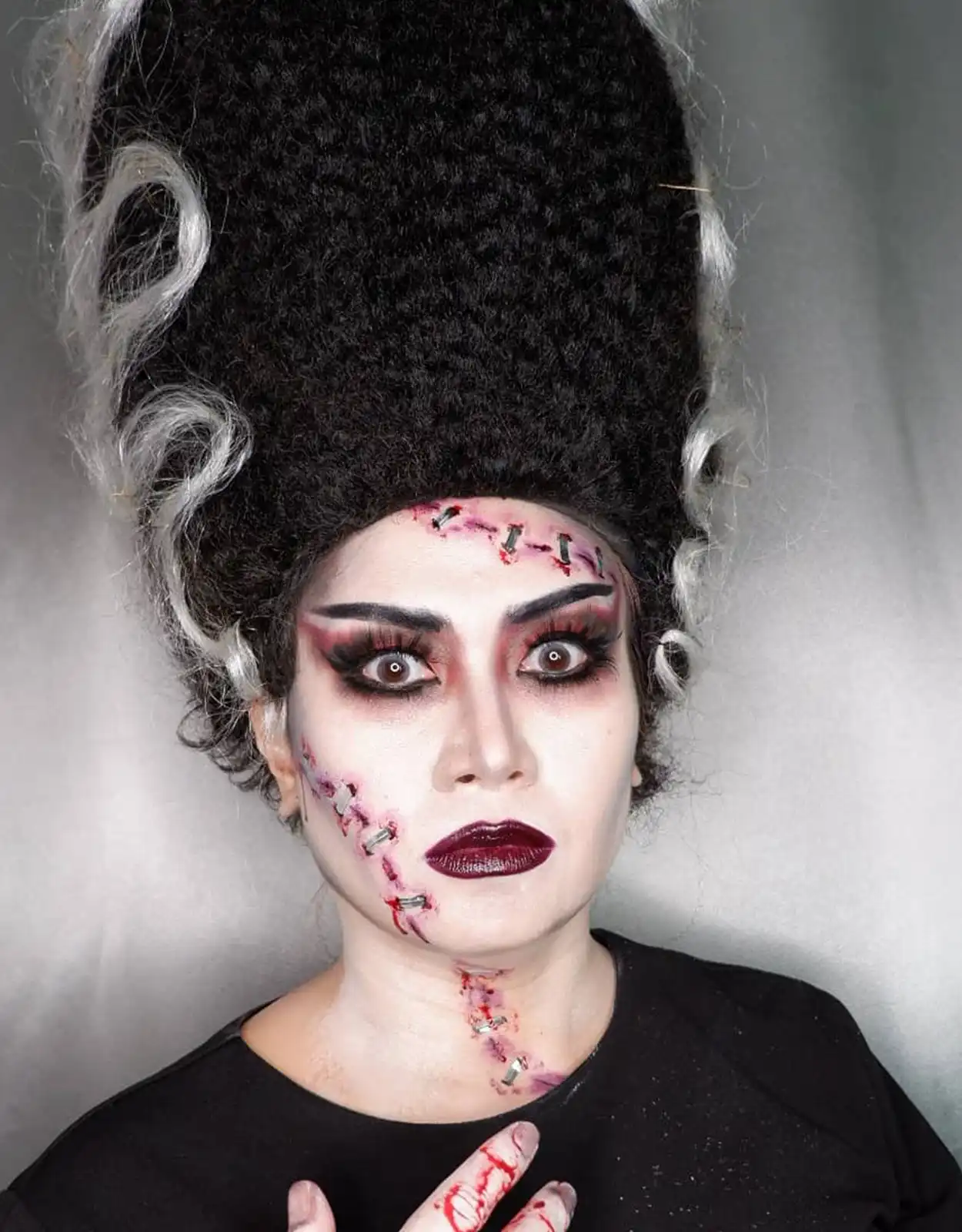
Here, it’s the wig and the stitches. The Bride of Frankenstein by Myrene Santos
Makeup Is More Than a Finishing Touch
Makeup sets the mood of an outfit and steers attention to particular features. A strong lip can polish a simple look, while eyeliner, contour, and color can turn a familiar face into a recognizable character.
Research suggests it shapes perception, too. A 2021 study in Frontiers in Psychology found that faces with makeup were rated as more attractive and competent than bare ones, though ratings varied with the amount and style. A 2022 study in PLOS ONE found that participants rated faces with self-applied makeup as more attractive than the same faces without it. Both focused largely on women, so neither should be read as a universal rule.
Still, the takeaway holds for anyone heading to a party: makeup can highlight features, signal personality, and help you feel prepared. That applies to men as well as women. Theater, film, fashion, and drag have long used makeup, across genders, to create age, texture, fantasy, and character. For Halloween, it can be as subtle as complexion correction and defined brows or as bold as face paint, prosthetics, and an altered palette.
The goal isn’t to look “better” by one beauty standard. It’s to make the look feel intentional.
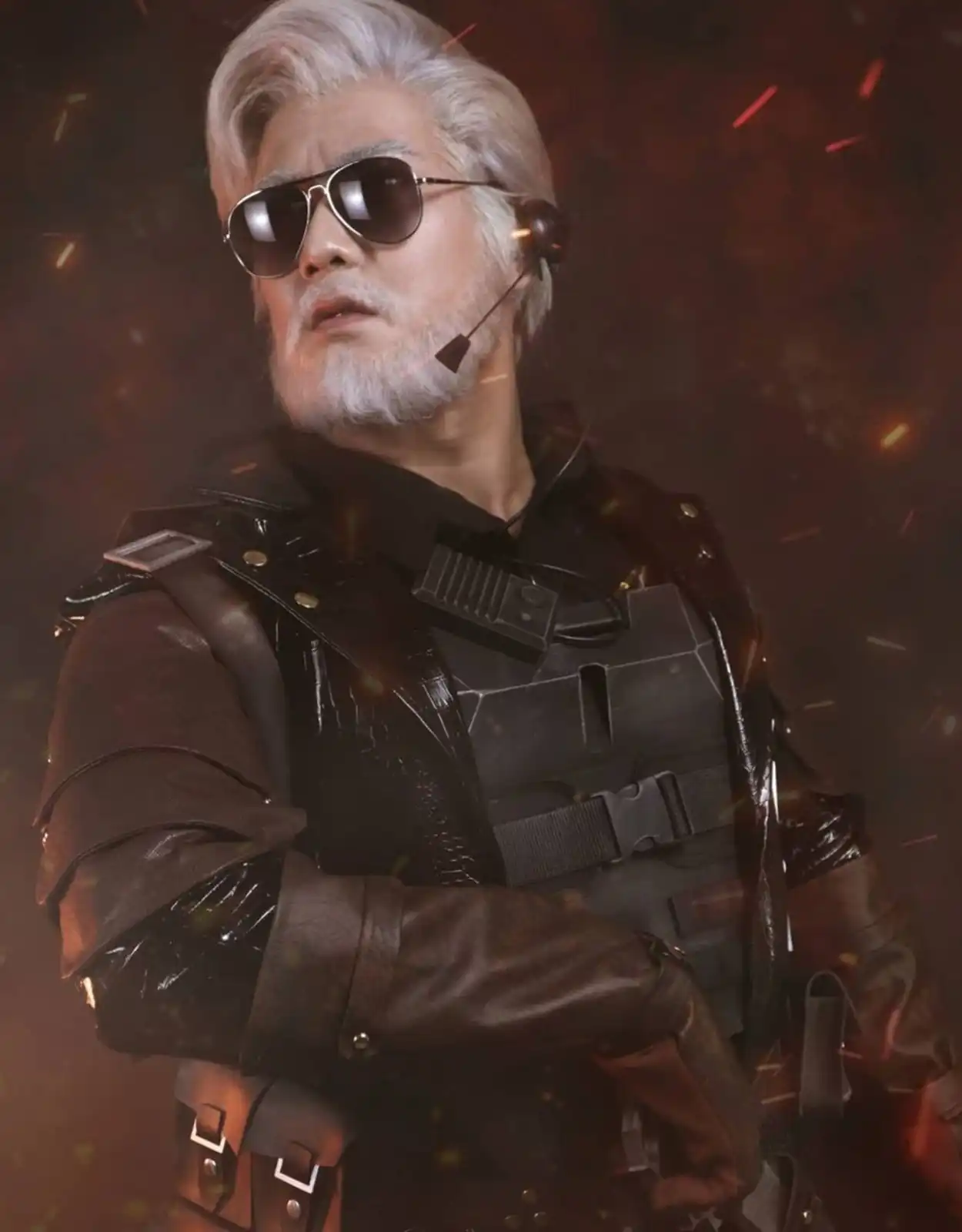
From Online Inspiration to Your Own Look
When a recreation fails, the reference image may be the culprit. It might have been shot under different lighting, with professional tools, with editing, or with a technique too subtle to catch in a short video.
A more realistic approach is to break the look into parts:
- Identify the defining features. Is the character recognized by skin color, dramatic brows, a sharp lip, or a particular texture?
- Match the setting. A stage look needs stronger color and definition than one meant for a house party or a phone camera.
- Build gradually. Start with the base and major shapes, then add detail.
- Test in the right light. Daylight, warm indoor bulbs, and flash all change how colors and lines read.
- Leave time to correct. Makeup is more fun when you have room to remove, soften, or redo a section.
The same order works if you’re painting a child’s face for a school event. The extra time helps even more when your model won’t sit still.
This is where theatrical makeup offers useful lessons. Stage makeup is not simply “more makeup.” It is a deliberate system for helping an audience read a character from a distance. Artists consider the performer’s features, the costume, the lighting, and the demands of the production.
Learning Transformation From the Stage
That craft is the focus of a workshop led by international theater makeup artist Myrene Santos on Oct. 25 at Opera Haus in Makati. Presented by Stagedoor by GMG Productions in partnership with Santos, the session starts with the signature green look of Elphaba in Wicked. Participants will explore how makeup creates defining features, establishes a character, and translates onstage.
Santos is a wig maker, wig dresser, and hair and makeup artist whose credits include Hamilton, The Lion King, Wicked, The Phantom of the Opera, Les Misérables, and The Sound of Music. Her work spans preparing performers for a production and building the visual details audiences remember.
There are two ways to join. Hands-on attendees recreate the green witch look with step-by-step guidance. Observers watch the demonstration, follow the techniques, and join the question-and-answer session.
Hands-on participants should bring their own makeup, brushes, tools, preferred remover, and drinking water. A recommended materials list comes with registration. An optional kit, sold separately, includes water-based green face paint, fixing spray, a basic eyeshadow palette, a sponge, and a small brush set.
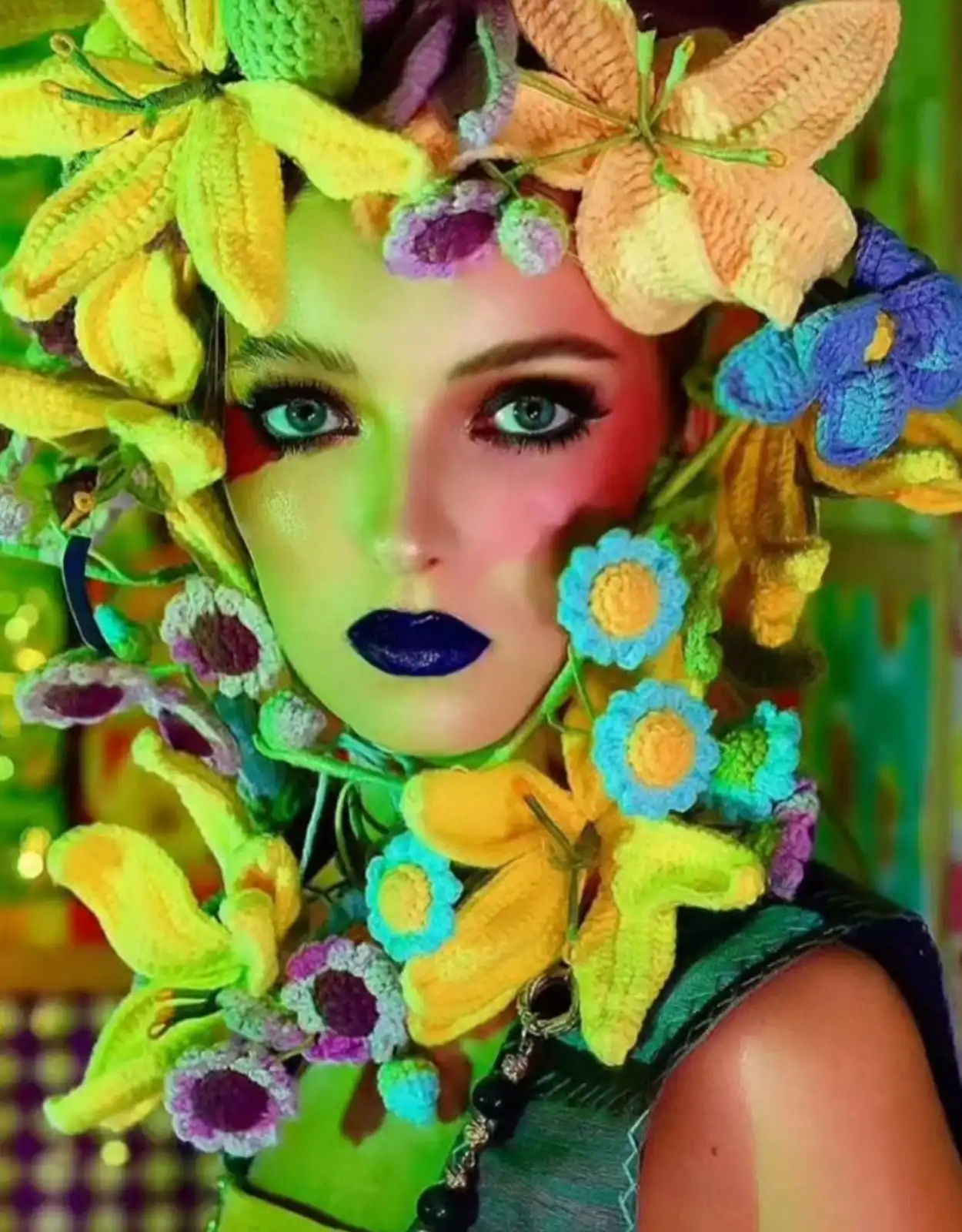
Pick one unexpected color story and commit.
Make the Look Your Own
Great costume makeup doesn’t have to be a perfect copy. It should work with your features, costume, comfort level, and setting. That could mean a full transformation, or a wearable take: green accents instead of a green face, smoky eyes inspired by a villain, or graphic details on an otherwise simple outfit.
The emotional side matters too. The 2022 PLOS ONE study linked makeup use to how participants judged their appearance and social presentation, while stressing that the relationship among cosmetics, body image, and self-esteem is complex. Makeup may help someone feel confident or expressive, but it should stay a creative choice, not a requirement for looking acceptable.
That may be the best lesson from the stage: transformation starts with intention. Once you know what makes a character visually distinctive, you can adapt the idea instead of chasing an impossible replica.
For those interested in the workshop, early-bird hands-on tickets are ₱2,000, regular hands-on tickets are ₱2,500, and observer tickets are ₱500. Ticket are now available through the event’s registration page.
Frequently Asked Questions
The reference may have been filmed under different lighting, with professional tools or editing, or with a technique that’s hard to see in a short video. Breaking the look into parts and testing it in your own lighting gets you closer.
Name the defining features first, such as skin color or sharp brows. Match the intensity to the setting, build the base and major shapes, add detail last, and leave time to fix any section
Stage makeup helps an audience read a character from a distance. Artists adjust color and definition for the performer’s features, the costume, and the lighting.
You may also like
Spooky ‘n’ Beyond: Cute Halloween Decoration Worth Investing In
Halloween 2025: Family-Friendly Spooktaculars Across the Philippines
How To Hold A Fun Halloween Party At Home