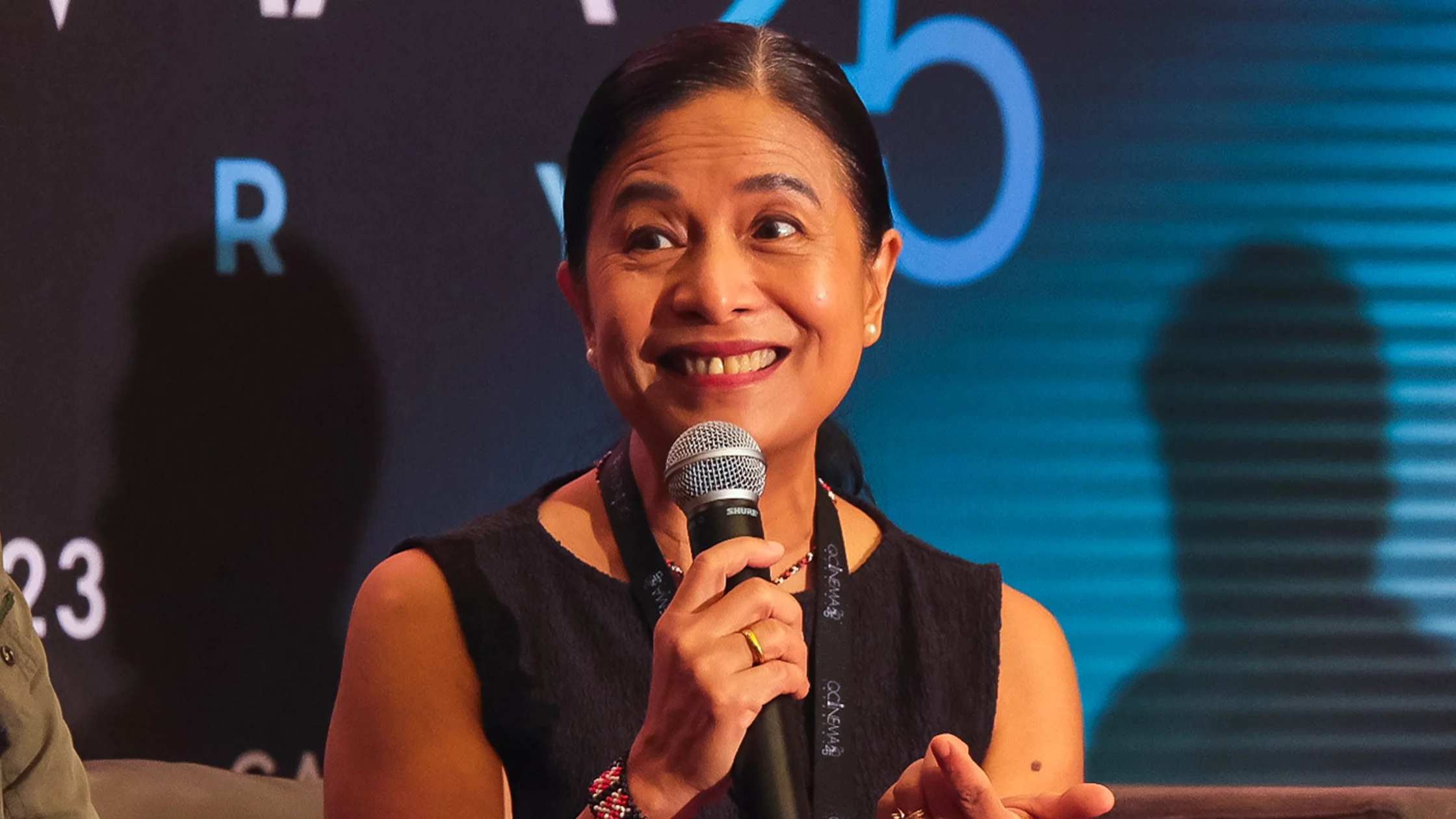
Beyond the Headlines: How Documentaries Help Filipino Families See the Bigger Picture



Award-winning documentarist Ditsi Carolino shares why telling children’s and families’ stories remains vital—and why watching together can be an act of care
In a world shaped by a relentless 24-hour news cycle, stories are often compressed into three to five minutes—just enough to inform, rarely enough to truly understand. But some stories, especially those that touch family, childhood, and survival, need more time to breathe. This is where documentaries matter.
For Filipino families navigating a complex world filled with noise, misinformation, and uncertainty, documentaries offer something rare: space for empathy, context, and truth.
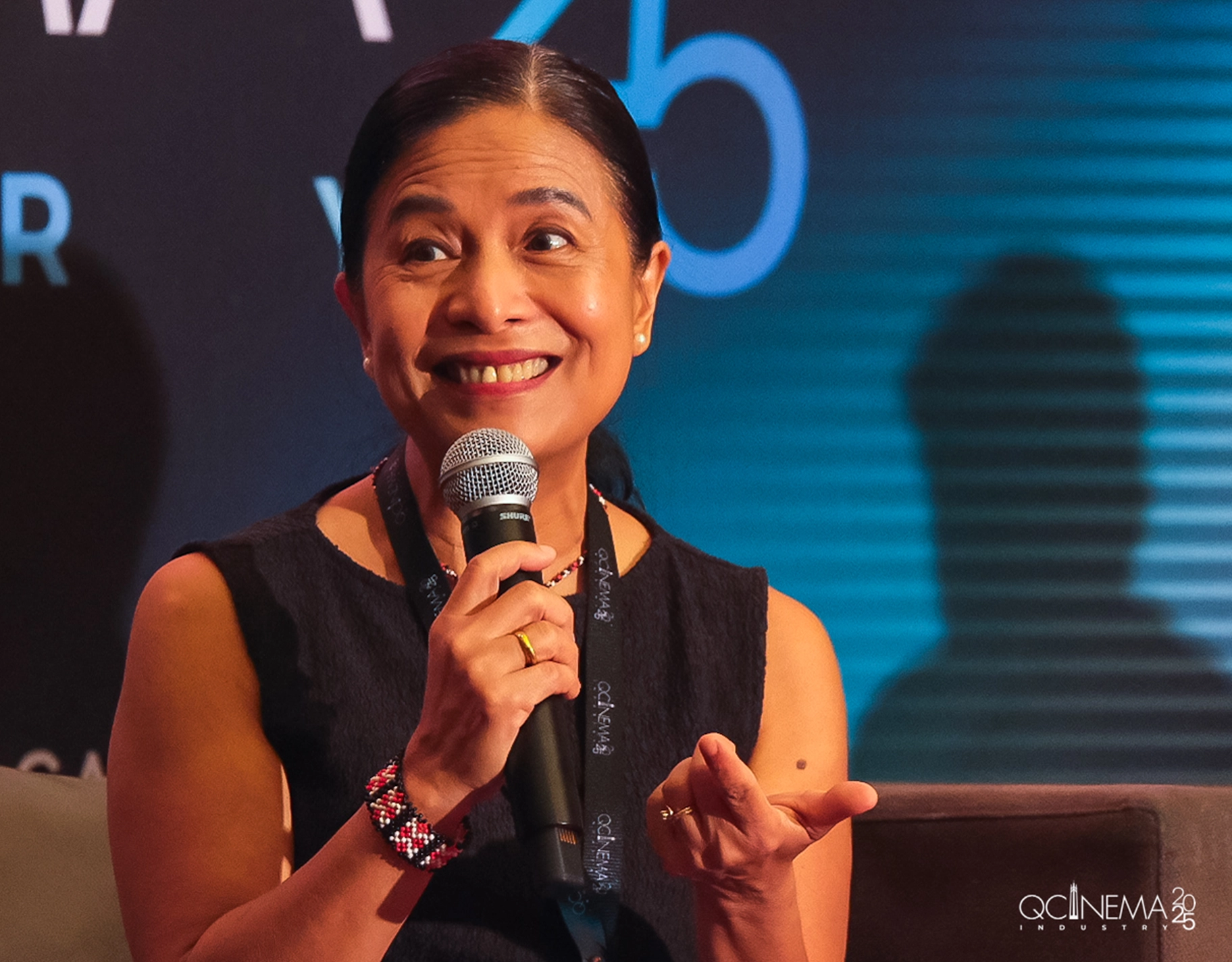
Few understand this better than Ditsi Carolino, the woman behind acclaimed documentaries such as Bunso, Riles, and Minsan Lang Sila Bata. For decades, her work has pulled back the curtain on lives we often see but rarely pause to ask about—children working instead of studying, families living beside train tracks, or farmers fighting for land that has sustained generations.
Stories That Linger, Stories That Matter
Documentaries, at their best, don’t just tell us what happened. They sit with us long after the screen fades to black.
Through Ditsi’s lens, viewers are invited into the everyday realities of Filipino families—from sugar farmers in Negros to parents raising children in impossible conditions near the railway. These are not sensational stories. They are human ones.
And for parents and families watching, they offer a mirror—sometimes uncomfortable, often eye-opening—of how deeply interconnected our lives truly are.
A Calling Rooted in Purpose
For Ditsi, documentary filmmaking is more than a career. It is a vocation.
“Knowing the power of images to tell a story that tries to address injustice and social inequality, and to give a voice to people who are not normally heard—that gives you so much fulfillment,” she tells Modern Parenting. “It feels like a mission. And it’s creative work.”
She speaks of using the talents and resources entrusted to her—faith, skill, storytelling—to create something that might, in its own quiet way, make a difference.
Why Children’s Stories Pull Us In
Though Ditsi does not have children of her own, many of her most impactful works center on childhood.
“I am very drawn to stories of people who are oppressed, abused, or suffering—especially those who need help in getting their stories out,” she explains. “Para ma-expose siya. So others become aware.”
She adds that many women filmmakers share a particular tenderness for children.
“You can’t bear to see adults suffering—what more kids?”
This sensitivity is evident in Minsan Lang Sila Bata, which confronts the reality of child labor, and in Riles, which follows a couple raising five children beside the tracks, where danger and daily life exist side by side. These are heavy stories—but they are also familiar ones for many Filipino families.
And that familiarity is exactly why they matter.
Watching as an Act of Care
In an age of rampant disinformation, documentaries serve as a grounding force. They remind us to slow down, to listen, and to question. For families raising children in this environment, that act of critical watching becomes a form of care.
Ditsi admits there are moments when she wonders if change will come within her lifetime.
“Sometimes I ask myself, will I still live to see a better Philippines?” she says candidly.
But her hope rests in the next generation.
“This fight is intergenerational,” she explains. “If you don’t have second liners—new storytellers, millennials, Gen Z—who will continue where you left off, then what happens?”
She acknowledges that her style of storytelling may not always resonate with younger audiences. But if the values remain the same—social justice, empathy, truth—then hope remains strong.
Passing the Stories On
For Filipino families, documentaries are more than films to watch on a weekend. They are conversation starters. Teaching tools. Bridges between generations.
They invite parents to explain the world more honestly to their children—and remind children that their voices, too, matter.
And perhaps that is the power of documentary storytelling: it doesn’t just inform. It nurtures awareness, compassion, and responsibility—values that begin at home, and ripple outward.
You can check out Ditsi Carolino’s documentary on the plight of the Negros Occidental farmers at this link.
More stories on social issues
FDCP’s Dokyumentado Film Festival Has Every Story For Families To Watch!
The Story of Missing Family Members In Lost Sabungeros
Dads And Kids Should Watch Netflix’s ‘Daughters’
Frequently Asked Questions
Documentaries help Filipino families slow down in a fast-paced, information-heavy world. They offer context, depth, and real-life perspectives that go beyond headlines—making it easier for parents and children to understand social issues with empathy and care.
Children can learn empathy, awareness, and gratitude by seeing how other families live. These stories help young viewers understand that their experiences are not universal—and that kindness, fairness, and compassion matter.
Documentaries help nurture empathy, social awareness, and responsibility—values that are passed from one generation to the next. As Ditsi Carolino emphasizes, storytelling is intergenerational, and young viewers may one day carry these values forward in their own way.