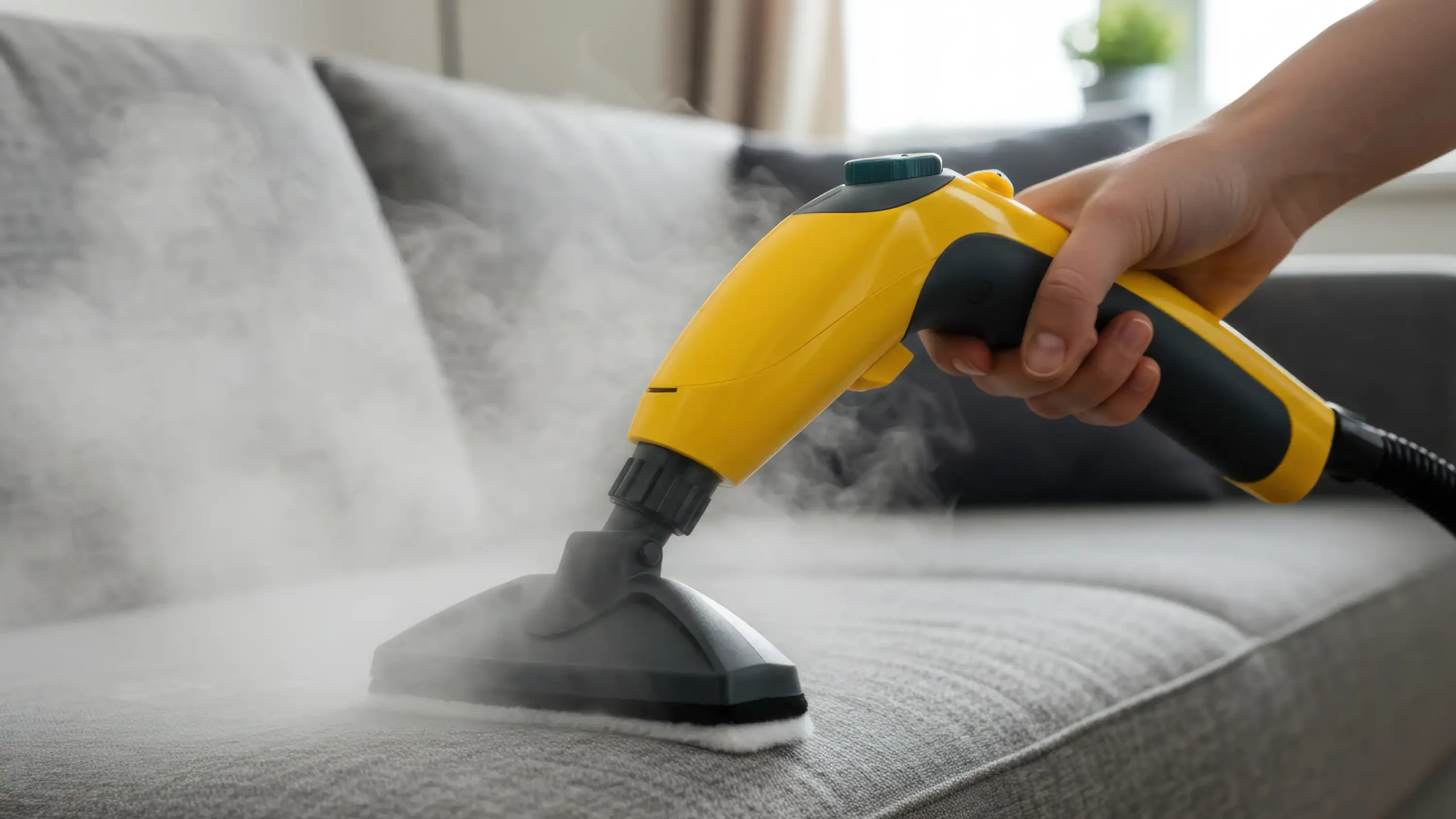
How to Air Out A Musty Home Fast



Banish rainy-season odors and trap moisture before mold sets in
When the rain pours, that distinct, persistent smell usually follows: damp cabinets, wet towels, and rooms that feel heavy and stale even right after cleaning. Hello kulob! In tropical, high-humidity climates like ours, this is an everyday battle.
That musty odor is more than just a seasonal annoyance — it is an early warning sign of trapped moisture, stagnant airflow, or hidden mold growth. To permanently freshen your space, you need a strategy: open up key pathways, target damp zones, and eliminate moisture at the source.
Air Out Your Space
The best time to ventilate your home is right after a downpour ends and the outdoor air begins to cool and clear.
- Create cross-ventilation: Open doors and windows on opposite sides of your house to push stale indoor air out and let fresh air flow through.
- Avoid downpours: Never open windows during heavy rain or extreme outdoor humidity, as this drags excess moisture straight indoors.
- Leverage sunlight: When the sun break through, pull back the curtains. Open wardrobe and cabinet doors to let natural light reach dark, moisture-prone corners.
Target Moisture Hotspots First
Certain areas in your home naturally trap dampness and require extra daily attention:
- Bathrooms and kitchens: Always run exhaust fans during showers or while cooking. Cover simmering pots to minimize airborne steam.
- Laundry areas: If you must dry clothes indoors, space garments out near an open window or electric fan. Never crowd wet clothes together.
- Linens and rugs: Hand damp towels, bath mats, and entry rugs immediately. Leaving them bundled on the floor breeds bacteria and odors within hours.
Find and Fix the Source of the Smell
Air fresheners only mask the problem. If a room continuously smells musty, inspect these common culprits:
- Hidden leaks around window frames, roof panels, water pipes, and air-conditioning units.
- Condensation buildup on walls, ceilings, and glass panes.
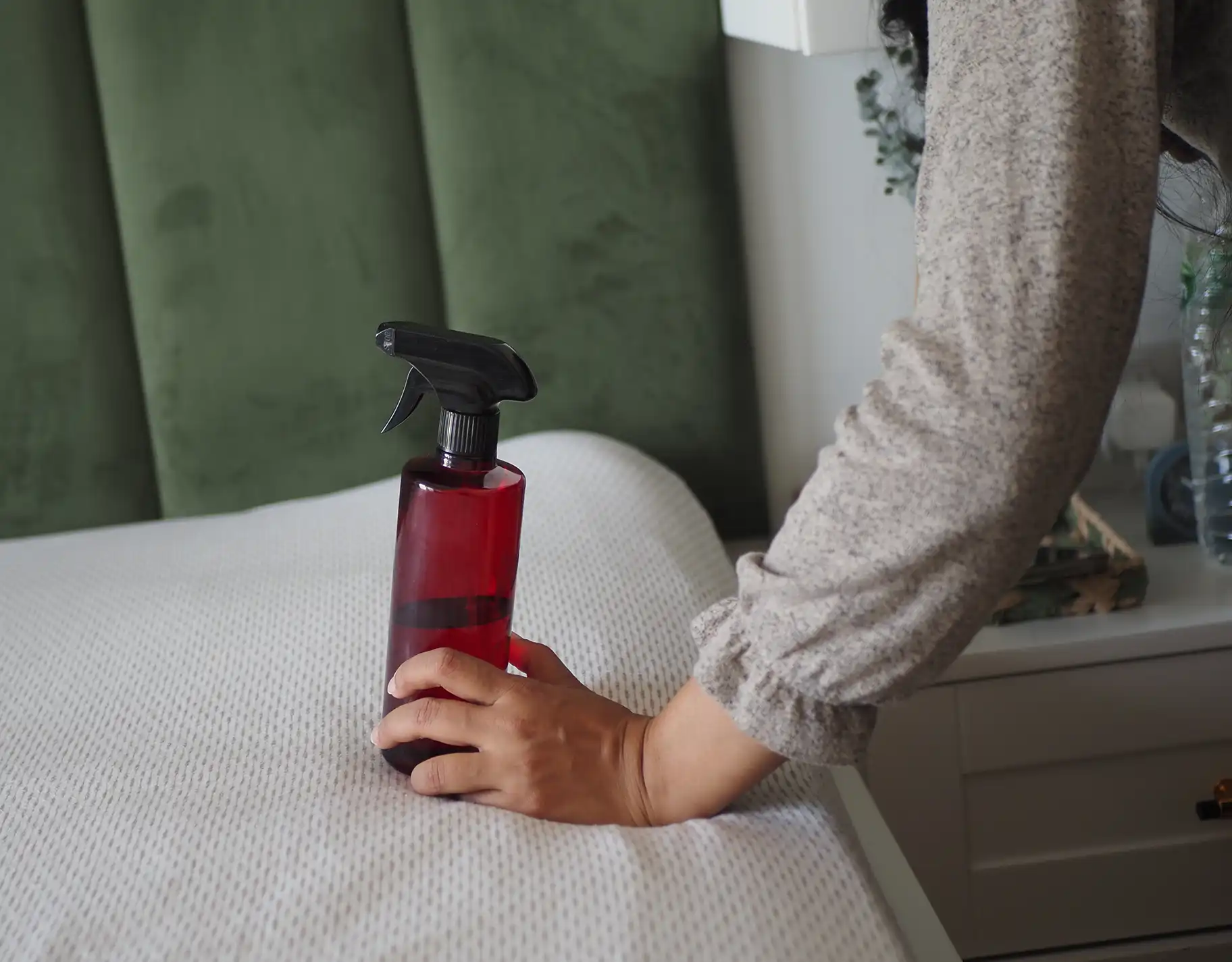
- Damp mattresses, rugs, curtains, or plush furniture.
- Shoes, bags, or folded clothes stored away before fully drying.
- Paper stacks and cardboard boxes absorbing ambient moisture.
Quick layout fix: Shift large furniture and cabinets a few inches away from walls. This simple gap creates essential airflow that prevents dark mold spots from forming behind your belongings.
Keep Air Moving with Smart Tech
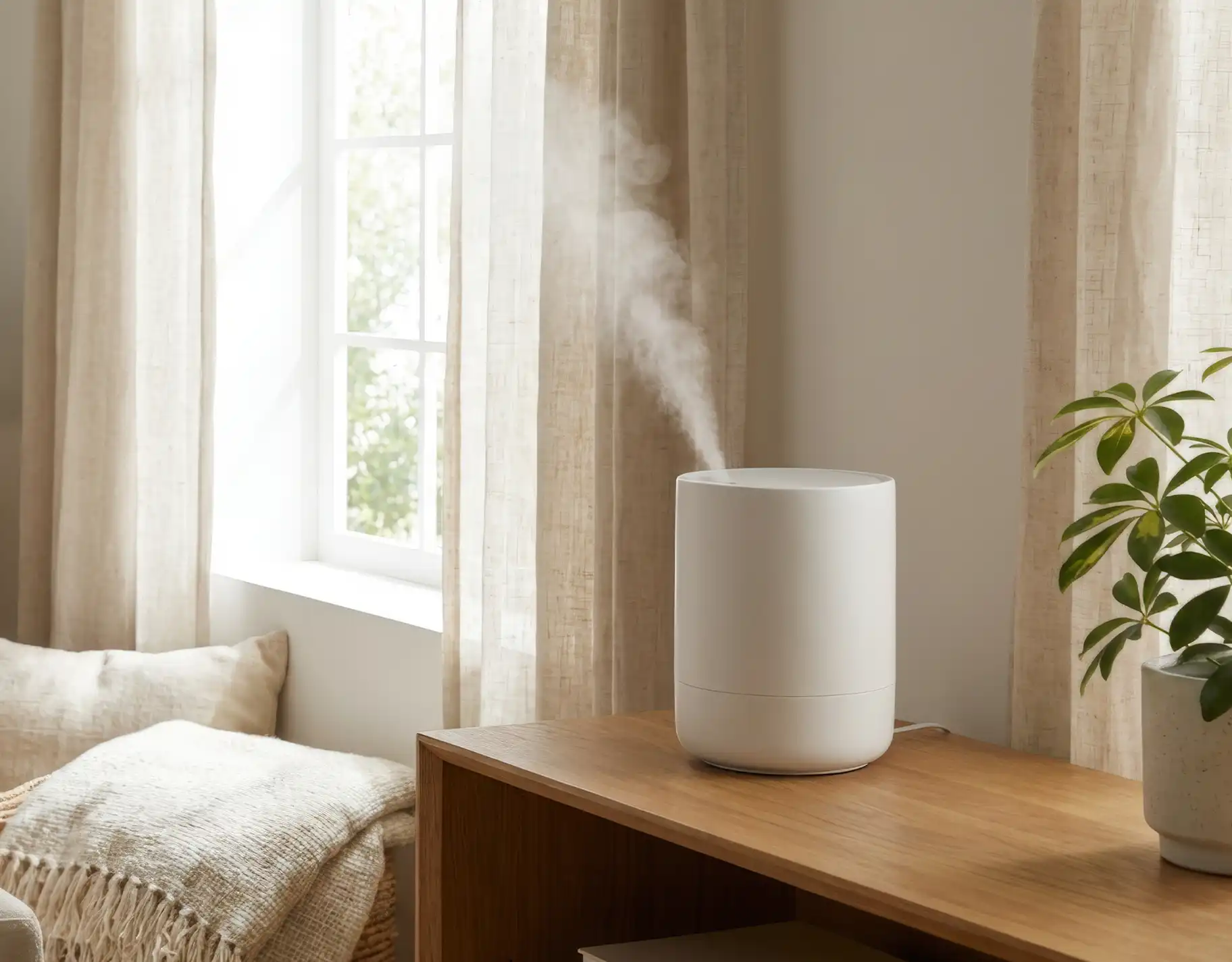
While electric fans don’t pull moisture out of the air on their own, they are crucial for preventing stagnant air pockets and speeding up evaporation. Point fans towards open windows or doorways to drive damp air outside.
For enclosed rooms or ultra-humid days, rely on secondary controls:
Clean Up Mold Safely
If you spot early mold patches on hard, nonporous surfaces, clean them immediately before they spread:
- Protect yourself: Wear rubber gloves and ensure the room is well-ventilated before starting.
- Scrub and dry: Scrub the area using warm water and household soap or a dedicated surface cleaner. Wipe the area completely dry afterward.
- Safety Warning: Never mix bleach with vinegar, ammonia, or other cleaning solutions. Combining these chemicals produces toxic gases.
For porous items — like heavily affected mattresses, soft upholstery, or storm-damaged floor or ceiling boards — deep cleaning may not be enough. These materials often require professional help or replacement to protect your air quality.
Protect Your Household’s Health
Persistent dampness and indoor mold spores are common triggers for upper respiratory issues, asthma flare-ups, and seasonal allergiesAllergiesAn overreaction of the immune system to a harmless substance such as food, dust, pollen, or pet dander. Common childhood triggers include eggs, milk, peanuts, and seafood, so parents should.
Keep children, older adults, and pets away from areas actively being cleaned. Always wash or replace damp pet bedding, and ensure it’s 100% dry before placing it back. If anyone in your home experiences unexplainable coughing, wheezing, or breathing discomfort, consult a health professional.
A Fresher Home Starts With Moisture Control
Banishing rainy-season odors is not about overwhelming your living space with heavy scented sprays or chemical plugins. True indoor freshness comes down to basic physics: lowering humidity, encouraging continuous movement of fresh air, and eliminating moisture pockets at the source. By turning these simple ventilation habits into a quick daily routineRoutineA predictable daily rhythm for waking, meals, school, play, and sleep. Routines give children a sense of security, reduce power struggles, and make busy mornings smoother, while some flexibility keeps, you can keep your home feeling clean, bright, and completely odor-free all year round.
Frequently Asked Questions
Rainy weather causes high humidity, poor airflow, and trapped moisture in fabrics and furniture. This damp environment creates ideal conditions for odor-causing mold and mildew to grow.
Open windows only when the rain stops and outdoor air clears. During active downpours or extreme humidity, keep windows closed and run your air conditioner on “Dry Mode“ or use a dehumidifier.
Leave closet doors open during rain pauses to allow airflow, don’t pack clothes tightly, and make sure garments are completely dry before storing. Place charcoal pouches or moisture absorber bags inside to catch excess dampness.