How to Safely Manage Diabetes During the Holidays


Simple ways to handle diabetes during the holidays while keeping everyone at the table
Between parties, work events, Simbang Gabi, family reunions, and an upcoming Noche Buena spread that stretches past midnight, these coming weeks can turn any routineRoutineA predictable daily rhythm for waking, meals, school, play, and sleep. Routines give children a sense of security, reduce power struggles, and make busy mornings smoother, while some flexibility keeps upside down. For relatives with type 2 diabetes, or those who don’t yet know they have it, managing diabetes during the holidays starts with awareness and a little teamwork at home.

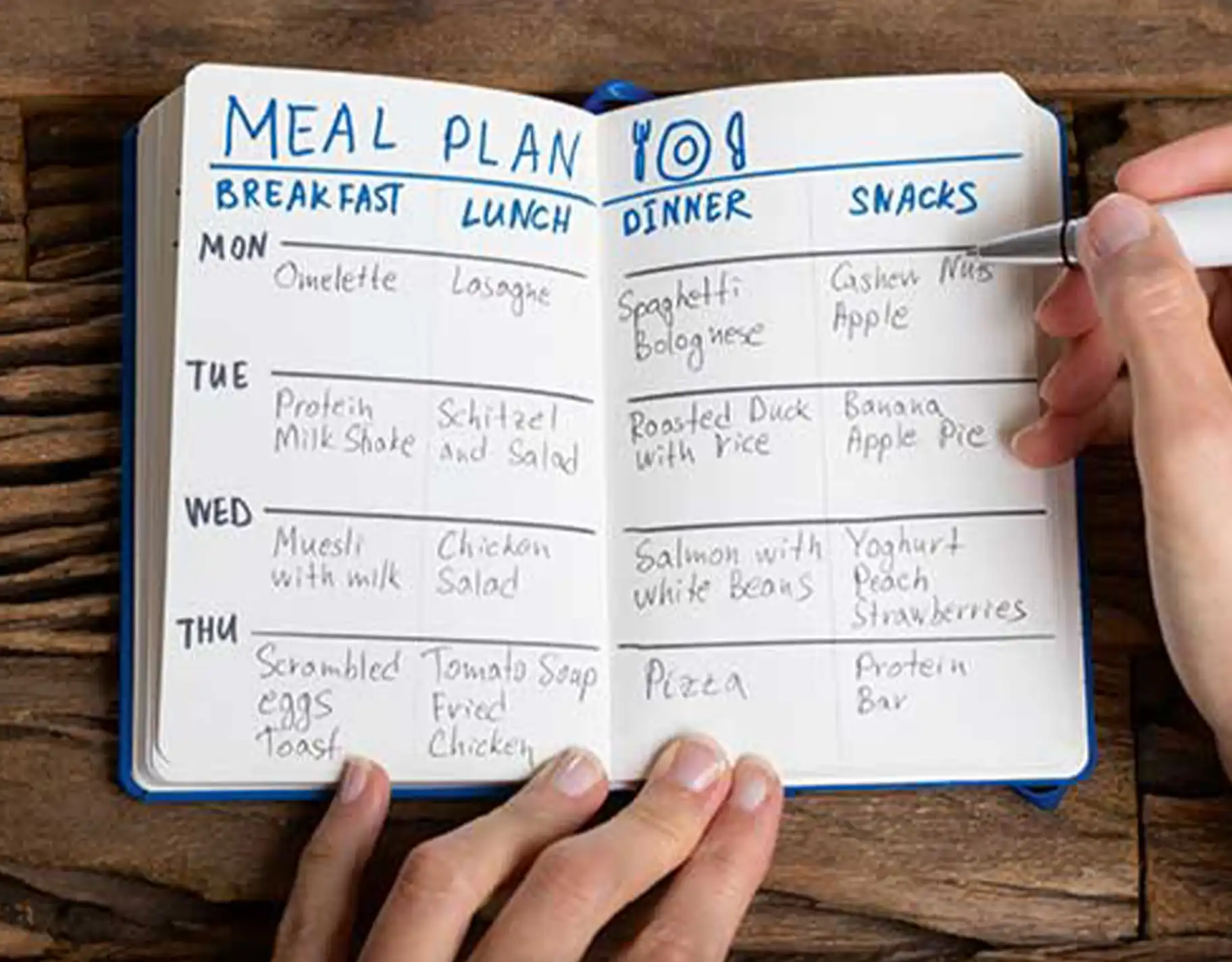
Always consult your doctor or dietician to know the right meal plan.
Why Should Families Talk About Diabetes Today?
Many people who have it haven’t been told. The International Diabetes Federation estimates that about 4.7 million Filipino adults ages 20 to 79 had diabetes in 2024. About 2.5 million of them, or 53.5%, were undiagnosed.
The holidays bring generations together, which makes them a natural time to ask about family health history and overdue checkups. Early action matters because, over time, type 2 diabetes can seriously damage the body, especially nerves and blood vessels.
Recognizing the Warning Signs of Diabetes
According to the World Health Organization (WHO), common diabetes symptoms can develop gradually and include:
- Feeling very thirsty or hungry
- Frequent urination
- Extreme fatigue
- Blurred vision
- Unexplained weight loss
Signs of type 2 diabetes can also be mild, so don’t wait for them to become obvious. Regular checkups and blood tests are the best way to catch it early.
How Can You Enjoy the Holidays and Watch Blood Sugar?
Healthy holiday eating can start with small, doable changes:
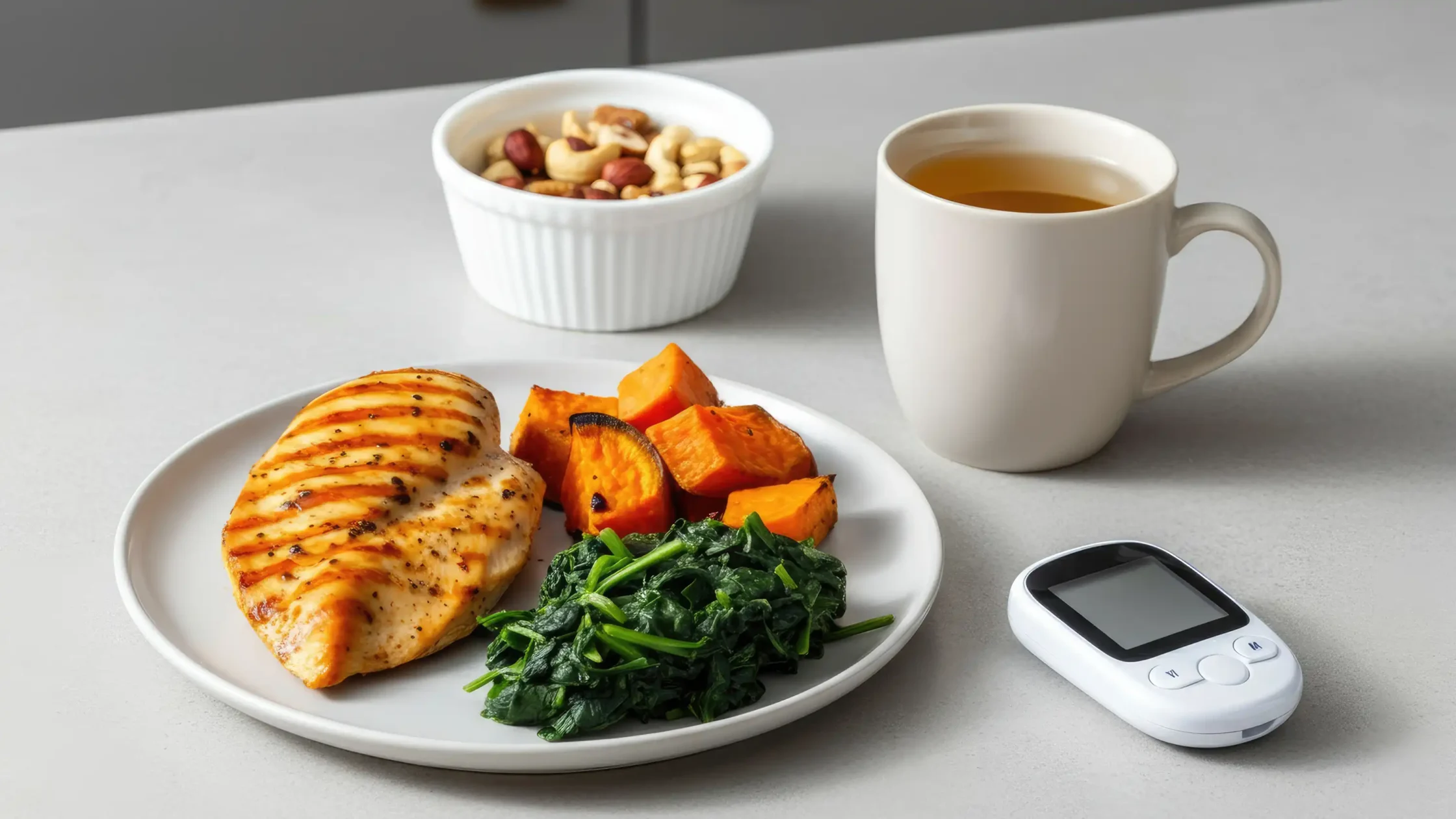
- Swap, don’t eliminate. Gradually replace some white rice with brown rice or mixed grains. Cutting back on refined carbohydrates can help manage blood sugar after meals.
- Move after meals. A 15-minute walk around the block helps the body process glucose. Bring the kids along to see the neighborhood lights.
- Stay hydrated. Choose water over sugary drinks to support kidney function and help regulate blood sugar.
- Set reminders. Use phone alarms or apps so meals and prescribed medicines stay on schedule.
- Monitor regularly. Glucose-monitoring tools, such as continuous glucose monitors, show how daily choices affect blood sugar.
| Getty Images
How Do You Keep a Routine When Plans Change?
Late dinners, long drives, and surprise visitors are part of the season, so plan for imperfect days. Keep convenient nutritionNutritionThe process of obtaining and using nutrients from food to support growth, energy, overall health, and proper body function. options on hand, and pack your medicines before leaving home.
“If a diabetes management routineRoutineA predictable daily rhythm for waking, meals, school, play, and sleep. Routines give children a sense of security, reduce power struggles, and make busy mornings smoother, while some flexibility keeps only works on a perfect day, it is not much of a routineRoutineA predictable daily rhythm for waking, meals, school, play, and sleep. Routines give children a sense of security, reduce power struggles, and make busy mornings smoother, while some flexibility keeps,” said Dr. Gamaliel Tayao, head of medical affairs at Abbott in the Philippines. “The useful question is what an individual with a health condition like diabetes can keep doing when their schedule changes.”
As Dr. Tayao explains, the key is finding approaches that are realistic and sustainable. This may include practical solutions, such as incorporating diabetes-specific nutritionNutritionThe process of obtaining and using nutrients from food to support growth, energy, overall health, and proper body function. like Glucerna when preparing a balanced meal is not always possible. Always ask your doctor or dietitian if it suits your care plan.
How Can Relatives Help Without Policing Plates?
Support works better than commentary. Listen, offer help, and let your loved one make food choices based on their care plan.
Hosts can serve brown rice or mixed grains for everyone, so no one feels singled out. Children can fill water glasses or invite Lolo and Lola for that after-dinner stroll. These small gestures show Filipino families that caring for one person’s health can be part of the celebration.
If you or someone you love has diabetes, talk to a doctor before the festivities begin. A plan made early leaves more room to enjoy the people around the table.
Frequently Asked Questions
WHO links it to factors such as genetics, aging, and lifestyle. Being overweight and not getting enough exercise also contribute.
It is often preventable. A healthy diet, regular physical activity, a healthy weight, and avoiding tobacco can prevent or delay its onset.
Many can enjoy holiday dishes with planning and mindful portions. Follow the meal plan set by your doctor or dietitian.
More on diabetes
Double Whammy: When Both Sides Of The Family Have Diabetes
Certain Diabetes, High Blood Pressure Meds Are Now VAT-Free
Signs Of Diabetes Parents Can Look For In Kids