“Iba Na Ang Mga Bata Ngayon:” When Resilience in Children Gets Lost In Translation



Many older generations grumble that the younger generation are more sensitive. Here’s an explanation why:
Why do older Filipinos often say “iba ang kabataan ngayon”—kids are different today. Beneath this familiar phrase is a deeper cultural tension about parenting, disciplineDisciplineTeaching a child self-control and acceptable behavior through guidance rather than fear. Effective discipline is consistent and calm, explains the reason for a rule, and uses consequences that fit the, and emotional development.
In the Philippines, conversations about “katatagan” which means resilienceResilienceThe ability to bounce back from setbacks, disappointment, and stress. Children build it through supportive relationships, chances to solve problems, and adults who show that mistakes are part of learning and “lakas ng loob” which means inner courage, have always shaped how children are raised. Older generations often associate Filipino resilienceResilienceThe ability to bounce back from setbacks, disappointment, and stress. Children build it through supportive relationships, chances to solve problems, and adults who show that mistakes are part of learning with endurance, disciplineDisciplineTeaching a child self-control and acceptable behavior through guidance rather than fear. Effective discipline is consistent and calm, explains the reason for a rule, and uses consequences that fit the, and the ability to withstand hardship. Meanwhile, modern parents—shaped by evolving Filipino psychology, global parenting frameworks, and mental healthMental HealthA person's emotional, psychological, and social well-being, which affects how children and parents think, feel, and cope. Open conversations, regular routines, and timely help from professionals make it easier for awareness—are focusing more on emotional safety and communication.
Unfortunately, that’s where the misalignment in emotional vocabulary starts.
Filipino Resilience in Parenting: Katatagan and Lakas ng Loob Meaning
To understand this generational divide, it helps to revisit the cultural roots of Filipino resilienceResilienceThe ability to bounce back from setbacks, disappointment, and stress. Children build it through supportive relationships, chances to solve problems, and adults who show that mistakes are part of learning.
In traditional Filipino households, katatagan is often tied to survival—standing firm in the face of financial struggle, emotional hardship, or strict disciplineDisciplineTeaching a child self-control and acceptable behavior through guidance rather than fear. Effective discipline is consistent and calm, explains the reason for a rule, and uses consequences that fit the. Children were taught that resilienceResilienceThe ability to bounce back from setbacks, disappointment, and stress. Children build it through supportive relationships, chances to solve problems, and adults who show that mistakes are part of learning comes from enduring difficulty rather than avoiding it.
Similarly, the meaning of lakas ng loob is often understood as courage under pressure—facing fear, obeying authority, and pushing through discomfort.
Many older Filipino parents were raised in environments where life demanded toughness. As a result, disciplineDisciplineTeaching a child self-control and acceptable behavior through guidance rather than fear. Effective discipline is consistent and calm, explains the reason for a rule, and uses consequences that fit the was often direct, firm, and immediate. Emotional expression was less emphasized, while obedience and endurance were valued as life skills.
This worldview shaped a generation that believes resilienceResilienceThe ability to bounce back from setbacks, disappointment, and stress. Children build it through supportive relationships, chances to solve problems, and adults who show that mistakes are part of learning is built through exposure to hardship.
Mismatched Parenting Style, But Same Goal
Modern Filipino parenting is not rejecting resilienceResilienceThe ability to bounce back from setbacks, disappointment, and stress. Children build it through supportive relationships, chances to solve problems, and adults who show that mistakes are part of learning—it is redefining how it is built.
Today’s parents are more influenced by Filipino psychology, child developmentChild DevelopmentThe steady growth of a child's physical, language, thinking, and social skills from birth through adolescence. Each child moves at a personal pace, so regular checkups and play-based activities help studies, and trauma-informed approaches. Emotional validation, calm communication, and mental healthMental HealthA person's emotional, psychological, and social well-being, which affects how children and parents think, feel, and cope. Open conversations, regular routines, and timely help from professionals make it easier for awareness are now part of how many families raise children.
However, this creates friction with older expectations. What one generation sees as disciplineDisciplineTeaching a child self-control and acceptable behavior through guidance rather than fear. Effective discipline is consistent and calm, explains the reason for a rule, and uses consequences that fit the, another may experience as emotional intensity. What one generation sees as gentle parentingGentle ParentingAn approach built on empathy, respect, understanding, and firm boundaries. Instead of punishment, parents acknowledge feelings, set clear limits, and guide behavior with calm explanations, aiming for cooperation rather than, another may interpret as a lack of boundaries.
Yet both generations share the same goal: to raise children who are capable, respectful, and resilient.
The difference lies in the method:
- Older generations emphasize structure, consequence, and endurance
- Younger parents emphasize emotional safety, guidance, and communication
Both are responding to the same question: How do we prepare children for a difficult world?
The Logical Leap in Generational Parenting
The conflict often comes from how each generation interprets emotional development.
Older generations tend to believe that hardship naturally builds strength. From their lived experience, survival and disciplineDisciplineTeaching a child self-control and acceptable behavior through guidance rather than fear. Effective discipline is consistent and calm, explains the reason for a rule, and uses consequences that fit the are closely linked to katatagan—the ability to endure without breaking.
Younger generations, however, are more aware that unprocessed hardship can also lead to emotional confusion, fear responses, or difficulty with emotional regulation.
At the same time, children today are growing up with more exposure to global culture, digital content, and emotional language. This shifts how they interpret authority, anger, and correction. Loud or intense communication may feel overwhelming rather than instructive.
This creates a gap in Filipino psychology in parenting: one side assumes resilienceResilienceThe ability to bounce back from setbacks, disappointment, and stress. Children build it through supportive relationships, chances to solve problems, and adults who show that mistakes are part of learning is built through pressure, while the other assumes resilienceResilienceThe ability to bounce back from setbacks, disappointment, and stress. Children build it through supportive relationships, chances to solve problems, and adults who show that mistakes are part of learning is built through emotional support and reflection.
In reality, both elements are necessary—but incomplete on their own.
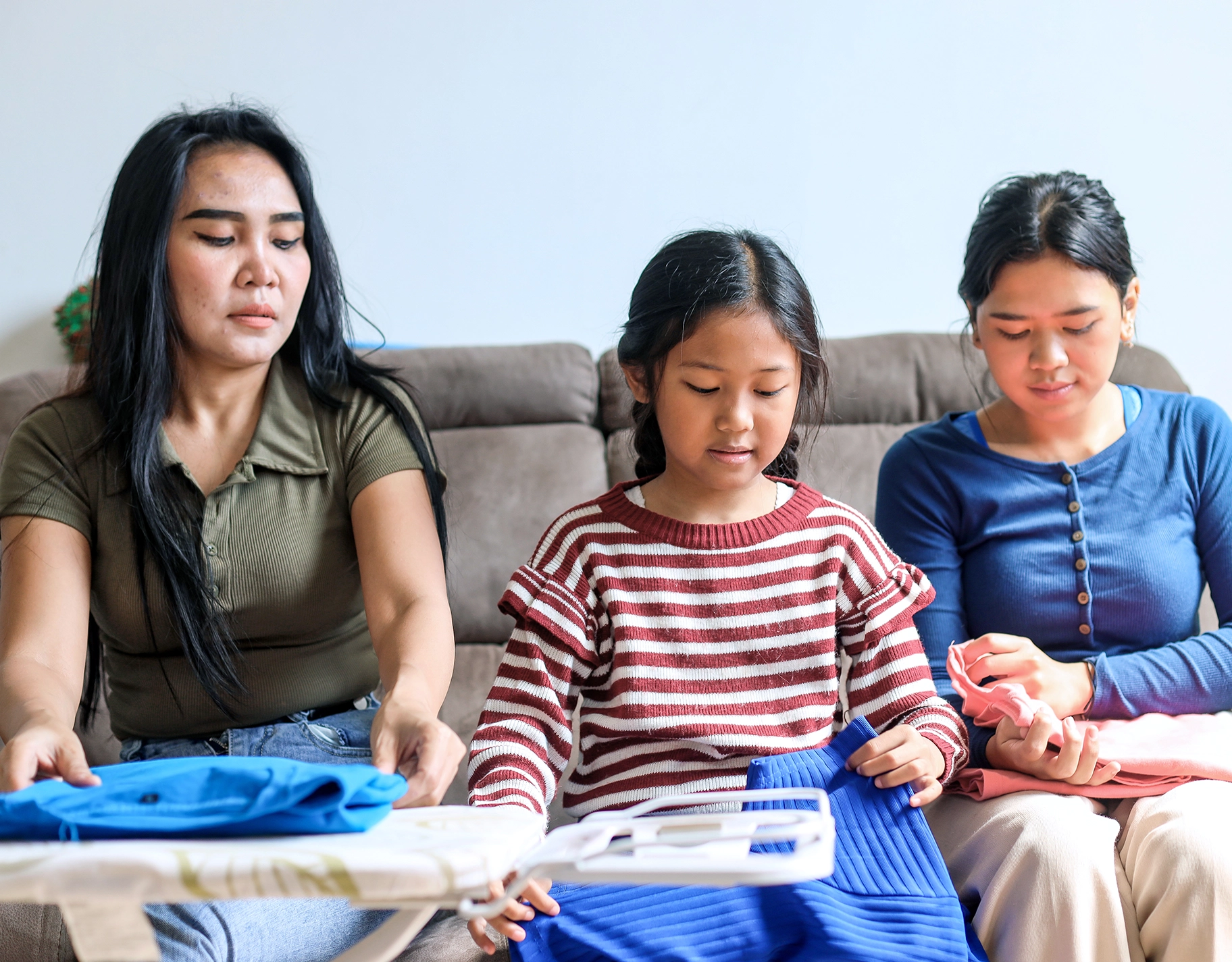
Rethinking Filipino Resilience for the Next Generation
At the heart of this generational divide is not conflict, but translation.
Filipino resilienceResilienceThe ability to bounce back from setbacks, disappointment, and stress. Children build it through supportive relationships, chances to solve problems, and adults who show that mistakes are part of learning (katatagan) and lakas ng loob were once shaped by survival-driven environments. Today, Filipino parenting is evolving toward emotional awareness and psychological safety. Neither is wrong—but each is only part of the picture.
True resilienceResilienceThe ability to bounce back from setbacks, disappointment, and stress. Children build it through supportive relationships, chances to solve problems, and adults who show that mistakes are part of learning is not built from hardship alone, nor from comfort alone. It is formed through a balance of challenge and emotional grounding.
Children need structure that teaches responsibility, and emotional safety that teaches understanding. They need both endurance and care, disciplineDisciplineTeaching a child self-control and acceptable behavior through guidance rather than fear. Effective discipline is consistent and calm, explains the reason for a rule, and uses consequences that fit the and dialogue.
In the end, Filipino parenting is not choosing between old and new. It is learning how to carry forward Filipino resilienceResilienceThe ability to bounce back from setbacks, disappointment, and stress. Children build it through supportive relationships, chances to solve problems, and adults who show that mistakes are part of learning in a way that fits today’s world—without losing its emotional depth, and without losing its humanity.
Frequently Asked Questions
Older generations often notice differences in behavior, emotional expression, and discipline styles, shaped by shifts in parenting values and cultural exposure.
Katatagan refers to resilience—traditionally understood as the ability to endure hardship, pressure, and emotional difficulty without giving up.
It is often linked to courage under authority and pressure, where obedience and emotional restraint were seen as key life skills.
Modern Filipino parents are influenced by child psychology, mental health awareness, and global parenting approaches that emphasize emotional safety and communication.
No. Both aim to raise resilient, capable children—the difference lies in how resilience is developed: through endurance, emotional support, or a combination of both.
More about resilience?
How Families Can Rise Stronger After Every Typhoon
How to Strengthen Resilience During the Pandemic | Modern Parenting
Why Allowing Emotions Doesn’t Make Parents “Soft”