5 Meaningful Lessons Families Can Learn From Hoppers



Disney and Pixar’s Hoppers reminds families that even the smallest voice can spark real change
As parents, we often find ourselves navigating two worlds — the one our children see with wide-eyed wonder, and the one we’ve grown practical (sometimes skeptical) about. Disney and Pixar’s Hoppers gently bridges that gap.
At its heart, Hoppers is about belief, bravery, and the environment. But beyond the colorful adventure and talking animals, it offers thoughtful lessons that both kids and parents can take home long after the credits roll.
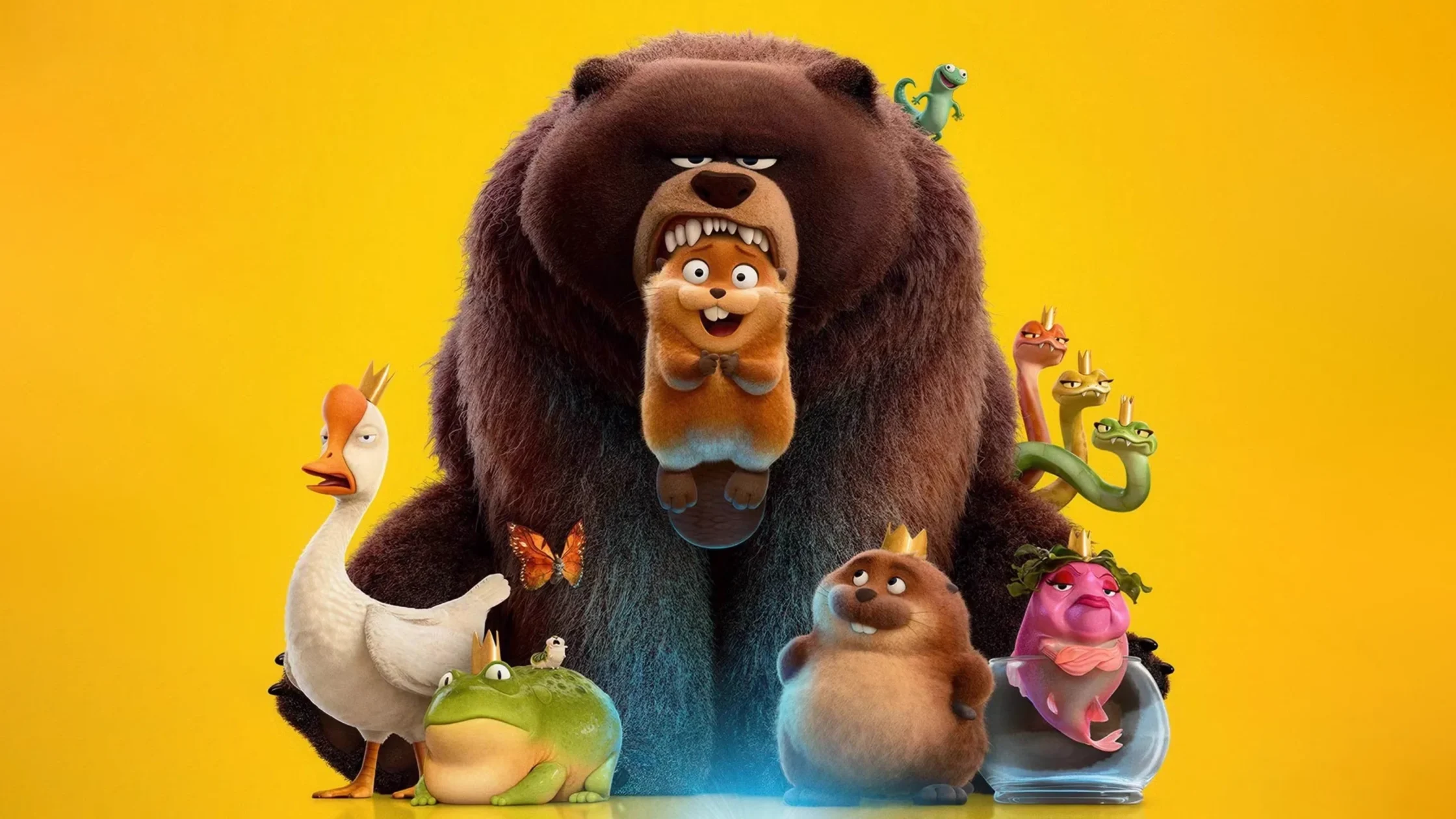
Here are five meaningful takeaways families can reflect on together:
1. A Child’s Love for Animals Is Deep — and Worth Nurturing
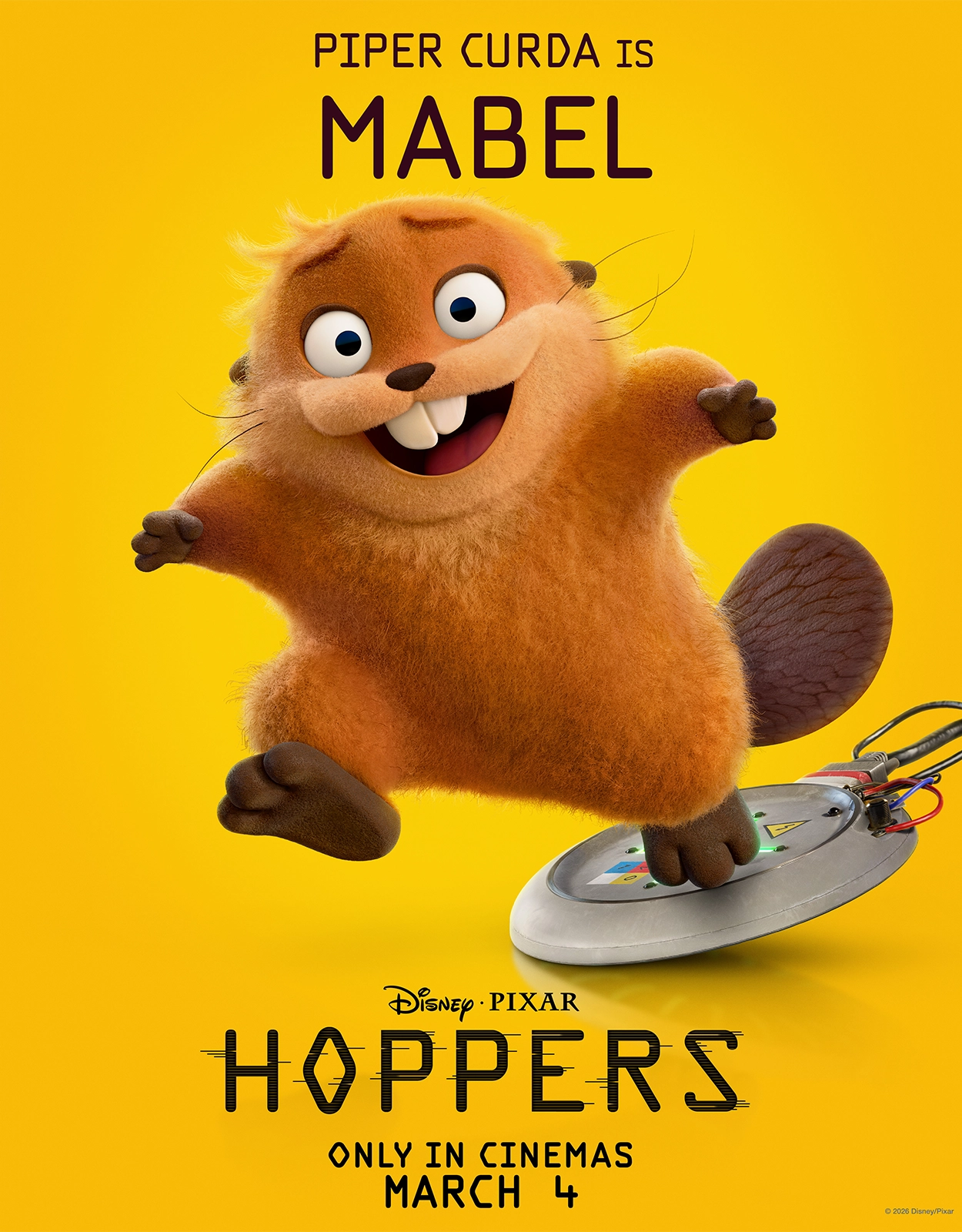
We meet young Mabel as a child who passionately promises every animal in school — from turtle to snake — that she’ll save them and return them to nature. It’s bold. It’s idealistic. It’s the kind of promise only a child can make with complete sincerity.
Of course, reality gets in the way. Teachers intervene. Trouble follows.
But what stands out is this: her love for animals was never “just a phase.” It became the foundation of who she is.
For parents, it’s a reminder that when our kids obsess over bugs in the garden, cry over stray cats, or insist on rescuing earthworms after the rain, it’s not something to brush aside. That empathy is powerful. When nurtured, it can grow into a purpose.
2. A Grandmother’s Love Shapes Generations
Mabel’s mom brings her to her grandmother, and there she learns one of the film’s important and powerful lessons: listen to nature.
Her grandmother teaches her how to calm herself by observing the world around her. That appreciation for nature becomes a compass for Mabel later in life, especially as she tries to protect the lake in Beaverton.
Many Filipino families know this dynamic well — grandparents aren’t just caregivers; they are storytellers, anchors, and steady guides. Their love lingers long after childhood.
For children watching the film, it’s a beautiful reminder that lola or lolo’s wisdom matters. For parents, it’s a gentle nudge to honor the values passed down — because they often become the very foundation our children stand on.
3. Your Child’s Belief Matters — Even If It Sounds “Silly”
How many times have we caught ourselves half-listening to our child’s big ideas?
In Hoppers, Mabel refuses to give up on her belief that the town’s development project — led by Mayor Jerry — will harm the lake and the animals that depend on it. She stands firm, even placing herself in danger to defend what she believes in.
It’s dramatic, yes. But the message hits home.
Children’s convictions — whether about the environment, fairness in school, or something they feel strongly about — deserve space. Listening doesn’t mean we agree with everything. It means we validate their ability to think critically and care deeply.
Sometimes, their “little” concerns are actually early signs of leadership.
4. Trust Is Earned — and Easily Broken
At the core of Hoppers is the delicate thread of trust.
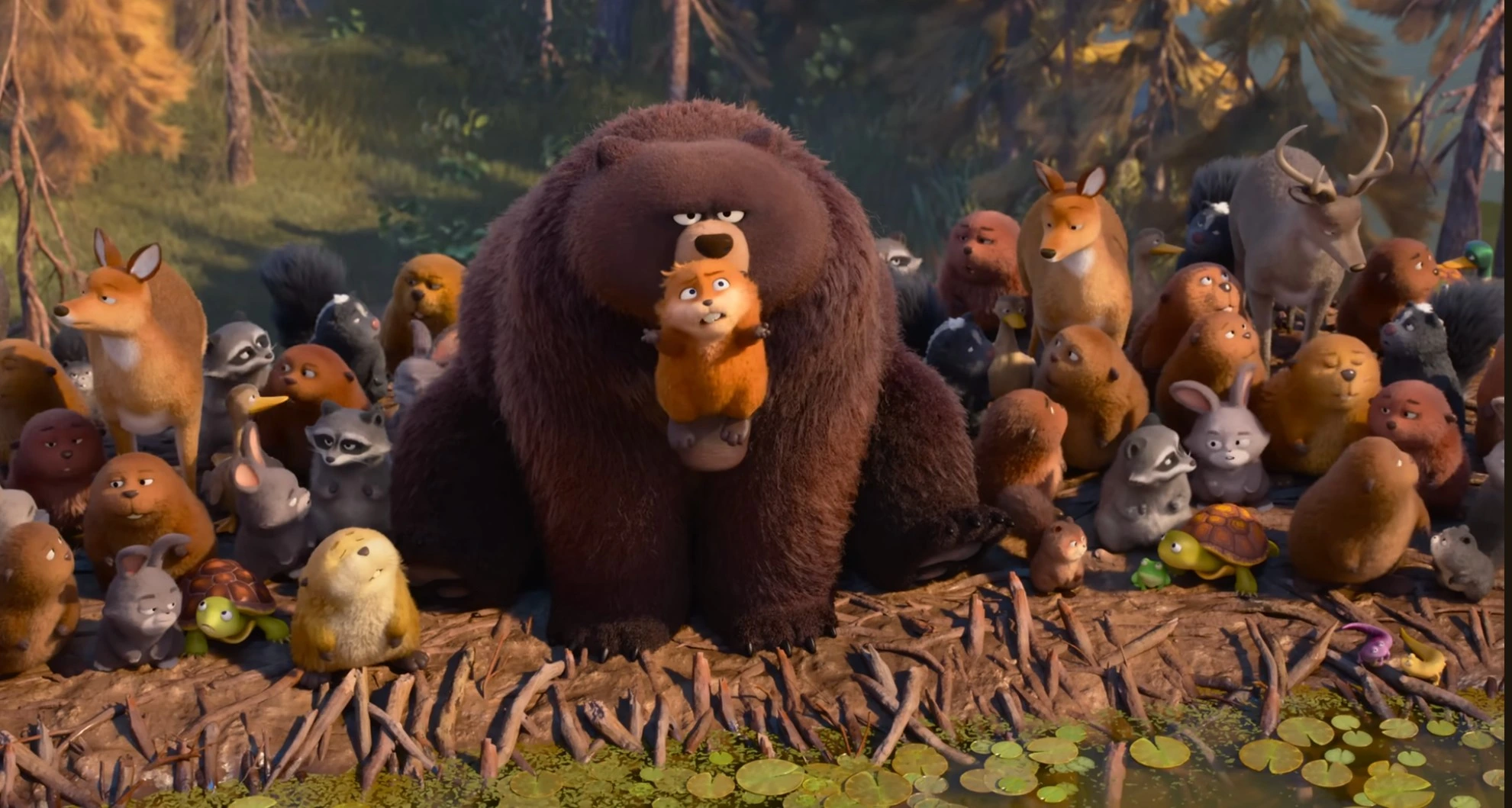
Mabel gains the trust of King George and the other animals while hiding the truth — that she’s human and using robotics technology to connect with them. When the truth comes out, the betrayal stings.
It’s a powerful parallel for real life. Kids form friendships built on honesty. When trust breaks, rebuilding it takes time and humility.
For parents, it’s also a subtle reminder: trust works both ways at home. When we keep our promises, admit mistakes, and model accountability, we teach our children how to do the same in their own relationships.
Screenshot from Pixar
5. Science Isn’t Just Curiosity — It’s Responsibility
Through Dr. Sam Fairfax’s invention, Hoppers introduces robotics that allows humans to connect with animals. It’s innovative and fascinating — a nod to how far science can take us.
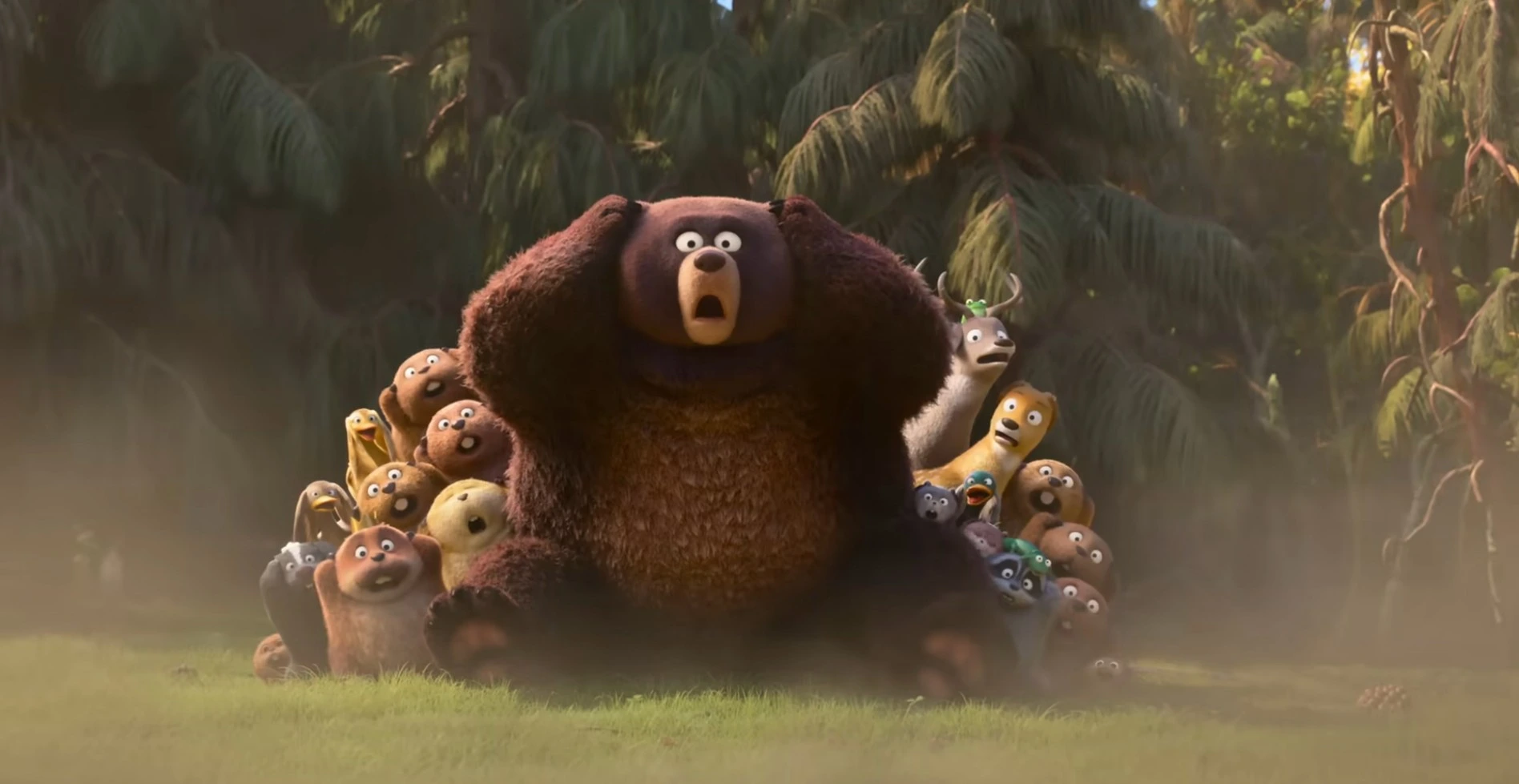
But the film also shows what happens when technology is misused. Power, when driven by ego or control, can create imbalance.
In today’s digital-first world, this lesson resonates deeply. Technology is part of our children’s reality. The question isn’t whether they’ll use it — but how.
Science, like social media or AI, isn’t inherently good or bad. It’s shaped by intention. And that’s a conversation families can begin having early.
Screenshot from Pixar
More Than Entertainment — A Conversation Starter for Families
Beyond its touching moments and environmental themes, Hoppers reminds us of a simple truth: everything is connected.
Nature, family, belief, trust — they don’t exist in silos. The choices we make ripple outward.
For parents raising compassionate, socially aware kids, films like this offer more than weekend entertainment. They offer entry points to meaningful conversations — about caring for the planet, standing up for what’s right, and believing that even one voice can make a difference.
Because sometimes, the lessons our children need aren’t found in lectures.
They’re found in stories.
Frequently Asked Questions
Hoppers follows Mabel, a young girl passionate about protecting animals and nature. Through robotics technology that allows humans to connect with animals, she becomes involved in saving a lake from development — learning important lessons about trust, belief, and responsibility along the way.
Yes. Hoppers is family-friendly and suitable for children. While it touches on themes like environmental protection and trust, these are presented in an engaging and age-appropriate way that encourages meaningful conversations.
Parents can talk about:
Why children’s beliefs and ideas matter
The importance of protecting the environment
How trust is built and repaired
Responsible use of technology
The role of family influence, especially grandparents
The film highlights how development can affect ecosystems and shows the importance of caring for lakes, animals, and natural habitats. It reinforces the idea that even one person’s voice can make a difference.
More on movies
What Kids Can Learn from GOAT: Heart, Teamwork, and Dreaming Big
Should Kids Watch The SpongeBob Movie: Search for SquarePants?
What Unmarry Teaches Parents About Love, Identity, and Letting Go