Meet Your Marinades: Easy Marinades for Meats



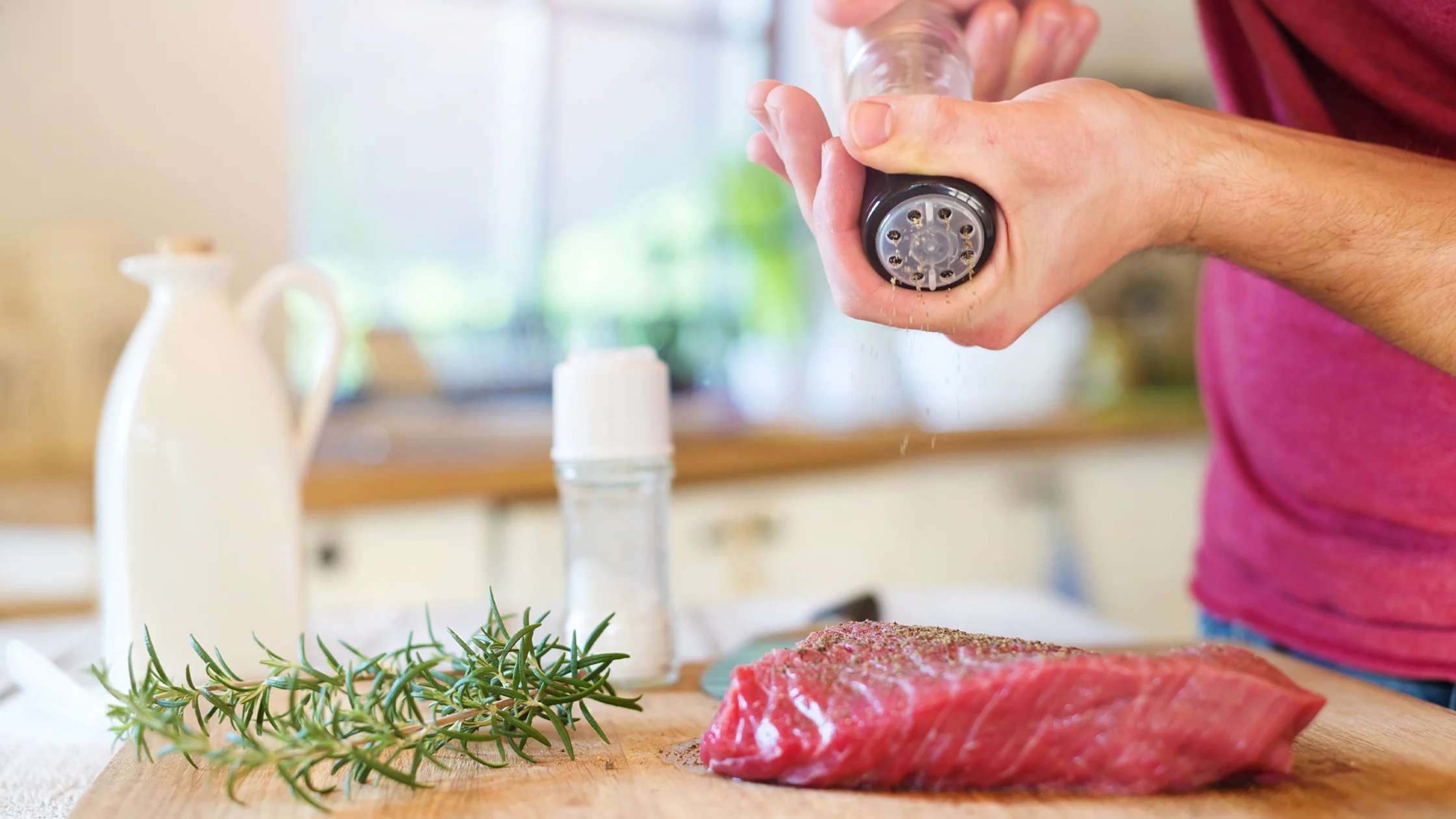
Here are some marinade combinations to make meat taste better at home!
While there’s nothing wrong with the traditional salt-pepper marinade, some days need a little extra kick.
Add a bit of oregano here, or a little chili there—those little spices can really make a day of handling dreadful family politics or practice for the holiday potluck a lot easier to handle. Besides, some meats just taste better when marinated for more than eight hours.
How To Use This Cheat Sheet for Meat Marinades
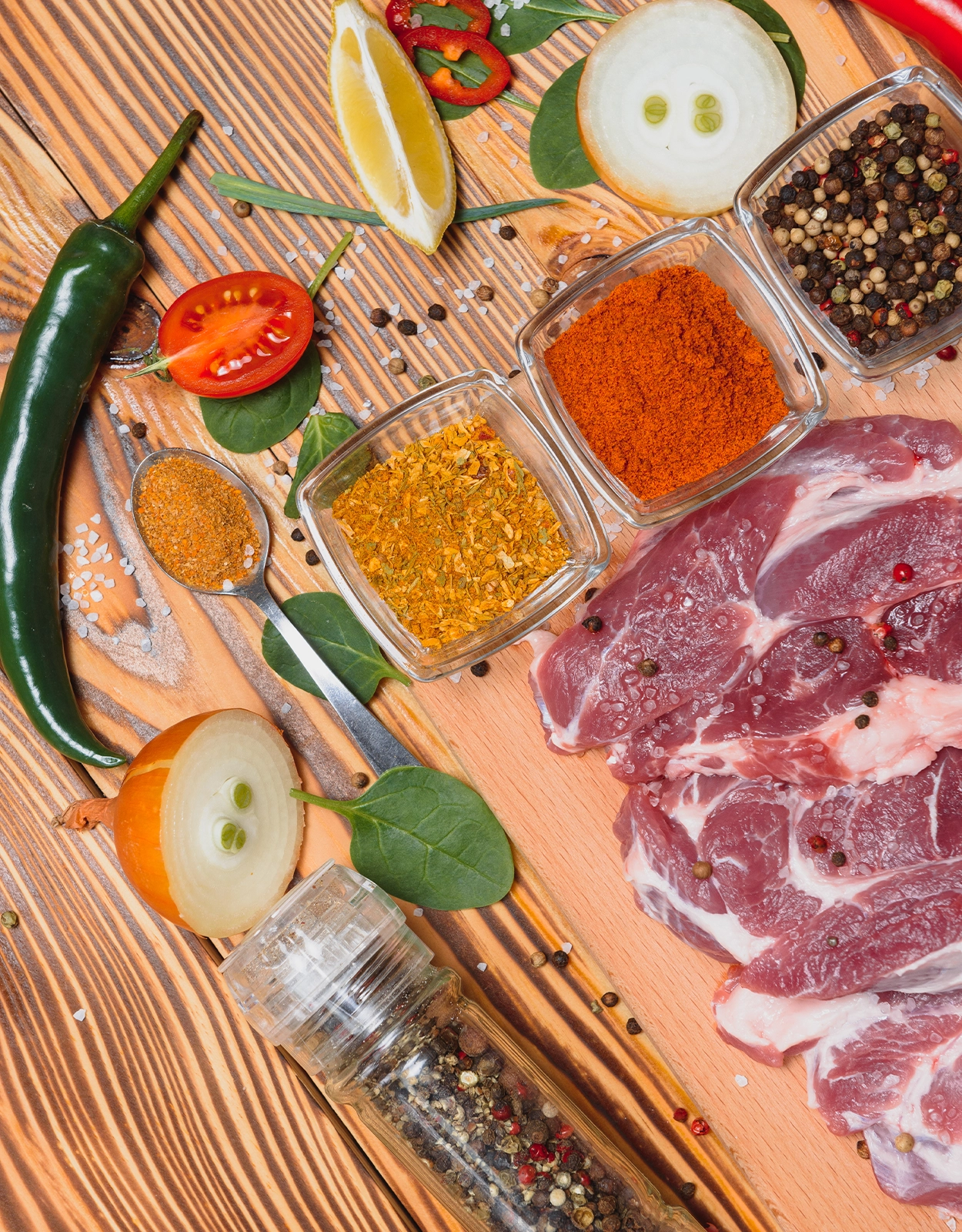
Marinating is the technique where we let meat sit in spices or sauces for a time before cooking. There are two kinds of marinades:
- Wet Marinade: These are marinades that include sauces like soy sauce or Worcestershire sauce or liquids like white wine or sherry. Most wet marinades also function as meat tenderizers for thicker cuts of meat like pork or beef.
- Dry Marinade: Probably the most common one for chicken and fish. Dry marinades help remove the extra water inside the meat, so when it’s pan-fried or fried, it’s crispy.
Without further ado, here are some meat marinades that are easy to make:
Cajun Seasoning
Flavors from Louisiana or Texas, the Cajun dry marinade offers an earthy spice that works well with fried chicken or dense fish like tuna.
- Smoked or Spanish paprika
- Oregano
- Thyme
- Salt
- Black pepper powder
- White pepper powder
- Garlic powder
- Onion powder
- Cayenne pepper
Pinatisan
A favorite among the Filipinos, “pinatisan” is the act of marinating chicken in patis or fish sauce. It’s one of the secrets to all those local canteens selling delicious fried chicken.
- Patis (Fish Sauce)
- Calamansi juice and zest
- Pepper
- Granulated garlic
- Onion powder
Souvlaki
For those who enjoy Greek food, the Souvlaki marinade is the secret to juicy and flavorful grilled meats. Often used for beef, chicken, and lamb, this particular marinade sports a mildly sweet and tart note that works well with roasted veggies and rice.
- Greek yogurt – plain yogurt works too, just skip the sugar or honey if ever
- Fresh garlic cloves
- Rosemary
- Oregano
- Sweet paprika
- Salt
- Pepper
- Honey (remove if using plain yogurt)
- Red wine vinegar
- Juice and zest of lemon
- Olive oil
Chilimansi
If you’ve had a childhood filled with Chilimansi pancit canton, then this dry marinade is for you! Made with the tart note that only calamansi has and the spice of siling labuyo, this combination is perfect for chicken wings and sisig.
- Calamansi juice and zest
- Salt
- Pepper
- Onion powder
- Garlic powder
- Dried chili flakes or half a siling labuyo
Chinese Five-Spice
It’s already in the name—Chinese five-spice! Commonly found as Five Spice powder, it’s often mixed with other spices to emphasize its five flavor profile: sweet, salty, sour, bitter, and savory. Chinese restaurants often use this as a dry marinade for their fried food and as a wet one for their stews.
- Chinese five-spice
- Garlic powder
- Salt
- Black pepper
- Cumin
Kebab Marinade
Love Persian food, but there’s no restaurant nearby? No worries, this marinade is what’s commonly used for the Chicken Tikka, Beef Chelo Kebabs, and Shawarmas!
- Salt
- White Pepper
- Parsley
- Garlic powder
- Onion powder
- Cumin
- Fenugreek
- Clove powder
- Paprika
- Olive oil
- Cinnamon powder
Kinilaw
Rooted in Bisaya, the term “kinilaw” means to cook in vinegar. We’ve probably tasted the international version somewhere known as ceviche. This wet marinade is often used for dense fish like tanigue, but it can be used for softer fish like pampano and smaller fish like tawilis, too.
- Vinegar
- Red onion
- Green Chili or siling haba
- Philippine Bird’s Eye Chili or siling labuyo
- Garlic
- Black peppermill, coarsely ground
- Salt
- Calamansi
Basic Herb Grill
Perfect when trying to add meat to pasta dishes, the basic herb grill is usually a combination of common Italian herbs. Though if there’s really no time, just roll it in Italian seasoning.
- Basil
- Oregano
- Thyme
- Rosemary
List of Liquids to Use When Marinating Food
It’s always a combination of spices and liquids when marinating food. Get the balance right and the dish will always be a winner at the dinner table. Here are some liquids that help in marinating meat and other foods:
- White Wine: Perfect for chicken and fish.
- Red Wine: Commonly used for beef stews to soften certain meat cuts.
- Oyster Sauce: Similar to soy sauce but with lower sodium.
- Sesame Oil: A favorite among the Chinese and Korean cuisines, but don’t use it for cooking! It burns fast.
- EVOO (Extra Virgin Olive Oil): Mostly used for Mediterranean dishes.
- Sprite: Surprisingly, this works well with shrimp and pork. The soda is the secret to why most pork dishes are soft and why Steamed Suahe in Chinese restaurants have a mild sweetness to them.
- Soy Sauce: The staple in most Filipino and Chinese dishes
- Vinegar: Perfect for adobo, but in small amounts
Tips When Marinading Meat
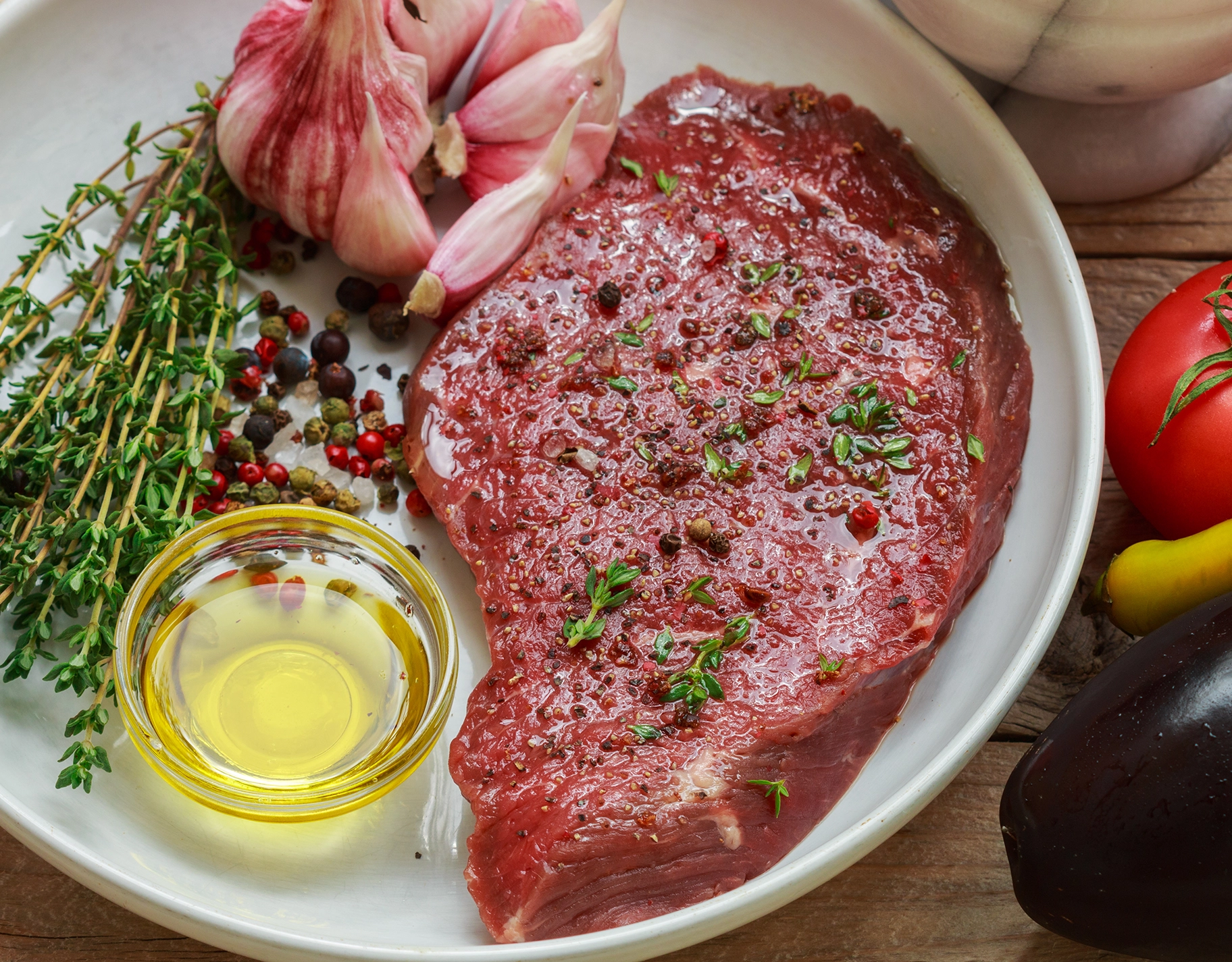
Marinating meat is an example of “all good things come to those who wait.” The longer the meat is left in the marinade, the better it tastes. For those who wonder why the parent in charge of the kitchen takes a long time cooking, it’s because they’re preparing food for the next day—marinades and all. Here are some tips to make the most of marinating meat:
- Always leave the skin-side of the meat exposed with salt to make it crispy. For those who love a good bagnet, fried chicken, or chicken skin, leaving it exposed in the fridge in the marinating tray helps the water evaporate. That way, when frying in its own fat, it gets crispy since there’s little to no water to soften it.
- Make sure it’s in a spot that’s not prone to moisture. Ever wonder why food gets moldy inside the fridge? It’s usually because condensation or water is building up.
- The longer you leave it marinating, the better. Chicken usually tastes better when left in the marinade for more than eight hours.
Marinading: A Part of Why Cooking is a Labor of Love
While everyone seeks out home-cooked food, they rarely appreciate the work that goes into it. The time, the effort, the countless trials and errors to make sure everyone eats—that’s the kind of thinking most parents who express love through their food do every time they cook. And that’s what separates home-cooked food from commercial or fine-dining: there’s appreciation and purpose in the method.
So, for the parents who don’t cook, always appreciate those who take it upon themselves to do the cooking. Because they don’t just handle the food, they handle the whole house’s health, too.
Frequently Asked Questions (FAQs)
Wet marinades use liquids like soy sauce or wine to add flavor and tenderize meat. Dry marinades use herbs, spices, and salt to season and draw out moisture for crispier results.
Most meats benefit from at least 8 hours of marinating. Longer times help flavors sink in deeper, especially for chicken, pork, and beef.
Chicken pairs well with dry rubs like Cajun or Chilimansi, and wet marinades like Souvlaki or Pinatisan. The choice depends on whether you want crispy or tender results.
Yes! White wine, soy sauce, vinegar, olive oil, sesame oil, oyster sauce—even Sprite—can enhance flavor and help tenderize different meats.
Keep the skin exposed to air in the fridge with a light salt coating. This dries out moisture so the skin crisps beautifully when fried or roasted.
More cooking tricks?
Media Noche Food Ideas To Spice Up Parties In The Philippines
Easy Party Tray Recipes For Last Minute “Toka”
Learning How To Cook? Recipe Tricks To Elevate Your Food