Mono No Aware: Why Tackling Depression and Grief Matters for Families



BC Amparado’s Mono No Aware tackles the struggles of OFWs, mental health, and caring for the elderly
The story of the Overseas Filipino Worker (OFW) is deeply woven into the fabric of the Filipino home. Almost every family has a relative working abroad to provide a better future. But while we often focus on the financial sacrifices and the joy of receiving a balikbayan box, we rarely talk about the emotional toll exacted in return: the isolation, the quiet grief, and the hidden struggles with mental health.
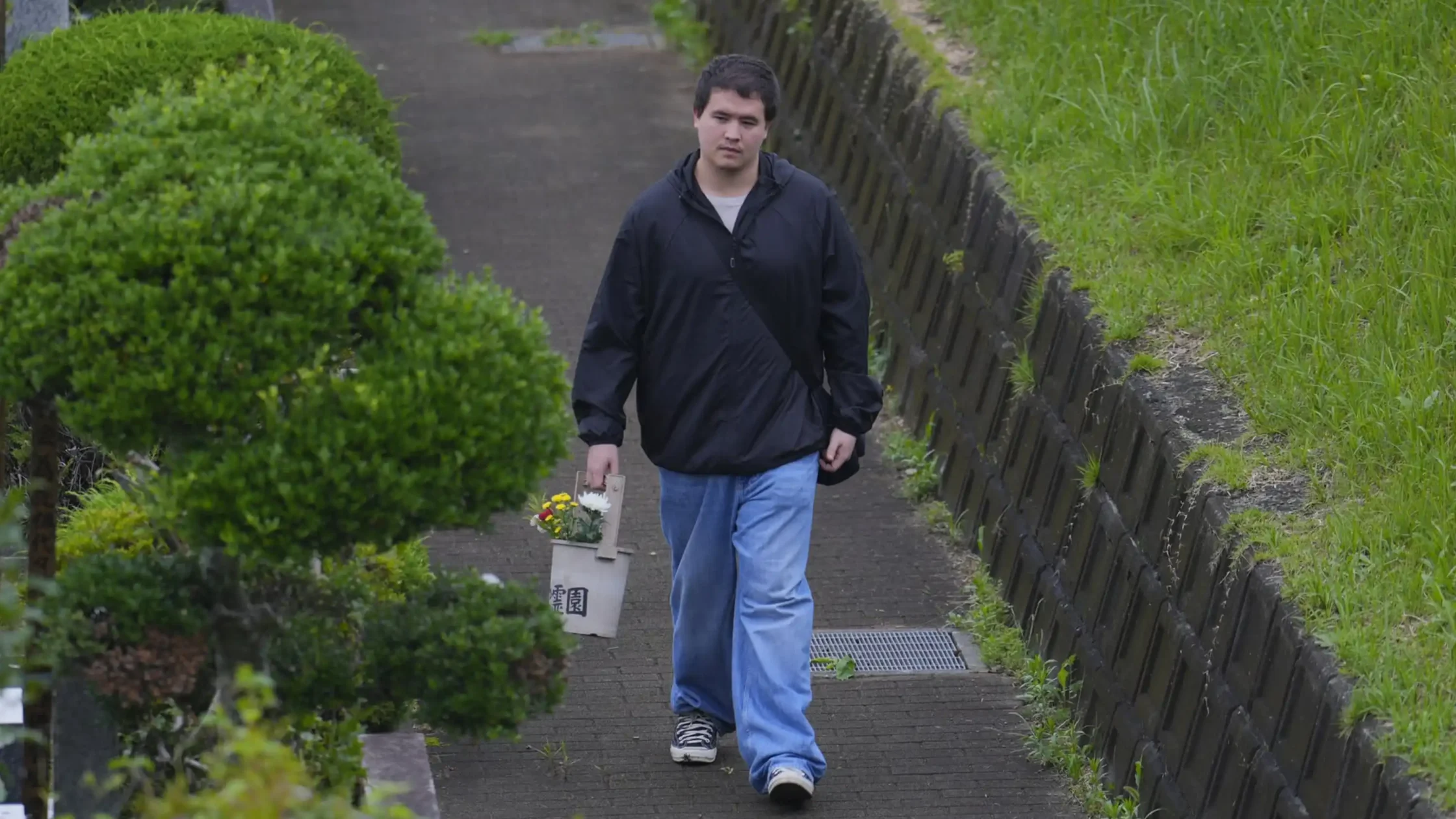
BC Amparado’s film Mono No Aware—an entry to the 2026 Puregold CinePanalo Film Festival—shines a gentle, unblinking light on these quiet realities. Through the eyes of Ichi (played by Juan Karlos Labajo), a Filipino working in Japan as a kodokushi (solitary death) cleaner, the movie transcends the standard OFW narrative. It forces us to confront uncomfortable yet necessary conversations around depression, grief, and how families treat their aging parents.
When Grief, Death, and Loneliness Intersect
Like many young parents, all Ichi wants is to build a foundation for his growing family. As an expectant father, his excitement centers around packing a balikbayan box filled with toys and essentials for his newborn back home. Yet beneath that hope lies the suffocating weight of distance—a chronic isolation that often fuels unspoken depression among overseas workers.
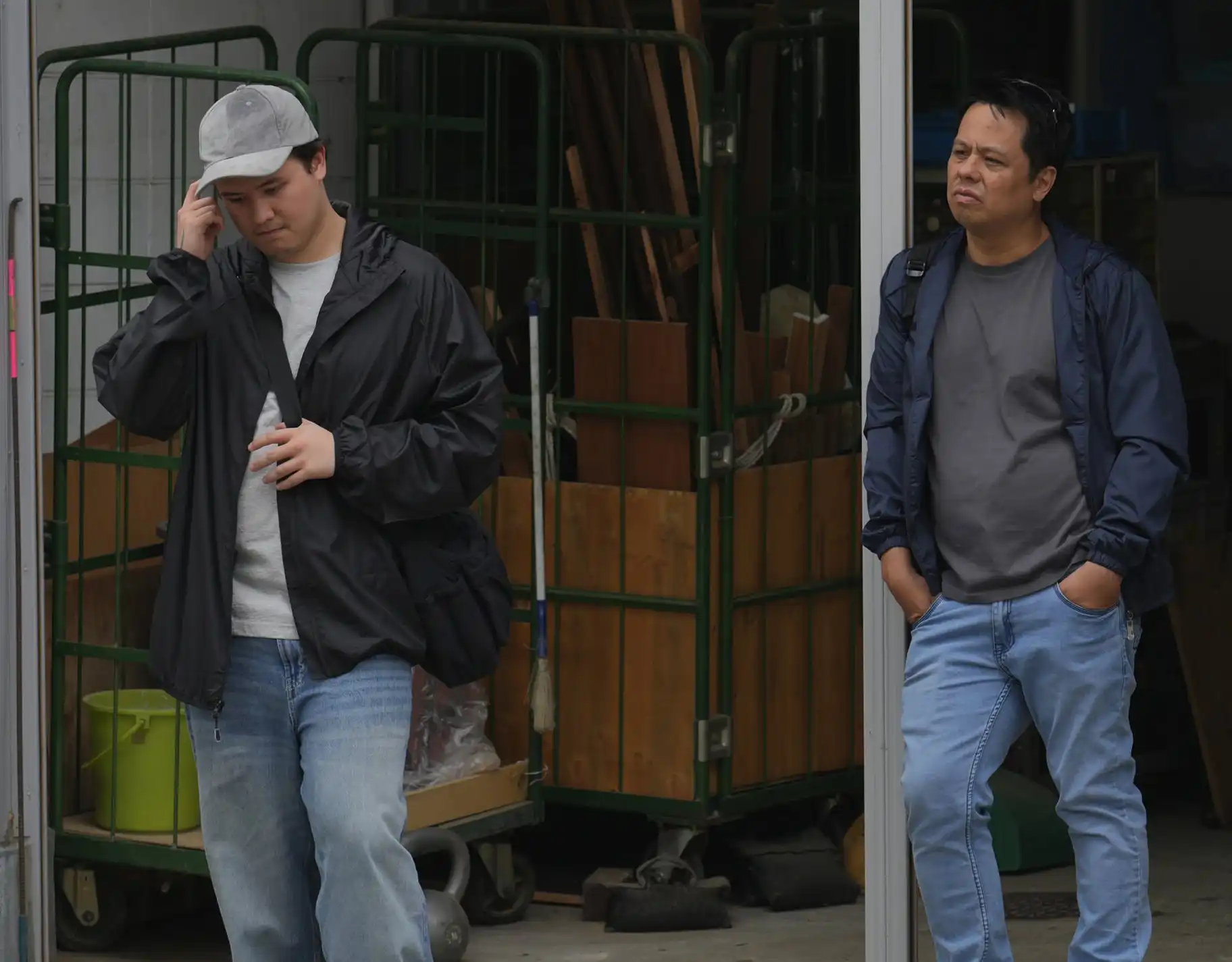
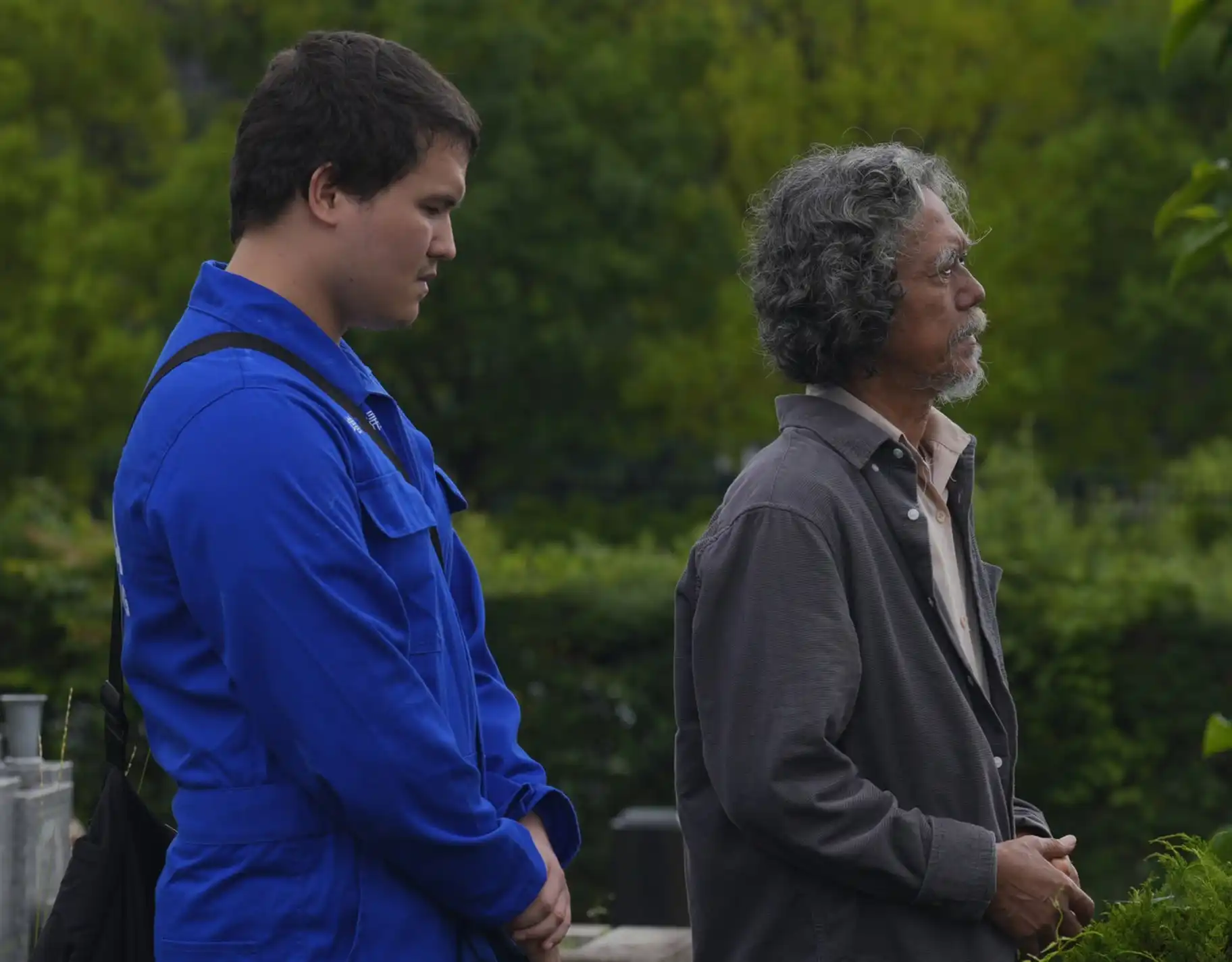
When Ichi crosses paths with George (Perry Dizon), a Filipino widower harboring deep sadness over the loss of his wife, their lives intertwine over a heavy favor. As both men navigate different facets of heartbreak—George mourning his late wife and Ichi carrying the weight of devastating loss—the film paints an authentic picture of how grief reshapes a person.
For many Filipino families, these scenarios are far too familiar. Grief isn’t a straight line, and when unaddressed, it can spiral into depression. Mono No Aware reminds us that acknowledging pain isn’t a sign of weakness; it is the first step toward healing, choosing to live in the present, and embracing second chances.
Championing the Elderly and the “Sandwich Generation”
The movie also dives into a topic often treated as taboo in Filipino culture: institutional care and the reality of aging. While custom dictates that families care for elderly relatives at home, the film touches on the silent crisis facing many seniors—from extreme isolation to ending up in caregiving facilities.
When George is rushed by Ichi to the hospital after smoke was seen coming from his home, Mori (Momoko Kobayashi), who initially didn’t like Ichi, explained why she was worried about George. She saw how her grandfather died and from then on, she vowed to herself that no aging person or elderly will go through the trauma she experienced.
Mori’s dedication speaks directly to today’s sandwich generation—millennials and young adults trapped between raising their own children and managing the health and well-being of their aging parents. Juggling a career, parenting duties, and eldercare leaves many parents burned out, running on empty without a moment for self-care.
Mono No Aware serves as a powerful wake-up call: our elderly relatives need more than just financial support—they need emotional presence, dignity, and love.
Why Mono No Aware Is Worth Watching for Parents
While Mono No Aware handles heavy themes, it never loses sight of hope. It reminds us that mental health struggles must be taken seriously, that our elders deserve grace, and that life’s impermanence is precisely what makes every shared moment precious.
For parents striving to raise compassionate children while caring for aging family members, this film is a poignant reminder to hold our loved ones closer, speak up about our mental health, and make the most of every second chance we are given.
Frequently Asked Questions
Mono No Aware is a Japanese phrase referring to the bittersweet awareness of the impermanence of all things. The movie uses this concept to show how grief, isolation, and mortality affect individuals—reminding families to cherish the present moment, address mental health, and treat both young children and aging elders with love and dignity.
Kodokushi is the Japanese phenomenon of individuals dying alone and remaining undiscovered for extended periods. A kodokushi cleaner is responsible for clearing, restoring, and sanitizing apartments after a solitary death. In the film, Juan Karlos Labajo plays Ichi, a Filipino worker taking on this emotionally heavy job in Japan.
In Filipino culture, taking care of aging parents at home is traditionally seen as a duty of gratitude. However, changing economics, career demands, and migration mean many families struggle to provide constant care, leading to taboo discussions around formal caregiving facilities and senior isolation.
More movies involving family stories
Beast: Why Omeng’s Story Is Something Filipino Families Can Relate To
Apol of My Ai: A Reminder of Crushes and Family Connections
Wantawsan: How It Mirrors the Everyday Financial Battles of Filipino Families